Explore This Guide
You know the pictures. Gray concrete slabs, barbed wire, guard towers. But standing at the actual Berlin Wall Memorial on Bernauer Strasse is a completely different beast. It’s quiet. The weight of the place settles on you not with a bang, but with a slow, heavy silence. It’s not the most "fun" tourist spot in Berlin, but honestly, it might be the most important one you visit.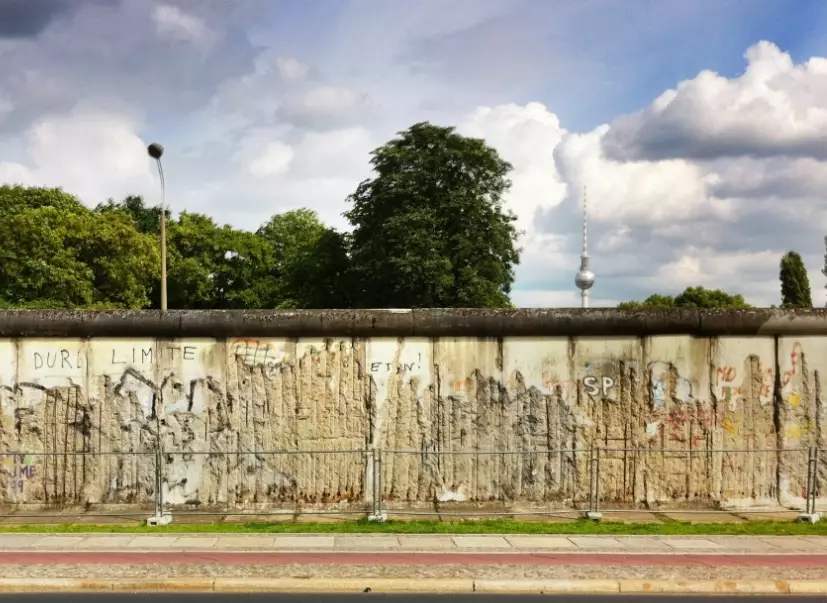
I’ve been there a handful of times now—first as a wide-eyed student, later with friends who just wanted to "see the Wall," and most recently, trying to really understand it. Each time, it hits differently. This isn't a polished museum exhibit tucked away from the elements. It's an open wound in the middle of a modern, buzzing city. The Berlin Wall Memorial does something brilliant and brutal: it forces the history of division right back into the everyday landscape.
So, why does this specific memorial stand out among all the Berlin Wall remnants and museums? Simple. It’s the real deal. The ground you walk on is the actual death strip. The stories you read happened right where you’re standing. Families were torn apart on this street. People jumped from windows into firemen's nets on the free western side. Later, they dug tunnels here.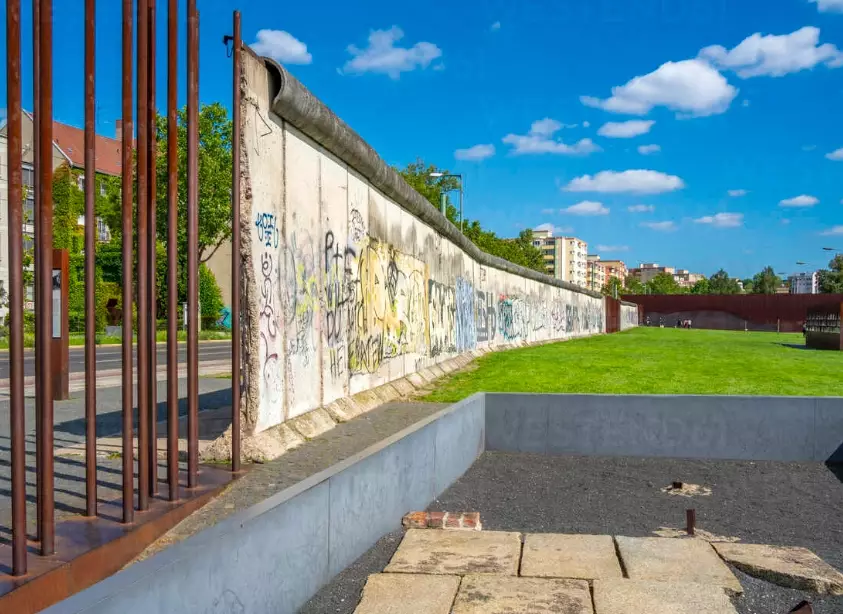
Why Bernauer Strasse? The Heart of the Division
To get why the Berlin Wall Memorial is here, you need a bit of context. When the Wall went up overnight on August 13, 1961, Bernauer Strasse became the literal poster child for its absurd cruelty. The front-line buildings on the south side of the street were in East Berlin. Their facades became part of the wall itself. The sidewalk in front of them? That was West Berlin.
Imagine that. One morning, you wake up and your front door is part of an international border. Your windows are bricked up. If you live on an upper floor, you might still escape by jumping into a net held by West Berlin firefighters—a scene captured in iconic photographs. By 1965, the East German government had demolished all these buildings to create a wider, more controllable death strip. But the scars remained.
The memorial’s location isn’t random. It’s forensic. It’s built on the scene of the crime.
What You'll Actually See and Do: A Practical Walkthrough
Okay, let’s get practical. You’re convinced you should go. What’s the game plan? The site is free and open-air, which is fantastic, but its sheer size and layered information can be overwhelming. Here’s how to break it down so you don’t miss the powerful stuff.
The Outdoor Exhibition Along Bernauer Strasse
This is the spine of the memorial. You can walk the 1.4 km at your own pace. Don’t just amble down the sidewalk. Stop at the steel poles that line the route. They have markers with photos, audio stations (use your phone), and short texts in German and English.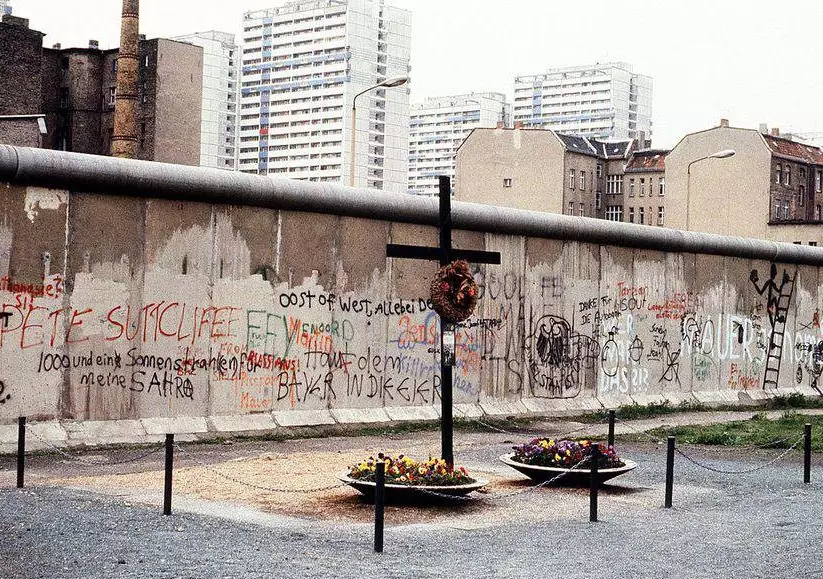
Look for the "Window of Remembrance" monument. This is where it gets personal. It’s a dark steel wall with portrait photos of people who died at the Berlin Wall. They’re not soldiers or spies; they’re men, women, and even children who just wanted to be free. Seeing their faces, their names, their ages… it cuts through the political abstraction. This section of the Berlin Wall Memorial is, for many, the most emotionally powerful.
Then there’s the preserved section of the border fortifications with the death strip. You see the hinterland wall (the inner one facing East Berlin), the patrol path, the floodlights, the signal fence, and finally the actual, grim concrete wall facing West. It’s a full-scale archaeological exhibit. You realize escape wasn’t just about climbing one wall; it was a deadly obstacle course.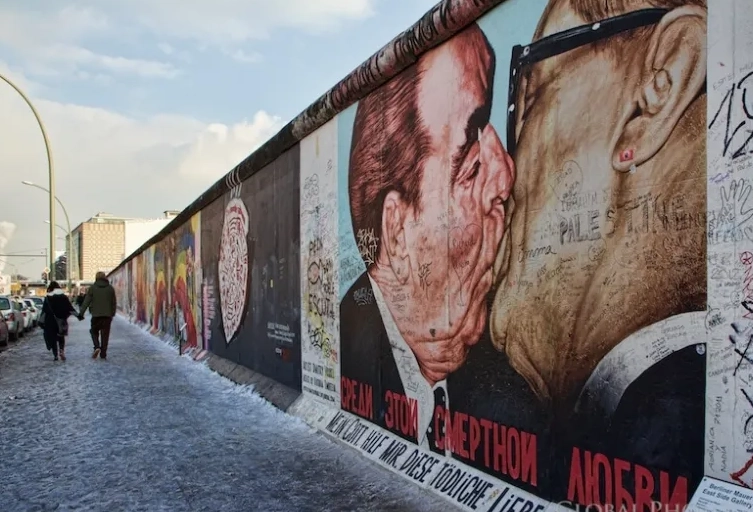
The Documentation Center and the View from the Tower
This is your indoor anchor. The Documentation Center (Dokumentationszentrum) is free and sits at the southern end of the outdoor stretch. Its main exhibition, "1961 | 1989. The Berlin Wall," is dense but brilliantly curated. It tells the national and international story of the Wall, but always loops back to Bernauer Strasse.
The real showstopper is on the top floor. You climb a narrow staircase to a viewing platform that looks out over the reconstructed death strip. From up here, the geometry of control becomes terrifyingly clear. You see the sheer scale of the no-man’s-land designed to leave escapees with nowhere to hide. It’s the single best view for understanding the mechanics of oppression. No photo does it justice.
The Chapel of Reconciliation
Don’t skip this. It’s an oval, clay-walled building that looks almost ancient. It stands on the exact site of the Church of Reconciliation, which was trapped in the death strip in 1961 and dynamited by the East German government in 1985. The new chapel is a place for quiet contemplation. They hold regular services and midday prayers for the victims. Even if you just sit for five minutes, the sense of peace and remembrance is palpable. It’s a powerful counterpoint to the harshness of the death strip outside.
Planning Your Visit: The Nitty-Gritty Details
Let’s talk logistics. Getting this wrong can really sour the experience. I’ve seen people show up on a Monday when the Documentation Center is closed, or in pouring rain without an umbrella (the outdoor part is long!).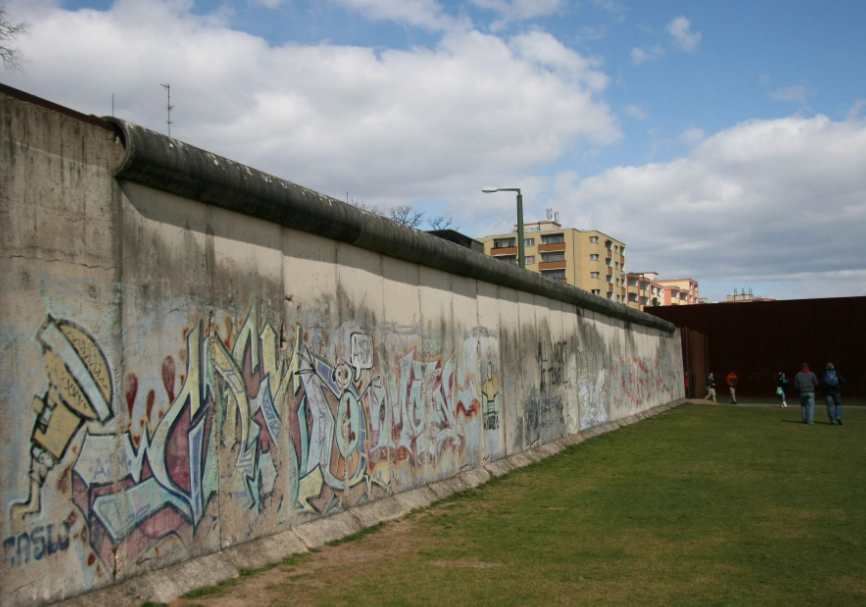
Opening Hours:
- Outdoor Grounds: Always accessible, 24/7. The illuminated installations are especially poignant at dusk.
- Documentation Center & Visitor Center: Tuesday to Sunday, 10:00 AM to 6:00 PM. Closed on Mondays. Double-check the latest on the official Berlin Wall Memorial website—these things can change.
How to Get There:
Public transport is your friend. The main entry points are:
- S-Bahn Nordbahnhof (S1, S2, S25, S26). The Visitor Center is right outside.
- U-Bahn Bernauer Strasse (U8). Puts you right in the middle of the memorial.
- M10 Tram: Stops at both Gedenkstätte Berliner Mauer and Bernauer Str./Gartenstr.
Avoid driving. Parking is a nightmare in this area, and you’ll want to walk the length of the site anyway.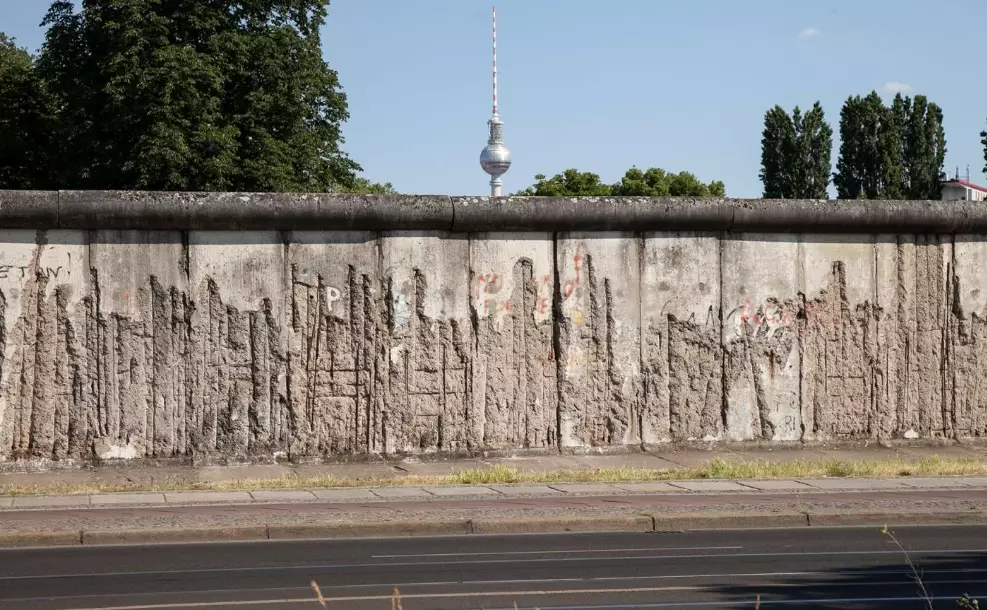
Tours – Are They Worth It?
Honestly, yes, especially for a first visit. The memorial offers free public tours in English on weekends. They last about 90 minutes and provide context you’d easily miss on your own. Private guided tours of the Berlin Wall Memorial can also be booked. If you’re a DIY person, the audio guide (available at the Visitor Center) is excellent and lets you go at your own pace.
How Much Time to Budget?
This isn’t a 30-minute photo stop. To do it any justice, you need a minimum of 2 to 3 hours. If you want to go through the Documentation Center exhibition thoroughly, read the outdoor panels, and just absorb the atmosphere, you could easily spend half a day. My advice? Don’t rush it. The impact is cumulative.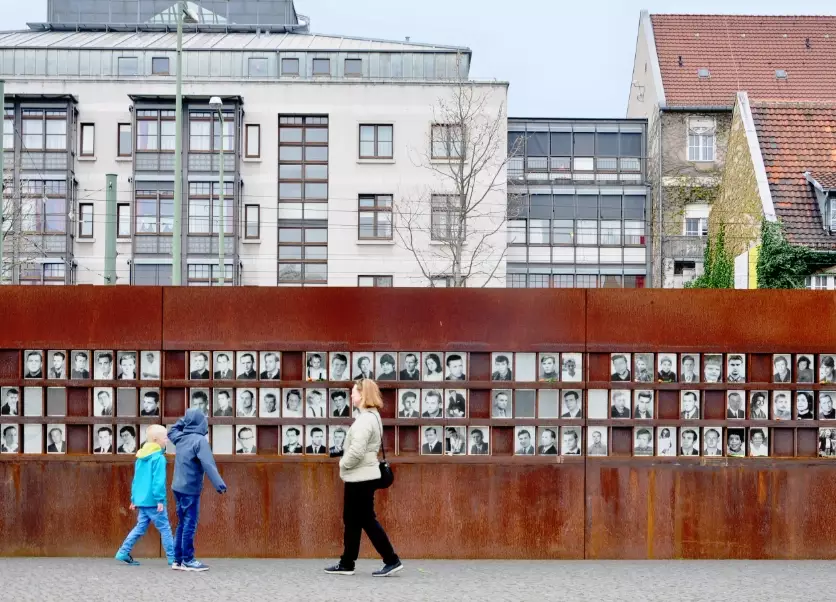
Beyond the Memorial: Connecting the Dots in Berlin
The Berlin Wall Memorial is the most comprehensive site, but the Wall’s ghost haunts the entire city. Visiting these other spots helps complete the picture.
The East Side Gallery: This is the polar opposite vibe. It’s the longest surviving stretch of the Wall, now an international open-air gallery covered in famous murals (like the "Fraternal Kiss"). It’s colorful, crowded, and celebratory—a monument to the joy of 1989. Go here for the art and the energy, but know that the original historical context is somewhat buried under the paint.
Checkpoint Charlie: The famous crossing point for foreigners and diplomats. Today, it’s a bit of a tourist circus with actors in uniforms charging for photos. The nearby Mauermuseum (Wall Museum) is privately run and packed with dramatic escape artifacts, but it feels more chaotic and less curated than the official memorial. It’s worth seeing the spot, but manage your expectations.
Topography of Terror: This isn’t about the Wall per se, but about the regime that built it. Located on the site of the former Gestapo and SS headquarters, it documents the horrors of the Nazi regime, which is the essential pre-history to Germany’s later division. It’s a heavy but crucial visit.
See the pattern? The Berlin Wall Memorial gives you the forensic, ground-level view of division. The East Side Gallery shows its artistic overcoming. Checkpoint Charlie shows its symbolic choke points. Together, they form a mosaic.
Common Questions (Stuff You Might Be Too Hesitant to Ask)
A Final, Personal Take
Look, Berlin is full of incredible things: world-class museums, crazy nightlife, amazing food. The Berlin Wall Memorial isn’t "fun" in that way. It can be draining, sad, and unsettling.
But it’s essential.
It’s the reason modern Berlin feels the way it does—raw, creative, unpretentious, and fiercely protective of its freedom. That energy didn’t come from nowhere. It came from living behind a wall, and then tearing it down.
Walking through the memorial, you’re not just learning about German history. You’re confronting universal questions about freedom, power, fear, and what happens when we build barriers—physical or ideological—between people. The Berlin Wall Memorial doesn’t give you easy answers. It just presents the evidence and asks you to remember, and to think.
And in today’s world, that might be the most valuable thing any historical site can do.
Give it the time it deserves. You won’t forget it.