Your Essential Guide
Let's be honest. When you think of Christmas markets, your mind probably goes straight to Germany. It's where the whole tradition really took root, and honestly, they just do it better. The smell of roasting almonds and mulled wine, the glow of a thousand fairy lights against historic facades, the sound of carols mixing with chatter—it's pure magic. But here's the thing: with literally thousands of German Christmas markets to choose from, how do you know which ones are worth your time?
I've been living here for years, dragging friends and family to markets big and small, from the mega-famous to the quaint village squares nobody talks about online. Some were breathtaking. Others? Honestly, a bit overrated and packed with the same mass-produced trinkets. It all depends on what you're looking for.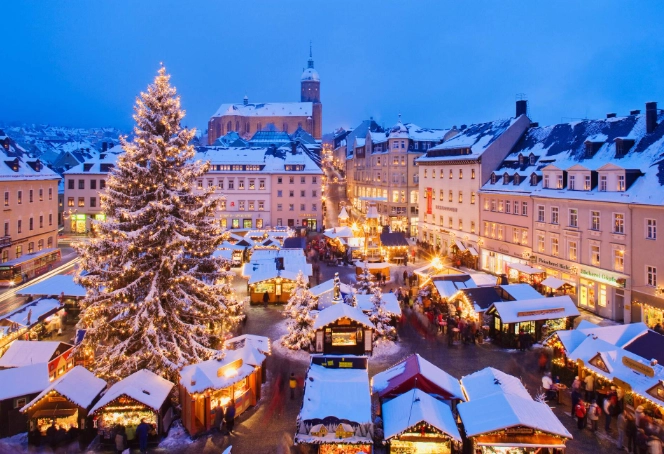
So, I'm putting together everything I've learned. This isn't just a list of the best Christmas markets in Germany you can google. It's a practical, no-nonsense guide to help you plan a trip you'll actually remember, not just survive. We'll talk about the iconic ones you've heard of, the hidden gems that surprised me, what to eat (and what to skip), how to avoid the worst crowds, and even how to navigate them with kids in tow. Forget generic travel fluff. Let's get into the real details.
The Heavy Hitters: Germany's Most Famous Christmas Markets
These are the ones that make the postcards. They're famous for a reason—their scale, history, or setting is simply unmatched. But with fame comes crowds. Visiting these requires a bit of strategy.
| Market | City | Key Feature / Vibe | Best Time to Visit (to avoid worst crowds) | My Personal "Wow" Factor (1-5) |
|---|---|---|---|---|
| Christkindlesmarkt | Nuremberg | The classic, "original" feel with strict craftsmanship rules. | Weekday morning, or after 8 PM. | 5 (for tradition) |
| Striezelmarkt | Dresden | Oldest market in Germany (first held in 1434), huge Christmas pyramid. | Early December weekday. | 5 (for history) |
| Cologne Cathedral Markets | Cologne | Stunning backdrop of the cathedral, multiple themed markets in the city. | Sunday morning, or a rainy weekday. | 4 (for the setting) |
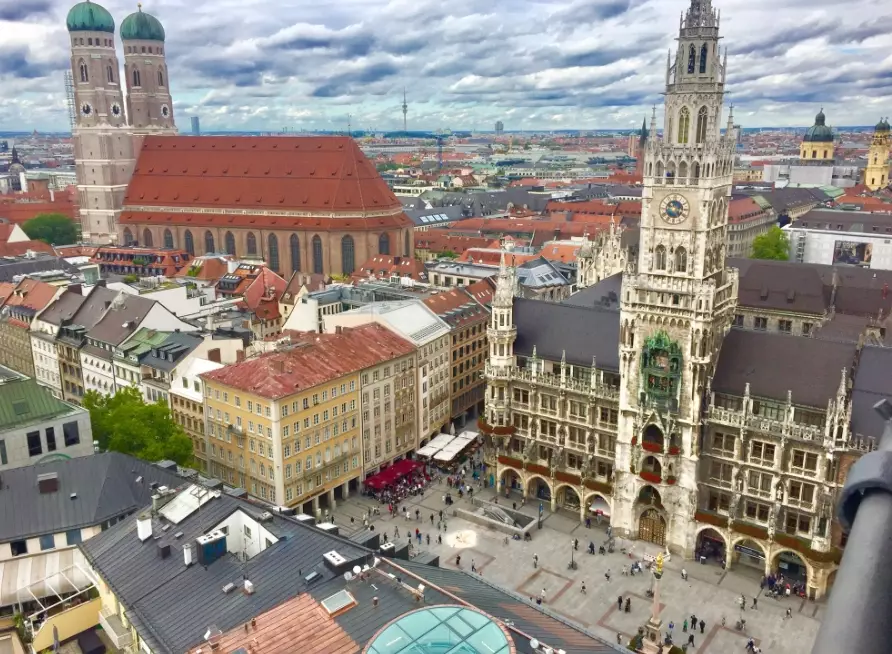
| Münchner Christkindlmarkt | Munich (Marienplatz) | Bavarian charm at its peak, with the town hall as a backdrop. | Before 4 PM on a weekday. | 4 |
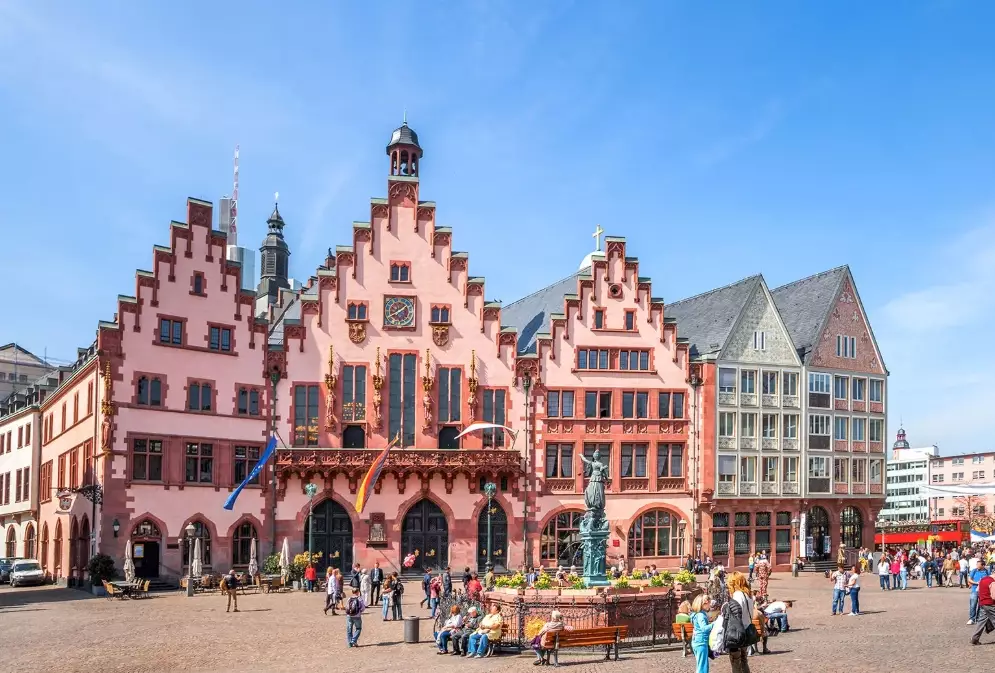
| Frankfurt Christmas Market | Frankfurt (Römerberg) | Picturesque medieval square, great for international visitors. | Late November or a Monday/Tuesday. |
Nuremberg Christkindlesmarkt: The Gold Standard
If you only visit one market in Germany, for many it has to be the Nuremberg Christkindlesmarkt. It's the one all others are measured against. The opening ceremony with the Christkind (a sort of Christmas angel) reciting a prologue from the balcony of the Frauenkirche is genuinely moving, even if you don't understand a word of German.
What sets it apart is its commitment to quality. The vendors have to follow "handcraft only" rules, so you won't find plastic junk from a warehouse here. Look for the little "R" sign on stalls—it certifies the goods are handmade by the person selling them. The famous Nuremberg Rostbratwurst (small, thin sausages) are a must-try, served in a roll of three.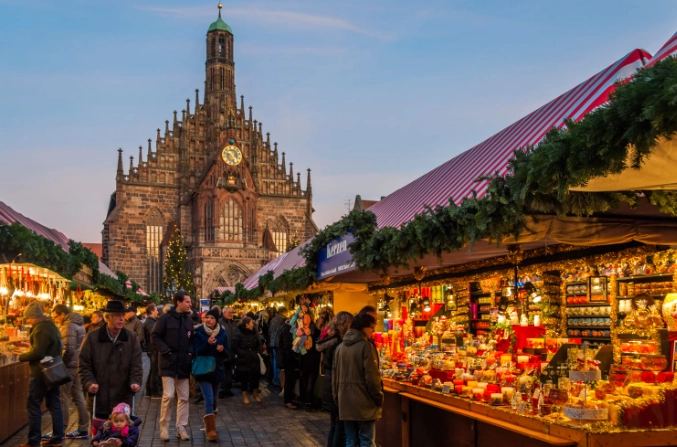
A quick tip: Don't just stay in the main square. Wander into the nearby Markt der Partnerstädte (Market of Sister Cities) for international flair, and the Kinderweihnacht (Children's Christmas) area if you have little ones—it has a merry-go-round and a cute little train.
Dresden Striezelmarkt: A Journey Through Time
Claiming to be the oldest Christmas market in the world (documented since 1434!), the Dresden Striezelmarkt is less about overwhelming size and more about deep-rooted tradition. The name comes from "Striezel," an old German word for the Christmas cake now known as Dresden Christstollen.
The centerpiece is the world's tallest Erzgebirge Christmas Pyramid, a stunning multi-tiered wooden carousel driven by the heat of candles. Watching it spin is mesmerizing. You have to try the Pulsnitzer Pfefferkuchen (gingerbread) and, of course, a slice of authentic Dresdner Christstollen. The official Dresden Tourism website has a great page on the Striezelmarkt's history and events, which is worth checking for the exact dates of special baking demonstrations.
Cologne's Cathedral Market: A Gothic Fairy Tale
The setting is what makes this one of the best Christmas markets in Germany. Having the colossal, twin-spired Cologne Cathedral looming overhead, dramatically lit at night, is an experience you can't get anywhere else. The scent of mulled wine (Glühwein) and roasted almonds seems to hang in the air thicker here.
But Cologne is sneaky—it doesn't have just one market. It has seven major ones, each with a different theme. Feeling fancy? Head to the „Heavenue“ market on the Mittelstraße for champagne and oysters. Want something quirky? The „Christmas Market at the Cologne Harbour“ has a maritime theme. The main one at the cathedral is the heart of it all, but exploring the others is half the fun. The city's official Christmas market portal is a lifesaver for navigating them all.
Beyond the Classics: Other Incredible German Christmas Markets
Okay, so you've seen the big names. But some of my most memorable experiences have been at markets that aren't always on the "Top 5" lists. These offer something special—maybe an unbelievable setting, a unique theme, or just an authentic, local feel without the tour groups.
Rothenburg ob der Tauber: The Real-Life Snow Globe
Rothenburg is a perfectly preserved medieval town any time of year, but at Christmas, it turns into something from a storybook. The Reiterlesmarkt is smaller and cozier than the big city markets, set in the town square surrounded by half-timbered houses. The atmosphere is intimate and deeply traditional.
This is the place to find incredible, high-quality Christmas decorations. The Käthe Wohlfahrt flagship store is a year-round Christmas wonderland, but the market stalls offer more artisanal pieces. Try the Rothenburger Schneeball—a pastry made of shortcrust dough strips formed into a ball and dusted with sugar. It's... interesting. A bit dry for my taste, but you have to try it once!
Aachen Christmas Market: Atmospheric & Historic
Centered around the stunning Aachen Cathedral (a UNESCO site), this market feels elegant and historic. The backdrop is incredible, and the quality of the goods is high. Aachen is famous for its Printen, a type of hard, spicy gingerbread that comes in many varieties. Don't be put off by its hardness—it's meant to be that way! The Aachener Printen are a protected geographical indication, so this is the real deal. The market layout is spacious and easy to walk, making it a more relaxed experience than some of the crammed city-center ones.
Berlin's Many Faces
Berlin doesn't have one "best" market; it has dozens catering to every taste. Want glamour and an ice-skating trail between historic museum buildings? Go to the Weihnachtsmarkt an der Gedächtniskirche near the Kaiser Wilhelm Memorial Church. Looking for a rustic, Nordic feel with real log cabins? The Weihnachtsmarkt am Roten Rathaus (in front of the Red City Hall) is fantastic. For something completely different, the Christmas Avenue at Potsdamer Platz has a massive toboggan run and a more modern, festive fair vibe. Berlin's official tourism site, visitBerlin, does a great job listing them all with their unique features.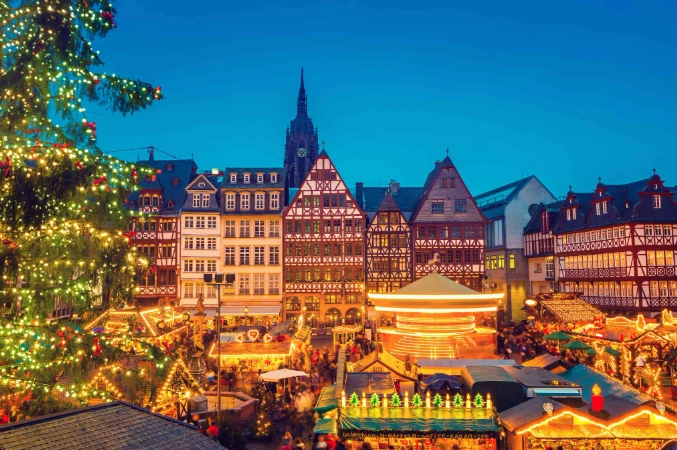
My Underrated Pick: The Christmas Market in Monschau. This tiny town in the Eifel region is a hidden gem. The narrow, winding valley is packed with half-timbered houses, and the market feels like it's been plucked from the 18th century. It's incredibly romantic and feels a world away from the big-city hustle. It gets busy on weekends, but it's worth the trip.
Navigating the Practical Stuff: Your Survival Guide
Loving the idea is one thing. Actually enjoying your visit is another. Here’s the real-talk advice you need based on hard-earned experience.
When to Go (Timing is Everything)
Most markets open in late November and run until December 23rd or 24th. Some, like in Nuremberg or Munich, close on the 24th around noon. A few, especially in bigger cities, might start earlier or have a short run after Christmas.
- Avoid Weekends Like the Plague: Seriously. Saturdays are pure chaos. Locals and tourists all descend at once. If you must go on a weekend, be there right when it opens (usually 10 AM) to enjoy an hour of relative peace.
- Weekday Evenings are Magical (but busy): The lights are on, the atmosphere is festive, but after-work crowds make it busy. Still better than a Saturday.
- The Sweet Spot: Weekday Daytime. Tuesday through Thursday, between 11 AM and 4 PM, is your golden window. You can actually browse stalls, talk to artisans, and find a place to sit and drink your Glühwein.
- Early December vs. Late December: Early December is less crowded in general. The closer you get to Christmas, the more frantic it becomes. The trade-off? The later you go, the more "Christmassy" it feels.
Budgeting: It Adds Up Faster Than You Think
Markets are free to enter, but your wallet will take a hit.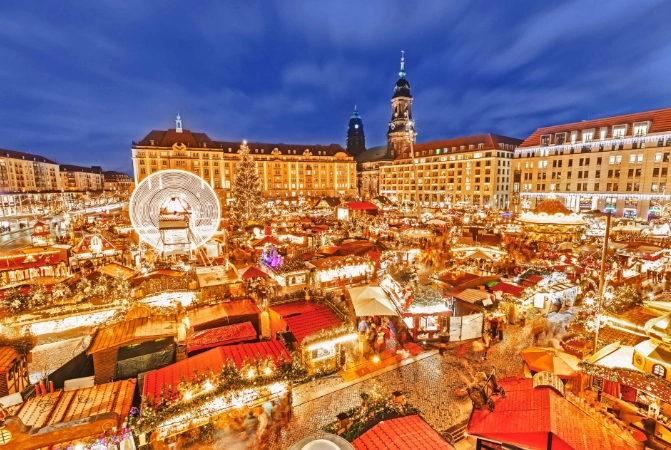
- Glühwein (Mulled Wine): €4-€6 per cup, plus the mug deposit (€3-€5). Non-alcoholic Kinderpunsch for kids is €3-€4.
- Food: A sausage in a roll is €4-€6. A portion of Reibekuchen (potato pancakes) with apple sauce is €5-€7. A crepe or waffle is €4-€5. Plan on €15-€25 per person for a decent meal from market stalls.
- Souvenirs & Gifts: Handmade ornaments start around €8-€10 and go way up. Woolen hats, wooden toys, ceramics—it's all beautiful but not cheap. Set a gift budget beforehand.
A realistic budget for a couple for an evening, including a couple of drinks, a hearty snack each, and a small souvenir, is easily €50-€70.
What to Wear: The "Cold & Cobblestone" Combo
You will be standing outside for hours. German winters are wet and cold.
- Footwear is KEY: Thick-soled, waterproof, warm boots. Cobblestones are hard, cold, and often slippery. Your fashionable ankle boots will betray you by hour two.
- Layers, Layers, Layers: Thermal underlayers, a warm sweater, a down or thick wool coat. A scarf, hat, and gloves are non-negotiable. You can always take a layer off if you get warm from the Glühwein.
- Bring a Tote Bag: For carrying your purchases (and maybe that Glühwein mug you decided to keep). Stall plastic bags are flimsy.
Going with Kids? Plan Ahead.
Kids can love the markets, but they also get cold, tired, and overwhelmed quickly.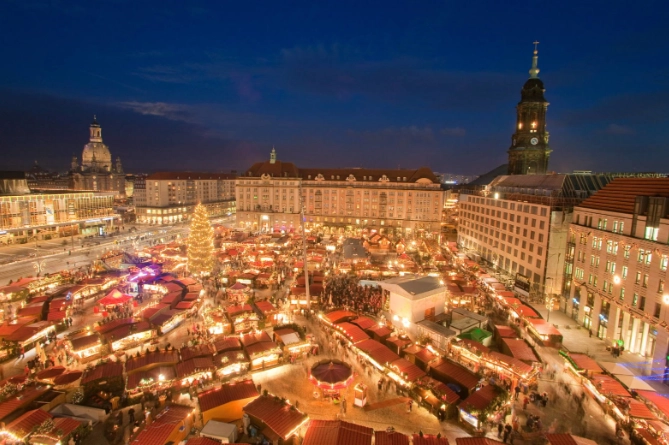
Frequently Asked Questions (The Stuff You Actually Want to Know)
Let's tackle some common worries and questions head-on.
- Reibekuchen/ Kartoffelpuffer: Crispy fried potato pancakes, served with apple sauce or garlic cream.
- Schupfnudeln: Thick, soft potato noodles, often pan-fried with sauerkraut.
- Gebrannte Mandeln: Sugar-roasted almonds. The smell is the essence of the market.
- Maroni: Hot roasted chestnuts.
- Langos: A Hungarian import—deep-fried flatbread with garlic, sour cream, and cheese. A guilty pleasure.
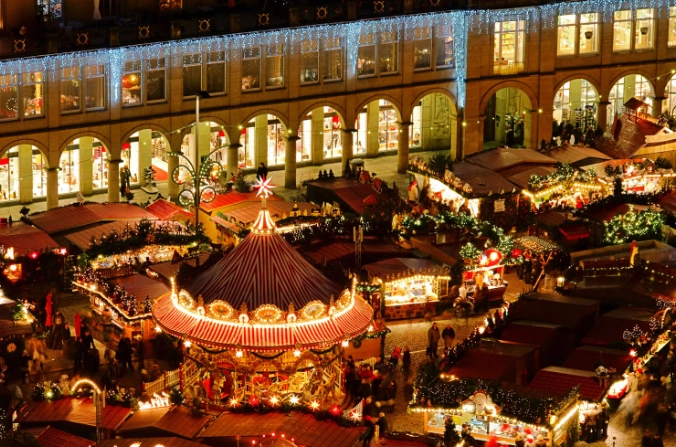
1. Atmosphere & Setting: Beautiful lights, historic surroundings, joyful but not frantic mood.
2. Authenticity & Quality: A focus on local, handmade goods over imported plastic. Food that's traditional and well-made.
3. Manageability: Enough space to move, breathe, and enjoy yourself without constant jostling.
That's why my personal favorites are often the medium-sized ones in historic towns, or the big ones visited at the right time.
The Heart of the Season
At the end of the day, searching for the best Christmas markets in Germany is about more than just checking a list. It's about capturing a feeling. That warm, festive, communal spirit that seems to glow brighter here than anywhere else. Whether you're sipping mulled wine under the shadow of a Gothic cathedral, hunting for the perfect hand-carved nutcracker, or simply soaking in the sounds of a brass band playing "Stille Nacht," it's an experience that stays with you.
Do your research, plan for the crowds and the cold, but then let yourself get lost in it. Follow the smell of cinnamon, listen for the laughter, and don't be afraid to wander down a side street—you might just find your own personal best Christmas market, the one you'll compare all others to for years to come.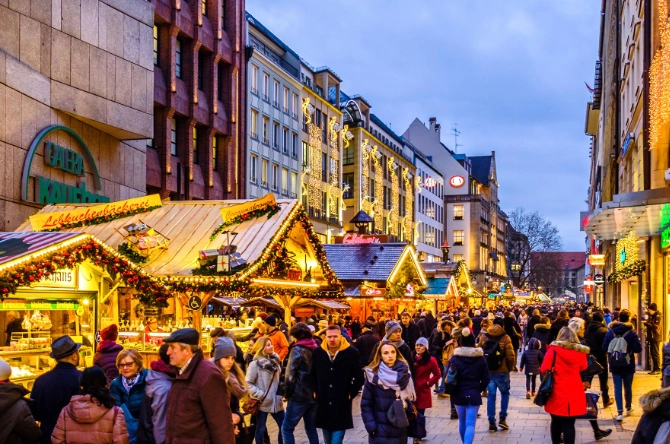
And if you do go to Nuremberg on a Saturday afternoon? Well, you've been warned. But you'll still probably have a story to tell.