Your Market Map
Let's be real. When you think of a German Christmas market, you probably picture one cozy square with a few wooden huts, right? Well, Berlin laughs in the face of that quaint image. The city doesn't have just one Christmas market. It has dozens. Maybe even over a hundred if you count all the tiny neighborhood ones. The Berlin Christmas market experience is less of a single event and more of a city-wide, month-long festival that takes over squares, parks, and even castles. It's overwhelming, magical, and sometimes a bit chaotic.
I remember my first time. I got off the U-Bahn at Alexanderplatz, expecting something charming. Instead, I was hit with the scent of candied almonds, the roar of a massive Ferris wheel, and a sea of people. It was less "Silent Night" and more "vibrant winter carnival." That's the thing about Berlin – it does nothing by halves, and its Christmas markets are no exception. From the historical charm of Gendarmenmarkt to the alternative vibe at RAW-Gelände, there's a market for every mood.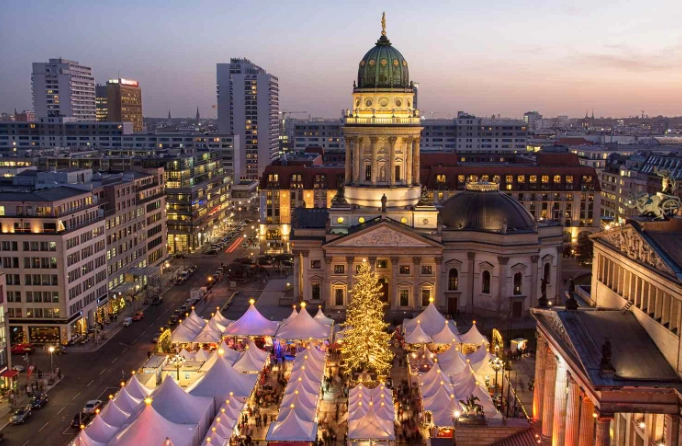
When Do the Berlin Christmas Markets Open? Your 2024 Calendar
This is the most common question, and for good reason. You don't want to show up in early November only to find empty squares. Generally, the season kicks off in late November. Most of the big, famous Berlin Christmas markets start around November 25th. They then run daily until just before Christmas. Some, however, are real troopers and stay open until the very end of the year, even through New Year's Eve. A few niche ones might only run for a couple of weekends.
The official dates for each market are usually confirmed by early fall. For the most accurate and up-to-date information, always check the website of the specific market or the official Berlin tourism website. They have a comprehensive list that gets updated annually.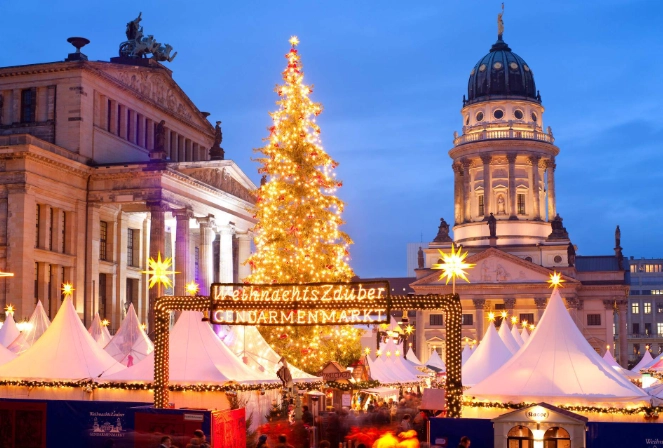
Here’s a rough guide to what you can expect timing-wise:
- Late November (from around the 25th): The grand opening for the majority of markets. The city officially flips the switch.
- Throughout December: Peak season. All markets are in full swing. Weekends are incredibly busy.
- December 24th (Christmas Eve): Most markets close early in the afternoon, if they are open at all. This is primarily a family day in Germany.
- December 25th & 26th (Christmas Holidays): Many markets are closed. Some larger ones may reopen on the 26th.
- December 27th - 30th: A second wave of operation for many markets. Often slightly less crowded than pre-Christmas.
- December 31st (New Year's Eve): Some markets transform into Silvester (New Year's) parties. Others close.
Navigating the Maze: Berlin's Top Christmas Markets Broken Down
Okay, so you know when to go. But which Berlin Christmas market should you actually visit? This is where personal preference comes in. I've spent more winters than I care to admit exploring them, and here's my no-nonsense breakdown.
The Classics (For the Postcard Picture)
These are the ones you see on Instagram. They are beautiful, traditional, and often very crowded.
- Weihnachtsmarkt am Gendarmenmarkt: Often called the most beautiful Christmas market in Berlin, and it's hard to argue. Set between the French and German Cathedrals, it's stunning. Entry costs a few euros, which actually keeps the crowds slightly more manageable. The focus here is on high-quality crafts – think intricate glassware, handmade leather goods, and fine jewelry. The food stands are a bit more gourmet too. It feels exclusive, and the backdrop is unbeatable.
- Weihnachtsmarkt am Roten Rathaus (Alexanderplatz): This is the giant. It's huge, sprawling, and packed with everything. It has a massive Ferris wheel, an ice rink, and what feels like miles of stalls. It's commercial, loud, and fantastic for families or if you want that "big event" feeling. The quality of goods can be hit or miss, but the energy is electric.
- Weihnachtsmarkt an der Gedächtniskirche: Located right by the ruins of the Kaiser Wilhelm Memorial Church, this market is centrally located in Charlottenburg. It's a good, solid, traditional market. Great for your first-ever Glühwein if you're staying in the west of the city. It's less overwhelming than Alexanderplatz but still offers the full experience.
The Charming & Romantic Ones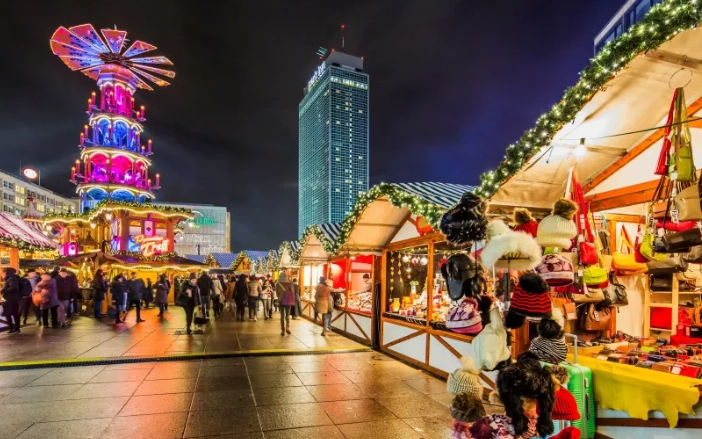
Want to escape the crowds and feel like you're in a storybook?
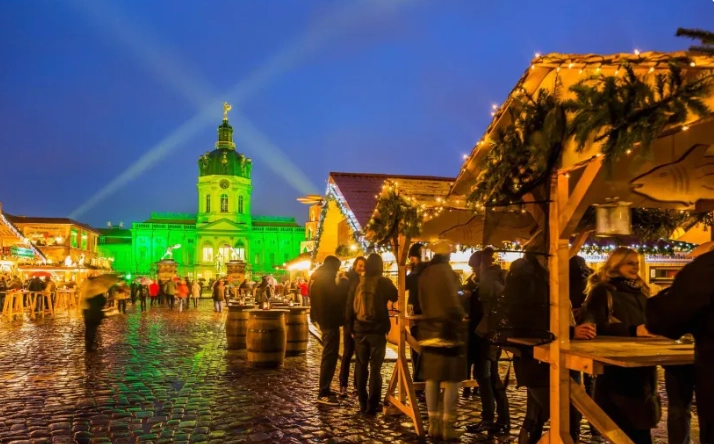
- Weihnachtsmarkt am Schloss Charlottenburg: This is my personal favorite for atmosphere. The market is set in front of the illuminated Charlottenburg Palace. It's smaller, more intimate, and feels genuinely magical in the evening. The stalls are high-quality, and they often have live classical music. It's perfect for a romantic evening. Gets busy on weekends, though.
- Spandauer Weihnachtsmarkt: Way out in the old town of Spandau, this market feels like you've left Berlin and traveled to a small medieval town. It's one of the oldest in Berlin, with a lovely historic setting. Worth the U-Bahn trip if you have the time.
The Alternative & Unusual
This is Berlin, after all. Nothing is ever completely conventional.
- Weihnachtsmarkt am RAW-Gelände (Friedrichshain): Located in a formerly squatted, now cultural complex, this market is edgy, punk, and fun. You'll find unconventional crafts, vegan food options (a rarity at traditional markets!), and a generally younger, cooler crowd. The Glühwein might be served in mismatched mugs. It's a breath of fresh air.
- Lucia Christmas Market in der Kulturbrauerei (Prenzlauer Berg): This market has a strong Nordic influence (Lucia is a Swedish tradition). It's stylish, focuses on Scandinavian design and food, and is generally a bit more subdued and family-friendly. Great for unique gift ideas.
| Market Name | Neighborhood | Vibe / Key Feature | Best For |
|---|---|---|---|
| Gendarmenmarkt | Mitte | Upscale, beautiful setting, quality crafts | Romance, photography, serious shopping |
| Alexanderplatz | Mitte | Huge, commercial, festive, with rides | Families, first-timers, big energy |
| Charlottenburg Palace | Charlottenburg | Romantic, magical, intimate, palace backdrop | Couples, atmosphere seekers |
| RAW-Gelände | Friedrichshain | Alternative, edgy, vegan options, younger crowd | Those wanting a non-traditional experience |
| Spandau Old Town | Spandau | Historic, medieval feel, traditional | Escaping the city center, history buffs |
Beyond the Glühwein: What to Actually Eat and Drink
Sure, Glühwein (mulled wine) is the star. You pay a deposit (Pfand) for your mug, usually €3-€5, which you get back if you return the mug. You can also keep it as a souvenir – most markets have uniquely designed mugs each year. But the food is half the reason to go.
The Must-Try Food List
- Bratwurst: The classic. A grilled sausage in a bun, slathered with mustard (Senf). Currywurst is also widely available, but a simple Bratwurst feels more festive to me.
- Reibekuchen / Kartoffelpuffer: Crispy potato pancakes. Served with apple sauce (Apfelmus) or garlic sauce (Knoblauchsoße). They are the ultimate comfort food on a cold day.
- Schupfnudeln: Thick, fried potato noodles, often served with sauerkraut and bacon. Hearty and delicious.
- Maronen / Heiße Maroni: Roasted chestnuts. The smell is pure Christmas. They come in a paper cone.
- Gebrannte Mandeln: Candied, roasted almonds. Sweet, crunchy, and addictive.
- Lebkuchen: German gingerbread. Often heart-shaped and decorated with icing. Softer and spicier than the hard gingerbread you might know.
What to Drink (Besides Glühwein)
Glühwein comes in red (Rotwein) and white (Weißwein). I prefer the white – it's often less sweet and more citrusy. But there's more:
- Feuerzangenbowle: This is a show. A rum-soaked sugar cone is set on fire over a bowl of mulled wine, dripping caramelized rum into the drink. It's strong, sweet, and a real event. Perfect for a group.
- Eierpunsch: Eggnog, but German style. It's a warm, creamy, alcoholic drink made with eggs, sugar, wine, and rum. It's richer than Glühwein.
- Kinderpunsch: Non-alcoholic punch for kids (or adults who don't drink). It's a warm, fruity spiced juice.
- Heiße Schokolade: Often very thick and rich. Sometimes with a shot of amaretto or rum on the side.
The Art of the Souvenir: What to Buy at a Berlin Christmas Market
This isn't just about cheap trinkets. The better Berlin Christmas markets are hubs for genuine craftsmanship.
Top Gift Ideas (That Aren't Kitsch)
- Hand-Blown Glass Ornaments: From delicate Kugeln (balls) to intricate figurines. These are heirlooms. Look for stalls from the Thuringian Forest or Lauscha regions, famous for glassmaking.
- Wooden Crafts: Nutcrackers (Nussknacker), Räuchermännchen (smoking incense figures), and Schwibbögen (arched candle holders) from the Erzgebirge region. The craftsmanship is incredible.
- Hand-Dipped Candles: Beautiful, colorful, and long-burning.
- Woolen Goods: Felted ornaments, scarves, and hats. Look for natural materials.
- Local Foodstuffs: Mustards, flavored oils, spice mixes for mulled wine, or a beautiful jar of honey. Practical and delicious.
- The Glühwein Mug: The ultimate functional souvenir. Each market's design is different.
Avoid stalls selling mass-produced plastic snowflakes or identical scarves you see at every third hut. Walk a bit further and find the artisan with a smaller, unique selection. At Gendarmenmarkt, for example, vendors are juried, so quality is guaranteed.
Your Practical Survival Guide: Tips No One Tells You
This is the stuff I learned the hard way, so you don't have to.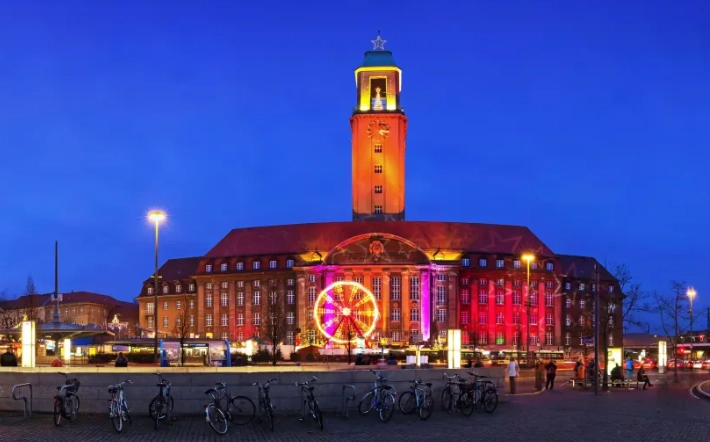
Getting Around & Timing
Use public transport (BVG). Parking near any major Berlin Christmas market is a nightmare. A day ticket for zones AB is your best friend. Go on a weekday if possible. If you must go on a weekend, aim for Saturday or Sunday morning right when they open (usually 11 AM or 12 PM). It's a completely different, more pleasant experience. Evenings, especially Friday and Saturday, are peak chaos.
Money & Costs
Bring cash (Bargeld). While some larger stalls are starting to accept cards, the vast majority are cash-only. ATMs near markets often have long lines and high fees. Get cash out beforehand. Budget more than you think. A Glühwein is €4-€6, a Bratwurst €5-€7, a souvenir mug €5. It adds up quickly. A fun afternoon for two can easily cost €50-€70.
What to Wear
This is not a fashion show. It's a standing-around-outdoors-in-potentially-freezing-weather show. Wear your warmest, most comfortable shoes with good grip (cobblestones can be slippery). Layers are key. Thermals, a warm sweater, a proper winter coat, scarf, hat, and gloves are non-negotiable. You'll be standing still a lot, which makes you colder than walking.
Frequently Asked Questions (The Real Ones People Have)
Let's tackle some specific worries and curiosities.
Wrapping It Up: Making Your Berlin Christmas Market Trip a Success
So, what's the final takeaway? The Berlin Christmas market scene is a beast of its own. It's not a single, quiet event. It's a vibrant, sprawling, sensory overload that defines the city's winter. To truly enjoy it, you need a plan, but also the flexibility to go with the flow. Pick two or three markets that sound interesting from the categories above. Dress like you're climbing a mountain. Bring cash. Go early. And don't feel pressured to do it all.
The magic isn't in ticking every market off a list. It's in the steam rising from your mug of Glühwein against the cold air. It's in the smell of cinnamon and pine. It's in finding that perfect, hand-carved ornament you didn't know you were looking for. It's in sharing a giant Reibekuchen with a friend while listening to a brass band play carols.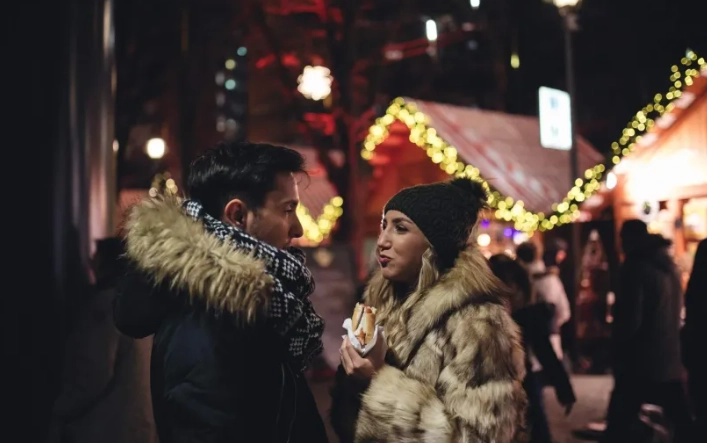
Do your research, but leave room for discovery. That's the spirit of Berlin, after all. Whether you're drawn to the grand spectacle of Alexanderplatz or the intimate romance of Charlottenburg, your adventure into the heart of a Berlin Christmas market is waiting. Just remember your warm socks.