You've seen the pictures. Massive tents, overflowing beer steins, people in lederhosen and dirndls laughing. The thought hits you: should I go to Oktoberfest? It's a bucket list item for many, but the reality involves crowded trains, eye-watering prices, and a logistical puzzle. I've been multiple times, both as a wide-eyed first-timer and later, as someone seeking a different side of Munich in September. Let's cut through the hype.
The short answer is: Yes, it can be incredibly worth it, but not for everyone, and definitely not if you wing it. The value depends entirely on what you're looking for and how you plan.
What's Inside This Guide
- The Oktoberfest Experience: What You're Really Signing Up For
- The Real Cost of Oktoberfest: Breaking Down the Budget
- How to Actually Get a Seat in a Beer Tent?
- Smart Alternatives: Enjoying Munich Beyond the Main Tents
- Final Verdict: Who Should Go (And Who Should Skip It)
- Your Oktoberfest Questions, Answered
The Oktoberfest Experience: What You're Really Signing Up For
First, forget the quiet Bavarian beer garden vibe. The Theresienwiese (the festival grounds) is a massive, roaring carnival. It's part state fair, part concert, and part endurance test.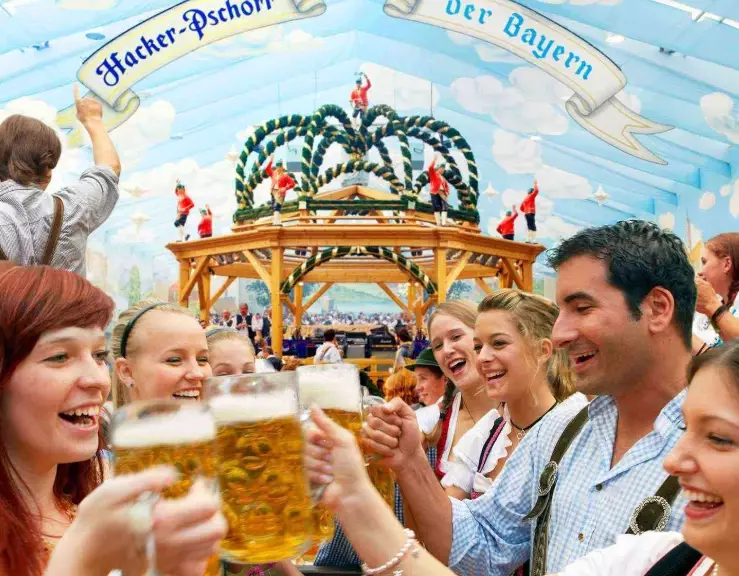
You have the big 14 tents, each with its own personality. The Hofbräu-Festzelt is the international party hub. Schottenhamel is where the festival officially kicks off. Augustiner-Festhalle is often cited as the favorite for "purer" local crowds and beer from wooden barrels. The atmosphere inside after 4 PM is electric—live oompah bands playing a mix of traditional tunes and rock anthems, thousands singing, long communal tables.
Then there's the midway with its famous rides. The Olympia Looping rollercoaster is a beast. The food stalls sell giant pretzels, roasted chicken (Hendl), pork knuckles, and gingerbread hearts.
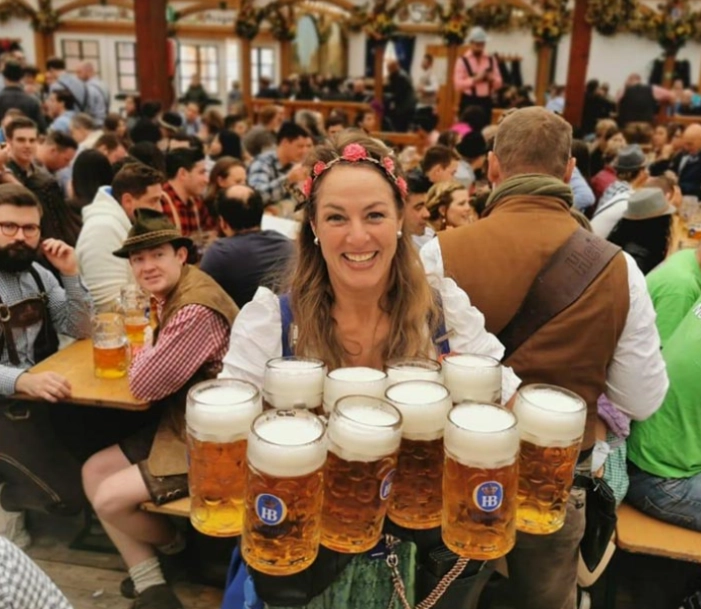
Here's the non-consensus part most blogs don't stress enough: Oktoberfest is not a "drinking festival." It's a folk festival where drinking is a central activity. The focus is on community, celebration, and tradition. If you're just there to get drunk, you'll stick out, spend a fortune, and likely have a bad time. The security and staff have zero tolerance for overly intoxicated guests.
The Real Cost of Oktoberfest: Breaking Down the Budget
Let's talk numbers, because this is where the sticker shock happens. Oktoberfest is Munich's most expensive time of year.
| Item | Approximate Cost (2024 Estimates) | Notes |
|---|---|---|
| 1 Liter Beer (Mass) | €14 - €15 | Price is set per tent. You pay a deposit (Pfand) for the mug, usually €2-€3. |
| Half a Roasted Chicken (Hendl) | €15 - €18 | The classic meal. Big and shareable. |
| Giant Pretzel | €5 - €7 | A must-have snack. |
| Hotel Room (per night) | €250 - €500+ | Prices can triple. Book 6-12 months ahead. |
| Airbnb/Apartment | €150 - €400+ | Often a better value for groups, but also booked early. |
| Tent Reservation (per seat) | €50 - €100+ | Not for beer, but to guarantee a seat. Often includes a food/drink voucher. |
| Public Transport Day Pass | €8.80 (Inner District) | Essential. The U-Bahn to Theresienwiese is packed. |
A moderate day for two people (a couple of beers, shared food, transport) can easily hit €150-€200 without even considering accommodation. That's before any souvenirs or rides.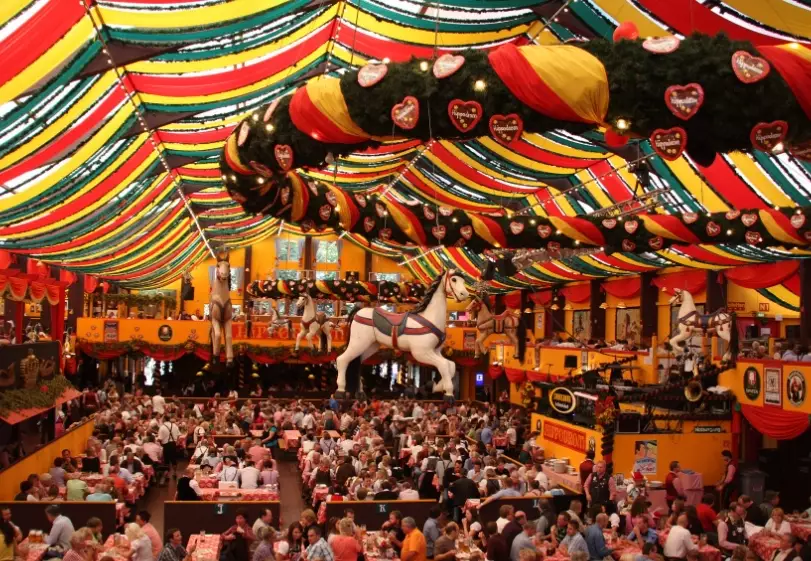
The biggest budget killer? Last-minute planning. I made that mistake once and ended up in a hotel 45 minutes outside the city, adding commute time and cost.
How to Actually Get a Seat in a Beer Tent?
This is the single biggest point of failure for visitors. You cannot just walk into a major tent after about 3 PM and find a seat. It's impossible.
Option 1: The Reservation Route (For Groups)
Tents release tables for reservation around March-April. You typically need a group of 8-10 people, and you're reserving the whole table. You'll pay a per-person fee (€50-€100) that usually includes a voucher for your first beer and a meal. This is the only surefire way to have an evening seat. Companies like the official Munich tourism site sometimes have info, but often you need to contact the tents or breweries directly.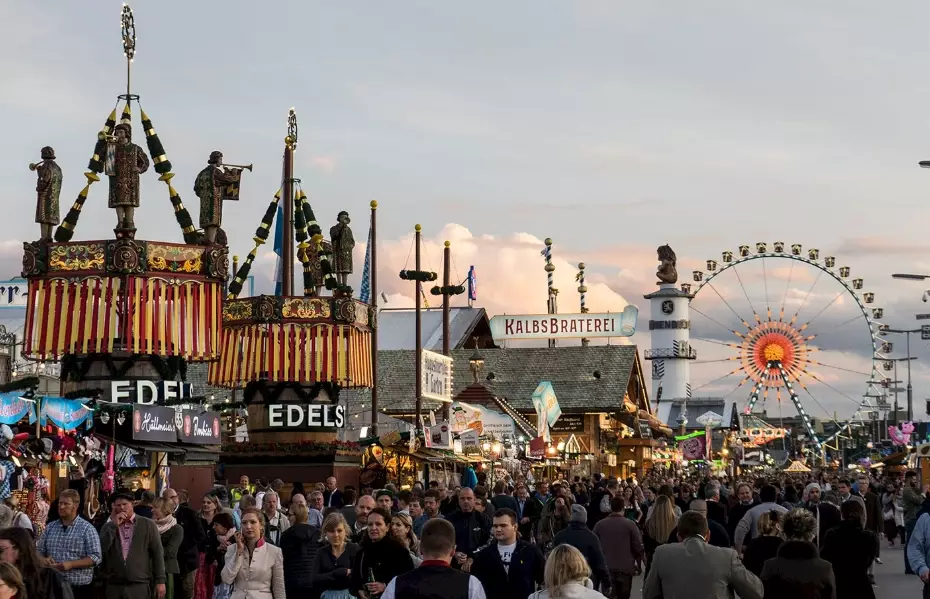
Option 2: The Early Bird Tactic (For Small Groups/Couples)
Go on a weekday (Tuesday-Thursday). Be at the tent entrance by 10 AM, or even 9:30 AM. When the tents open at 10 AM (9 AM on weekends), walk in calmly and claim seats at a Stammtisch (communal table). You can hold them for your group. This works surprisingly well if you're disciplined.
Option 3: The Flexible Wanderer
Skip the big 14. Head to the Oide Wiesn (the "Old Oktoberfest") section. It has its own smaller, more traditional tents (like the Historische Wiesnzelt), historic rides, and a generally older, calmer crowd. Seats are easier to find, and beer is about €1-€2 cheaper. It's my personal favorite area.
Smart Alternatives: Enjoying Munich Beyond the Main Tents
Here's the secret: Munich itself in late September is glorious. The summer crowds are gone, the weather is crisp, and the trees are turning. You can have an amazing Bavarian experience without setting foot on the Theresienwiese.
The Beer Garden Life: The Chinese Tower in the English Garden is a year-round festival on its own. Hirschgarten is the largest in Europe. Augustiner-Keller near the Hauptbahnhof is classic. You get the same beer, similar food, a more relaxed vibe, and you can actually have a conversation.
Cultural Munich: The museums are empty. The Deutsches Museum is mind-bogglingly huge. The Pinakothek art galleries are world-class. Many have reduced or free entry on Sundays.
Day Trips: This is the perfect time. Rent a car or take a train. Neuschwanstein Castle is a 2-hour train ride. The Alps around Garmisch-Partenkirchen are breathtaking. The lakes like Starnberger See are serene.
You get the charm of Bavaria without the Oktoberfest price tag and chaos.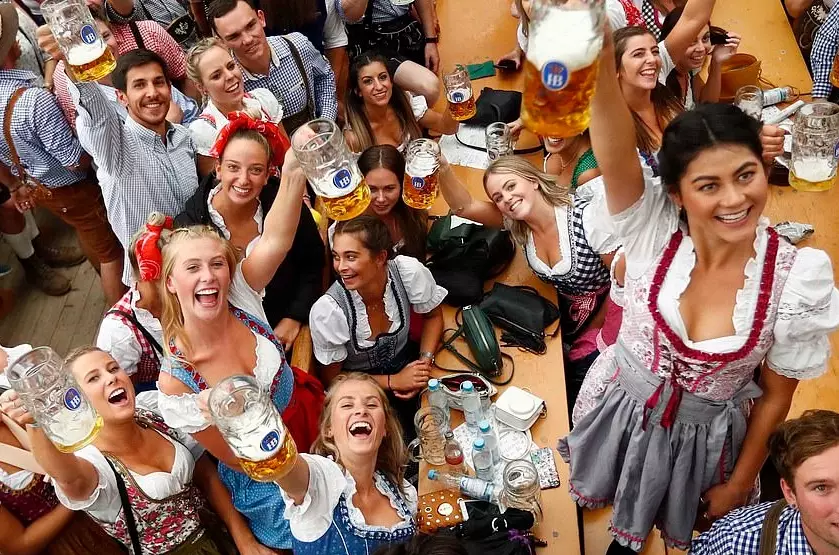
Final Verdict: Who Should Go (And Who Should Skip It)
Oktoberfest IS worth it if you:
- Are fascinated by German culture and tradition, not just the beer.
- Plan and book accommodation at least 6 months in advance. >
- Can visit on a weekday (Tuesday-Thursday).
- Have a decent budget and are okay with splurging on a unique experience.
- Enjoy big, energetic, communal celebrations.
- Are traveling with a group of friends you can reserve a table with.
You should probably SKIP Oktoberfest if you:
- Have a tight budget and are looking for a cheap European getaway.
- Strongly dislike crowds and noisy environments.
- Are planning a last-minute trip (within 3 months).
- Primarily want a romantic, quiet couples' vacation.
- See it purely as a "drinking holiday."
My personal take? I'm glad I experienced the full Oktoberfest madness once. It was unforgettable. But my subsequent, more enjoyable trips involved enjoying the festival atmosphere for an afternoon in the Oide Wiesn, then spending the rest of my time exploring the incredible city and region it calls home.