Guide Highlights
- The Contenders: A Quick Look at the Top Tier
- Diving Deeper: What Makes Each Market Special
- Beyond the Big Names: Other Gems to Consider
- How to Actually Choose: It's All About Your Priorities
- The Practical Stuff: Your Survival Guide
- Common Questions (Stuff You Really Want to Know)
- Final Thoughts: So, What's the Verdict?
Let's be honest right from the start. Asking which is the best Christmas market in Germany is a bit like asking which is the best flavor of ice cream. You're going to get a dozen different answers, and they all have a point. I've spent more winters than I care to count hopping on trains and wandering through the wooden huts, mug of Glühwein in hand, trying to find my own answer. There isn't one single "best"—but there are definitely some that are head and shoulders above the rest, depending on what you're looking for.
Some folks want the ultimate fairy-tale postcard scene. Others are in it for the history, the food, or just the sheer, overwhelming spectacle of it all. Your "best" will depend on whether you're a first-timer wanting the iconic experience, a repeat visitor looking for something new, or a family trying to keep everyone happy.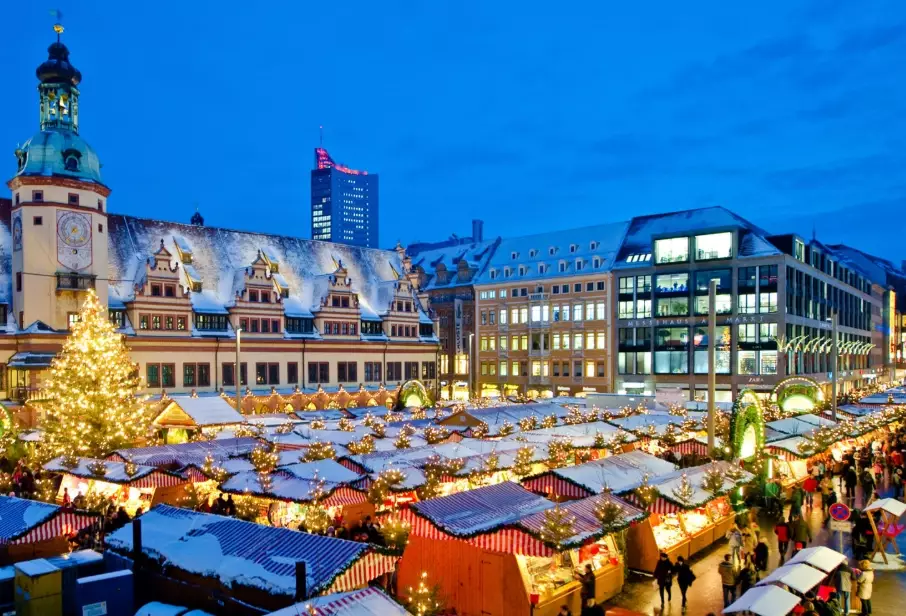
The truth is, the magic of a German Christmas market isn't just in one place. It's in the smell of roasted almonds, the sound of brass bands playing carols, the chill in the air, and the warm glow of a thousand lights. But to help you decide, let's break down the heavy hitters.
The Contenders: A Quick Look at the Top Tier
Before we dive deep, here's a snapshot of the markets that consistently top the lists and why. This isn't just my opinion; it's what you'll hear from seasoned travelers and locals alike.
| Market | City | The Vibe | Best For | A Potential Downside |
|---|---|---|---|---|
| Christkindlesmarkt | Nuremberg | The iconic, traditional heavyweight. The "original" for many. | First-timers, families, traditional crafts (like the famous *Zwetschgenmännle* prune figures). | It can feel incredibly crowded and commercial. |
| Striezelmarkt | Dresden | The oldest (since 1434!). Historic, elegant, with a focus on craftsmanship. | History buffs, lovers of high-quality crafts and the famous *Dresden Christstollen* (fruit cake). | The main square can get packed; venture to the nearby medieval market for more space. |
| Cologne Cathedral Market | Cologne | Breathtaking backdrop. The cathedral looming overhead is pure drama. | An awe-inspiring setting, a vibrant city atmosphere with multiple markets to explore. | The sheer number of tourists can be overwhelming. |
| Reiterlesmarkt | Rothenburg ob der Tauber | A medieval walled town setting. Feels like stepping into a storybook. | A romantic, picturesque, and slightly quieter (but still popular) experience. | It's a smaller town, so accommodations book up extremely early. |
See? Already it's not simple. That cathedral backdrop in Cologne is hard to beat for wow factor. But the history in Dresden is palpable. And then there's Nuremberg, the one everyone knows.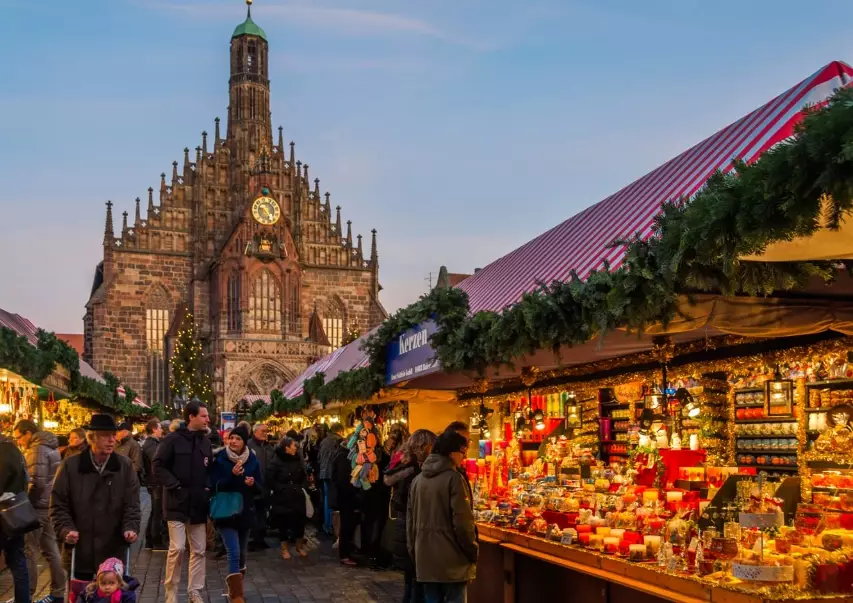
Diving Deeper: What Makes Each Market Special
Okay, let's get into the nitty-gritty. If you're still wondering which is the best Christmas market in Germany for your specific trip, you need more than a table.
Nuremberg Christkindlesmarkt: The Famous One
This is the one your friends have probably posted pictures of. The main market in the Hauptmarkt square is a sea of red-and-white striped cloth roofs. It's organized, it's huge, and it's… well, it's a bit corporate-feeling at times. Don't get me wrong, it's beautiful. The opening ceremony with the Christkind (a local young woman elected to be the "Christmas Angel") reciting a prologue from the balcony of the Frauenkirche is a genuine highlight and gives you goosebumps.
The food is classic: Nuremberg Rostbratwurst (tiny, delicious sausages served in threes in a roll) and Lebkuchen (gingerbread) so good it's a protected regional specialty. The crafts are vetted for authenticity, which is great. But go on a weekday morning if you can. I made the mistake of going on a Saturday evening once and could barely move. The crowds are no joke.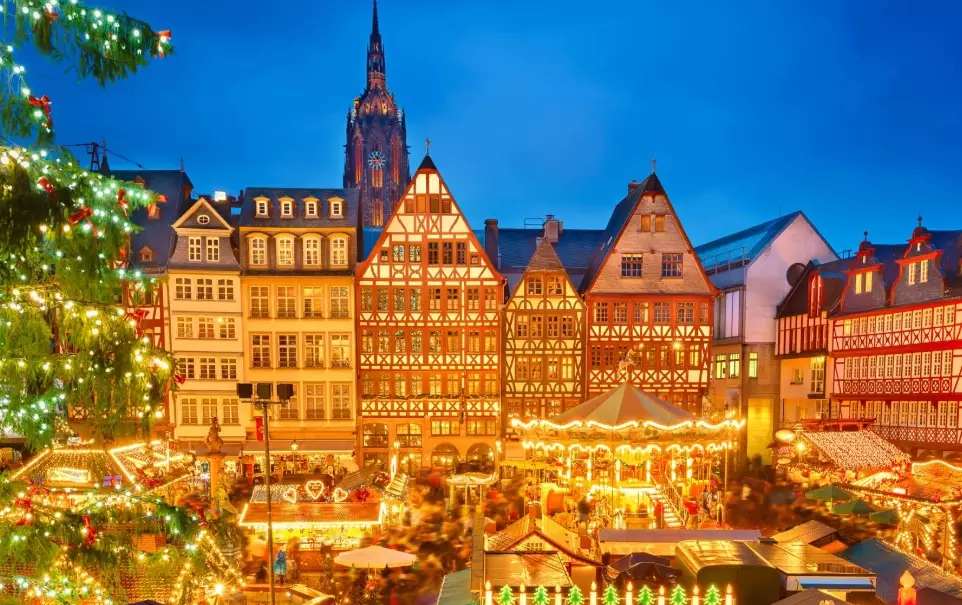
Local Tip: Escape the main square for the "Sister Cities" market nearby. It's smaller, has international stalls, and feels a tad more relaxed. Also, the market for children (Kinderweihnacht) is genuinely charming, with a carousel and a tiny train.
Dresden Striezelmarkt: The Historical One
Walking into Dresden's Striezelmarkt, you feel the weight of nearly 600 years. It's the oldest documented Christmas market in Germany. The centerpiece is a massive, step-pyramid-shaped wooden "Striezel" (named after the Christstollen cake) that's a marvel of craftsmanship. The atmosphere feels a touch more refined, a bit more East German elegance.
This is the place to buy serious Christmas decorations and watch artisans at work. The parade of miners and smelters from the Erzgebirge (Ore Mountains) region is a unique tradition you won't see elsewhere. And yes, you must try a slice of authentic Dresdner Christstollen here—it's buttery, fruity, and dusted with a mountain of powdered sugar. The official site of the Dresden Tourist Board has great details on the event schedule.
Cologne's Many Markets: The Spectacular One(s)
Cologne doesn't have just one market; it has several, each with a different theme. This is a huge plus if you get bored easily. The one at the foot of the cathedral is the star, for obvious reasons. Sipping mulled wine with that Gothic monster towering over you, lit up against the night sky, is unforgettable.
But then you have the "Heavenly" Angel's Market (Markt der Engel) in the Old Town, with its white and silver decor and floating angel figures. There's a rustic, medieval-themed market at the Alter Markt, and a surprisingly cool, nautical-themed one down at the Rhine harbor with an ice rink. You can make a whole day of market-hopping. The downside? The city is heaving with tourists, and the queues for the cathedral viewing platform are epic.
Rothenburg ob der Tauber Reiterlesmarkt: The Fairytale One
If your dream is a Christmas market inside a snow-globe, this is it. Rothenburg is a perfectly preserved medieval town with walls and towers. The Reiterlesmarkt in the main square feels intimate and magical. The quality of the goods is high, and the setting is unbeatable. It's smaller, so it can feel crowded quickly, but the ambiance is pure romance.
A huge bonus is the Käthe Wohlfahrt Christmas Village shop—a year-round Christmas wonderland that's an attraction in itself. Just remember, because it's a small town, hotels sell out months in advance. Plan early or consider staying in a nearby village.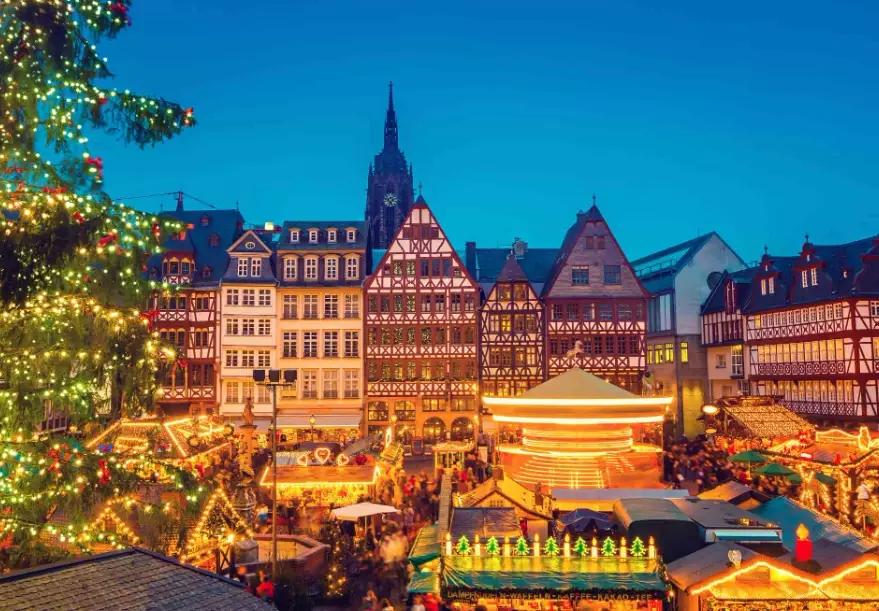
Beyond the Big Names: Other Gems to Consider
Sometimes, the answer to which is the best Christmas market in Germany isn't in the biggest cities. Here are a few that offer something special without the crushing crowds (well, fewer crushing crowds).
- Munich (Marienplatz): Traditional, Bavarian, and massive. The giant Christmas tree is real and stunning. The nearby Mittelaltermarkt (Medieval Market) at Wittelsbacherplatz is a fun, rowdy alternative with mead and fire-eaters.
- Berlin (Gendarmenmarkt): Often cited as one of Berlin's most beautiful squares, its Christmas market is more upscale and charges a small entrance fee (usually around €1-2). This filters the crowd a bit and funds higher-quality entertainment like acrobats and classical music. The food stalls are a cut above.
- Essen (Marktkirche): Hosted in the shadow of a modern cathedral, this market has a huge, intricately carved wooden merry-go-round that's a work of art. It feels very family-oriented and community-focused.
- Bad Wimpfen: This tiny town on the Neckar River has a market set on a medieval castle terrace. The views are incredible, and the atmosphere is wonderfully local and low-key. A true hidden gem.
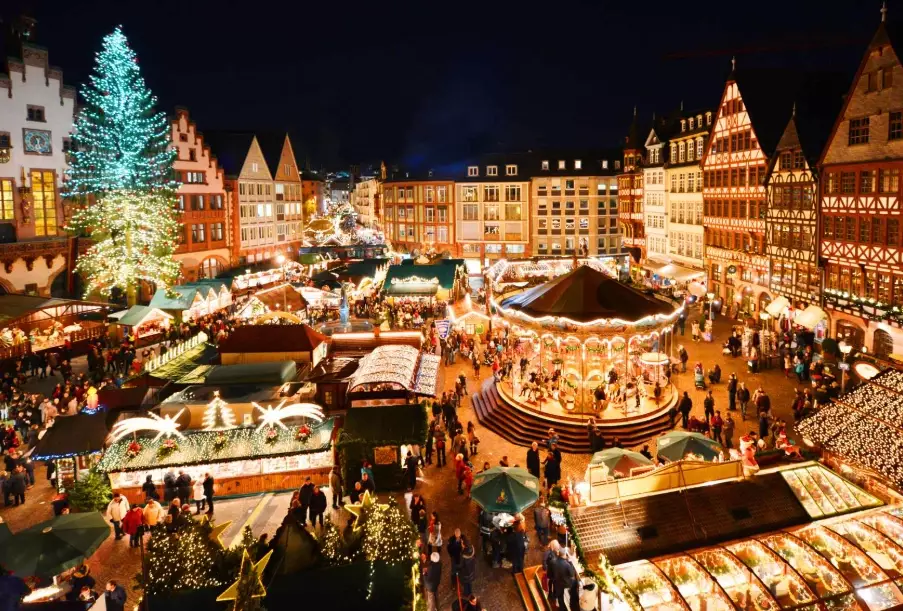
My Personal Dark Horse: The Christmas market in Monschau, in the Eifel region. The entire half-timbered town is draped in lights, nestled in a narrow valley with a river running through it. It's breathtakingly pretty and feels a world away from the urban hustle. It gets busy, but the setting is pure magic.
How to Actually Choose: It's All About Your Priorities
Instead of just listing places, let's talk about how to match a market to your travel style. This is where you really figure out which is the best Christmas market in Germany for you.
Are you a history nerd? Dresden and Rothenburg are your jam. The weight of tradition is tangible.
Are you traveling with young kids? Look for markets with dedicated children's areas. Nuremberg's Kinderweihnacht is fantastic, and many smaller town markets have lovely carousels and puppet shows that aren't as overwhelming.
Is food your primary motivator? You can't go wrong anywhere, but do your research. Stuttgart's market is famous for its culinary delights. Munich has the best Bavarian treats. Want something unusual? Seek out markets with regional specialties—like roasted chestnuts in certain areas or Flammkuchen (Alsatian pizza) in the southwest.
Do you hate crowds? Avoid big cities on weekends. Full stop. Aim for smaller towns like Monschau, Esslingen (which has a fantastic medieval market), or go to any major market on a Monday or Tuesday morning. The difference is night and day.
Are you on a tight budget? Some markets, like Berlin's Gendarmenmarkt, charge entry. Most are free. Your costs will be food, drinks, and souvenirs. Smaller town markets often have slightly lower prices for Glühwein and food.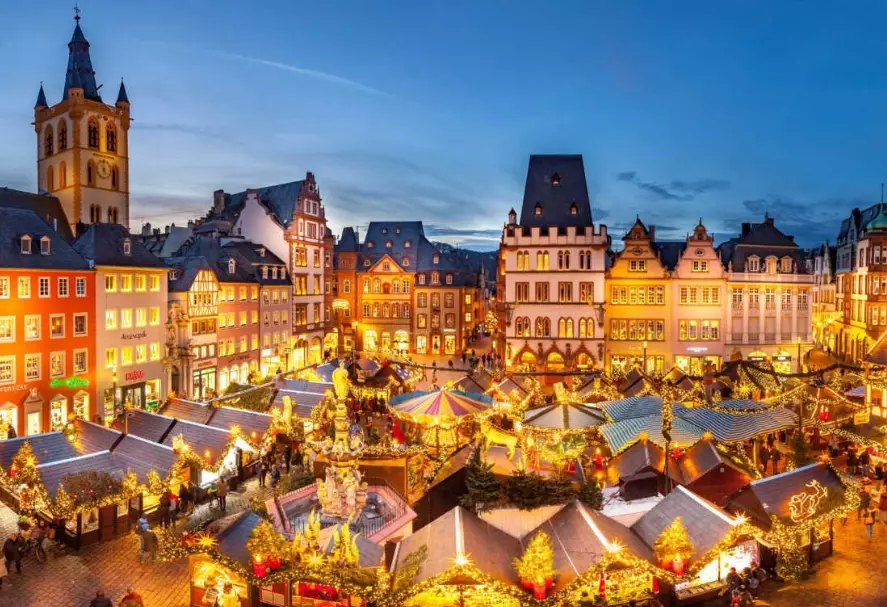
The Practical Stuff: Your Survival Guide
Knowing which market to pick is half the battle. The other half is knowing how to do it right. Here are the hard-earned lessons.
Money and the Glühwein Mug
At most markets, when you buy a mug of Glühwein (mulled wine) or other hot drink, you pay a deposit (Pfand) on the mug—usually €3-5. You can keep the mug as a souvenir, or return it to any stall from that same market to get your deposit back. It's a great system. Pro tip: If you want to collect mugs, check the design early in your visit, as they sometimes change mid-season!
Carry cash. While more stalls are taking cards now, especially in big cities, many smaller food and craft vendors are cash-only. ATMs near markets often have long lines.
What to Wear
This is not a fashion show; it's a survival exercise. You will be standing still outdoors for long periods. The cold seeps in. I cannot stress this enough: wear layers, thermal underwear, a hat, gloves, and the warmest, most waterproof boots you own. Concrete squares get icy. Good socks are worth their weight in gold. A reusable hand warmer is a game-changer.
Timing is Everything
Most markets run from late November until December 23rd or 24th. Some, like Nuremberg's, end on the 24th at 2 pm. The opening weeks (late Nov) and weekdays are less crowded. Evenings are magical but packed. My favorite time? Weekday late afternoon. You get the daylight, see the lights come on, and beat the worst of the dinner rush.
Check the official dates each year. Reliable sources like the German National Tourist Board provide excellent overviews and links.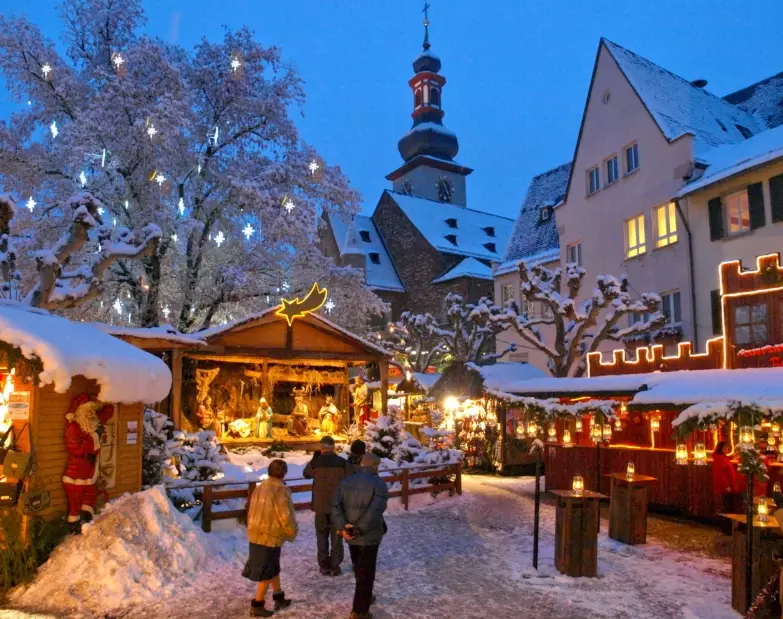
Common Questions (Stuff You Really Want to Know)
Final Thoughts: So, What's the Verdict?
Look, if you put a gun to my head and forced me to choose one… for a first-time visitor wanting the full, iconic, "this is what I pictured" experience, I'd reluctantly point you to Nuremberg. It's the textbook definition for a reason. Go on a weekday, manage your crowd expectations, and lean into the tradition.
For a more atmospheric, historically immersive experience, Dresden or Rothenburg are unparalleled.
For sheer spectacle and variety in a vibrant city, you can't beat Cologne.
But my honest advice? Don't get too hung up on finding the single best Christmas market in Germany. The joy is in the experience—the warmth of the drink in your hands, the sparkle in the cold air, the shared smiles with strangers under the twinkling lights. Pick one that speaks to your interests, plan well (wear the boots!), and you'll find your own magic. And maybe, like me, you'll just have to keep going back to try them all.
That's the real answer to which is the best Christmas market in Germany. The next one you visit.