Quick Guide
So, you’re staring at a menu or a shelf full of German beers, and you’re wondering… how strong is this thing going to be? It’s a fair question. That golden Helles looks innocent enough, but that dark Doppelbock seems like it might pack a punch. The truth is, the alcohol content in German beer isn't just a random number. It’s woven into the history, the style, and even the laws that define what German beer is. I remember grabbing a bottle of something called an "Eisbock" once, thinking it was just a winter lager. Let's just say I was very, very wrong, and my plans for the rest of that afternoon changed dramatically.
This isn’t about getting a buzz. It’s about understanding what you’re drinking. The alcohol by volume (ABV) tells you about the body, the flavor intensity, and even how the beer might pair with food. A 4.5% ABV Kölsch is a sessionable delight for a long evening, while a 7.5% ABV Doppelbock is a sipper, a dessert in a glass. Getting this wrong can lead to a disappointing experience—or an unexpectedly strong one.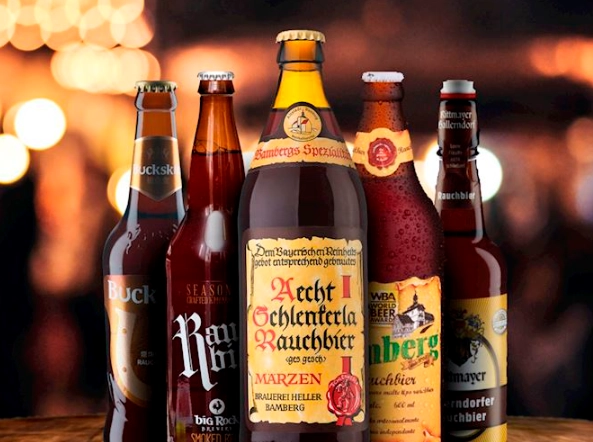
German Beer ABV by Style: Your Quick-Reference Chart
Alright, let's get to the meat of it. What can you actually expect? I've put together this table to cut through the noise. It covers the classic German styles you're most likely to encounter. Keep in mind, these are typical ranges. A craft brewery might push the boundaries a bit, but this is your solid baseline.
| Beer Style | Typical ABV Range | Character & Why the ABV Matters |
|---|---|---|
| German Pilsner (Pils) | 4.5% - 5.2% | Crisp, bitter, hoppy. This ABV gives it enough body to carry the hop bitterness without being heavy. The quintessential session beer. |
| Helles / Munich Lager | 4.5% - 5.5% | Malty, smooth, balanced. Slightly more malt-forward than a Pils, often with a touch more alcohol to round out the sweetness. |
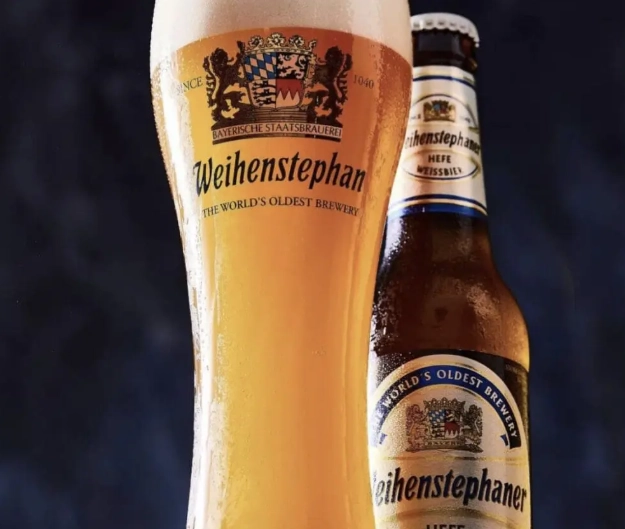
| Hefeweizen (Weißbier) | 4.5% - 5.6% | Banana, clove, creamy. The moderate ABV supports the explosive yeast flavors without overwhelming the palate. Dangerously drinkable. |
| Kölsch | 4.5% - 5.2% | Clear, crisp, subtly fruity. A hybrid ale-lager with a light body. The lower alcohol content is key to its refreshing, all-day character. |
| Altbier | 4.5% - 5.2% | Malty, nutty, clean bitterness. Similar strength to a Pils but with a richer, copper-colored malt profile. |
| Märzen / Oktoberfest | 5.5% - 6.2% | Toasty, bready, rich. The bump in ABV provides the necessary heft and warmth for the autumnal, malt-driven flavor. This is where you start to feel it. |
| Bock | 6.0% - 7.5% | Malty, robust, with hints of dark fruit. A classic strong lager. The higher German beer alcohol content is integral to the style, creating a warming, substantial brew. |
| Doppelbock | 7.0% - 12.0% | Very malty, sweet, intense. Often like liquid bread or chocolate. The high ABV can be surprisingly smooth, but it's absolutely a sipping beer. Don't chug this. |
| Eisbock | 9.0% - 15.0%+ | Extremely rich, concentrated, spirit-like. Made by freezing a Doppelbock and removing ice. The alcohol content is the star here—potent, complex, and a true specialty. |
See what I mean? From a 4.5% Kölsch to a 15% Eisbock, that's a massive spread. It's not just about light vs. dark, either. A dark Schwarzbier (black beer) is usually only around 4.5-5.5%, while a pale Bock can be over 7%.
What Actually Determines German Beer Alcohol Content?
It’s not magic. It’s mostly science and tradition. The ABV is a direct result of what goes into the brew and how it’s handled. If you understand these factors, you can look at a beer and make a pretty good guess about its strength.
The Big One: Original Gravity and Fermentable Sugars
This is the core of it all. Brewers measure the density of the sweet, unfermented liquid (wort) before yeast is added. This is the Original Gravity (OG). More malt and grain in the recipe means more sugars in the wort. Yeast eats these sugars and produces alcohol and CO2. Simple math: more food for yeast equals more alcohol. A Doppelbock has a huge OG because it uses a massive amount of malt. A Pilsner uses less, aiming for dryness and drinkability over brute strength.
It's fascinating how the Reinheitsgebot (German Beer Purity Law) plays into this. Since it traditionally limited ingredients to water, barley, hops, and yeast (with exceptions for styles like Hefeweizen), German brewers became masters of manipulating just these elements to create wildly different strengths and flavors. They couldn't just add sugar or syrup to boost ABV; they had to get it all from the grain.
The Yeast's Appetite (Attenuation)
Not all yeast strains are created equal. Some are lazy and conk out early, leaving behind a sweet, lower-alcohol beer with lots of residual sugar. Others are absolute workhorses, chewing through almost every last bit of sugar, resulting in a dry, crisp, and often higher-alcohol beer. Lager yeasts used for Pilsners and Bocks tend to be very efficient. The specific Hefeweizen yeast strain is chosen for its flavor profile, not necessarily for max alcohol, which is why it often lands in that comfortable middle range.
The Brewer's Choices: Time and Temperature
Fermentation control is huge. A longer, cooler fermentation (like for lagers) can be very clean and efficient. But sometimes, pushing the temperature or extending the fermentation can squeeze out a bit more alcohol or develop specific flavors that balance the strength. For those monster brews like Eisbock, the freezing process isn't about fermentation at all—it's a physical method of concentrating everything, including the alcohol, by removing water as ice.
Navigating the World of German Beer Strength
Okay, you've got the knowledge. How do you use it in the real world?
Decoding a German Beer Label
First, look for the “alc.” or “Vol.%” This is your ABV. It's legally required and your best friend. Next, the style name is a huge clue. If it says “Bock” or “Doppelbock,” expect strength. “Hell” or “Pils” suggests something milder. Sometimes you’ll see “Starkbier” (strong beer). That’s a dead giveaway. Also, check for the brewery's location. Franconian breweries, for instance, are famous for their incredibly rich, often stronger, cellar-aged lagers.
Matching Beer to the Occasion
This is where it gets practical. Are you at a beer garden on a sunny afternoon? Stick to the sub-5.5% ABV league: Helles, Pils, Hefeweizen, Radler (a shandy, often half beer/half lemonade). Having a hearty meal like roast pork or stew? The maltier, stronger beers like Märzen or a standard Bock (6-7.5%) can stand up to the food. That Doppelbock or Eisbock? That's for after dinner, by the fireplace, or when you want to seriously contemplate a beer. Treat it like a port or a cognac.
And please, for the love of all that is holy, serve them in the right glass. A massive, thin-walled Weizen glass for your Hefeweizen. A tall, slender Pilsner glass. A stemmed snifter for a Doppelbock. It affects the aroma and temperature, which completely changes your perception of the alcohol and flavor.
Your German Beer Alcohol Content Questions, Answered
Finding the right German beer alcohol content for you is a personal journey. It depends on the time of day, the food, the season, and your own mood. The brilliance of German brewing is that there’s a perfect strength and style for every single one of those moments. Don't be afraid to ask for recommendations at a good bottle shop or beer bar. Tell them what you usually like and what you're in the mood for. Half the fun is in the exploration.
So next time you pick up a German beer, give that ABV a glance. It’s not just a number—it’s a story about malt, tradition, and intention. It’s the first clue to the experience waiting for you inside the bottle. Prost!