Your Quick Travel Guide
Let's cut to the chase. If you're typing "what is the best month to travel to Germany" into Google, you're probably hoping for a simple answer. May? September? June? I wish I could give you one magic month and call it a day. But here's the thing – and any honest traveler who's been there will tell you this – the "best" month entirely depends on you. What you want to do, what you can stand (or not stand) weather-wise, your budget, and your tolerance for crowds.
I've made the mistake of going at the "perfect" time only to find it wasn't perfect for me. I remember one sweltering August in Berlin, thinking I'd enjoy long summer days, only to spend half my time seeking out air-conditioned cafes because my hostel fan was a sad, whirring excuse for a breeze machine.
So, instead of a single answer, I'm going to walk you through every season, every month even. We'll look at festivals, weather patterns (with real data from sources like the German Weather Service (DWD)), crowds, and costs. By the end, you'll know exactly which month is your best month to travel to Germany.
The Quick Answer (Before We Dive Deep): For most first-time visitors looking for a balance of good weather, long days, and major events, the shoulder months of May, June, and September are the perennial favorites. But stick around, because "most people" might not include you.
Germany's Seasons: A Personality Test for Your Trip
Think of Germany's seasons as different travel personalities. Which one are you?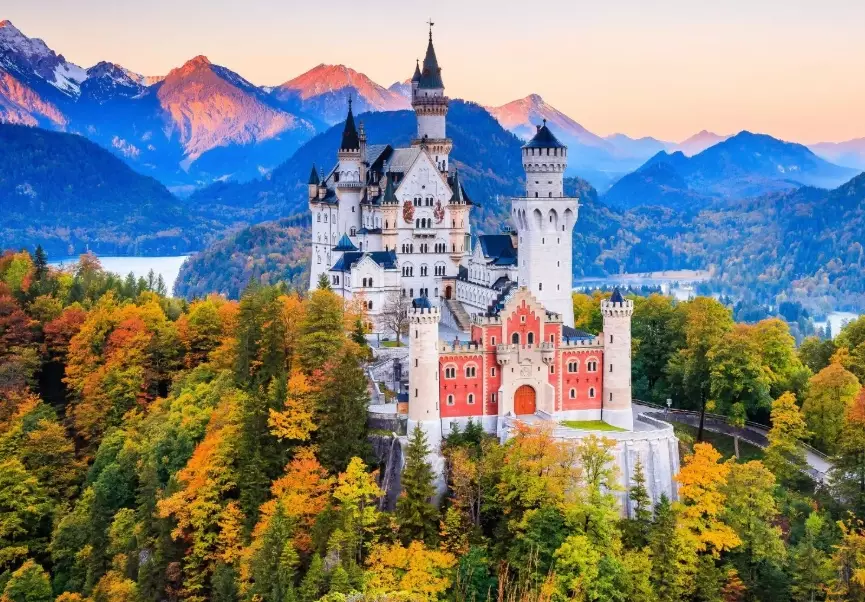
Spring (March - May): The Awakening
This is Germany shaking off the winter coat. Early spring can still be brisk, even chilly, with rain. But by late April and May, it's magical. The parks in cities like Munich and Hamburg explode with color. The famous cherry blossoms in Bonn's Heerstraße (usually peak in April) are a legitimate Instagram dream, but also a legitimate crowd magnet.
You get longer days, fewer tourists than summer, and a sense of freshness in the air. It's perfect for city exploring without sweating through your clothes. Easter markets pop up, offering a cozier, less intense version of the Christmas market experience.
Spring Travel: The Good & The Not-So-Good
The Upside: Rising temperatures, blooming landscapes, lower prices and crowds than peak summer, great for photography and outdoor cafes.
The Downside: Unpredictable weather (pack layers!), some outdoor attractions or beer gardens might not be fully operational until late April. Water in lakes and seas is still freezing.
Summer (June - August): The High-Energy Extrovert
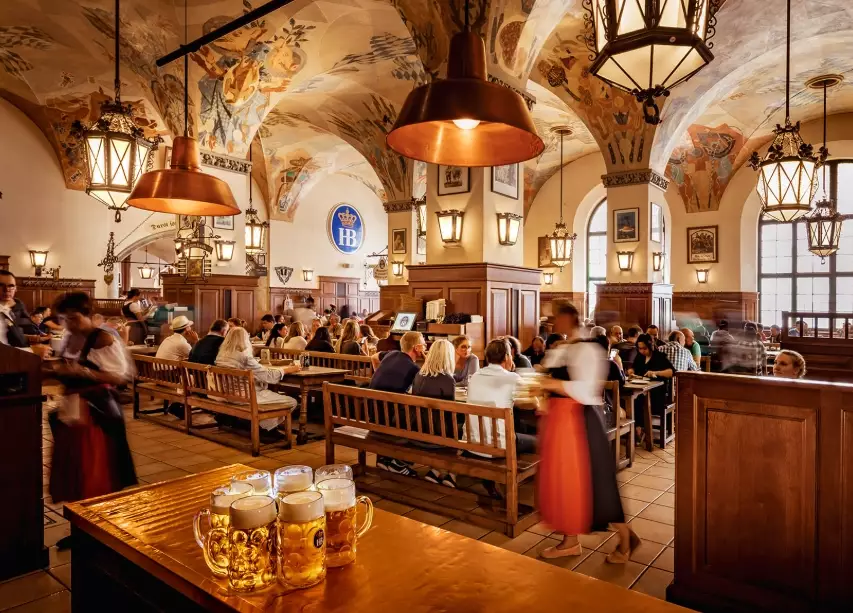
This is Germany in full swing. Everything is open, everyone is outside. Beer gardens are packed, festivals are in full roar, and daylight lasts until 10 PM. The weather is generally warm to hot, especially in recent years. It's ideal for hiking in the Black Forest, swimming in lakes like the Königssee, or cruising the Rhine.
But. And it's a big but. This is peak season. Everyone is asking what is the best month to travel to Germany and deciding on July or August. Flights and hotels are at their most expensive. Popular spots like Neuschwanstein Castle or the museums on Berlin's Museum Island have queues that can test your sanity. Major cities can feel overwhelmed.
I love the energy, but I also need a break from it. If you thrive on buzz and don't mind planning every detail in advance, summer could be your winner.
Autumn / Fall (September - November): The Sophisticated Charmer
My personal favorite. Early autumn, especially September, is golden. Literally. The weather is often still mild and stable – a period Germans call "Altweibersommer" (Indian summer). The vineyards along the Mosel and Rhine valleys turn fiery red and gold, and it's wine festival season. The crowds from summer have dissipated, prices start to drop, but the weather is still pleasant enough for almost everything.
October brings the world-famous Oktoberfest in Munich (actually ending in early October), which is a beast of its own. It's an incredible experience, but it defines the entire city for those weeks. Later in October and November, you get crisp air, foggy mornings in castles, and the lead-up to the Christmas markets. It's a photographer's paradise and a foodie's dream with seasonal game and mushroom dishes.
Thinking about what is the best month to travel to Germany for Oktoberfest? Be warned: it's not just a festival, it's a logistical marathon. Accommodation books out a year in advance and prices triple. It's fantastic, but it's a very specific type of trip.
Winter (December - February): The Cozy Storybook
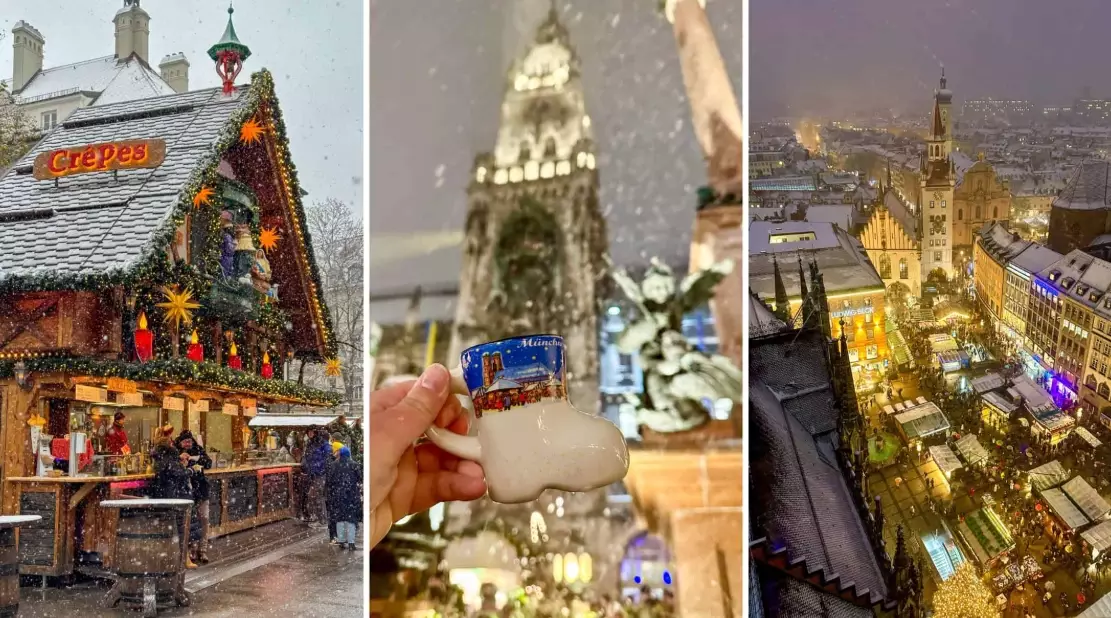
Germany in winter is the image on a Christmas mug. From late November, Christmas markets transform town squares into twinkling wonderlands. The smell of Glühwein (mulled wine) and roasted almonds is everywhere. It's magical, festive, and incredibly atmospheric.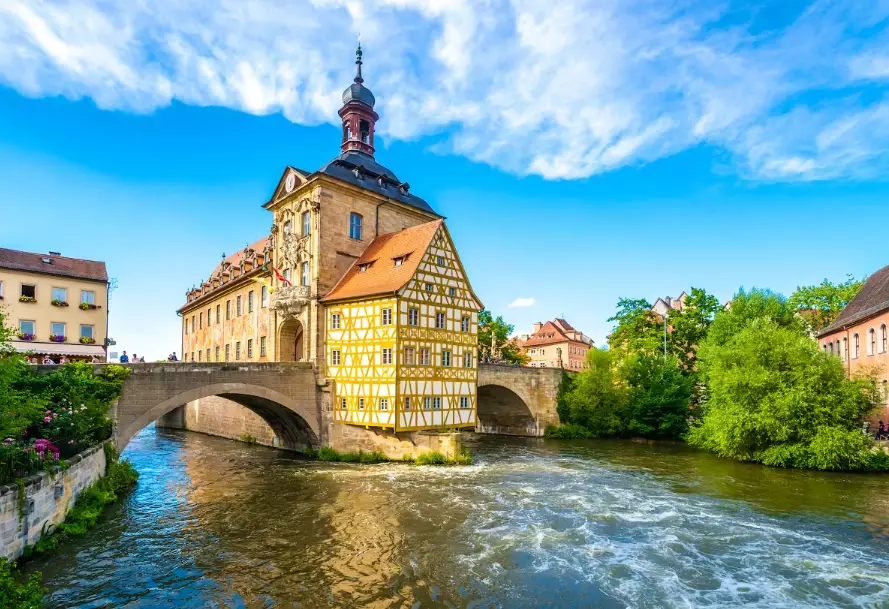
However, daylight is scarce (it gets dark around 4 PM), and the weather can be gloomy, wet, and cold. It's less ideal for extensive sightseeing unless you love museums and cozying up in cafes. But for a short city break focused on Christmas spirit, it's unbeatable. The ski resorts in the Bavarian Alps, like Garmisch-Partenkirchen, are also in full swing.
January and February are the true off-season. It's cold, often gray, but also the cheapest time to visit. You'll have museums almost to yourself. If you don't mind the cold and short days, it's a unique and budget-friendly perspective.
The Month-by-Month Breakdown: Your Detailed Cheat Sheet
Let's get granular. This table should be your go-to reference. I've pulled average temperature ranges from central Germany and crowd/price indicators based on general travel patterns.
| Month | Avg. Temp (High/Low) | Key Events & What's On | Crowd & Price Level | Best For... |
|---|---|---|---|---|
| January | 3°C / -2°C (37°F / 28°F) | New Year's Day, Winter sales, Ski season in Alps, Cultural museum time. | Low (Post-holiday slump) | Budget travel, Skiing, Museum lovers, City breaks without queues. |
| February | 5°C / -1°C (41°F / 30°F) | Fasching/Karneval (Carnival) in the Rhineland (e.g., Cologne, Mainz), Berlin International Film Festival, still great for skiing. | Low to Medium (Spikes during Carnival) | Experiencing crazy German Carnival, film buffs, last of the ski season. |
| March | 9°C / 1°C (48°F / 34°F) | Beginning of spring, Easter (variable dates), International Tourism Fair (ITB) in Berlin. | Medium (Building up) | Early spring blooms, fewer crowds than later months, Easter traditions. |
| April | 13°C / 4°C (55°F / 39°F) | Cherry blossoms in Bonn, Easter markets, Walpurgisnacht (April 30th), weather can be unpredictable. | Medium | Photography, garden visits, experiencing local spring festivals. |
| May | 18°C / 8°C (64°F / 46°F) | May Day (May 1st), Father's Day (Ascension Day - a big hiking/outing day), many public holidays, everything is green and blooming. | Medium to High | Top contender for "best all-rounder." Great weather, long days, festivals, nature. |
| June | 21°C / 11°C (70°F / 52°F) | Start of summer, Rhine in Flames festivals begin, open-air concerts and events everywhere, school not out yet in most places. | High | Hiking, outdoor activities, enjoying beer gardens before the peak July crush. |
| July | 24°C / 13°C (75°F / 55°F) | Peak summer, Kiel Week (sailing festival), many local town festivals (Schützenfeste), school holidays begin. | Very High | Beach time on northern coasts, lake swimming, major festivals, full-on summer energy. |
| August | 24°C / 13°C (75°F / 55°F) | Still peak summer, Wine festivals begin in some regions, summer holidays in full swing, can be hot. | Very High | Similar to July. Good for exploring the Baltic or North Sea coast. |
| September | 19°C / 10°C (66°F / 50°F) | Oktoberfest (late Sept-early Oct), start of wine harvest festivals, "Indian Summer," crowds begin to thin. | High (Spikes for Oktoberfest) | Another top contender. Ideal blend of good weather, key events, and easing crowds. |
| October | 14°C / 6°C (57°F / 43°F) | Oktoberfest ends early Oct, Frankfurt Book Fair, Cannstatter Volksfest (Stuttgart), autumn foliage peaks, Halloween. | Medium (High in Munich early month) | Wine lovers, autumn colors, festival-goers (non-Oktoberfest), cooler weather travel. |
| November | 8°C / 2°C (46°F / 36°F) | Foggy and damp, Christmas markets start opening in the last week, St. Martin's Day (lantern processions). | Low to Medium (Spikes late month) | Getting a head start on Christmas markets, moody photography, peaceful travel. |
| December | 4°C / 0°C (39°F / 32°F) | Christmas markets in full swing until Dec 23rd/24th, Advent Sundays, New Year's Eve (Silvester). | High (For markets) | The ultimate Christmas experience. Short days, but immense festive atmosphere. |
Temperature data is a general guide for central regions. Southern Germany (Bavaria) can be colder in winter, and the north can be windier and cooler in summer.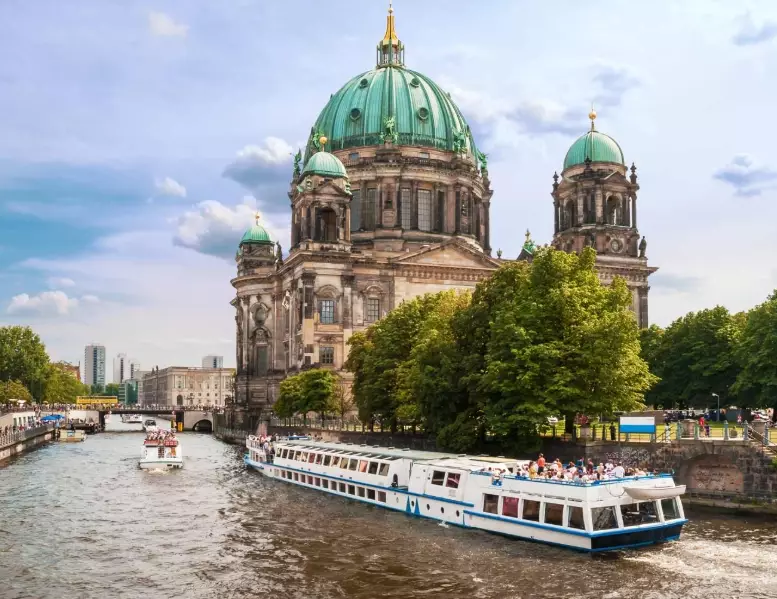
Answering Your Burning Questions (The FAQ You Actually Need)
Beyond just "what is the best month to travel to Germany," here are the nuanced questions real travelers have.
Hands down, January, February, and November (excluding the very end when markets open). These are the true off-season months. Flight deals pop up, and you can often find hotel rooms for half their summer price. The trade-off is weather and daylight, but if your goal is to see cities and museums on a shoestring, this is your window.
For high-altitude Alpine hiking, July and August are safest as most snow has melted. For general hiking in lower mountain ranges like the Harz or Black Forest, June and September are sublime – pleasant temperatures and fewer bugs. Late May can also work. Always check trail conditions, as the German Alpine Club (DAV) provides excellent resources.
This is the holy grail, right? Target the second half of September (after Oktoberfest's first weekend, if avoiding Munich) and early October. Also, late May (after the Ascension Day holiday cluster). These shoulder periods give you a fighting chance.
Not really a worst month, but there are mismatches. If you hate cold and gloom, January might depress you. If you despise crowds and heat, August in a major city might be your version of hell. It's about expectation management. Late November (after the leaves fall but before markets open) is often cited as the most dreary, but even then, you'll find cozy charm.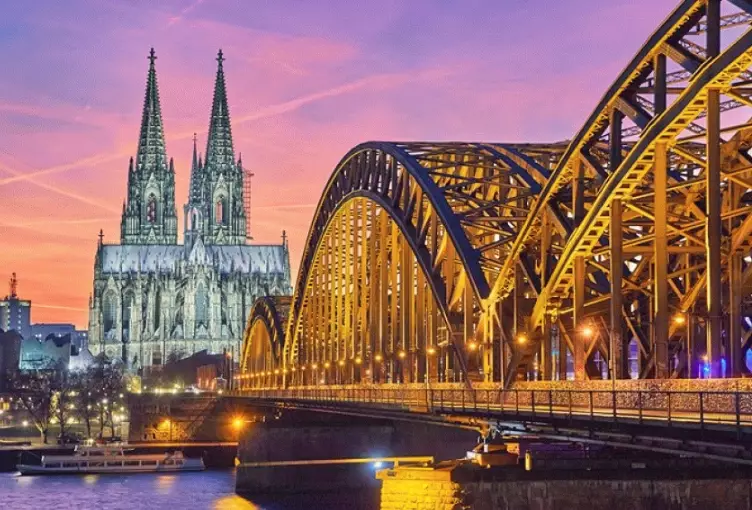
Local's Insight: Many Germans take their own vacations in July/August, so some smaller shops or restaurants in cities might be closed for a few weeks. In popular holiday regions like the Baltic Sea coast, it's the opposite – everything is open and buzzing.
Beyond the Calendar: Your Personal Travel Style Decoder
Let's make this personal. Answer these questions to find your match.
Your Months: February (Carnival), late Sept-early Oct (Oktoberfest), July (Kiel Week, various Volksfeste), December (Christmas Markets).
Your Months: April (cherry blossoms), October (autumn foliage), December (Christmas markets at blue hour), June (long golden evenings).
Your Months: September & October (wine harvest festivals, seasonal game), March-April (asparagus season - Spargelzeit is a national obsession), December (market treats).
Your Months: June or early September. You avoid the absolute peak summer heat/crowds of July/August but still get reliably good weather for parks, zoos, and outdoor fun. The long days help with pacing.
Your Months: November (pre-markets), January, February. You'll need a warm coat and good boots, but you'll have Neuschwanstein, Brandenburg Gate, and Cologne Cathedral viewing platforms almost to yourself.
The Final Verdict: Making Your Choice
After all this, if you're still pinning me down for a single answer to "what is the best month to travel to Germany," I'd point to September (outside of Munich's Oktoberfest dates) and May. They consistently deliver on the promise of good weather, vibrant atmosphere, and manageable tourism pressure.
But I hope you see now that the question is almost backwards. Don't ask what the best month is. Ask what the best month is for the trip you want to have. Do you dream of gliding down a ski slope with Alpine views? Then January is your best month. Do you fantasize about sipping new wine in a vineyard overlooking the Mosel? Then October is unbeatable.
Germany is a year-round destination with a distinct personality each season. There's no wrong time, only a wrong fit. Use the info here, be honest about your preferences (I hate being cold, so I rarely go in deep winter), and you'll find your perfect window.
Once you decide, book key things like flights and popular city hotels well in advance, especially for those peak and festival times. For train travel, the Deutsche Bahn website is essential, and look into discount cards for savings.
So, what's it going to be? The floral burst of spring, the energetic pulse of summer, the golden glow of autumn, or the cozy fairy tale of winter? Your best month in Germany is waiting.