Let's cut to the chase. The "perfect" number of days for Germany doesn't exist. I've planned trips for friends, family, and myself for over a decade, and the most common email I get starts with, "I have X days, what should I do?"
The answer isn't a number. It's a framework based on your travel style, interests, and—honestly—your tolerance for train stations and packing your suitcase.
Your Quick Guide to This Article
- The Short Answer: It Depends (But Here’s a Framework)
- The City Break: 3-5 Days (One Major Hub)
- The Classic First-Timer Route: 7-10 Days (Two Cities & a Taste)
- The Deep Dive: 14 Days (Regions & Immersion)
- Why Timing Matters as Much as Duration
- Practical Tips to Maximize Your Days
- Your Germany Trip Questions, Answered
The Short Answer: It Depends (But Here’s a Framework)
Stop looking for a magic formula. Instead, match your available days to these travel goals:
| You Have This Many Days | Realistic Focus | What You Can Genuinely Experience |
|---|---|---|
| 3-4 Days | One Major City | Deep dive into Berlin, Munich, or Hamburg. See top sights, get a local feel. |
| 5-7 Days | Two Cities or One Region | Berlin + Potsdam, Munich + Alps day trips, or a road trip like the Romantic Road. |
| 8-10 Days | The Classic Introduction | A logical circuit: Frankfurt (entry) → Rhine Valley → Munich (+Neuschwanstein) → Berlin. |
| 12-14+ Days | Regional Immersion | Combine distinct areas: Bavaria + Black Forest, or cities + a long hiking stint. |
The biggest mistake? Trying to mimic a 14-day itinerary in 7 days. You'll see train interiors, not Germany.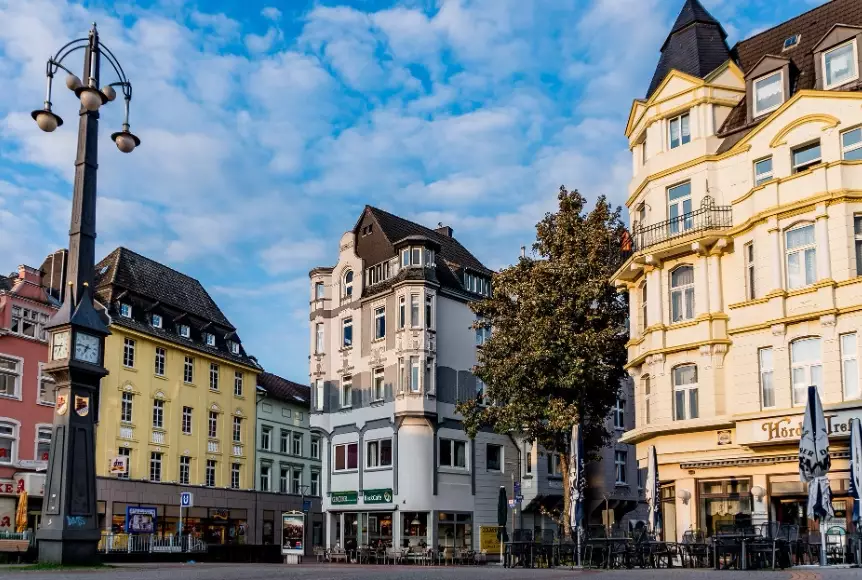
The City Break: 3-5 Days (One Major Hub)
This is for the traveler who prefers depth over breadth. You pick one city and own it.
Berlin in 4 Days: A Case Study
Day 1: Arrive, settle. Head to the Reichstag Building (book the free dome visit weeks in advance on the Bundestag website). Evening in Mitte.
Day 2: Museum Island. Pick two museums—the Pergamon and Neues are my picks. Walk to Alexanderplatz.
Day 3: Berlin Wall Memorial (Bernauer Strasse, free, more authentic than the East Side Gallery), then Checkpoint Charlie (just a photo op, honestly). Afternoon in Kreuzberg for street art and vibe.
Day 4: Charlottenburg Palace (€12, opens at 10 am) or a day trip to Potsdam (S-Bahn S7, 40 mins). Sanssouci Park is worth the journey.
Where to stay? Mitte for history, Prenzlauer Berg for chic cafes, Kreuzberg for nightlife. A decent hotel like the Motel One Berlin-Hackescher Markt runs about €100-€140/night.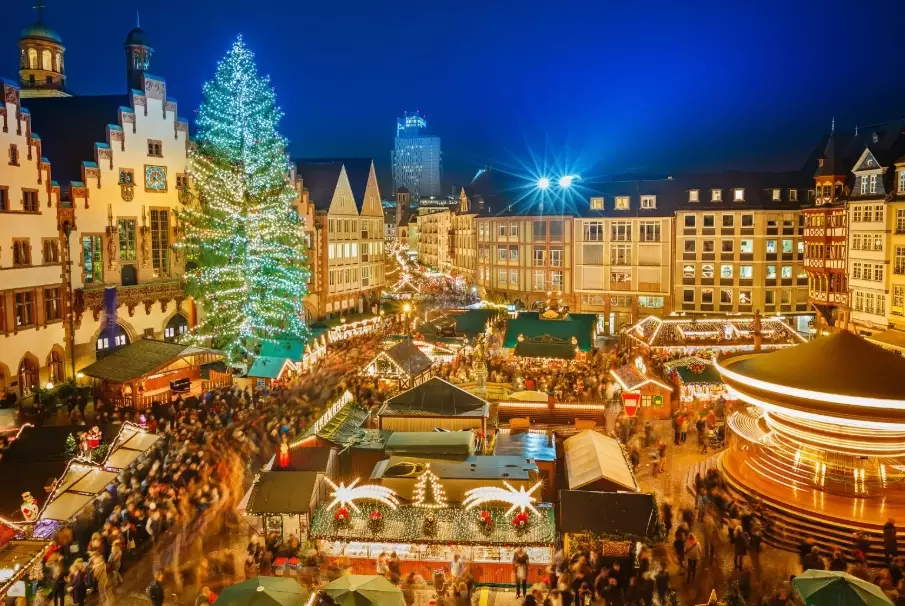
Munich in 4 Days: Another Angle
Swap history for alpine air and Baroque splendor.
Day 1: Marienplatz, Glockenspiel, Viktualienmarkt for lunch. Hofbräuhaus for the cliché, a beer garden like Augustiner-Keller for the real deal.
Day 2: Nymphenburg Palace (€8 summer, opens 9 am). Rent a bike and cycle the grounds.
Day 3: Day trip to Neuschwanstein. Book the train to Füssen (€30 round-trip, 2 hours) and castle entry tickets months ahead online. The view from Marienbrücke is the prize.
Day 4: Dachau Concentration Camp Memorial (S-Bahn S2, free entry, profound and somber) or the Deutsches Museum if you need a lighter day.
Accommodation near the Hauptbahnhof is convenient but bland. Look for places in Ludwigsvorstadt or near the Isar River.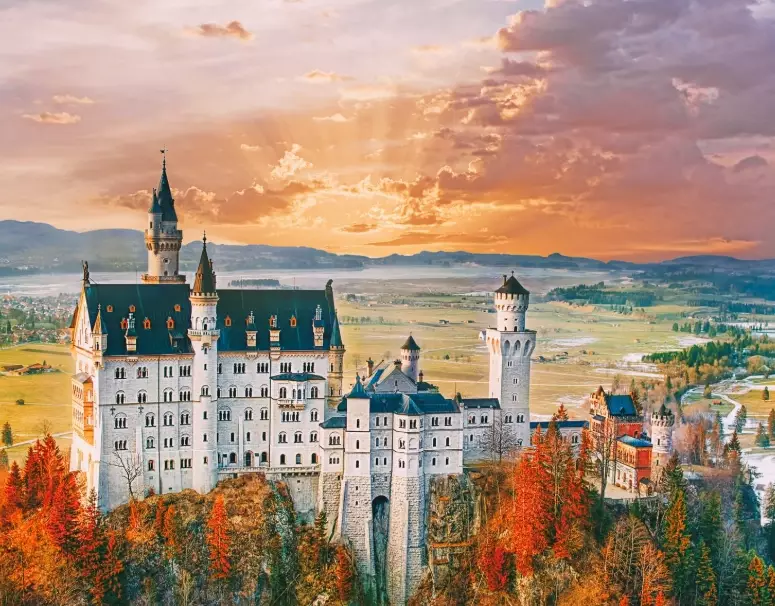
The Classic First-Timer Route: 7-10 Days (Two Cities & a Taste)
This is the sweet spot for a first visit. You get urban energy and a dash of fairy-tale scenery.
The 9-Day Germany Sampler:
Days 1-3: Berlin (as above).
Day 4: Morning train to Munich (ICE train, ~4 hours, book ahead). Afternoon exploring.
Days 5-6: Munich & Neuschwanstein day trip.
Day 7: Train from Munich to Rothenburg ob der Tauber (2.5 hours with a change). This is the Romantic Road's poster child. Stay within the medieval walls.
Day 8: Morning in Rothenburg (walk the walls, try a Schneeball pastry), afternoon train to Frankfurt (2.5 hours) for your departure flight.
Day 9: Fly home.
The Deep Dive: 14 Days (Regions & Immersion)
With two weeks, you can breathe. You can rent a car for part of it. You can get lost (pleasantly).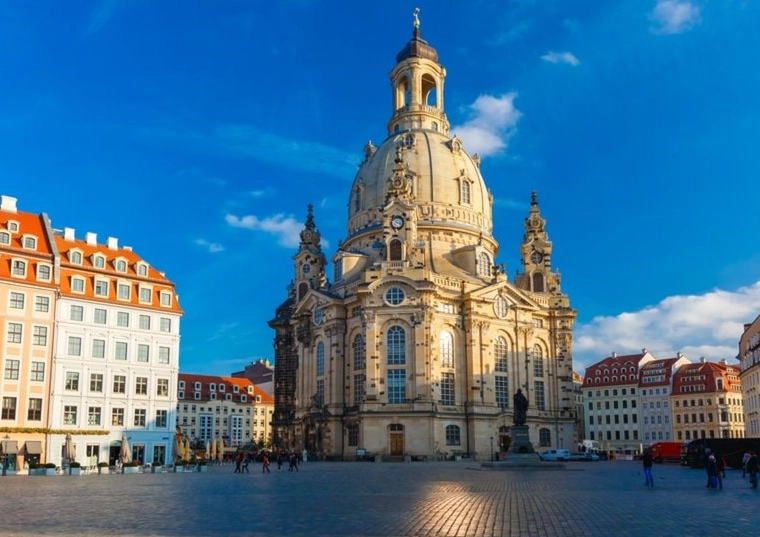
Option A: Bavaria & The Alps Intensively
Days 1-3: Munich.
Days 4-5: Berchtesgaden (train from Munich). Visit the Eagles Nest, cruise on Königssee lake.
Day 6: Pick up rental car. Drive the German Alpine Road towards Garmisch-Partenkirchen.
Days 7-8: Hike around Garmisch (Partnach Gorge, Zugspitze).
Day 9: Drive to Füssen for Neuschwanstein & Hohenschwangau.
Days 10-11: Drive to the Black Forest (long drive, ~4 hours). Base in Triberg.
Days 12-13: Explore Black Forest (cuckoo clocks, hiking, Schwarzwaldhochstrasse scenic drive).
Day 14: Drive to Frankfurt Airport (2.5 hours), drop car, depart.
Option B: Cities & The Romantic Road Slowly
This skips the Alps for medieval towns. Hamburg (2 days) → Berlin (4 days) → Train to Würzburg (start Romantic Road) → 3-day rental car drive south through Rothenburg, Dinkelsbühl, Nördlingen → Drop car in Augsburg → Train to Munich (3 days).
See the difference? One is nature-focused, the other culture-focused. Both are valid.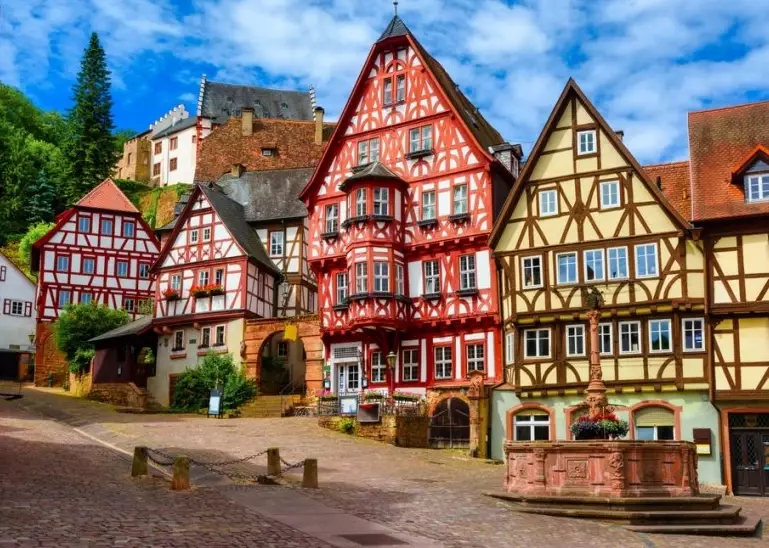
Why Timing Matters as Much as Duration
Seven days in December is a different trip from seven days in July.
Summer (June-Aug): Crowded, expensive, but perfect for long days, hiking, and outdoor beer gardens. Everything is open.
Shoulder Seasons (Apr-May, Sept-Oct): My personal favorite. Fewer crowds, mild weather. Oktoberfest (late Sept) books out a year in advance.
Winter (Nov-Feb): Short days, but magical for Christmas Markets (late Nov-Dec). Skiing in the Alps. Many castles close in January.
I planned a 5-day trip for a couple in early December focused solely on Nuremberg, Dresden, and Leipzig Christmas markets. They loved it. A 5-day summer trip with that itinerary would feel lacking.
Practical Tips to Maximize Your Days
A few things I've learned the hard way:
Base Yourself Smartly: Don't change hotels every night. For the Romantic Road, stay 2 nights in Rothenburg and do day trips. You'll see just as much without the packing fatigue.
Use Morning Hours: Major sights open at 9 or 10 am. Be there at opening. You'll have an hour of peace before the tour buses arrive.
Lunch is Your Friend: Many museums and attractions have on-site cafes that are less crowded at lunch. It's a good time to visit while others are eating.
Sunday Realities: In small towns and across Bavaria, most shops are closed. Museums and restaurants remain open. Plan accordingly—it's a great day for travel or hiking.