Your Berlin Journey at a Glance
- Getting Your Bearings: Berlin's Layout and Vibe
- The Absolute Non-Negotiables: Planning and Logistics
- Where to Lay Your Head: Neighborhoods and Accommodation
- Must-Sees vs. Local Secrets: Crafting Your Itinerary
- Eating and Drinking: Beyond Currywurst
- Navigating Culture, History, and Nightlife
- Day Trips: Escaping the Urban Jungle
- The Ultimate List of Practical Berlin Travel Tips
So you're thinking about going to Berlin. Good choice. It's messy, it's loud, it's complicated, and honestly, it's one of the most fascinating cities on the planet. But figuring it out can feel like trying to solve a puzzle where the pieces keep changing shape. I've lived here on and off for years, and I still get surprised. That's the point of this guide—to give you the kind of Berlin travel tips you won't find in a glossy brochure. The practical, sometimes gritty, always honest advice that helps you move from being a confused tourist to someone who can navigate the city with a bit of swagger.
Forget the cookie-cutter itineraries for a second. We're going to talk about how the city actually works. How to get around without wanting to throw your phone, where to stay that won't break the bank or your spirit, and how to experience the Berlin that exists between the lines of the guidebooks.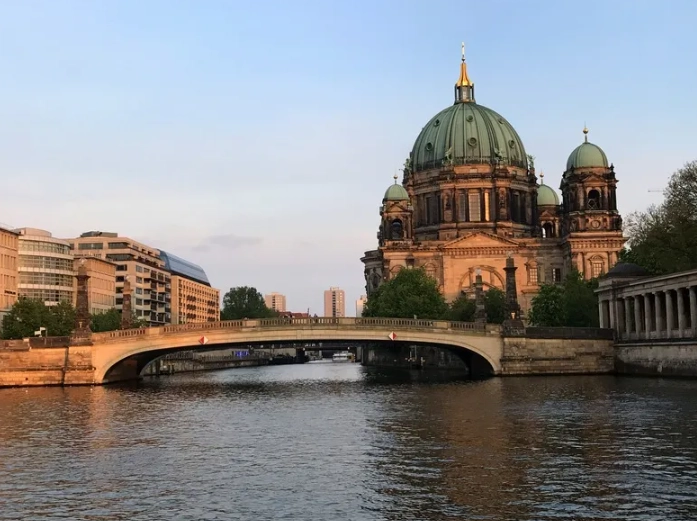
Getting Your Bearings: Berlin's Layout and Vibe
First things first, Berlin isn't a monolith. It's a collection of towns (formerly literal villages) that got swallowed up by a giant city. Each neighborhood, or *Kiez*, has its own distinct personality. This is the most important of all Berlin travel tips: pick the right area for you, and half your trip is already a success.
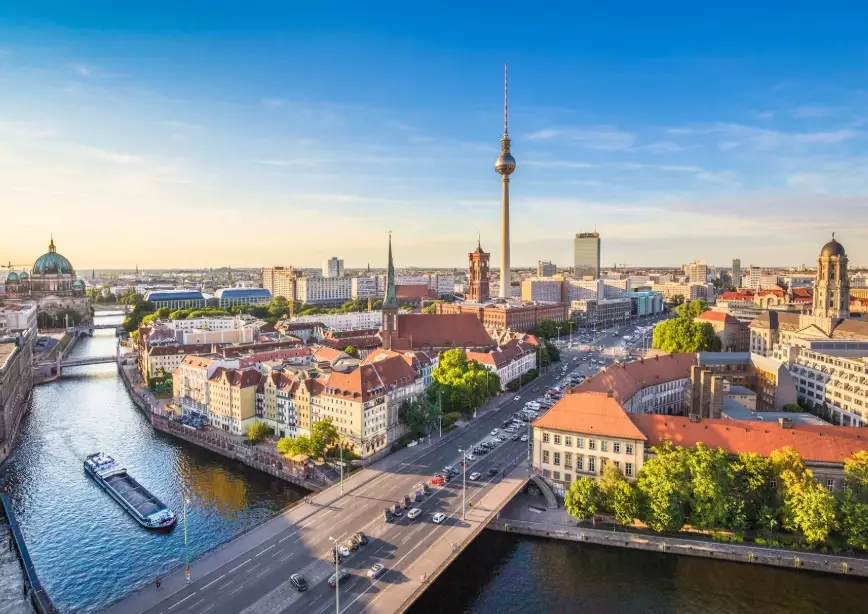
Mitte is the historic center. You've got the Brandenburg Gate, Museum Island, the Reichstag. It's impressive, it's packed, and it can feel a bit... sterile after a while. Great for a day of sightseeing, but staying there? It's expensive and lacks the local heartbeat.
Then you cross into the former East, into areas like Friedrichshain and Prenzlauer Berg. Friedrichshain is gritty, creative, and home to the raw nightlife along the Spree and the famous East Side Gallery. Prenzlauer Berg is its more polished, gentrified sibling—think organic markets, strollers, and beautiful Altbau (old building) apartments. It's lovely but can feel a bit too perfect.
Head west to Charlottenburg for a more elegant, pre-war Berlin feel. And then there's Kreuzberg and Neukölln. Ah, Kreuzberg. The legendary heart of counter-culture, Turkish community, and restless energy. It's chaotic and alive. Neukölln, its neighbor, is where a lot of that energy has spilled over—it's arguably the current epicenter of underground art, cheap eats, and a fascinating mix of cultures.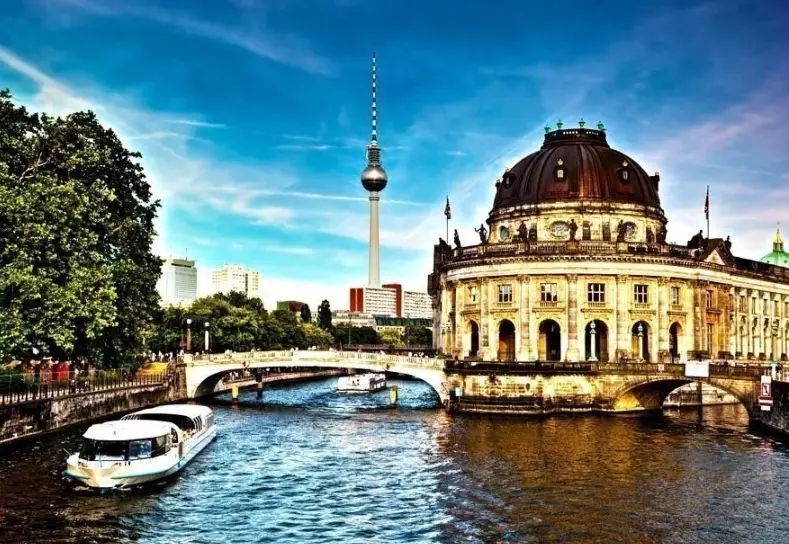
The Absolute Non-Negotiables: Planning and Logistics
Let's get the boring-but-critical stuff out of the way. These Berlin travel tips will save you headaches.
Money: Cash is (Still) King
This one surprises a lot of people from card-heavy countries. Yes, you can use cards in big stores, hotels, and some restaurants. But walk into a small bakery, a Döner shop, a market stall, or many bars, and you'll see a sign that says "Nur Bargeld" (Cash Only). It's not a suggestion. I've watched too many tourists get embarrassed at the register. Always have a stash of Euros on you. ATMs (called *Geldautomat*) are everywhere, but watch out for the ones run by private companies in tourist zones—they have outrageous fees. Use the ones attached to actual banks like Deutsche Bank, Sparkasse, or Commerzbank.
The Transport System: Your New Best Friend (Once You Understand It)
Berlin's public transport (BVG) is excellent, comprehensive, and initially confusing. It includes U-Bahn (subway), S-Bahn (overground city trains), trams (mostly in the east), and buses. The golden rule: they all run on the same ticket. You don't need a separate ticket for different modes.
You need to know the zones. Berlin is divided into zones A, B, and C. For 99% of tourists, an AB ticket covers everything within the city proper, including the airport BER (Brandenburg). Zone C gets you out to Potsdam or the Sachsenhausen memorial. Buy tickets from the red/grey machines at stations (they have English menus) or use the BVG app. You must validate your paper ticket by stamping it in the small, red or yellow boxes on the platform before you get on. An unstamped ticket is an invalid ticket. Plain and simple. Inspections are common, and the fine is steep (€60).
For a stay of a few days, the Berlin WelcomeCard can be a good deal. It combines unlimited transport in your chosen zones with discounts (sometimes up to 50%) at many museums, attractions, and tours. Do the math based on your plans. If you just want transport, the standard day ticket (*Tageskarte*) or the cheaper 4-trip ticket (*4-Fahrten-Karte*) might suffice.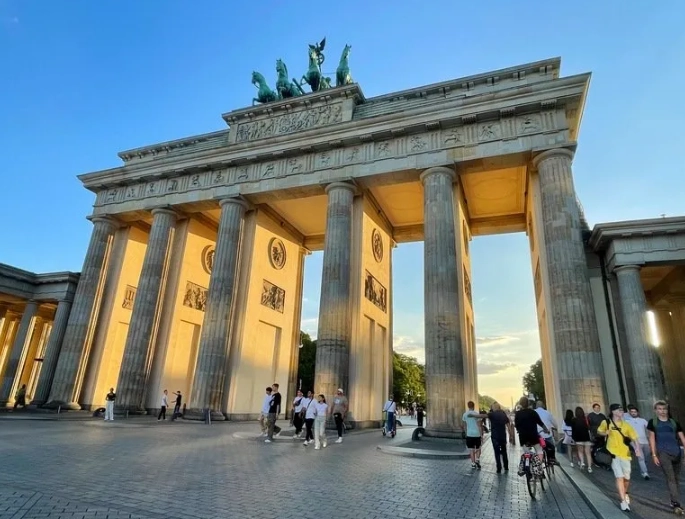
Where to Lay Your Head: Neighborhoods and Accommodation
Choosing where to stay is a strategic decision in Berlin. Location dictates your experience. Here’s a brutally honest breakdown.
| Neighborhood | Best For | Vibe & Notes | Budget Indicator |
|---|---|---|---|
| Kreuzberg | Nightlife, street food, alternative culture, people-watching. | Energetic, gritty, never sleeps. Can be noisy. Great for hostels and unique apartments. | Mid-range to Budget |
| Friedrichshain | Clubbing (near Berghain/Ravers), young travelers, East Side Gallery. | Similar to Kreuzberg but with a more Eastern European/student feel. Slightly more spread out. | Mid-range to Budget |
| Prenzlauer Berg | Families, cafes, boutique shopping, a quieter(ish) vibe. | Beautiful, gentrified, packed with great restaurants. Less intense nightlife. | Mid-range to High |
| Neukölln | Foodies, artists, off-the-beaten-path exploration. | The current "it" spot for creatives. Incredibly diverse, less polished, fantastic value. | Budget |
| Mitte | First-time sightseers who want to be steps from major monuments. | Convenient but expensive. Lacks local character. Feels more "corporate" after hours. | High |
| Charlottenburg | Luxury, classic Berlin elegance, high-end shopping. | West Berlin grandeur. Quieter, more formal. Far from the alternative action. | High |
My personal preference? I always lean towards an apartment rental in Neukölln or southern Kreuzberg. You get more space, a kitchen to make coffee in the morning, and you're immediately immersed in local life. Hotels in Mitte can make you feel insulated from the real city.
Must-Sees vs. Local Secrets: Crafting Your Itinerary
You can't come to Berlin and not see some of the big hitters. But the magic is in the balance.
The Iconic Sights (Worth It)
- The Reichstag Dome: Book your free visit to the dome and rooftop weeks in advance online on the Bundestag's official website. The audio guide is fantastic, and the views are unbeatable. A top Berlin travel tip: do this at sunset.
- Memorial to the Murdered Jews of Europe (Holocaust Memorial): Go. Just go. Walk through the undulating field of stelae. It's a powerful, unsettling, and essential experience. The underground information center is equally moving.
- Museum Island: A UNESCO site. The Pergamonmuseum is partially closed for renovation (a huge bummer), but the Neues Museum with Nefertiti's bust and the Altes Nationalgalerie are stunning. Buy a day pass for the island if you plan to visit more than two.
- East Side Gallery: The longest remaining stretch of the Berlin Wall, now an open-air gallery. It's touristy, but it's history. Go early in the morning to avoid the crowds.
The Local Favorites (Where Berliners Go)
- Tempelhofer Feld: A decommissioned airport turned into a massive public park. People BBQ, windsurf on skateboards, garden in community plots, and watch the sunset on the old runways. It's the ultimate Berlin space. Bring a beer and a friend.
- Markthalle Neun (Kreuzberg): A historic market hall. Go on a Thursday evening for "Street Food Thursday," a weekly festival of incredible global food stalls. It's packed, loud, and delicious.
- Teufelsberg (Devil's Mountain): A hill made of WWII rubble in the Grunewald forest, topped with an abandoned American listening station from the Cold War. You can take a guided tour of the graffiti-covered domes. The hike up and the views are phenomenal.
- Badeschiff: A swimming pool floating in the Spree river, right by the Oberbaumbrücke. In summer, it's the perfect place to cool off with a killer view of the city. Adjacent is a sandy beach bar. Pure Berlin.
Eating and Drinking: Beyond Currywurst
Yes, try Currywurst. It's a fried sausage with curry ketchup and curry powder. It's fine. But Berlin's food scene is so much more.
The Holy Trinity of Berlin Fast Food:
- Döner Kebab: Not just a drunk food. It's a cultural icon. The best ones are in Kreuzberg/Neukölln. Mustafa's is famous (and has eternal lines), but I prefer Rüyam Gemüse Kebab on Hasenheide. Look for places that slice the meat from a vertical spit and pile on fresh veggies and sauces.
- Falafel: Thanks to the large Lebanese and Syrian communities, Berlin has world-class falafel. Dada Falafel in Prenzlauer Berg or Habibi in Neukölln are institutions.
- Vietnamese Food: Another legacy of the Cold War era. The area around Mitte's Rosenthaler Platz is dubbed "Little Hanoi." For amazing Pho, try Monsieur Vuong (busy, but good).
For a proper sit-down meal, you're spoiled for choice. Berlin is a haven for modern German cuisine that's not all meat and potatoes. Look for restaurants focusing on seasonal, local produce (*regional und saisonal*). And don't forget breakfast/brunch—it's a serious weekend ritual here. Cafes are packed from 10 am onwards with people lingering over eggs, pastries, and coffee.
Drinking? Beer is cheap. A half-liter (*eine Halbe*) of a local pilsner like Berliner Pilsner or a pale ale from one of the many craft breweries will cost you €3-€4 in a bar. In a Späti (see below), it's even less. Wine bars are also huge. But the real Berlin travel tip for drinks is about the Spätkauf (or Späti).
These are late-night convenience kiosks, open until the early hours. They are social hubs. Grabbing a cheap beer from a Späti and drinking it outside on the sidewalk with friends is a fundamental Berlin activity. It's legal, it's social, and it's how you people-watch like a local.
Navigating Culture, History, and Nightlife
Berlin's history is layered and heavy. You feel it everywhere. The best way to engage is to seek out the stories. A free walking tour is a great starting point to understand the geography of the Wall and the Third Reich sites. But then go deeper. Visit the Topography of Terror documentation center (free) on the site of the former Gestapo headquarters. It's harrowing but crucial.
For a more uplifting historical dive, the DDR Museum near Museum Island is interactive and gives you a tactile feel for life in East Germany. It's fun and informative.
Now, nightlife. Berlin's reputation is deserved. But it's not just about Berghain (though if techno is your religion, you'll try your luck). The club scene is vast, from gritty techno bunkers to eclectic cocktail bars. The key Berlin travel tips for clubbing:
- Dress the part: Black is a safe bet. Avoid looking like you're trying too hard or just came from a tourist bus. Individuality is valued.
- The door policy is real: Bouncers (*Türsteher*) are gatekeepers. Be calm, be confident, don't be in a huge, loud group. Speaking German in line doesn't hurt. If you get rejected (it happens to everyone), just go to one of the other hundred clubs.
- Start late: Clubs don't get going until well past midnight and often run well into the next afternoon. Pace yourself.
- Respect the culture: No photos on the dancefloor. It's about the music and the moment.
Day Trips: Escaping the Urban Jungle
Need a breather? Berlin is surrounded by gems.
Potsdam: Just a 30-minute S-Bahn ride (ABC ticket). It's the city of Prussian kings, with the stunning Sanssouci Palace and Park. A total contrast to Berlin's grit. A full day is needed to do it justice.
Sachsenhausen Concentration Camp Memorial: A somber but important visit. Located in Oranienburg, about an hour by S-Bahn (Zone C). It's not an easy trip, but it's a powerful reminder of history's darkest chapters. Go with respect and preparedness.
Spreewald: A unique biosphere reserve of forest and waterways about an hour south by train. Rent a kayak or take a traditional punt boat (*Kahn*) through the serene canals. Perfect for a summer day.
The Ultimate List of Practical Berlin Travel Tips
Let's wrap this up with a quick-fire list of the little things that make a big difference.
- Sunday is dead. Most shops—supermarkets, clothing stores, etc.—are closed. Spätis, bakeries in train stations, and some cafes remain open. Plan accordingly.
- Learn a few German phrases. "Hallo," "Danke," "Bitte," "Ein Bier, bitte." Trying goes a long way. "Sprechen Sie Englisch?" is a good opener.
- Don't jaywalk. Seriously. Berliners wait for the green Ampelmann (the cute East German pedestrian light figure) even with no car in sight. It's a cultural quirk. Doing otherwise marks you as a tourist and can earn you a scolding.
- Get a SIM card. Free WiFi is not as ubiquitous as in some cities. A cheap prepaid data plan from Aldi Talk or Lidl Mobile will make your life infinitely easier for maps and translations.
- Water isn't free in restaurants. If you ask for water, you'll get mineral water (*Mineralwasser*)—still (*still*) or sparkling (*mit Kohlensäure*)—and you'll be charged for it. Tap water (*Leitungswasser*) is safe to drink but you often have to ask specifically for it, and some places will still be reluctant.
- Tipping: Round up or add 5-10%. In a taxi, round up to the nearest euro. It's not as percentage-driven as in the US. Just say the total you want to pay (e.g., if the bill is €18.50, say "20" as you hand over a €20 note).
Answers to Questions You're Probably Asking
Look, the most valuable of all Berlin travel tips is this: be open. Let the city surprise you. Get lost in a side street. Sit in a cafe and just watch. Say yes to the random invitation. Berlin rewards curiosity. It's not a pretty postcard city; it's a living, breathing, sometimes frustrating, always compelling organism. Go meet it.