Your Journey at a Glance
Let's talk about the perfect way to see Germany. You could hop on trains, sure. But to really get under the skin of this place, with its storybook villages, forest-clad hills, and world-class cities just a short drive apart, you need a car. A Germany road trip itinerary for 10 days gives you that sweet spot—enough time to feel the rhythm of the road without rushing past the good bits.
I've done this drive a couple of times now, in different seasons, and I keep coming back. There's something about the freedom it gives you. Spot a sign for a hidden castle? Turn off. Smell fresh bread from a bakery in a half-timbered town? Park and follow your nose. That's the magic you miss on a rigid tour.
This isn't just a list of places. It's the blueprint I wish I'd had on my first trip, mixing the must-see icons with quieter moments you'll remember just as fondly. We'll cover the famous Romantic Road, dive into Bavaria's heart, and even sneak in a bit of Rhine Valley drama. I'll throw in the practical stuff that actually matters—where the parking nightmares are, which *Gasthof* serves the best *Schnitzel*, and how to navigate an *Autobahn* rest stop without confusion.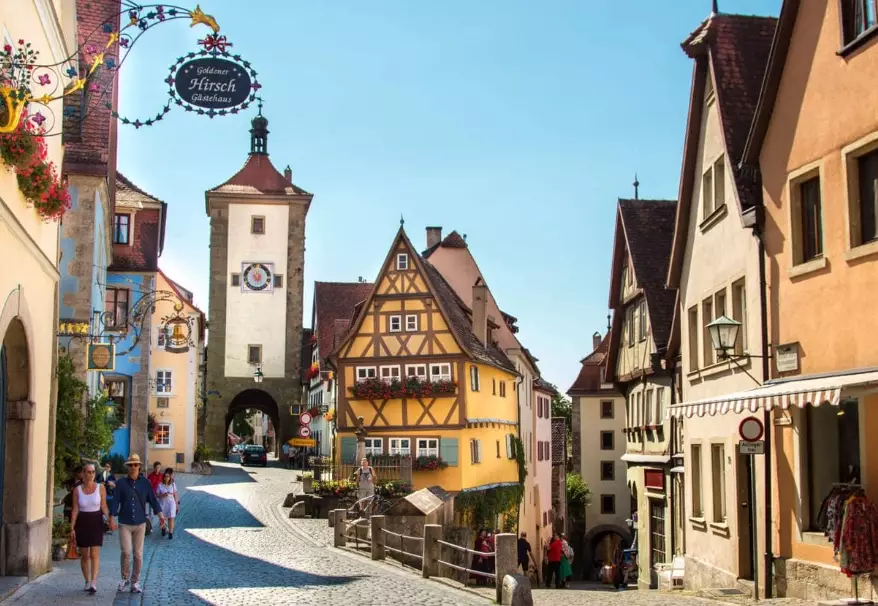
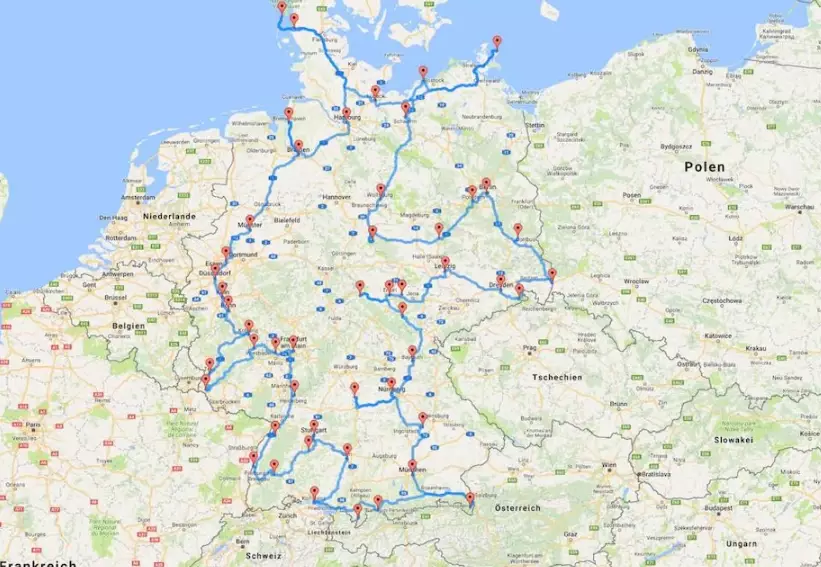
Road Trip Reality Check: This 10-day Germany by car route is a loop. It starts and ends in Frankfurt, mainly because it's a huge flight hub with tons of rental options. It's designed for a comfortable pace, with most drives between 1.5 to 3 hours. That leaves you plenty of daylight to explore. No marathon driving days here.
Your 10-Day Germany Road Trip Itinerary at a Glance
Before we dive into the daily details, here's the big picture. This route is a classic for a reason—it packs in incredible variety. You get urban energy, medieval charm, alpine scenery, and river valleys, all in a neat, drivable loop.
- Day 1 & 2: Frankfurt (Arrival & Rhine Valley)
- Day 3 & 4: Heidelberg & the Black Forest
- Day 5 & 6: The Romantic Road to Füssen (Neuschwanstein)
- Day 7 & 8: Munich
- Day 9 & 10: Nuremberg & back to Frankfurt
See? No crazy zig-zags. It flows. Now, let's get into what you'll actually be doing each day.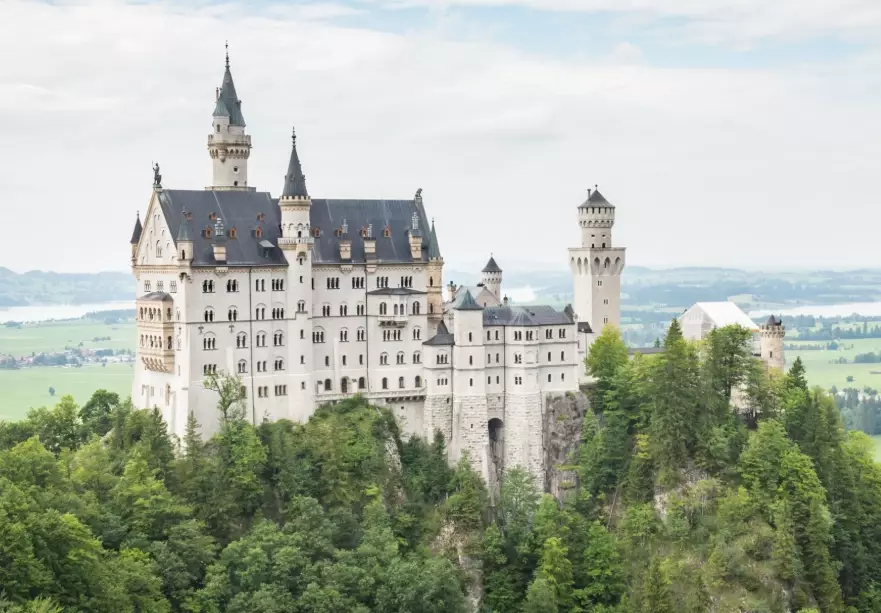
The Day-by-Day Breakdown: Where to Go, What to Do, Where to Stay
This is the meat of your Germany road trip itinerary for 10 days. I'm giving you options, because maybe you're a museum fanatic or maybe you'd rather spend an afternoon hiking. Tailor it to your style.
Day 1: Arrive in Frankfurt, Shake Off the Jet Lag
Frankfurt Airport (FRA) is where most transatlantic flights land. Pick up your rental car here. Pro tip: Book an automatic transmission *well* in advance if you need one—they're less common and pricier. Also, snap photos/videos of the car from every angle before you leave the lot. Standard practice.
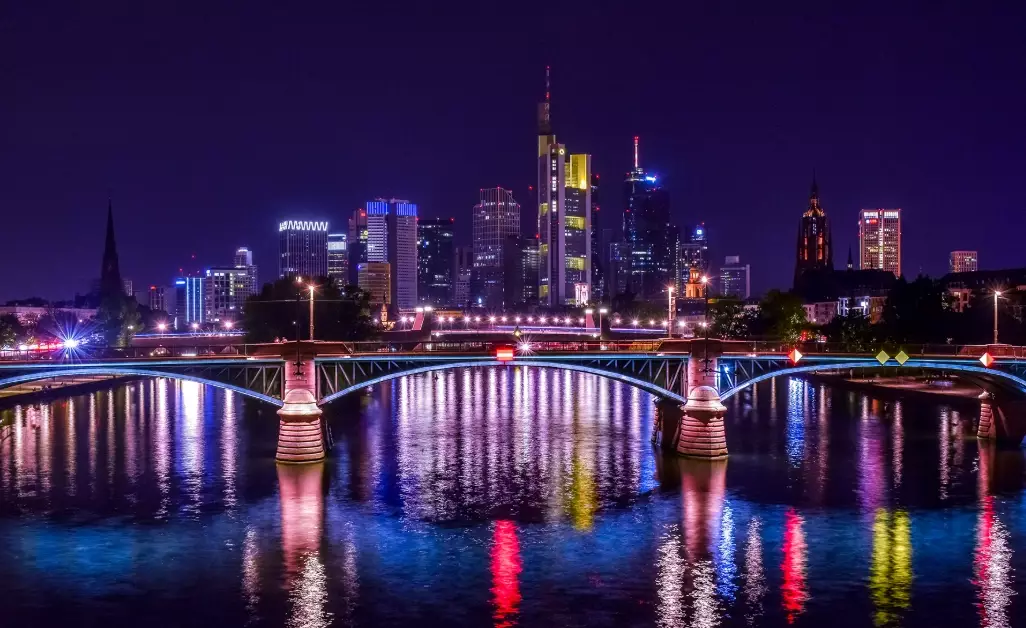
Don't try to see Frankfurt today. The goal is to adjust. Drive to your hotel (I'd recommend something near the Römerberg, the old central square). Drop your bags, take a short walk. Stroll along the Main River, see the cute half-timbered buildings around the square (they're reconstructions, but lovely), and find a cozy *Apfelwein* tavern for your first German meal. Try *Grüne Soße* (green sauce)—it's a Frankfurt specialty.
Get a good sleep. The real driving starts tomorrow.
Day 2: Rhine Valley Castles & Riesling
Today you experience one of Europe's great drives. Head south from Frankfurt for about an hour to the town of Rüdesheim. This is your gateway to the Middle Rhine Valley, a UNESCO World Heritage site.
Park the car in Rüdesheim. Seriously, just park it. The best way to see this stretch is by boat. Companies like KD Rhine run frequent ferries. Buy a ticket from Rüdesheim to St. Goar. This 1.5-hour cruise floats you past vine-covered slopes and something like a dozen castles and fortresses. It's breathtaking.
In St. Goar, you have a choice. You can visit the hulking Rheinfels Castle ruins (great for exploring) or take a short train back to your car. I loved Rheinfels—you can get lost in its underground tunnels.
Drive back to Frankfurt for a second night. It's a convenient base, and you've already checked in.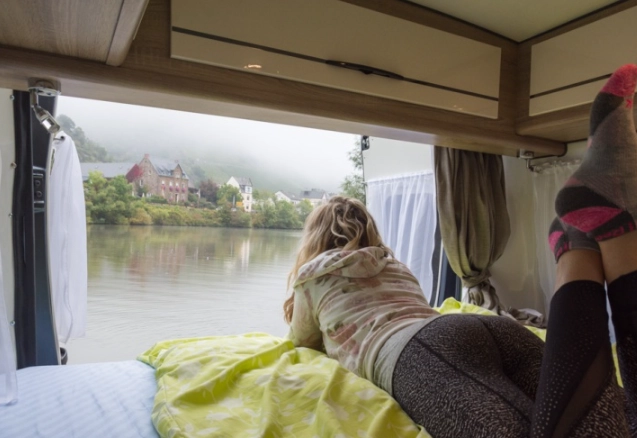
Looking out at the Lorelei rock from the boat, you finally get why this river inspired so many myths.
Day 3: Heidelberg's Philosopher's Path & Drive to the Black Forest
Leave Frankfurt after breakfast. It's just under an hour's drive to Heidelberg. This university town is famously romantic. Park at the large garage near the Kornmarkt and walk across the old bridge. The postcard view is of the red sandstone castle on the hill.
You can tour the castle (the world's largest wine barrel is inside, which is kinda fun), but my favorite thing is the Philosopher's Path (*Philosophenweg*). It's a walking path across the river that gives stunning views back to the castle and old town. It's a bit of a climb, but utterly worth it for that “I'm really in Germany” feeling.
After lunch, point your car south towards the Black Forest. Your destination is Triberg or a nearby village like Schonach. The drive is about 2 hours through increasingly lush, rolling hills.
Stay in a traditional guesthouse. Your host will likely speak limited English but will be incredibly welcoming. This is your first taste of small-town Germany.
Day 4: Cuckoo Clocks, Waterfalls & the Road to Bavaria
You're in the heart of the Black Forest. Today is about classic stereotypes in the best way.
In Triberg, you have two big attractions: Germany's highest waterfalls (the Triberg Waterfalls) and the world of cuckoo clocks. Visit the House of 1000 Clocks or the Deutsches Uhrenmuseum (German Clock Museum) to see how they're made. Yes, it's touristy, but it's also genuinely interesting craftsmanship. And yes, you might buy a small clock. It happens.
For lunch, you must have Black Forest Cake (*Schwarzwälder Kirschtorte*). The real deal, with sour cherries and potent cherry brandy. Café Schäfer in Triberg is famous for it.
In the afternoon, begin one of the most scenic drives of your Germany road trip itinerary 10 days. Head east towards Füssen. You'll leave the forest and enter the wide, green plains of Bavaria, with the Alps suddenly appearing on the horizon. It's a “wow” moment. Stay overnight in Füssen or the nearby village of Schwangau. This sets you up perfectly for tomorrow's main event.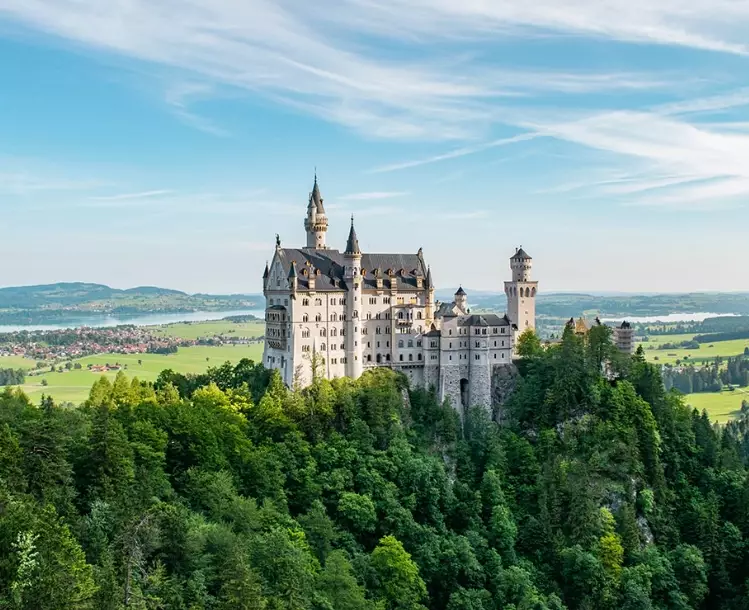
Day 5: Neuschwanstein Castle & the Romantic Road
Today is the day. Neuschwanstein Castle. The fairy-tale castle that inspired Disney. It's as stunning as the pictures, but here's the real talk: it can be a logistical headache. You must book your timed entry ticket online in advance on the official website. Tickets are not sold at the castle itself, only at the Ticket Center in the village below. If you show up without one, you'll be looking at hours of waiting or just seeing it from the outside.
Park in the paid lots in Hohenschwangau. From the Ticket Center, you can walk up the steep hill (about 30-40 minutes), take a shuttle bus, or ride a horse-drawn carriage. The shuttle bus drops you near the Marienbrücke (Mary's Bridge), which is that iconic photo spot looking directly at the castle. The bridge can be crowded and a bit nerve-wracking if you're afraid of heights, but the view is non-negotiable.
The interior tour is… interesting. It's lavish but unfinished, a testament to King Ludwig II's eccentric dreams. It lasts about 30 minutes. Honestly, the exterior and the setting are the real stars.
Afterwards, drive a section of the official Romantic Road (*Romantische Straße*). Head north to the walled town of Dinkelsbühl or Nördlingen (both are perfectly preserved medieval gems). Wander the cobbled streets, climb a church tower, and feel like you've stepped back 500 years. Spend the night here.
Neuschwanstein Pro-Tip: The castle interior can feel rushed and a bit underwhelming for some. If you're tight on time or budget, just seeing it from Marienbrücke and hiking in the surrounding area is a fantastic experience in itself. Don't stress if you can't get a tour ticket.
Day 6: Rothenburg ob der Tauber & On to Munich
Continue north on the Romantic Road this morning to its most famous stop: Rothenburg ob der Tauber. This is the postcard-perfect medieval town, complete with intact walls you can walk on. It is, understandably, crowded. Get there early. Park at one of the large lots just outside the city walls (like at the “Stadtwerke”).
Walk the City Walls for free. Get lost in the side streets away from the main Plönlein intersection. Visit the Medieval Crime Museum—it's macabre but fascinating. And yes, try a Schneeball, the local pastry that looks like a snowball. It's denser than you expect!
After lunch, it's time to head to the big city. The drive to Munich is about 2.5 hours. Drop off your rental car at the Munich city office (like at the main train station, *Hauptbahnhof*). You do not want a car in Munich. Parking is expensive and a nightmare, and public transport is excellent. Your 10-day Germany road trip itinerary now becomes a city exploration for two days.
Check into a hotel near the center or a U-Bahn (subway) stop.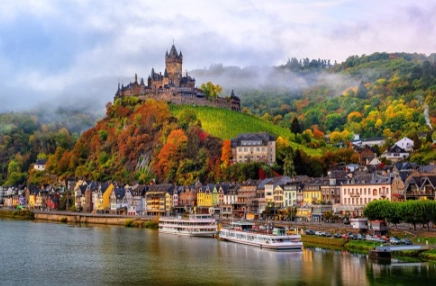
Day 7: Munich's Classics & Beer Halls
Two days in Munich lets you breathe. Start at the central Marienplatz to see the Glockenspiel clock chime at 11 am (it's cute). Wander through the Viktualienmarkt food market for snacks. Then, choose your adventure.
Option A (Art & History): The Deutsches Museum is one of the world's great science and tech museums. It's huge—pick a floor that interests you. Or visit the Residenz, the former royal palace, which is opulent and vast.
Option B (Sommerfrische): Take the U-Bahn to Olympiapark or the English Garden. The latter is a massive city park where you can watch surfers ride the standing wave in the Eisbach river.
In the evening, you must experience a beer hall. The Hofbräuhaus is the famous one—it's loud, touristy, but still a riot. For a slightly more local vibe, try Augustiner-Keller or Hofbräukeller. Order a *Mass* (one-liter stein) of helles lager, a *Hendl* (roast chicken), and enjoy the communal bench seating. It's an institution.
Day 8: Day Trip from Munich - Dachau or Salzburg
You have a choice today, depending on your mood.
Somber but Important: Take the S-Bahn (suburban train) to Dachau Concentration Camp Memorial Site. It's a short trip from Munich. Visiting is a powerful, sobering experience that adds crucial historical context to your trip. It's free to enter, and an audio guide is highly recommended. Plan to spend 3-4 hours. Check the official website for current visiting information.
Scenic & Musical: Take a direct train to Salzburg, Austria. It's about 1.5 hours by rail. Walk the beautiful old town, see Mozart's birthplace, and visit the Hohensalzburg Fortress. It's a lovely bonus country and a change of scenery. No border checks needed.
Return to Munich for your final night in the city.
Day 9: Nuremberg's History & Back Towards Frankfurt
Pick up a new rental car in Munich this morning (it's often cheaper than keeping one for the whole period you're in the city). Today's drive to Nuremberg is an easy 1.5 hours on the Autobahn.
Nuremberg is a city of contrasts—beautiful medieval architecture and heavy 20th-century history. Park and explore the massive Imperial Castle (*Kaiserburg*) for great city views. Walk through the main market square (*Hauptmarkt*).
The Nazi Party Rally Grounds Documentation Center is a must-visit for history buffs. It's a brilliantly designed museum located in the unfinished Congress Hall of the former Nazi rally grounds. It doesn't shy away from difficult history and is incredibly well-presented.
In the late afternoon, drive about an hour west to the region of Franconia. Stay in a small town like Würzburg (a beautiful baroque city on the Main River) or a countryside inn. This breaks up the final drive back to Frankfurt.
Day 10: Final Stretch Back to Frankfurt & Departure
Your last morning is relaxed. If you're in Würzburg, visit the Residenz palace (another UNESCO site) and walk across the old bridge, the *Alte Mainbrücke*.
The drive from Würzburg to Frankfurt Airport is straightforward, about 1 hour and 15 minutes on the A3 Autobahn. Give yourself plenty of extra time for returning the rental car (follow the clear “Rental Car Return” signs at the airport), checking in, and getting through security.
And just like that, your epic 10-day Germany road trip itinerary is complete.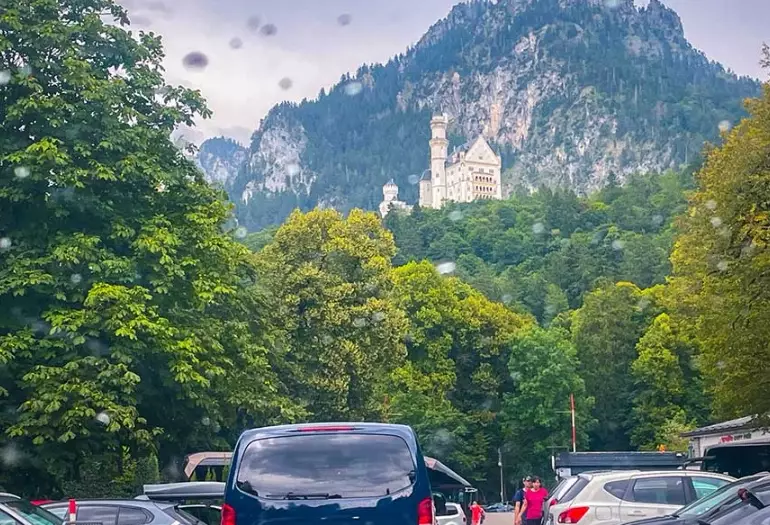
My Personal Take: The stretch from the Black Forest to Füssen was my favorite. The landscape changes so dramatically, and that first glimpse of the Alps never gets old. Munich felt like a welcome break from driving, a chance to be a pedestrian again. And while Neuschwanstein is stunning, the smaller towns like Dinkelsbühl are where I felt the real charm of Germany.
The Nitty-Gritty: Your Germany Road Trip Driving Guide
Let's talk practicalities. This is the stuff that can make or break your trip.
Renting the Car & Driving in Germany
- License: You need a valid driver's license from your home country. For US, Canadian, and Australian licenses, an International Driving Permit (IDP) is highly recommended and often required by rental companies. It's a translation document you get from AAA (in the US) before you leave. It prevents any potential hassle with police.
- Rental Company: Use comparison sites, but book directly with the company afterwards. Major international firms (Sixt, Europcar, Hertz, Avis) are reliable and have desks at all major airports and cities.
- Fuel: Gasoline is *Benzin* (unleaded is *Super*). Diesel is *Diesel*. It's expensive compared to North America. Most pumps are self-service. You can pay at the pump with a chip-enabled credit card (PIN often required) or inside the station shop.
- Autobahn: Yes, some sections have no speed limit. But it's not a racetrack. The left lane is only for passing. Move right immediately after. Traffic can be heavy and fast. Signs with a red circle and a number are the speed limit. Signs with a grey circle and a diagonal line mean the previous limit ends. If you're not comfortable going fast, just stay in the right lane—trucks are limited to 80 km/h, so it's a calmer pace.
- Parking: In cities, look for blue “P” signs. You'll often need to use a parking meter (*Parkscheinautomat*). Pay for your ticket and place it on the dashboard. White lines are for general parking. Yellow lines are for residents only. Read signs carefully!
Budgeting for Your 10-Day Germany by Car Trip
Let's be real, budgets matter. Here's a rough breakdown for a mid-range traveler (per couple, sharing costs). This assumes you're not backpacking but also not staying in 5-star suites.
| Category | Estimated Cost (Per Couple) | Notes & Tips |
|---|---|---|
| Rental Car (10 days) | €400 - €700 | Varies wildly by season, car size, and inclusion of insurance. Book early. Always get full coverage (Collision Damage Waiver - CDW). |
| Fuel | €200 - €300 | For approx. 1,500 km. Diesel is cheaper per liter but often comes with a higher rental premium. |
| Tolls & Parking | €50 - €100 | German Autobahns are free for cars. Parking in cities adds up (€15-€25 per day). |
| Mid-Range Hotels | €1,200 - €1,800 | €120-€180 per night average. Book direct with hotels or use reputable booking sites. |
| Food & Drink | €800 - €1,200 | €80-€120 per day for two. Includes restaurant meals, bakery breakfasts, and beer/wine. |
| Attractions & Tours | €300 - €500 | Castle entries, museum tickets, Rhine cruise, etc. |
| Estimated Total | €2,950 - €4,600 | For two people sharing. Flights not included. |
Answers to Your Burning Questions (FAQ)
Here are the questions I get asked most about planning a Germany road trip itinerary for 10 days.
Is 10 days enough for a Germany road trip?
Absolutely. Ten days is the ideal minimum to get a fantastic overview of central and southern Germany without feeling like you're just ticking boxes. This itinerary gives you depth in a few key regions rather than a superficial dash across the whole country. You'll leave satisfied, not exhausted.
What's the best time of year for this Germany road trip itinerary?
Late spring (May-June) and early autumn (September-October) are the sweet spots. The weather is generally pleasant, crowds are smaller than in peak summer, and the landscapes are gorgeous (spring flowers or fall colors). Summer (July-August) is busy and can be hot. Winter can be magical, especially around Christmas markets, but mountain roads can be icy/snowy, and some rural attractions have shorter hours.
Do I need to speak German?
Not at all. English is widely spoken in tourist areas, hotels, and restaurants. Learning a few basic phrases (*Hallo*, *Danke*, *Bitte*, *Tschüss*) is always appreciated and polite. In rural guesthouses, English might be more limited, but a smile and Google Translate go a long way.
Is this Germany road trip itinerary 10 days suitable for families?
Yes, with adjustments. Kids might get bored on long museum tours. Focus on the hands-on stuff: castle ruins to run around (Rheinfels), clock museums with moving parts, walking city walls, the Deutsches Museum in Munich. Break up drives more frequently. The itinerary has a good mix of active and passive sightseeing that can be tailored.
What about sustainable travel?
Great question. Driving has a carbon footprint. To mitigate: Rent a fuel-efficient or hybrid/electric car if your budget allows (charging infrastructure is good on major routes). Stick to the main roads to avoid unnecessary emissions in small villages. Support local businesses—eat at family-run *Gasthöfe*, stay in small hotels. Use public transport when you can (like in Munich). The German National Tourist Board has great resources on sustainable travel in Germany.
Final Thoughts Before You Hit the Road
Planning a Germany road trip itinerary for 10 days is one of the most rewarding travel projects you can undertake. You're crafting your own adventure. This route is tried and tested, but don't be afraid to swap a stop if something else calls to you. Maybe you'd rather spend an extra day hiking in the Black Forest than visiting another city. Do it. That's the point of the car.
Book your key accommodations and rental car early, especially for travel in summer or around Oktoberfest (late September). For everything else, leave some wiggle room. Some of my best memories were unplanned detours—a festival in a village square, a hike to a viewpoint not in any guidebook.
Germany is a country made for exploring by road. Its well-maintained highways, clear signage, and the sheer density of interesting things to see within a short drive make it a road tripper's dream. Follow this plan, use these tips, and you're set for an unforgettable ten days. Now, go start that engine.
Safe travels, or as they say here, *Gute Fahrt!*