Key Insights for Your Journey
- Breaking Down the "Friendliness" Factor: Tourism vs. Living
- The Practical Checklist: Where Germany Shines for Americans
- The Friction Points: Where You Might Feel the "Unfriendliness"
- Daily Life: A Side-by-Side Look for Americans
- Regional Differences: Not All of Germany is the Same
- Answering Your Burning Questions (The FAQ You Actually Need)
- The Final, Nuanced Verdict
You typed that question into Google, didn't you? Maybe you're dreaming of sipping a beer at a Munich Oktoberfest tent, contemplating a job offer in Berlin's tech scene, or just worried about getting by with your high school German. It's a fair question. "Is Germany friendly to US citizens?" isn't just about smiles on the street (though we'll get to that). It's about bureaucracy, culture shock, daily life, and whether you'll feel at home or constantly out of place.
Here's the short, honest answer before we dive deep: Yes, Germany is overwhelmingly friendly and safe for US citizens, but "friendly" here often means something different than the back-slapping, "have a nice day!" friendliness you might be used to. It's a structured, rule-based, and deeply practical kind of friendly. Think reliable trains, clean streets, and people who will genuinely help you if you're in trouble, but might not start a conversation with you in the supermarket line.
Breaking Down the "Friendliness" Factor: Tourism vs. Living
Let's be clear. The experience of a US citizen on a two-week vacation versus one trying to settle down for two years is wildly different. Germany rolls out the red carpet for tourists but expects residents to learn the rules of the house.
For the American Tourist: You're Going to Have a Blast
If you're just visiting, the answer to "Is Germany friendly to US citizens?" is a resounding, stress-free yes. English proficiency is high, especially in cities, younger populations, and the tourism sector. Signs in airports, train stations, and major attractions are almost always bilingual. You can get by with just English almost everywhere, though learning basic phrases like "Bitte" (please) and "Danke" (thank you) is appreciated and changes how people interact with you.
Safety? Let's put it this way. I've felt safer walking alone at night in central Berlin than in many major US cities. Violent crime rates are significantly lower. Petty theft like pickpocketing exists in crowded tourist areas, but that's a global standard, not a German-specific issue.
The infrastructure is a tourist's dream. Trains (mostly) run on time, cities are walkable and bike-friendly, and the tourism information is meticulous. Want to visit a castle, a museum, or a famous beer hall? The process is straightforward and well-organized. The German National Tourist Board website is an excellent resource for planning.
For the American Expat or Long-Term Resident: It Gets Complicated (But Still Good)
This is where the real test of "Is Germany friendly to US citizens?" happens. The initial welcome mat gets pulled back a bit, revealing a complex system you're expected to navigate.
The Practical Checklist: Where Germany Shines for Americans
Let's talk about the concrete, tangible ways Germany supports and welcomes Americans looking to stay.
Visa and Residence: Surprisingly Straightforward Paths
For a country known for bureaucracy, the paths for skilled American workers are quite clear. The EU Blue Card for highly-skilled employment is a major gateway. Freelancers can apply for a freelance visa ("Freiberufler" visa), famously popular in Berlin. Students are welcomed with open arms—university tuition is often free or nominal, even for internationals! You just need to prove you can support yourself. The German Federal Foreign Office is the ultimate source for visa requirements, and it's available in English.
Healthcare is a massive point of relief. Once you're in the public insurance system (which is mandatory for most employees), you're covered. No worrying about in-network vs. out-of-network or medical bankruptcy. The quality of care is excellent. It's a different system to learn, but the peace of mind is priceless.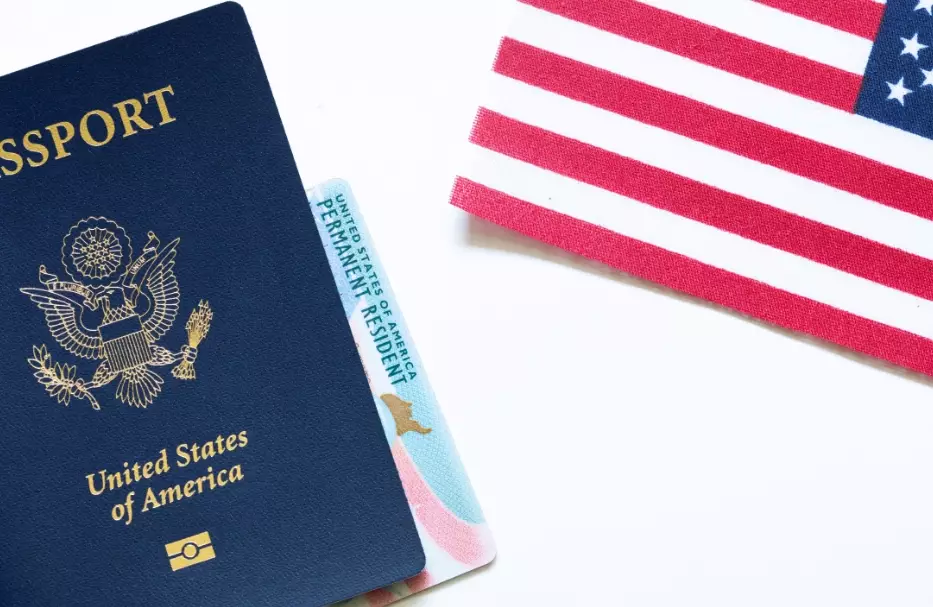
Work-life balance is not a myth here. It's legally protected. Mandatory 20+ days of paid vacation (most get 25-30), strict limits on after-hours work communication, and strong worker protections. For Americans burned out by the "hustle culture," this can feel like a revelation.
The Friction Points: Where You Might Feel the "Unfriendliness"
Okay, time for some real talk. Not everything is easy. Some aspects of German life can feel deliberately obtuse to an American mindset.
The famous German directness, which is refreshing in small doses, can wear you down. Feedback, whether from a boss, a colleague, or a random stranger correcting your recycling habits, is given bluntly and without sugar-coating. It's not personal, but it can feel harsh.
Making deep local friends takes time, a lot of time. Germans tend to have tight-knit, long-standing friend circles from school or university. They're not unfriendly, but socializing often requires a formal invitation rather than spontaneous "Let's hang out" texts. Joining a club ("Verein")—sports, hobbies, choir—is the classic and best way in.
Daily Life: A Side-by-Side Look for Americans
How does daily living compare? Here’s a quick, honest table breaking it down.
| Aspect of Life | Typical US Experience | Typical German Experience | Friendliness Verdict for Americans |
|---|---|---|---|
| Customer Service | Chatty, tip-dependent, "the customer is always right" attitude. | Efficient, less emotive, rules-based. The customer is often... wrong if they break the policy. | Can feel cold initially. It's not personal—it's just a different transaction style. |
| Small Talk | Ubiquitous with strangers (weather, sports). Expected in many interactions. | Rare and sometimes viewed as superficial. Conversation is for purpose or genuine interest. | Silence is comfortable here. Don't force it; you'll come across as insincere. |
| Punctuality | "On time" can have a 5-10 minute grace period socially. | Being on time means being 5 minutes early. Being late is rude. | Very friendly if you're punctual! It shows respect. They rely on it for the system to work. |
| Housing | Often unfurnished apartments include fridge, washer, etc. | Often come completely empty—no lights, no kitchen, sometimes not even a sink. A culture shock. | Logistically unfriendly. A major hurdle that requires planning and investment. |
| Sunday Quiet | Sunday is for shopping, brunch, and chores. | Stores are closed by law. A day of enforced rest and quiet in residential areas. | Peaceful if you embrace it, isolating if you're unprepared. Plan your grocery shopping! |
Regional Differences: Not All of Germany is the Same
Bavaria is not Berlin. Cologne is not Hamburg. Friendliness has regional flavors.
- Berlin, Hamburg, Cologne: More international, used to expats, easier to find English-speaking communities and "international bubble" friends. More relaxed about rules.
- Bavaria (Munich, etc.): Proud of local traditions, can feel more formal initially, but incredibly warm and welcoming once you engage with the culture (like joining a hiking group or a traditional club).
- Smaller Towns & Villages: People may be curious but reserved. Integrating requires more effort and German language skills, but the sense of community can be stronger once you're in.
Answering Your Burning Questions (The FAQ You Actually Need)
Based on forums, expat groups, and real conversations, here are the things Americans really want to know beyond just "Is Germany friendly to US citizens?".
Is the language barrier a deal-breaker?
For tourism, no. For living, yes, eventually. You can survive on English in big cities for daily tasks. But for bureaucracy, deeper social connections, and truly feeling at home, learning German is non-negotiable. It's the master key to the culture. Germans appreciate the effort immensely, even if you're bad at it. Not trying is seen as disrespectful.
How bad is the racism/xenophobia for Americans?
This is a serious concern. As a white American, my experience is privileged and not representative. Generally, Germany has a painful history it is acutely aware of, and overt racism is socially unacceptable. However, like any country, it exists. People of color, especially Black Americans, may face curious stares, ignorant questions, or more subtle forms of discrimination, though rarely violence. Cities are more diverse. The U.S. Department of State's Human Rights Report on Germany provides a detailed, official overview.
Can I get my favorite [insert American product] here?
Peanut butter? Yes (often in "American" sections). Good Mexican food? A tragic scarcity. Ranch dressing? Bring packets. Online shopping (Amazon.de) and specialty import stores fill many gaps, but you'll adapt. The bread, cheese, and chocolate will more than make up for it, trust me.
Is it expensive?
It depends on where you're from. Compared to NYC or SF, rent in cities like Berlin or Leipzig can feel cheap. Compared to the Midwest, it's high. Groceries, healthcare, and public transport are generally cheaper than in the US. Cars and gasoline are more expensive. The overall quality-to-cost ratio for public services and goods is high.
The Final, Nuanced Verdict
So, circling back to our core question: Is Germany friendly to US citizens?
If you define "friendly" as constant cheerful affirmation and effortless integration, you might struggle. Germany won't bend over backwards to make you feel special simply because you're American.
But if you define "friendly" as being offered a stable, safe, and high-quality society with clear rules, where people are honest, reliable, and will support you within a structured framework, then Germany is exceptionally friendly. It's a friendship based on mutual respect and adherence to social contracts, not on flattery.
My advice? Come as a respectful guest, not an expecting VIP. Learn the language, follow the rules (especially the recycling—they're serious about it), and be direct in return. Embrace the quiet Sundays, the cash-only Kneipen, and the glorious, rule-abiding efficiency.
The journey to answer "Is Germany friendly to US citizens?" is personal. For the prepared, patient, and adaptable American, Germany offers a rewarding and immensely livable chapter. Just pack your paperwork, leave the small talk at the border, and get ready for a different, but deeply satisfying, kind of welcome.