Your German Stay Guide
- The Big City Showdown: Where to Base Yourself
- Beyond the Big Three: Other Cities Worth Your Night
- Thinking Regionally: The Best Places to Stay in Germany for Scenery
- What Are You Actually Staying In? Accommodation Types Decoded
- Okay, Let's Match You to Your Perfect German Base
- Answers to the Questions You're Actually Asking
- Final Thoughts: Stop Searching for "Best" and Start Finding "Yours"
Okay, let's cut to the chase. You typed "where is the best place to stay in Germany?" into Google, and now you're staring at a million generic lists that all say the same thing. Berlin, Munich, maybe Hamburg. It's frustrating, right? The truth is, there's no single "best" place. It completely depends on you. What you like to do, who you're traveling with, your budget, and what kind of vibe you're after. Asking where is the best place to stay in Germany is like asking what the best food is – it's personal.
I've spent a stupid amount of time traveling around Germany, from big-city bustle to villages so quiet you can hear a cow sigh. I've stayed in everything from a sketchy hostel above a bar (not recommended) to a castle-turned-hotel (highly recommended, if you can swing it). So instead of just giving you another ranked list, I'm going to break it down. We'll talk cities, we'll talk regions, and I'll even throw in some places most lists ignore. My goal? To give you enough real, practical info that you can answer that question for yourself.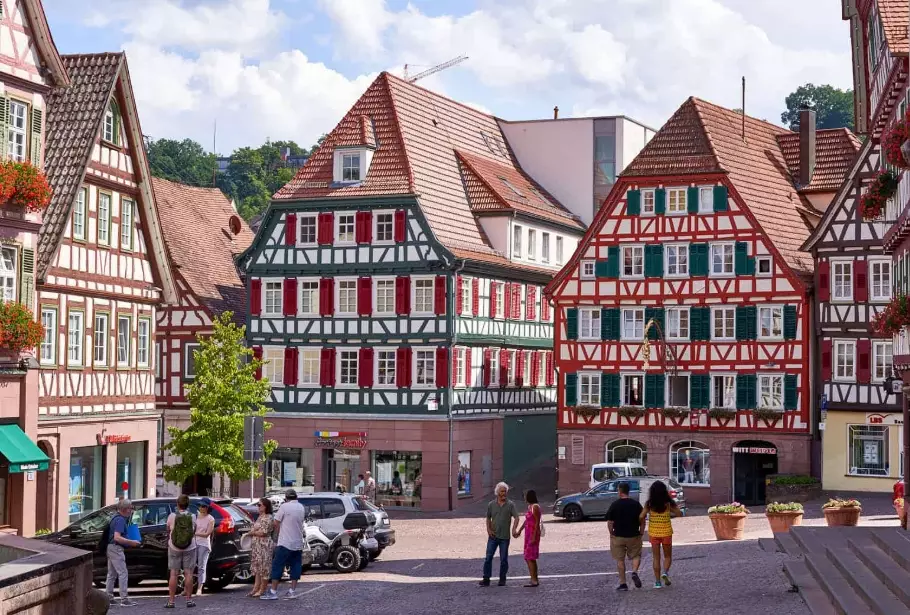
The Big City Showdown: Where to Base Yourself
Most people start their search here. A city gives you infrastructure, lots of accommodation options, and easy day trips. But which one? They all have wildly different personalities.
Berlin: For the Culture Vulture and Night Owl
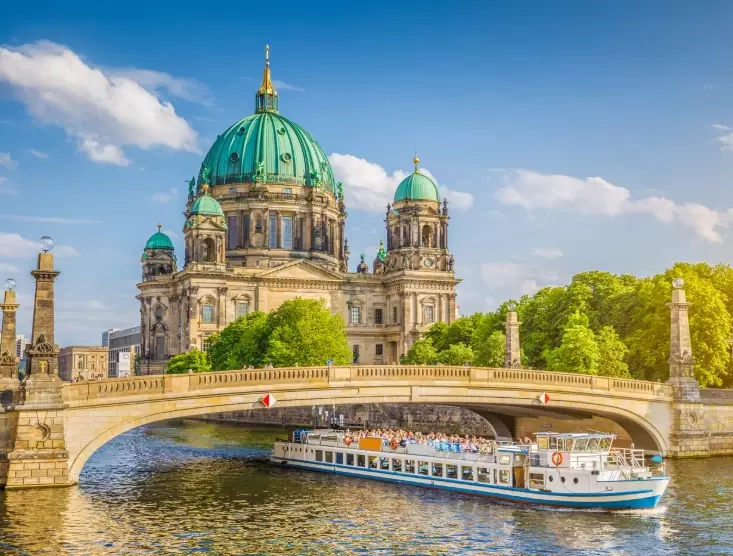
Berlin is... a lot. It's massive, it's gritty, it's endlessly creative, and it never, ever sleeps. If you want pristine, fairy-tale Germany, look elsewhere. But if you want to feel the pulse of a city that's constantly reinventing itself, this is it.
Best for: History buffs (the Berlin Wall Memorial is a must), contemporary art and music scenes, insane nightlife, foodies who love international cuisine (the Turkish food in Kreuzberg is legendary).
Not so great for: Traditional "German" charm (you have to look harder for it), cozy small-town feels, travelers on a tight budget (it's getting pricier).
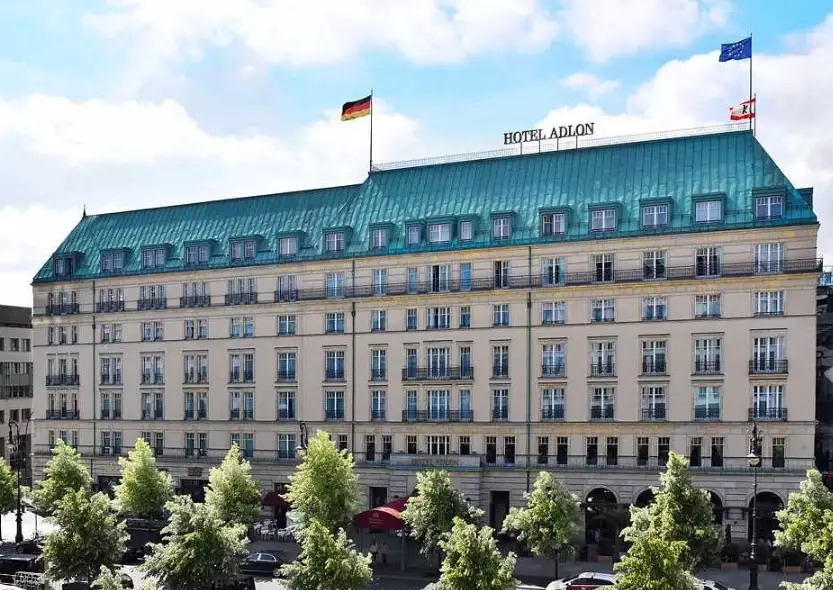
Where to stay in Berlin? Mitte is central and packed with sights, but can feel touristy. Kreuzberg and Friedrichshain are where the cool kids (and amazing street art) are, but they're loud. Prenzlauer Berg is quieter, more family-friendly, with cute cafes. Personally, I love staying in Charlottenburg for a more elegant, calmer experience, but then you're taking the U-Bahn to get to the action.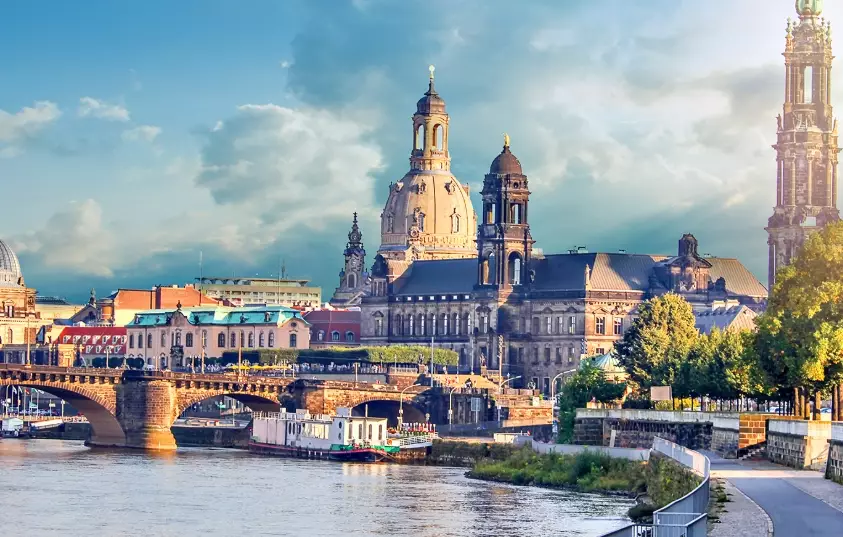
Munich: For the Classic Postcard and Beer Lover
Munich is the Germany of imagination. It's cleaner, wealthier, and more traditional than Berlin. Think lederhosen, massive beer halls, Baroque palaces, and the gateway to the Alps.
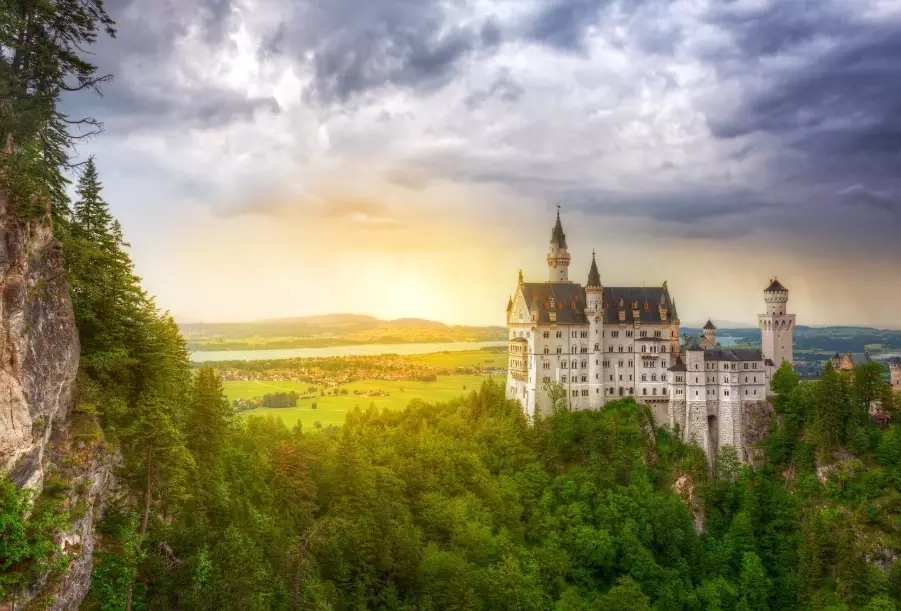
Best for: First-time visitors wanting that "German" feel, Oktoberfest pilgrims (book a year in advance, seriously), day trips to Neuschwanstein Castle and the Alps, luxury shopping.
Not so great for: Bargain hunters (it's Germany's most expensive city), those seeking gritty counter-culture, anyone who hates crowds of tourists.
Finding where is the best place to stay in Germany for a classic experience? Munich's Altstadt (Old Town) puts you right in the middle of the Marienplatz action. Ludwigsvorstadt is where the Hauptbahnhof and Oktoberfest grounds are – convenient but noisy. Schwabing is a lovely, upscale residential area with great cafes, and it's where I usually try to find a room if my budget allows.
Hamburg: For the Maritime Soul and Architecture Fan
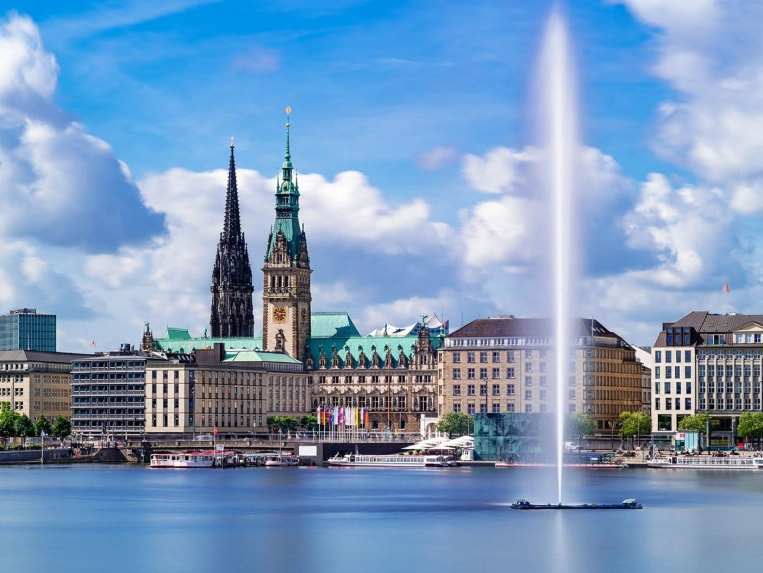
Hamburg is cool in a different way. It's a port city, and you feel it in the air – literally, it's often windy. It's more understated than Berlin or Munich, but incredibly wealthy and has this fantastic, modern architectural scene alongside its historic warehouses.
Best for: Music lovers (the Beatles got their start here), architecture (the Elbphilharmonie is mind-blowing), harbor tours and seafood, a more laid-back, maritime vibe.
The Hamburg tourism site will push the Reeperbahn (the famous red-light district), but staying there is only fun if you want to party all night. For a better mix, look at Altona (cool, residential, great for families) or HafenCity (ultra-modern, right by the water and the Elbphilharmonie). The Sternschanze area is the current hipster hub, full of great bars and shops.
Let's compare these three heavyweights head-to-head, because sometimes a table says more than paragraphs.
| City | Vibe | Best Neighborhoods to Stay | Ideal For... | Watch Out For... |
|---|---|---|---|---|
| Berlin | Edgy, historic, creative, 24/7 | Kreuzberg, Friedrichshain, Prenzlauer Berg, Charlottenburg | History, nightlife, art, diverse food | Sheer size can be overwhelming; some areas feel rough. |
| Munich | Classic, wealthy, traditional, tidy | Altstadt, Ludwigsvorstadt, Schwabing, Maxvorstadt | First-timers, beer culture, day trips to Alps, luxury | High costs, can feel touristy and less "authentic." |
| Hamburg | Maritime, modern, laid-back, wealthy | Altona, Sternschanze, HafenCity, Eimsbüttel | Architecture, harbor life, seafood, live music | Rainy weather, nightlife centered on one (seedy) street. |
See what I mean? Picking the best place to stay in Germany starts with picking the city whose personality matches yours.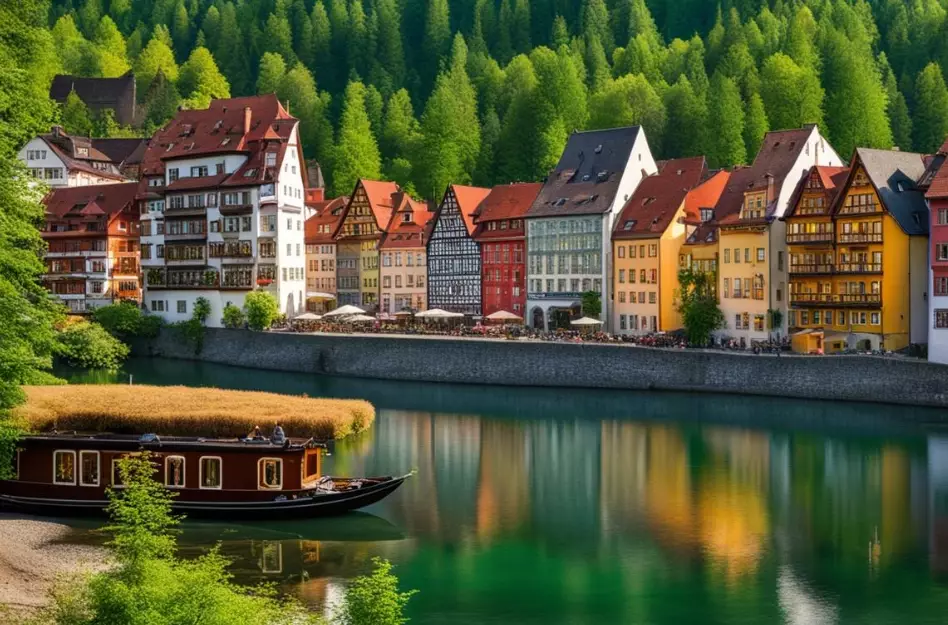
Beyond the Big Three: Other Cities Worth Your Night
If you're not tied to a mega-city, Germany is packed with incredible smaller cities that offer a more manageable, often more charming, experience.
Cologne (Köln): It's all about the cathedral. The Kölner Dom is breathtaking and dominates the city. The people here are famously friendly and direct. The Christmas markets are some of the best. Stay in the Altstadt near the cathedral or across the river in the trendy Belgisches Viertel. It's a great, unpretentious alternative.
Heidelberg: This is the fairy-tale university town. The ruined castle on the hill, the old bridge, the Philosopher's Walk... it's stunningly beautiful and romantic. It's also crawling with tourists and students. A wonderful place to stay for a night or two to soak in the romance, but maybe not for a whole week.
Leipzig: People call it "the new Berlin," which is both accurate and annoying. It has a booming arts scene, cool industrial spaces turned into galleries, and a much lower cost of living than its big brother. The Leipzig tourism board is pushing hard, and for good reason. It's dynamic and feels like it's on the rise.
Freiburg im Breisgau: Sunny, eco-friendly, and sitting at the edge of the Black Forest. It has a lovely medieval center, small canals (Bächle) running through the streets, and is just a relaxed, happy place. If you want a small-city base for exploring the Black Forest and the Rhine Valley, this is your spot.
Honestly, sometimes the best place to stay in Germany isn't a famous city at all. It's a smaller town that lets you breathe.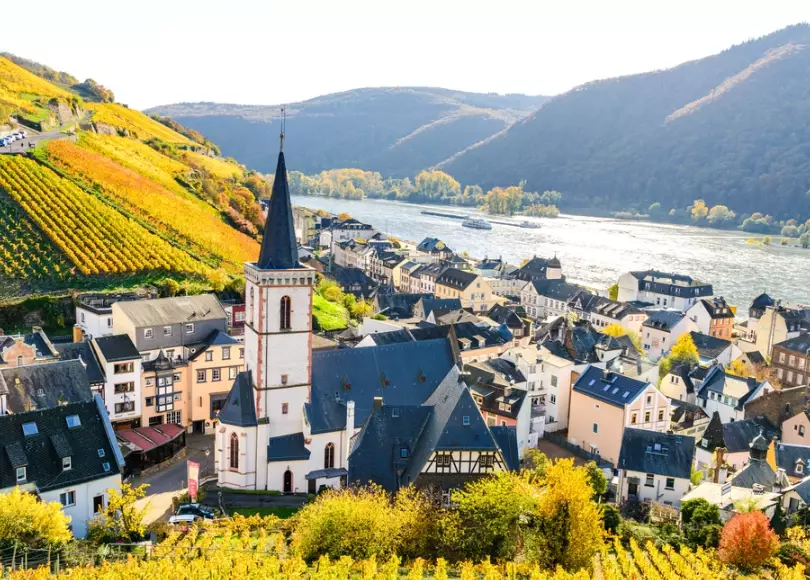
Thinking Regionally: The Best Places to Stay in Germany for Scenery
Maybe you're not a city person. Maybe you dream of half-timbered villages, vineyard-covered hills, or dark, mysterious forests. Germany's regions are destinations in themselves.
The Romantic Road & Bavaria
This is the picture-book Germany. Rothenburg ob der Tauber is the star – a perfectly preserved medieval walled town. It's also insanely crowded by midday. My advice? Stay overnight. After the tour buses leave, you get the magic back. Other gems along the route like Dinkelsbühl or Nördlingen are slightly less overrun. A car is essential here.
The Rhine & Moselle Valleys
Castles, vineyards, and quaint wine villages clinging to steep riverbanks. This is where you come to relax, drink Riesling, and take river cruises. Towns like Bacharach, Cochem, or Bernkastel-Kues are perfect bases. You can explore by boat, train, or car. It's slower, more romantic, and utterly beautiful. If you're wondering where is the best place to stay in Germany for a peaceful, scenic trip, start looking here.
The Black Forest (Schwarzwald)
It's not just a cake. It's a vast region of dense fir forests, rolling hills, cuckoo clocks, and thermal spas. Base yourself in a town like Triberg (home of the world's biggest cuckoo clock, which is as kitschy as it sounds) or the more sophisticated Baden-Baden for casino and spa life. It's heaven for hikers and anyone wanting to switch off completely.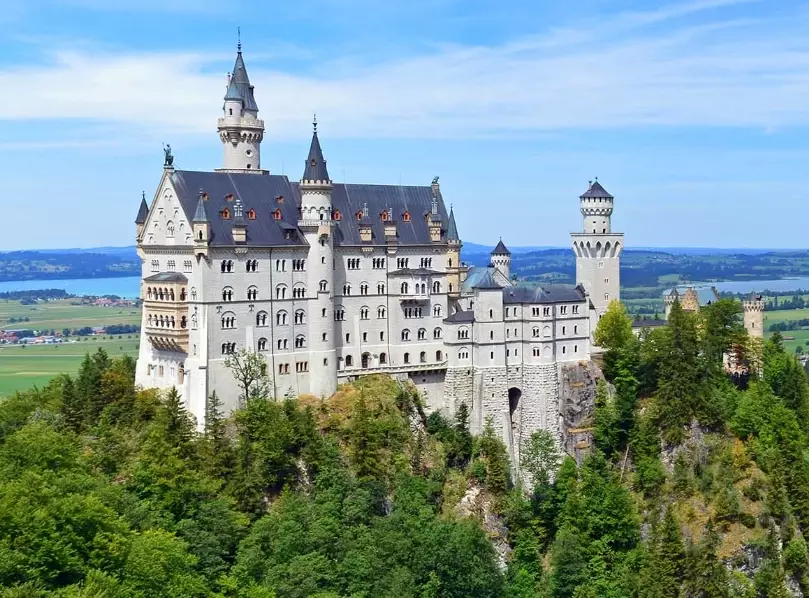
The Baltic Coast
Most international travelers forget Germany has a coast! The Baltic Sea resorts, like the islands of Rügen or Usedom, have wide, sandy beaches and grand, historic resort architecture (think white hotels with columns). It's a hugely popular vacation spot for Germans, especially families. It has a totally different, breezy, relaxed feel compared to the inland cities.
"Picking a region over a city forces you to slow down. You trade convenience for atmosphere. In the Rhine Valley, your biggest decision of the day might be which vineyard terrace to have lunch on. Sometimes, that's exactly what you need."
What Are You Actually Staying In? Accommodation Types Decoded
"Best place to stay" isn't just about location; it's about the type of bed you're crashing in. Germany has the full spectrum.
Hotels: Ranging from basic business hotels (Ibis, Motel One) to incredible luxury palaces. German hotels are generally very clean and reliable. Breakfast is often a fantastic, huge buffet.
Pensions / Gasthöfe: These are family-run guesthouses, often in smaller towns or the countryside. They usually have a restaurant attached serving local food. This is where you get authentic, homey charm. I once stayed in a Gasthof in the Moselle where the owner brought me a glass of his own wine in the evening. You don't get that at a chain hotel.
Ferienwohnungen (Holiday Apartments): A fantastic option for families, groups, or longer stays. You get a kitchen and more space. Websites like FeWo-direkt are great for these. Be aware of cleaning fees and that you might need to strip the beds yourself at the end.
Hostels: Not just for backpackers anymore. Germany has superb, modern hostels with private rooms, bars, and social events. Great for solo travelers wanting to meet people. The a&o and MEININGER chains are reliable and often in good locations.
Unique Stays: Want to stay in a castle, a vineyard, or even a former prison? You can. It'll cost more, but the experience is unforgettable. Do your research on sites like Schlosshotels.de.
Okay, Let's Match You to Your Perfect German Base
Still stuck? Let's play matchmaker. Answer these questions, and the best place to stay in Germany for YOU will become clearer.
You're a first-time visitor who wants the classic "German" experience.
→ Munich or a Romantic Road town. Munich gives you the city version; a town like Rothenburg gives you the village version. You can't go wrong.
You're a history nerd, especially 20th-century history.
→ Berlin, no contest. From the Reichstag to the Topography of Terror, it's all there. Nuremberg is a powerful second for WWII history.
You're on a romantic getaway.
→ Heidelberg or the Rhine Valley. Heidelberg is pure storybook romance. The Rhine Valley is about wine, castles, and slow river sunsets.
You're traveling with young kids.
→ Consider a Ferienwohnung (apartment) in a smaller city or town. The space and kitchen are lifesavers. Cities like Freiburg or Hamburg (with its Miniatur Wunderland) are very family-friendly.
You're a food and wine lover.
→ Baden-Württemberg region (Freiburg/Black Forest) or the Rhine Valley. Southwest Germany has an incredible food culture. Swabian pasta, Black Forest ham, and of course, the wines.
You want to hike and be in nature.
→ Base yourself in a Black Forest town (like Triberg) or a Bavarian Alpine town (like Garmisch-Partenkirchen). Step outside your door and you're on a trail.
Answers to the Questions You're Actually Asking
Final Thoughts: Stop Searching for "Best" and Start Finding "Yours"
Look, I've thrown a lot at you. Cities, regions, accommodation types. It can feel like a lot. The secret to figuring out where is the best place to stay in Germany is to stop looking for a universal answer.
Think about the feeling you want from this trip. Do you want to be energized or relaxed? Immersed in history or in nature? Eating at Michelin-starred restaurants or at a wooden table in a vineyard?
Maybe the best place to stay in Germany for you is a chic apartment in Berlin's Prenzlauer Berg. Maybe it's a centuries-old Gasthof in a Moselle village no one can pronounce. Maybe it's a modern hostel in Leipzig where you'll meet fellow travelers.
Germany has all of it. The mistake is trying to see it all in one go. Pick a vibe, pick a base, and dive deep. You'll have a much richer experience than ticking famous cities off a list. And who knows, you might just find your own personal "best place" that you'll want to return to again and again.
Now go book something. The beer (or wine) is waiting.