Quick Guide
- Your 10-Day Germany Itinerary at a Glance
- Days 1-3: Diving into the Dynamic Capital – Berlin
- Day 4: Medieval Charm en Route to Bavaria
- Days 5-6: Munich, Gemütlichkeit, and a Tough Choice
- Day 7: Stepping into a Storybook on the Romantic Road
- Day 8: Castles on the Rhine
- Day 9: Hiking & Heading to the Exit Hub
- Day 10: Frankfurt & Auf Wiedersehen
- The Nuts & Bolts: Your Germany Travel Toolkit
- Answers to Your Burning Questions (FAQ)
So you've got ten days and you want to see Germany. Good choice. It's a country that packs in gritty history, postcard-perfect towns, forest-covered hills, and a seriously good beer culture into a space that's surprisingly manageable to travel across. But here's the thing – trying to cram everything into a 10 day Germany trip is a recipe for exhaustion. I've seen itineraries that have you bouncing to a new city every single day, and honestly, it sounds awful. You spend half your time on trains or looking for your hotel.
This guide is different. We're going for depth over breakneck speed. The goal is to actually experience places, not just tick them off a list. We'll hit the iconic spots, sure, but we'll also weave in the slower, more local moments that make travel memorable. Think of this as a balanced, realistic blueprint for a fantastic 10 days in Germany itinerary. We'll cover the logistics, the costs, the mistakes to avoid (I've made plenty), and answer all those nagging questions you have before you go.
Your 10-Day Germany Itinerary at a Glance
Before we dive into the nitty-gritty of each day, here's the big picture. This route forms a rough loop, minimizing backtracking and maximizing variety. We start in the north/east, head south, then work our way west/northwest.
| Day | Base City / Area | Key Highlights & Activities | Overnight |
|---|---|---|---|
| 1-3 | Berlin | Reichstag, Brandenburg Gate, Berlin Wall Memorial, Museum Island, local neighborhoods. | Berlin |
| 4 | Travel to Munich via Nuremberg (stopover) | Nuremberg's old town and castle, evening arrival in Munich. | Munich |
| 5-6 | Munich & Day Trip | Marienplatz, Viktualienmarkt, Residenz, Dachau OR a day trip to Neuschwanstein. | Munich |
| 7 | The Romantic Road (Rothenburg ob der Tauber) | Travel to Rothenburg, explore the medieval walled town. | Rothenburg |
| 8 | Travel to Rhine Valley | Scenic train to Rhine region, afternoon river cruise past castles. | Bacharach or St. Goar |
| 9 | Rhine Valley & Travel to Frankfurt | Morning hike or castle visit, afternoon train to Frankfurt. | Frankfurt |
| 10 | Frankfurt & Departure | Final exploration of Frankfurt (Römer, riverfront) before flying out. | Depart |
See? It flows. You're not zigzagging across the map. Now, let's break it down day by day.
Days 1-3: Diving into the Dynamic Capital – Berlin
Berlin isn't pretty in a traditional sense. It's raw, it's layered, and it's endlessly fascinating. Three days lets you scratch beneath the surface.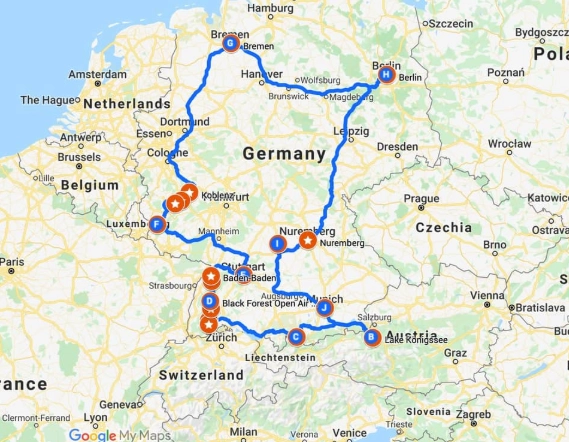
Day 1: History & Iconic Landmarks
Get an early start. Head straight to the Reichstag Building. You must book your free visit to the glass dome in advance on the Bundestag's official website. The audio guide you get up there is one of the best – it points out the city skyline and explains the parliament below. It's a brilliant introduction. From there, walk through the Brandenburg Gate. It's always crowded, but it still gives you a shiver.
Spend your afternoon at the Topography of Terror museum (free), built on the site of the Gestapo headquarters. It's a heavy but essential look at the Nazi machinery. Then, walk along the remaining stretch of the Berlin Wall at the East Side Gallery – the open-air art gallery. For dinner, skip the tourist traps around Alexanderplatz. Hop on the U-Bahn to Prenzlauer Berg (maybe around Kollwitzplatz) for a more relaxed, local vibe and great food.
Day 2: Museums, Culture & a Different Side
Today is for Museum Island, a UNESCO site. You can't do all five museums. Don't try. The Pergamonmuseum is partially closed for renovations (a huge bummer, check its official site for updates). I'd prioritize the Neues Museum for the stunning bust of Nefertiti and the Altes Museum for classical antiquities. Buy a day pass for the island if you plan to visit two or more.
In the afternoon, get out of the historic core. Take the S-Bahn to the Grunewald forest for a walk to the Teufelsberg – a hill made of wartime rubble with an abandoned Cold War spy station on top. It's weird, gritty, and offers amazing views. Alternatively, explore the street art and quirky shops in the Friedrichshain district.
Day 3: Local Life & Your Choice
Use your last morning to explore a market. The Turkish Market on Tuesday and Friday along the Landwehr canal in Kreuzberg is a sensory explosion. Or visit the Mauerpark flea market on a Sunday (if your dates align) for everything from junk to vintage treasures, plus the famous bear-pit karaoke.
The afternoon is flexible. History buffs might head to the Stasi Museum. Those needing green space could rent a bike and cycle through the Tiergarten. I spent one afternoon just wandering the courtyards (Höfe) of the Hackesche Höfe, getting lost, and drinking coffee. It was perfect.
Berlin demands energy, but it rewards you with stories you can't get anywhere else.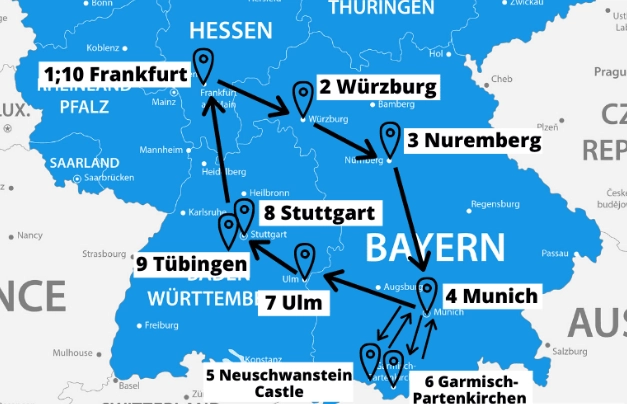
Day 4: Medieval Charm en Route to Bavaria
Time to move south. But instead of a boring 4-hour direct train to Munich, we're breaking the journey in Nuremberg. It's roughly halfway and a gem in its own right.
Book a morning ICE (high-speed train) from Berlin to Nuremberg (about 2.5 hours). Store your luggage in the lockers at Nuremberg's main station (Hauptbahnhof). It's a 15-minute walk or a quick tram ride to the heart of the old town.
Nuremberg's Altstadt is surrounded by a massive medieval wall. Climb up to the Imperial Castle (Kaiserburg) for the view. The main market square (Hauptmarkt) is lovely, and if you're there around Christmas, it's the site of one of the world's most famous Christkindlesmarkts. Have a late lunch here – try a trio of Nuremberg sausages (Nürnberger Bratwürste, they're small and delicious) with sauerkraut.
Catch a late afternoon train to Munich (about 1 hour). You'll arrive in the evening, check into your hotel, and maybe just have a simple dinner near your accommodation. The goal today is efficient travel with a great bonus stop, not a rushed marathon.
Days 5-6: Munich, Gemütlichkeit, and a Tough Choice
Day 5: The Heart of Munich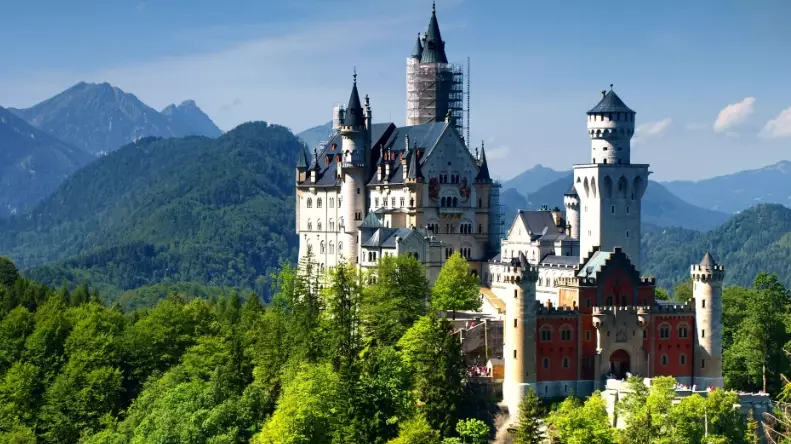
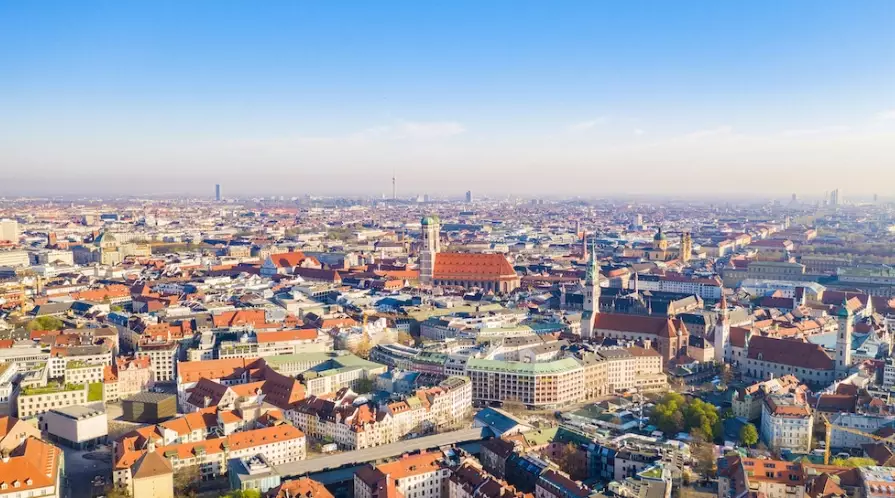
Munich feels like a world away from Berlin. It's wealthier, more polished, and proudly Bavarian. Start at Marienplatz for the 11 am Glockenspiel show in the New Town Hall. It's kitschy but fun. The view from the tower (Rathausturm) is worth the small fee.
Wander through the Viktualienmarkt, the city's sprawling daily food market. Grab a snack, people-watch. Then, dive into the Residenz, the former royal palace of the Wittelsbach family. It's opulent, huge, and can be overwhelming. Pick a section, like the Treasury or the main rooms, rather than trying to see it all.
Your evening should involve a beer hall. The Hofbräuhaus is the famous one, but it's 100% a tourist circus. For a more authentic (though still busy) experience, try the Augustiner Keller or the Hofbräukeller. Just sit at a shared table, order a Mass (liter mug) of Helles, and soak it in.
Day 6: The Day Trip Dilemma
Here's the biggest decision in this Germany itinerary 10 days plan. You have two stellar, but very different, options.
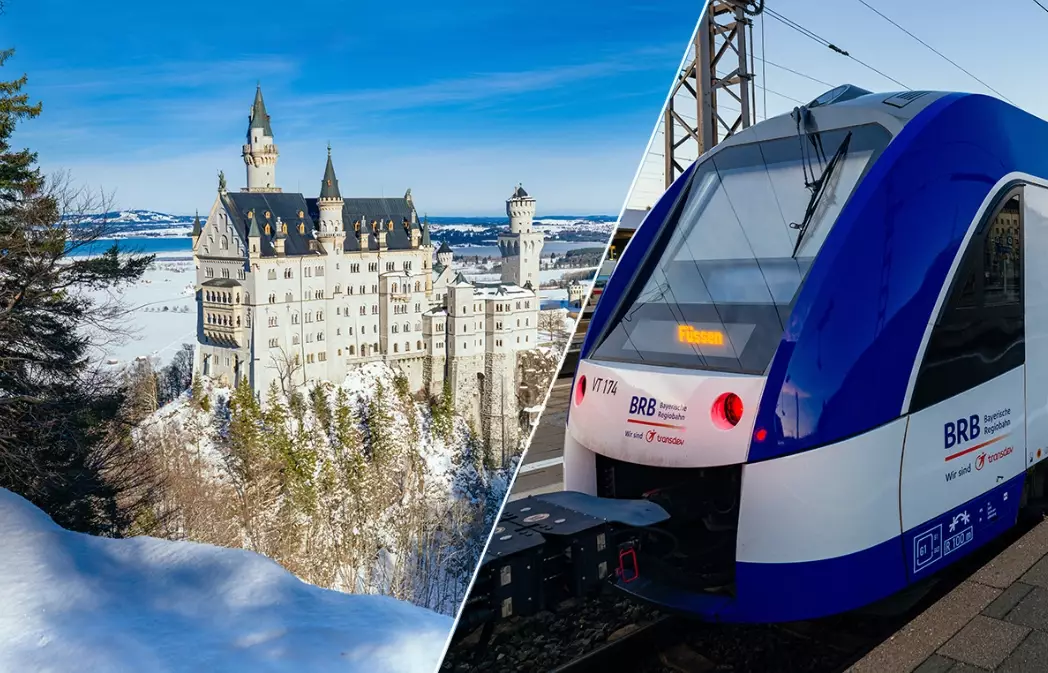
Option A: Neuschwanstein Castle. The fairy-tale castle. It's a long day: a 2-hour train to Füssen, then a bus. You must book your castle tour ticket online well in advance. The interior is actually quite unfinished and the tours are rushed, but the view of it from Marienbrücke bridge is the money shot. Is it over-hyped? Maybe. But it's undeniably iconic.
Option B: Dachau Concentration Camp Memorial Site. A profoundly sobering and necessary visit. It's a short S-Bahn ride from Munich. The site is a memorial, not a tourist attraction. Go with respect. The audio guide is excellent and essential. It will take up most of your day, emotionally and time-wise.
Day 7: Stepping into a Storybook on the Romantic Road
Today we trade the city for one of Germany's most famous medieval towns. Take a morning train from Munich to Rothenburg ob der Tauber (requires a change in Steinach, about 2.5 hours total). You'll immediately feel the shift in pace.
Rothenburg is almost too perfect, encircled by intact walls you can walk on. It can be swarmed with day-trippers by midday, but they mostly leave by late afternoon. Your mission is to be there for the quieter mornings and evenings.
Walk the town walls. Visit the Medieval Crime and Justice Museum – it's macabre but fascinating. Climb the Town Hall tower. And get your photo at Plönlein, the iconic fork in the road with half-timbered houses. For dinner, try a local Franconian specialty like Schäufele (slow-roasted pork shoulder).
Yes, it's touristy. But sometimes things are popular for a reason.
Day 8: Castles on the Rhine
Another travel day, but one of the most scenic. Take an early train from Rothenburg to the Rhine Valley. The connection usually involves going to Würzburg, then along the Rhine itself. Aim to base yourself in a small town like Bacharach or St. Goar.
This is the Middle Rhine Valley, a UNESCO World Heritage site where the river cuts through steep hills dotted with vineyards and castles. Ditch your bags at your hotel (many are family-run guesthouses in historic buildings – book ahead!).
The classic activity is a Rhine River cruise. Companies like KD Rhine run regular services. Don't do the whole length. Take a short, 1-2 hour stretch (e.g., from St. Goar to Bacharach or vice-versa). Sit on the deck with a Riesling from the on-board bar and watch castles like Pfalzgrafenstein, Burg Katz, and Burg Rheinfels glide by. It's pure magic.
Day 9: Hiking & Heading to the Exit Hub
You have a morning to enjoy the Rhine. One of the best things to do is hike. There's a fantastic trail between St. Goar and St. Goarshausen (on the other side, take the ferry across) that takes you up to Burg Rheinfels (a huge ruin you can explore) and gives you a view of the Loreley rock. It's manageable and rewards you with breathtaking vistas.
After lunch, take a train to Frankfurt (about 1-1.5 hours). Frankfurt is our practical departure hub, as it has Germany's busiest airport. It's a modern financial city with a small, rebuilt old town center.
Spend your afternoon strolling along the river Main (the Museumsufer is there if you have time), and see the Römerberg square with its cute timber-framed buildings. Have a final hearty German meal and maybe one last Apfelwein (Frankfurt's tart cider).
Day 10: Frankfurt & Auf Wiedersehen
Your final day depends on your flight time. If you have a few hours, you could visit the Goethe House, do some last-minute shopping on the Zeil, or simply enjoy a leisurely coffee. Then, make your way to Frankfurt Airport (FRA) via the easy S-Bahn connection.
And that's it. A complete, immersive, and realistic Germany travel itinerary for 10 days.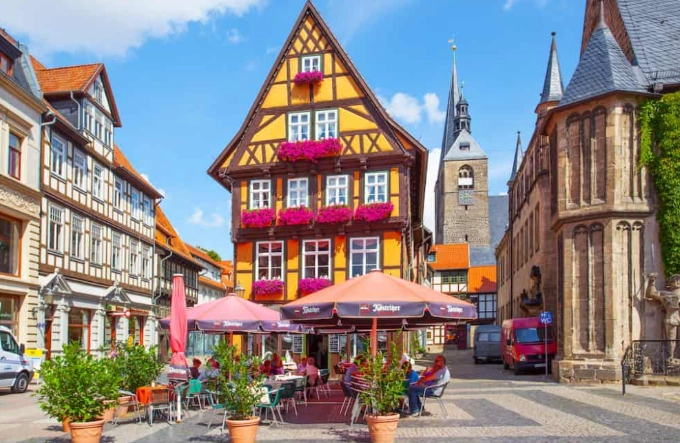
The Nuts & Bolts: Your Germany Travel Toolkit
A great itinerary is useless without the practical details. Let's get into them.
Getting Around: Trains Are Your Best Friend
For this specific 10 days in Germany itinerary, a Germany Rail Pass (Deutschland-Ticket for regional trains or the flexible German Rail Pass for all trains) will likely save you money compared to buying point-to-point tickets last minute. Use the official Deutsche Bahn (DB) website or app to plan connections and compare pass vs. ticket prices. Book seat reservations on ICE trains for long journeys (like Berlin to Nuremberg) for a small extra fee – it guarantees you a spot.
Where to Stay: Location Matters
- Berlin: Stay within the Ringbahn (the circular train line). Mitte is central but can be sterile. I prefer Kreuzberg, Friedrichshain, or Prenzlauer Berg for more character.
- Munich: Anything within a few U-Bahn stops of Marienplatz is great. The areas around the Hauptbahnhof are convenient but can be a bit seedy at night.
- Rothenburg / Rhine Valley: Here, the charm is in small guesthouses (Pensionen) or family-run hotels inside the old towns. Book early, especially for summer and fall.
Budget Breakdown: What Will This 10 Day Germany Trip Cost?
Germany isn't cheap, but it's not Scandinavia-level expensive. Here's a rough per-person estimate for a mid-range traveler (hostels/budget hotels on the low end, nicer hotels on the high end).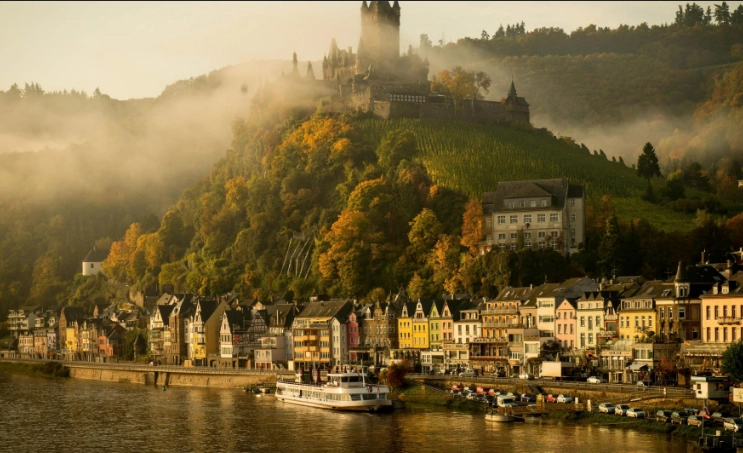
| Category | Low End (Budget) | High End (Comfort) | Notes |
|---|---|---|---|
| Accommodation | $500 - $700 | $1,000 - $1,500 | Based on avg. $50-70/night (hostel/guesthouse) vs. $100-150/night (hotel). |
| Food & Drink | $300 - $400 | $500 - $700 | Street food/bakeries vs. sit-down meals + beer/wine daily. |
| Transport (Rail Pass) | $250 - $350 | $250 - $350 | 10-day flexible German Rail Pass in 2nd class. |
| Attractions & Tours | $150 - $200 | $200 - $300 | Museum entries, castle tours, Rhine cruise, etc. |
| Total (Approx.) | $1,200 - $1,650 | $1,950 - $2,850 | Excluding international flights. |
Cultural Know-How: A Few Quick Rules
- Cash is King (Still): While cards are accepted in big cities and hotels, many smaller restaurants, shops, and markets are cash-only. Always have Euros on you.
- Sunday Silence: Most shops are closed on Sunday. Plan accordingly. Restaurants and attractions are open.
- Punctuality: Be on time for tours, reservations, and trains. It's appreciated.
- Toasting: When you clink glasses, look people in the eye. It's a superstition, but do it.
Answers to Your Burning Questions (FAQ)
Let's tackle the stuff you're probably Googling at 2 am.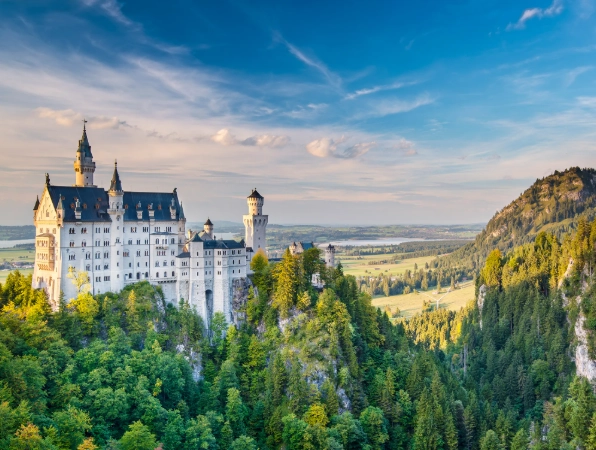
Is 10 days in Germany enough?
It's enough for a fantastic first-timer's trip that covers major regions without being a blur. You'll get a rich taste of the country's diversity. Of course, you could spend 10 days just in Bavaria, but this itinerary gives you a broader national portrait.
Should I rent a car for this Germany itinerary 10 days?
For this specific route, I wouldn't. The trains are efficient, scenic, and let you avoid city driving/parking stress. The only leg where a car might be nice is the Romantic Road/Rhine Valley section, but even there, trains and boats work perfectly. If you dream of exploring tiny Black Forest villages off the timetable, then a car for part of the trip makes sense. But for our plan, rail is king.
What's the best time of year for this trip?
Late Spring (May-June) and Early Fall (September-October) are golden. Pleasant weather, fewer crowds, beautiful colors. Summer (July-August) is busy and can be hot. December is magical for Christmas markets, but it's cold, dark by 4 pm, and very crowded. Winter outside of December can be grim.
Do I need to speak German?
Not at all for this tourist trail. English is widely spoken, especially by younger people and in the service industry. However, learning a few basics (Hallo, Danke, Bitte, Tschüss, and Ein Bier, bitte) is polite and will earn you smiles.
Is Germany expensive for food and drink?
It can be, but you have choices. A sit-down restaurant meal with a drink can be €15-25 per person. To save money, do what Germans do: grab lunch from a bakery or a sausage stand (Imbiss), and picnic in a park. Supermarkets like Aldi or Lidl are your friends for water, snacks, and simple breakfasts. Beer in a supermarket is often cheaper than water!
What if I want to modify this 10 day Germany itinerary?
Absolutely! This is a template. Love art? Swap a Berlin day for a trip to Dresden's museums. Prefer nature? Dedicate more time to the Black Forest or Berchtesgaden Alps instead of Frankfurt. Hate moving hotels? Use Munich as a longer base for more day trips. The framework is here – make it yours.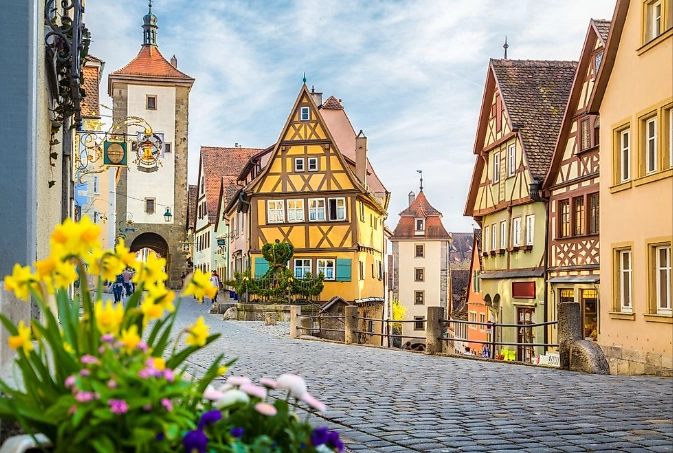
There you have it. A complete, detailed, and honest guide to planning an unforgettable 10-day journey through Germany. It mixes the must-sees with the local flavors, the history with the scenery, and gives you the tools to make it happen smoothly. Now all that's left is to book your ticket. Gute Reise!