So you've got two weeks and a dream of seeing Germany. Good choice. It's a country that packs a ridiculous amount into a relatively small space – gritty history, postcard-perfect towns, cutting-edge culture, and forests straight out of a Grimm's tale. But how do you fit it all into a Germany itinerary 14 days long without spending the entire time on a train?
That's the puzzle we're solving today. I've done this route myself, made the mistakes (like trying to see the Brandenburg Gate at midday in summer – never again), and figured out what's actually worth your time. This isn't just a list of cities; it's a blueprint for a trip that balances iconic sights with local flavor, efficient travel with spontaneous discovery.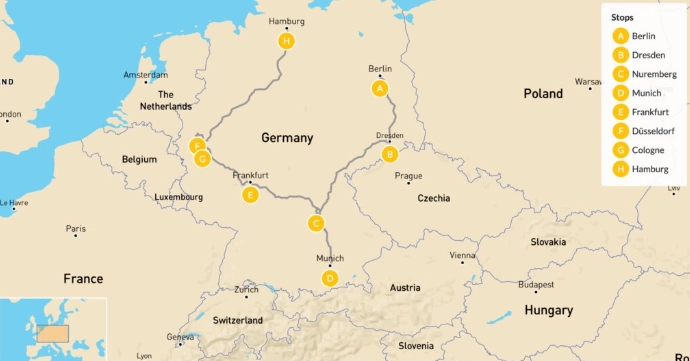
Why This Specific 14-Day Germany Itinerary Works
Look, you could spend two weeks just in Berlin or Bavaria and have a amazing time. But if you're like most first-timers, you want the highlights reel. This Germany travel plan is designed for that. It connects major transport hubs logically, groups geographically close attractions, and builds in what I call "pace changers" – a day on a scenic drive or a river cruise to break up the city-hopping.
It also tries to answer the real questions you have. Is the Bayern Ticket worth it? Should I book all my trains in advance? How do I actually visit a beer garden? We'll get to all that.
Your Day-by-Day Germany Itinerary: 14 Days on the Ground
Here's the detailed breakdown. I've included must-sees, food tips, and a realistic look at how much you can fit in a day without collapsing.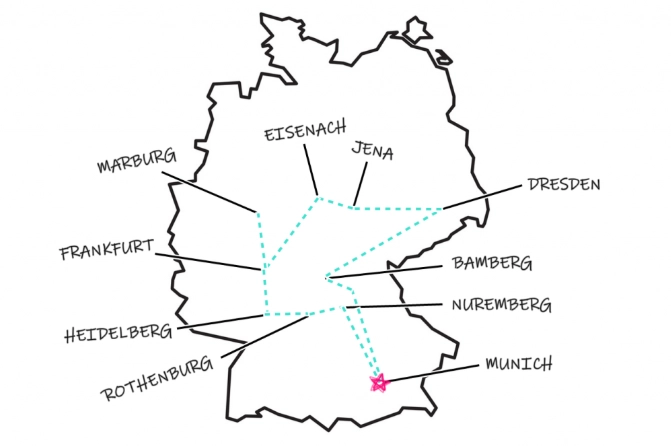
Days 1-3: Berlin – History, Art & Edge
Fly into Berlin Brandenburg (BER). Get a Berlin WelcomeCard for transport and discounts. Don't try to see it all. The city is sprawling.
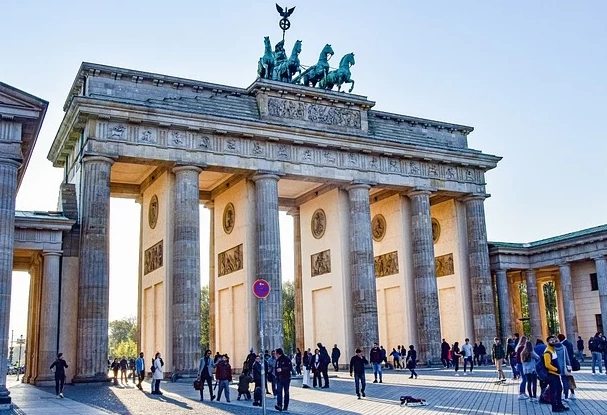
Day 1: Acclimatize. Walk from Brandenburg Gate down Unter den Linden to Museum Island. The view of the Gate is best early morning or at dusk. The Holocaust Memorial is a powerful, necessary visit. For dinner, skip the tourist traps around Alexanderplatz and head to a neighborhood like Prenzlauer Berg for a more authentic vibe.
Day 2: Dive into 20th-century history. Visit the Topography of Terror documentation center (free, intense). Then see the remaining sections of the Berlin Wall at the East Side Gallery (an open-air art gallery) and the more sober Bernauer Strasse Memorial, where you can truly grasp the wall's physical reality.
Day 3: Choose your own adventure. Option A: Palace of Charlottenburg and the quirky fun of the KaDeWe department store food hall. Option B: A street art tour in Kreuzberg and a lazy afternoon along the Landwehr Canal. At night, experience a traditional beer hall like Brauhaus Lemke, or if you're feeling adventurous, explore the legendary nightlife (be prepared for late nights).
Days 4-5: Dresden & Saxon Switzerland
Take a 2-hour train to Dresden. The city is a phoenix, meticulously rebuilt from WWII ashes. The Zwinger Palace and the Frauenkirche are stunning. But the real gem for me is the Procession of Princes mural, a massive porcelain tile masterpiece.
Days 6-7: Nuremberg & Romantic Road Prelude
Another 2-hour train to Nuremberg. This city is a study in contrasts: gorgeous medieval old town (the Christmas market here is legendary) and the sobering Nazi Party Rally Grounds Documentation Center. You can't understand modern Germany without confronting both. Try the famous Nuremberg Rostbratwurst (small, thin sausages, usually served as "Drei im Weggla" – three in a bun).
This is where our Germany itinerary 14 days takes a turn from trains to wheels. To properly explore the Romantic Road (Romantische Strasse), you'll need a car. Pick it up in Nuremberg on the morning of Day 7.
Days 7-9: The Romantic Road & Munich
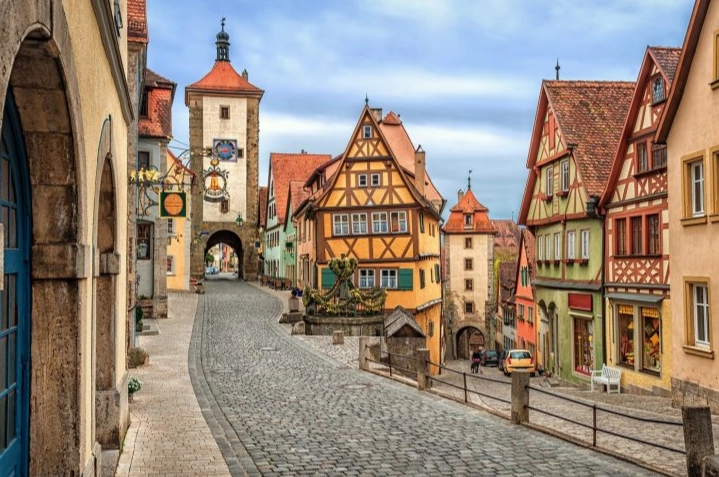
Day 7 (Drive): Leave Nuremberg early for Rothenburg ob der Tauber. Yes, it's touristy. Yes, it's worth it. It's the poster child for a medieval German town. Walk the intact town walls, get a Schneeball (a spherical pastry), and be sure to do the Night Watchman's Tour – it's kitschy but genuinely entertaining. Drive on to Dinkelsbühl or Nördlingen (less crowded, equally charming) to spend the night.
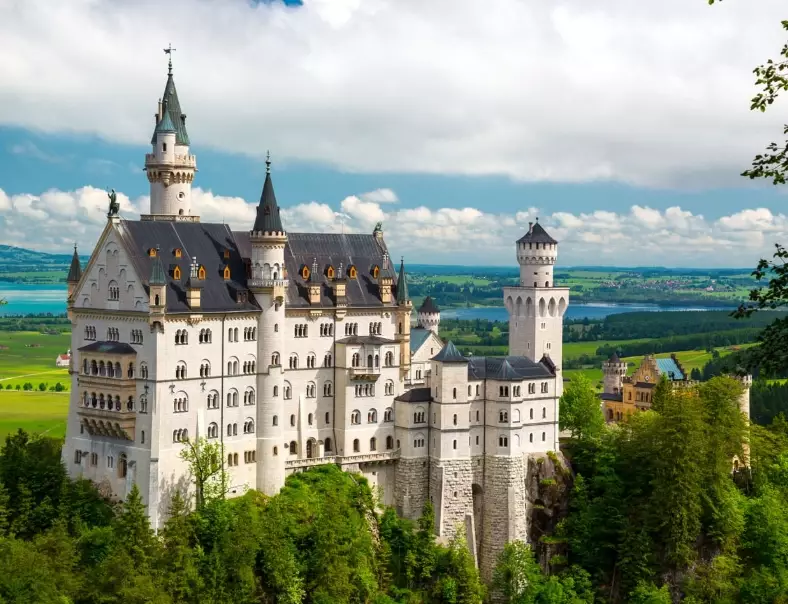
Day 8: Continue south. Stop at the Wieskirche, a UNESCO-listed rococo church that looks plain on the outside and will make your jaw drop inside. Then, drive to the grand finale: Neuschwanstein Castle. Book your timed entry ticket weeks in advance online. The view from Marienbrücke bridge is the money shot. Afterward, drive to Munich and drop off your car.
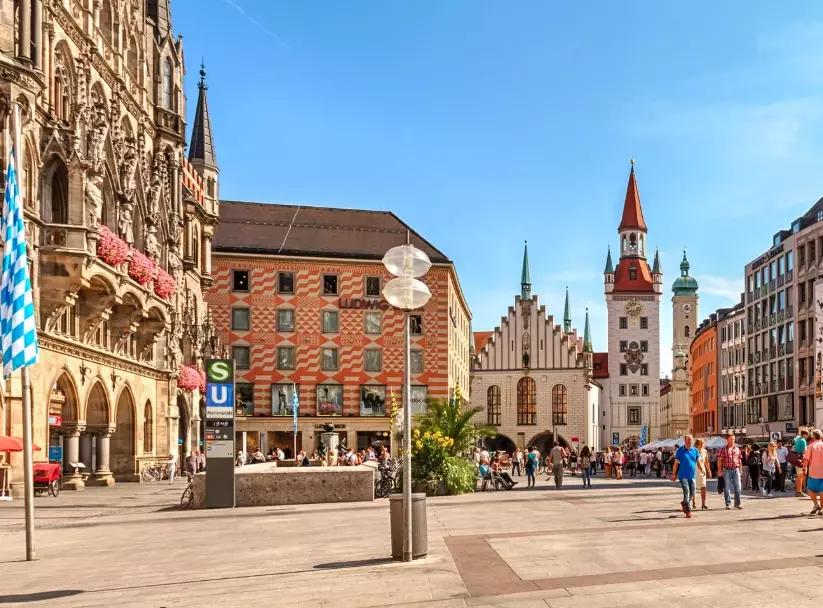
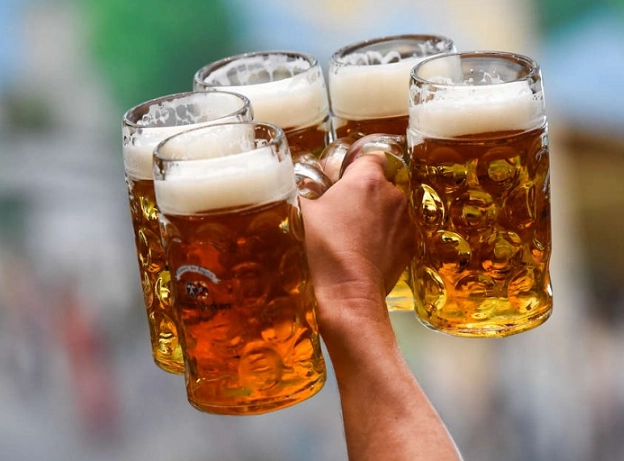
Day 9: Munich. Recover from driving. Stroll through the English Garden, see the surfers on the Eisbach wave, visit the Viktualienmarkt for lunch. In the afternoon, do a deep dive into the Residenz museum or the Deutsches Museum (if you love science and tech). Your evening must include a beer garden. Hofbräukeller am Wiener Platz is less central but feels more local than the famous Hofbräuhaus.
Days 10-11: The Black Forest & Heidelberg
Take a train to Freiburg (about 4.5 hours from Munich, often with a change). Freiburg is a delightful university town with bächle (little water-filled runnels) in the streets. Use it as a base to explore the southern Black Forest. Take a local train to the cute town of Triberg for Germany's highest waterfalls and the world's largest cuckoo clocks (it's as weird as it sounds).
On Day 11, train north to Heidelberg (approx. 2.5 hours). Heidelberg Castle, partially in ruins, has the best view of the red-roofed old town and the Neckar River. The Philosophers' Walk across the river is perfect for sunset. The student prison (Studentenkarzer) is a quirky, fun visit.
Days 12-13: Rhine Valley Castles & Cologne
Train to St. Goar or Bacharach on the Rhine (about 1.5 hours from Heidelberg). This is the most scenic stretch of the Rhine River, dotted with vineyards and castles. Ditch your big luggage at your hotel (book in advance here, options are limited).
Spend an afternoon cruising the river. The KD Rhine Line ferries are the classic way. Get on, get off at a town, explore, get back on the next ferry. It's relaxed and stunning. Visit Burg Rheinfels castle above St. Goar for great views.
Day 13: Take a morning train to Cologne (Köln), about 1.5 hours. The moment you step out of the Hauptbahnhof, the colossal Cologne Cathedral (Kölner Dom) will stop you in your tracks. It's breathtaking. Climb the 500+ steps to the south tower for the reward. Beyond the Dom, explore the Belgian Quarter for cool shops and cafes, and cross the Hohenzollern Bridge, covered in love locks. Try Kölsch beer in a traditional brewpub like Früh am Dom – the waiters (Köbes) are famously brusque, it's part of the charm.
Day 14: Departure from Cologne
Cologne Bonn Airport (CGN) is well-connected, or take a high-speed ICE train (about 1 hour) to Frankfurt Airport (FRA) for more flight options. If you have a late flight, the Ludwig Museum or the Roman-Germanic Museum are right by the cathedral.
And that's it. A complete, action-packed, but logistically sound Germany itinerary for 14 days.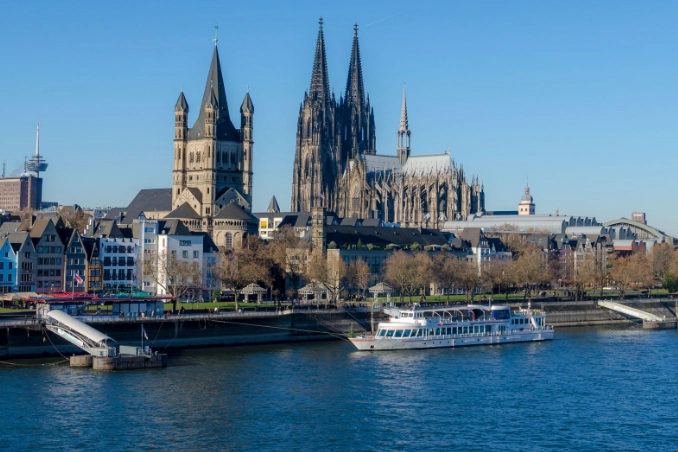
The Nuts & Bolts: Making Your Germany Travel Plan Work
A great itinerary is useless without the practical details. Let's get into them.
Transport: Train, Car, or Both?
This is the biggest question for a two weeks in Germany trip. The answer for this specific plan: Both.
- Trains (Berlin to Nuremberg, Munich to Freiburg to Heidelberg to Rhine to Cologne): Germany's Deutsche Bahn (DB) network is excellent. For high-speed ICE trains, booking in advance on the DB website gets you massive savings ("Sparpreis" fares). For regional trains (like to Saxon Switzerland or in the Black Forest), you can buy tickets on the day, often using regional day passes which are a steal for groups.
- Car (Nuremberg to Munich, via Romantic Road): This is non-negotiable for the Romantic Road. Public transport on that route exists but is slow and infrequent. A car gives you freedom. Rent in Nuremberg, drop in Munich. Book an automatic transmission early if you need one – they're less common.
| Transport Leg | Recommended Mode | Key Tip |
|---|---|---|
| City Exploration (Berlin, Munich, Cologne) | Public Transport / Walking | Get city day passes. They almost always pay off. |
| Long Distance (e.g., Berlin-Dresden) | Train (ICE) | Book Sparpreis tickets 3-4 months ahead for best price. |
| Romantic Road (Nuremberg to Füssen) | Rental Car | Book car early, ensure drop-off in Munich is allowed. |
| Rhine Valley Exploration | Train + Boat | Use KD ferry pass. Trains run on both river banks. |
Budgeting for Two Weeks in Germany
Germany isn't cheap, but it's not Scandinavia-level expensive. Costs can vary wildly.
- Accommodation: €80-€120 per night for a decent double room in a city center hotel or a nice Airbnb. Hostels are €25-€40 for a dorm bed.
- Food: €30-€50 per day if you mix supermarket breakfasts, bakery lunches (the bakeries are fantastic and cheap), and sit-down dinners. A main course in a mid-range restaurant is €12-€20. Don't forget to budget for beer/wine!
- Transport: This is the wild card. A 14-day continuous Germany rail pass is around €430 for 2nd class. However, mixing advance purchase Sparpreis tickets for long legs and regional passes might be cheaper. Car rental for 3 days plus gas: €150-€200. Internal flights are rarely worth it for this route.
- Attractions: Budget €15-€25 per day for museum entries, castle tours, etc. Many churches are free (donations appreciated), and simply walking around beautiful towns costs nothing.
So, for a comfortable mid-range trip for one person, excluding international flights, aim for €2,000 to €3,000 for the 14 days. You can do it cheaper with hostels and fast food, or much more luxurious.
Where to Stay: Location is Everything
In cities, prioritize staying near a major U-Bahn (subway) or S-Bahn (city train) station, not necessarily the absolute city center. It's often cheaper and just as convenient. In Berlin, areas like Charlottenburg or near Hauptbahnhof are good. In Munich, anything within the Mittlerer Ring is well-connected.
For the Romantic Road, stay in one of the smaller towns like Dinkelsbühl or Füssen instead of Rothenburg for a more peaceful evening. In the Rhine Valley, your choice is limited to the small riverside towns – book early.
Answers to Questions You're Probably Asking (FAQ)
For a first-time overview covering the north, east, and south, it's just right. You get a solid taste without being ridiculously rushed. You could easily stretch it to 3 weeks, spending more time in Berlin or adding a place like Hamburg or the Moselle Valley. Two weeks keeps it focused.
It depends. The German Rail Pass (not to be confused with the multi-country Eurail) offers flexibility. But with fixed itinerary plans, you can often beat its price by booking non-refundable Sparpreis tickets months in advance. Do the math both ways. For our itinerary with a car section in the middle, a continuous pass might not be optimal.
Late spring (May-June) and early autumn (September-October) are golden. The weather is mild, crowds are manageable, and everything is open. Summer (July-August) is peak season – busy, hot, and more expensive. Winter can be magical (Christmas markets!), but daylight is short, and some rural attractions (like boat tours) may be closed.
Not at all for this tourist trail. Almost everyone in the hospitality and tourism industry speaks excellent English. However, learning a few basic phrases (Guten Tag, Danke, Bitte, Ein Bier bitte) is polite and appreciated. Germans respect the effort.
Germans typically eat a light breakfast, a warm main meal at lunch (Mittagessen), and lighter cold cuts or bread in the evening (Abendbrot). But as a tourist, eat whenever you're hungry! Tipping is simpler than in the US. Round up the bill or add 5-10% for good service. Just tell the server the total amount you want to pay (e.g., if the bill is €18.50, hand them a €20 note and say "Zwanzig, bitte" meaning keep the change).
Final Thoughts Before You Go
This Germany itinerary for 14 days is a template, not a prison sentence. If you hate museums, swap a museum day for a food tour. If you love hiking, add an extra day in the Black Forest. The beauty of having a solid framework is that you know what you're moving around.
Pack comfortable walking shoes above all else. Bring a reusable water bottle – tap water (Leitungswasser) is safe and excellent, though you'll often need to ask for it specifically in restaurants. Have a small amount of cash (Euro), as some smaller shops, bakeries, and beer gardens are cash-only.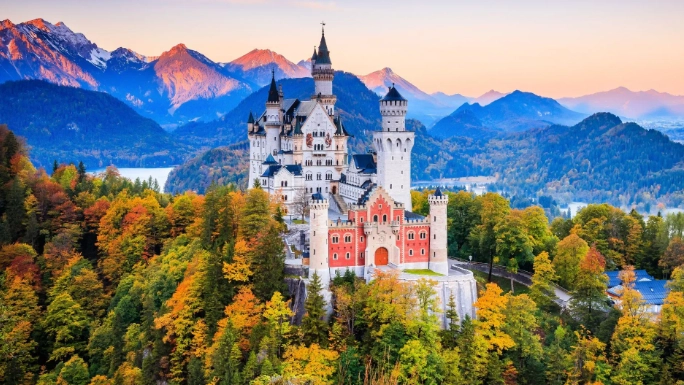
Most importantly, leave some slack in your schedule. Get lost in a side street. Sit in a beer garden for an extra hour people-watching. Follow a sign to a viewpoint you didn't read about. Some of my best memories from my Germany travel plan came from the unplanned moments between the checklist items.
Have an incredible trip. Deutschland is waiting.