Your Quick Navigation Guide
Let's get one thing straight right away. Asking for the single best German beer is like asking for the best song ever written. It depends entirely on your mood, the setting, and frankly, what you had for lunch. Someone craving a crisp, refreshing drink on a hot day will give you a completely different answer than someone settling in by a fireplace in December. That's the beautiful thing about German brewing – the incredible diversity.
My own journey with German beer started years ago with a questionable bottle of generic "export" from a supermarket. It was fine. Then, on a trip to Munich, I had a freshly tapped Augustiner Helles at a beer garden. It was a revelation. The flavor was clean, subtly complex, and just incredibly satisfying. It wasn't about a punch of hops or a boozy kick. It was about balance. That experience sent me down a rabbit hole, and I've been exploring ever since.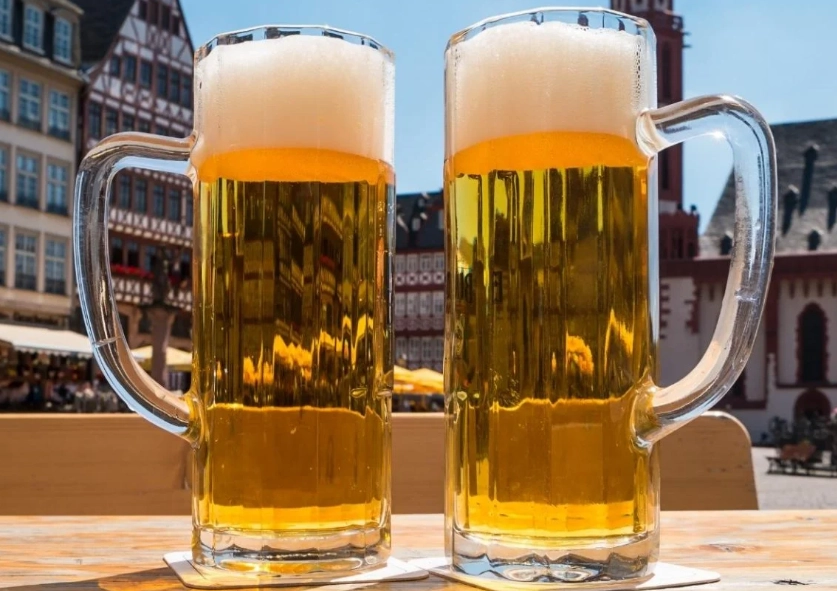
The Backbone: Why German Beer Has Such a Stellar Reputation
You don't get a global reputation for quality by accident. Germany's beer culture is built on a foundation that goes back centuries. The most famous pillar is the Reinheitsgebot, or the German Beer Purity Law. First enacted in Bavaria in 1516, it originally stipulated that beer could only be made from three ingredients: water, barley, and hops (yeast's role wasn't understood yet).
The modern version, governed by the German Brewers' Federation (Deutscher Brauer-Bund), allows for yeast, malted barley, hops, and water for bottom-fermented beers, and adds malted wheat for top-fermented wheat beers. Some specialty beers can use sugar or other ingredients, but the core principle remains.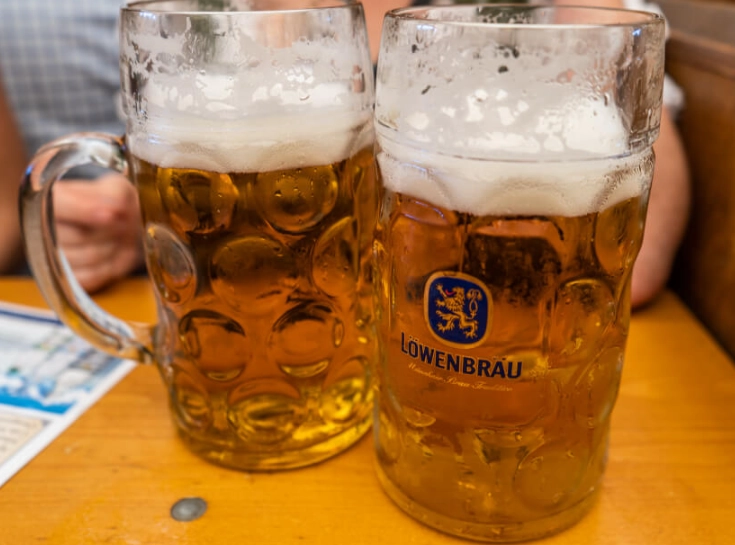
What does this mean for you, the drinker? Consistency and focus. It forces brewers to be masters of their core ingredients. You won't find German brewers hiding flaws with fruit purees or excessive spices (with some specific style exceptions). The quality of the malt, the character of the hops, and the skill of the brewer are front and center. This law is a big reason why when people think of reliable, well-crafted beer, they often think of Germany.
But it's not just the law. It's the culture. Beer in Germany isn't just a beverage; it's a social lubricant, a celebration of season and region, and a point of immense local pride. Every town seems to have its own brewery, and every region its signature style.
A Map of Flavor: The Major German Beer Styles Explained
Forget light vs. dark for a minute. The most useful way to navigate German beer is by yeast type: bottom-fermented (lagers) and top-fermented (ales). Most of the classics are lagers, which are fermented at cooler temperatures, resulting in cleaner, crisper profiles.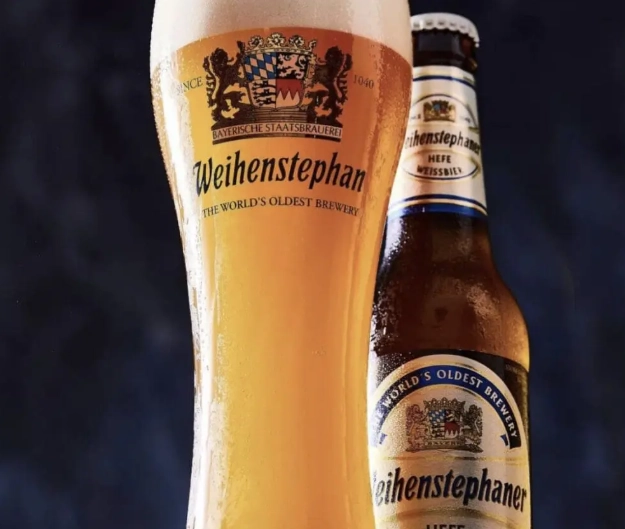
The Lager Giants
This is where Germany truly shines. If you've had a "German beer," chances are it fell into one of these categories.
- Pilsner (or Pils): The king of crispness. Originating in the Czech town of Pilsen but perfected in Germany, a German Pils is pale gold, highly carbonated, and defined by a pronounced, spicy, floral hop bitterness from noble hops like Hallertau or Tettnang. It's dry, refreshing, and the ultimate thirst-quencher. Think of it as the precision tool of beers. A great example is Bitburger with its famous "Bitte ein Bit" slogan, or the slightly more rounded Warsteiner. For a sharper, more hop-forward experience, seek out a Jever Pils from the north – it's famously bitter, almost bracing.
- Helles: Meaning "bright" or "pale," this is the everyday beer of Bavaria. It's what you'll get in a massive one-liter Maßkrug at Oktoberfest (the festival beer is a stronger variant called Festbier, but it's closely related). Compared to a Pils, a Helles is maltier, smoother, and has a much softer hop presence. The focus is on a gentle, bready, slightly sweet malt flavor with just enough hops to keep it balanced. It's incredibly drinkable. Augustiner Helles is widely considered one of the best, if not the best german beer in this style. Its soft, almost creamy texture is legendary. Spaten and Hofbräu also make excellent versions.
- Export: A slightly stronger, fuller-bodied lager than Helles, originally brewed for, you guessed it, export. It has a bit more malt sweetness and alcohol, making it feel more substantial. Dortmunder Export is the classic style from the industrial city of Dortmund – balanced, golden, and smooth.
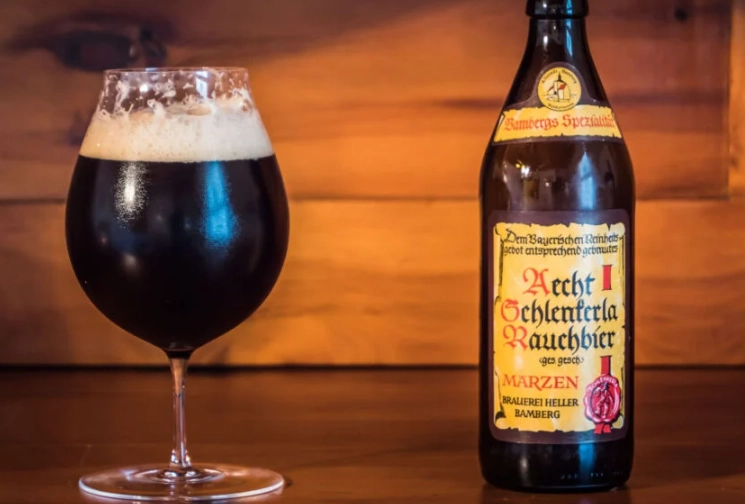
- Märzen / Oktoberfestbier: The original amber-colored lager of Oktoberfest. Märzen ("March beer") was historically brewed in March and lagered through the summer to be ready for autumn festivals. It's toasty, malty, with flavors of bread crust and a hint of caramel, but still finishes clean. Many modern Oktoberfest beers served at the festival are now closer to a golden Festbier, but the traditional amber Märzen is still a fantastic, flavorful style. Paulaner Oktoberfest Märzen is a textbook example.
The Wonderful World of Wheat Beers (Weißbier/Weizen)
Top-fermented and often hazy, these are the flavor-packed ales of Germany. Brewed with a significant portion of malted wheat (at least 50%), they are famously refreshing with distinctive notes of banana and clove, which come from the special yeast strain used.
- Hefeweizen: The classic unfiltered wheat beer. "Hefe" means yeast, and you'll see it cloudy in the glass. It's highly carbonated, light-bodied, and bursting with those fruity (banana) and spicy (clove, bubblegum) aromas. It's a fantastic summer beer and a great gateway for people who think they don't like "beer." Weihenstephaner Hefe Weissbier, from the world's oldest continuously operating brewery (founded in 1040!), is my personal benchmark. It's perfection in a bottle. Schneider Weisse is another absolute top-tier producer.
- Kristallweizen: The filtered version of Hefeweizen. Crystal clear, it loses some of the yeast-driven complexity but gains a brilliant, sparkling appearance and a slightly crisper finish. It's less common but worth trying for a different perspective.
- Dunkles Weizen: A dark wheat beer. It combines the banana/clove yeast character with the toasty, chocolatey, or caramel notes from darker malts. It's a wonderful hybrid – refreshing yet rich. Erdinger Dunkel is a widely available and reliable example.
The Dark Side: Rich and Roasty Delights
German dark beers aren't necessarily heavy or overly bitter. They're often about malt complexity.
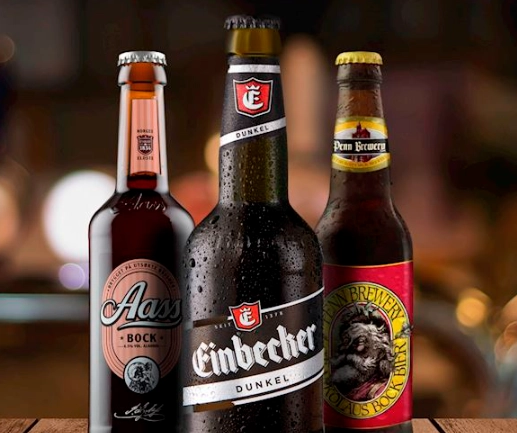
- Dunkel: Simply means "dark." This is a Munich-style dark lager. Think of it as a Helles but made with darker, roasted malts. The result is a smooth, malty beer with flavors of chocolate, nuts, bread crust, and a hint of caramel, but with the clean finish of a lager. It's incredibly sessionable. Weltenburger Kloster Barock-Dunkel is a stunningly good one from a monastic brewery.
- Schwarzbier: "Black beer." Don't let the near-black color fool you; this is a lager, not a stout. It's dry, crisp, and features a distinctive roasted malt flavor (think dark coffee or bitter chocolate) without the heaviness or high alcohol of a porter. It's a really elegant style. Köstritzer Schwarzbier is the iconic brand here and is surprisingly easy to drink.
- Bock & Doppelbock: The strong ones. Bocks are stronger lagers, malty and warming. Doppelbocks ("double bock") are even stronger, richer, and more full-bodied. They were historically brewed by monks as "liquid bread" for periods of fasting. They are deep amber to brown, with intense malt flavors of toast, toffee, and dark fruit. They can be surprisingly sweet. Paulaner Salvator is the original Doppelbock that gave the style its "-ator" suffix. Others include Spaten Optimator and Ayinger Celebrator. I find some doppelbocks too sweet for my taste, but on a cold night, they can be perfect.
To make comparing these core styles easier, here's a quick-reference table:
| Style | Fermentation | Color & Appearance | Key Flavor Profile | Best For... | Classic Example |
|---|---|---|---|---|---|
| German Pilsner | Bottom (Lager) | Pale Gold, Clear | Crisp, Dry, Pronounced Herbal Hop Bitterness | Hot Days, With Salty Food | Bitburger, Jever |
| Helles | Bottom (Lager) | Pale Gold, Clear | Soft, Bready Malt, Subtle Hops, Very Smooth | Everyday Drinking, Social Sessions | Augustiner Helles |
| Hefeweizen | Top (Ale) | Hazy Gold | Banana, Clove, Bubblegum, Refreshing | Summer, Brunch, As a Gateway Beer | Weihenstephaner Hefe Weissbier |
| Dunkel | Bottom (Lager) | Amber to Brown, Clear | Toasty, Nutty, Chocolate, Clean Finish | Cool Evenings, Hearty Food | Weltenburger Kloster Dunkel |
| Schwarzbier | Bottom (Lager) | Very Dark Brown/Black, Clear | Roasted Coffee/Dark Chocolate, Dry & Crisp | People Who Like Dark Flavors But Not Heavy Beers | Köstritzer Schwarzbier |
| Doppelbock | Bottom (Lager) | Dark Amber to Brown | Strong, Malty, Toffee, Dark Fruit, Warming | Cold Weather, Sipping, Dessert Pairings | Paulaner Salvator |
Beyond the Big Names: Legendary Breweries and Regional Gems
While the styles give you a framework, the breweries bring them to life. Some have become global giants, others remain cherished local secrets.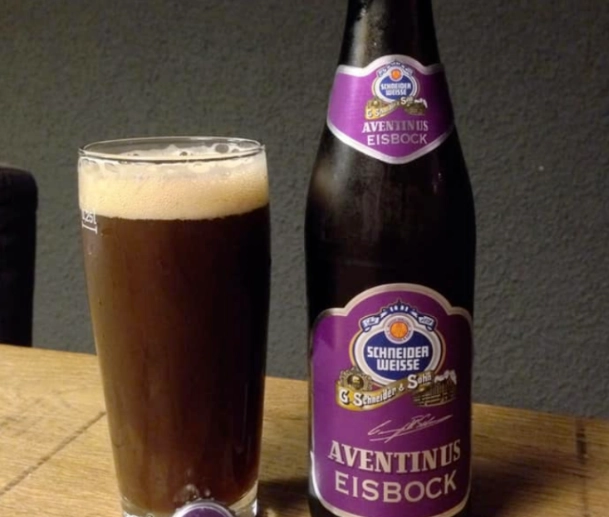
The Bavarian powerhouses are household names: Augustiner (my sentimental favorite for its untouched, traditional taste), Paulaner, Spaten, Hacker-Pschorr, and the state-owned Hofbräu. They all produce a range of excellent beers, especially their Helles and specialty brews.
Then you have the wheat beer specialists. Weihenstephaner (again, the world's oldest brewery) is technically a state-owned brewery attached to the university, and their technical prowess shows in every flawless bottle. Erdinger is the world's largest wheat beer brewery, and their beers are consistently good and widely available. Schneider Weisse from Kelheim is a family-owned gem that does incredible things with wheat, including their strong Aventinus line.
But don't stop there. Seek out beers from monastic breweries (Klosterbrauerei) like Andechs or the aforementioned Weltenburg. Their doppelbocks are spiritual experiences. In Cologne, you must try a Kölsch – a pale, top-fermented, but brilliantly clear and crisp ale served in skinny 0.2L glasses. It's a style unto itself, protected by a convention similar to the one for Champagne. Früh and Gaffel are famous Kölsch breweries.
In Düsseldorf, the rival beer is Altbier ("old beer"), a copper-colored, top-fermented ale that is more malty and hoppy than a Kölsch. It's a fantastic, underrated style. Zum Uerige is the classic place to try it fresh from the barrel.
Your Practical Guide to Choosing, Buying, and Tasting
Theory is great, but let's get practical. How do you actually find the best german beer for your situation?
How to Choose
- For a BBQ or Hot Day: You want something crisp and refreshing. Go for a German Pilsner (like a Bitburger) or a Helles (Augustiner). A Hefeweizen is also a brilliant choice here.
- For a Cozy Night In: Time for malt complexity. A Dunkel or a Schwarzbier pairs wonderfully with roasted meats or even just some nuts and cheese.
- For a Celebration or Gift: Go for strength and prestige. A bottle of Ayinger Celebrator Doppelbock (it comes with a little plastic goat!) or a beautiful bottle of Weihenstephaner Vitus (a strong weizenbock) makes a statement.
- If You're New to Beer: Start with a Hefeweizen. Its fruity, spicy notes are very approachable. A malty, smooth Helles is another safe and delightful entry point.
Buying and Storing Tips
Brown bottles are better than green or clear ones, as they block more light that can "skunk" the beer. Cans are actually excellent for freshness, as they block all light and oxygen. Don't be snobby about cans for classic styles.
Store beer in a cool, dark place. The fridge is perfect for short-term storage. Don't store it in a warm kitchen or garage for weeks on end.
Pour it! Even lagers benefit from a pour that releases carbonation and creates a head. For Hefeweizen, as mentioned, be aggressive to get the yeast in.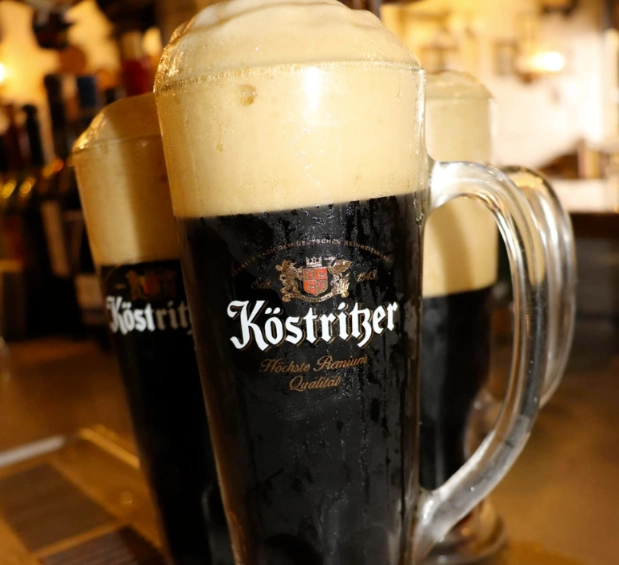
A Simple Tasting Approach
- Look: Note the color, clarity, and the quality of the foam.
- Smell: Give it a good sniff. Do you get bread? Flowers? Banana? Coffee? This is where a lot of the magic is.
- Taste: Take a sip, let it coat your tongue. Think about the balance. Is it more malty or hoppy? Sweet or dry? What flavors come through after the initial sip?
- Feel: Is it light-bodied and spritzy? Creamy and full? Dry and prickly?
Common Questions (Stuff People Really Want to Know)
Bringing It All Home
So, after all this, what's the verdict on the best german beer?
The truth is, you're now equipped to find your own answer. You know that a crisp, bitter Pilsner might be your best german beer after mowing the lawn. A rich, toasty Dunkel might be the best german beer to pair with a sausage and sauerkraut dinner. A fizzy, fun Hefeweizen might be the best german beer to convert a skeptical friend.
The quality is baked into the system – the law, the history, the regional pride. Your job is just to explore. Start with a classic like a Weihenstephaner Hefeweizen and an Augustiner Helles. From there, venture into the darkness with a Köstritzer Schwarzbier, then get strong with a Paulaner Salvator.
Don't get hung up on rankings. The real joy is in the variety and the reliability. In a world of ever-changing craft beer trends, German beer remains a cornerstone of flavor, tradition, and sheer drinkability. Your personal list of the best german beer will grow and change, and that's exactly how it should be.
Now, if you'll excuse me, all this writing has made me thirsty. I think I hear a Helles calling my name.