Your German Food Roadmap
- The Heart of the Matter: Main Dishes You Can't Miss
- Beyond the Sausage: A Deeper Look at Wurst
- The Supporting Cast: Sides, Breads & Spreads
- Sweets That Will Ruin Your Diet
- What to Drink: It's Not *Just* Beer
- Where to Eat: Navigating German Restaurants
- How to Order & Eat Like You Know What You're Doing
- Regional Specialties: Your Geographic German Food List
- Answers to Questions You're Probably Asking
- Final Thoughts Before You Dig In
Let's be honest, when you think of German food, what pops into your head? Bratwurst, pretzels, maybe a giant beer stein. Right? I thought the same thing before I spent a summer hopping from Gasthaus to Gasthaus, from Berlin beer gardens to Black Forest farmhouses. What I found completely rewired my understanding. German cuisine is this incredible mosaic of regional pride, seasonal ingredients, and dishes with stories that go back centuries. It's hearty, sure, but it's also surprisingly diverse and nuanced.
This isn't just another generic list. This is the German food list I wish I had before I went. It's built on the stuff locals actually eat, the dishes that define regions, and the practical know-how of where to find them and how to order. We're going way beyond the tourist menus.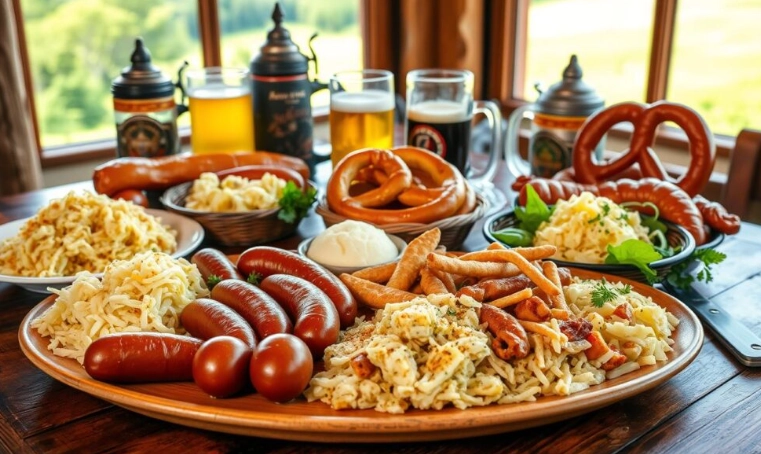
The Heart of the Matter: Main Dishes You Can't Miss
If your German food list only has five things, these should probably be on it. These are the pillars.
Schnitzel: More Than Just Fried Meat
Okay, we have to start here. But not all Schnitzel is created equal. The real star is Wiener Schnitzel, which, by law in Germany (and Austria), must be made from veal. It's pounded incredibly thin, breaded, and fried to a perfect golden crisp. The result is tender, juicy, and light. The breading shouldn't be a heavy armor; it should be a delicate, airy shell. You'll often find it served with a lemon wedge and potato salad or fries. Now, you'll also see Schweineschnitzel (pork), which is more common and cheaper. Both are delicious, but if you want the classic, go for the veal.
My personal take? A good Schnitzel is a thing of beauty. A bad one is a greasy, chewy disappointment. Look for places that mention "kalbsfleisch" (veal) and where it looks like it's been carefully prepared, not just dumped in a fryer.
The Dumpling Universe: Knödel & Spätzle
This is where German food gets really comforting. Knödel are dumplings, usually made from potatoes or bread rolls (Semmelknödel). They're dense, pillowy, and perfect for soaking up gravy. They're a staple in Bavaria and often served with roasts.
Then there's Spätzle. Oh, Spätzle. These aren't your average egg noodles. They're soft, irregular little dumplings, often scraped by hand into boiling water. They can be a side dish, but they shine as a main course like Käsespätzle – Germany's incredible answer to mac and cheese. Layers of Spätzle are baked with copious amounts of melted cheese (usually Emmentaler) and topped with crispy fried onions. It's simple, indulgent, and absolutely heavenly on a cold day. A true heavyweight on any serious German food list.
Don't underestimate the humble dumpling.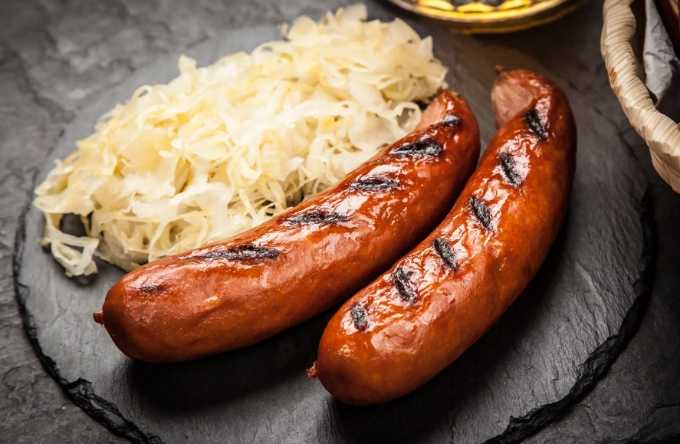
Eisbein & Schweinshaxe: The Feast Meats
For the adventurous eater. Eisbein is a cured, boiled ham hock (pork knuckle), often with the bone in. It's incredibly tender, falling off the bone, and typically served with sauerkraut and mashed peas. It's a Berlin specialty.
Schweinshaxe is its roasted, crackling-skinned cousin from Bavaria. The skin is salted and roasted until it's shatteringly crisp, while the meat inside stays juicy. It's a massive portion, a real centerpiece dish you'll find in beer halls. It's glorious, but be prepared – it's a commitment.
Beyond the Sausage: A Deeper Look at Wurst
Yes, we have to talk sausages. But let's get specific, because "German sausage" is like saying "Italian pasta" – there are hundreds of kinds. Here’s a quick guide to the superstars you'll actually encounter.
| Sausage Name | Key Characteristics | How It's Usually Served | Best Place to Try |
|---|---|---|---|
| Bratwurst | Finely ground pork/veal, seasoned with marjoram, nutmeg. The classic. | Grilled, in a bread roll (Brötchen) with mustard. | Any street food stand (Imbiss), especially in Nuremberg (where they're smaller). |
| Currywurst | Steamed then fried pork sausage, sliced, doused in a spiced ketchup-curry sauce. | Sliced, with curry powder sprinkled on top, served with fries. | Berlin is its spiritual home. Look for dedicated Currywurst shops. |
| Weisswurst | "White sausage." Made from veal, parsley, lemon, cardamom. Very mild. | Poached, traditionally eaten before noon. You suck the meat out of the skin. | Bavarian beer gardens for breakfast or late morning, with sweet mustard and a pretzel. |
| Blutwurst | Blood sausage. Dark, dense, rich in iron flavor. Not for everyone. | Often pan-fried and served with mashed potatoes and applesauce. | Traditional restaurants in the Rhineland or Westphalia. |
| Frankfurter Würstchen | Long, thin, smoked sausage made from pure pork. | Simmered in hot water, served with bread, mustard, and potato salad. | Frankfurt, obviously. But common nationwide. |
See? It's a whole world. A good German food list doesn't just say "sausage"; it helps you tell them apart. My advice? Try a simple Bratwurst from a market grill first. Then branch out to Currywurst for something saucy and fun.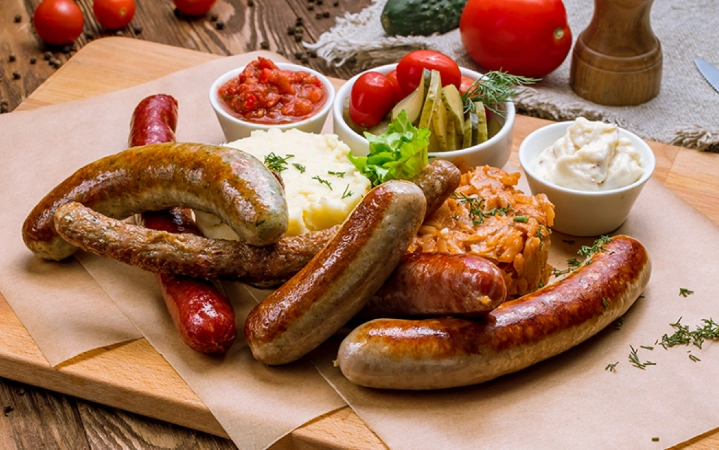
The Supporting Cast: Sides, Breads & Spreads
These aren't afterthoughts. They're essential components that make the meal.
Sauerkraut & Potato Salad
Sauerkraut is fermented white cabbage. The good stuff is tangy, crunchy, and cuts through the richness of fatty meats perfectly. It's not just a soggy pile; it's a digestive aid and a flavor powerhouse. Sometimes it's cooked with juniper berries or white wine.
German potato salad (Kartoffelsalat) is a revelation if you only know the mayo-heavy version. In most of Germany, especially the south, it's dressed in a warm broth, vinegar, oil, and mustard, with bits of onion and bacon. It's tangy, savory, and much lighter. It's the perfect side to Schnitzel.
The Bread Culture: Brotzeit
Germans take bread seriously. There are over 300 varieties of dark, dense, seeded rye breads (Roggenbrot, Vollkornbrot). This leads to Brotzeit – "bread time." This isn't just a snack; it's a ritual. A platter of assorted breads is served with an array of cold cuts (Aufschnitt), cheeses, and spreads.
The spreads are key. You must try Obatzda, a Bavarian delicacy of ripe camembert mashed with butter, paprika, and onions. It's creamy, tangy, and spread thickly on a pretzel. Another is Leberwurst (liverwurst), a smooth liver pâté that's far more delicious than it sounds.
Sweets That Will Ruin Your Diet
German desserts are not dainty. They are substantial, often involving fruit, cream, and lots of pastry.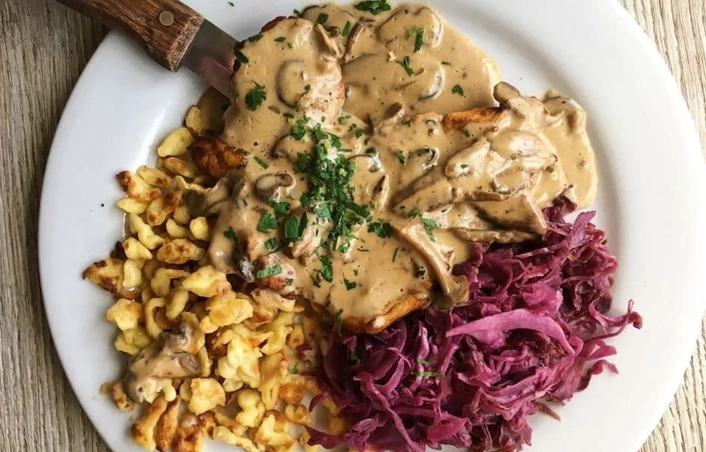
Black Forest Gateau (Schwarzwälder Kirschtorte) is the famous one: layers of chocolate sponge, whipped cream, sour cherries, and a distinct kick from Kirschwasser (cherry schnapps). The real deal, as defined by the German Food Code, has strict rules about its ingredients.
Apfelstrudel needs no introduction. Flaky, thin pastry wrapped around spiced apples, raisins, and breadcrumbs. Served warm, often with vanilla sauce (Vanillesoße) or a scoop of ice cream.
Then there are the pastries you find in every café: Bienenstich ("bee sting" cake, with a honey-almond topping), Donauwelle (marble cake with sour cherries and buttercream), and the simple, glorious Streuselkuchen (crumb cake).
Coffee and cake (Kaffee und Kuchen) at 3 PM is a sacred tradition. Join in.
What to Drink: It's Not *Just* Beer
Beer is a food group here, governed by the Reinheitsgebot (Beer Purity Law), which historically limited ingredients to water, barley, and hops. This led to incredible quality and variety. You have light Helles, dark Dunkles, malty Bocks, smoky Rauchbier, and the tart, top-fermented Berliner Weisse (often served with a shot of sweet syrup).
But wine is huge too. Germany produces some of the world's finest Rieslings – not all are sweet! Look for "Trocken" (dry) or "Halbtrocken" (off-dry) from regions like Mosel or Rheingau. A dry Riesling with a fish dish or pork is magical.
For spirits, try a clear, fiery Schnaps (fruit brandy) like Kirschwasser (cherry) or Williamsbirne (pear), often served as a digestif after a heavy meal. It really does help.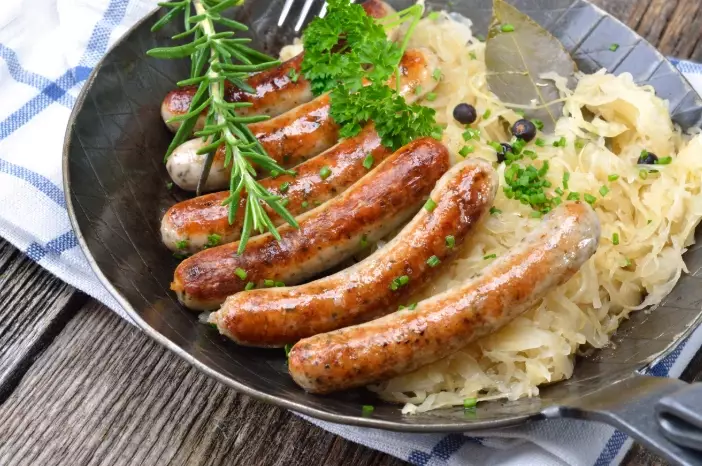
Where to Eat: Navigating German Restaurants
This is practical stuff most food lists forget. Knowing the *type* of place is half the battle.
- Gasthaus / Gaststätte: The classic local inn. Often family-run, with regional, home-style cooking. This is where you find the most authentic daily specials (Tagesgericht).
- Brauhaus: A brewery restaurant. Hearty food designed to go with their own beer. Expect communal tables and a lively atmosphere.
- Imbiss: A snack stand or small takeaway. For Currywurst, fries, and simple sausages. Fast, cheap, and often delicious.
- Biergarten: Beer garden. In Bavaria, you can often bring your own food! Usually offers a limited menu of classics like pretzels, Obatzda, and Haxe.
- Konditorei: A café-pastry shop. The place for Kaffee und Kuchen.
How to Order & Eat Like You Know What You're Doing
A few unspoken rules to boost your confidence.
Lunch (Mittagessen) is often the main hot meal, with many restaurants offering a cheaper "Mittagsmenü" (set lunch menu). Dinner (Abendessen) can be lighter, sometimes just Brotzeit.
When you sit down, you'll usually be given a menu. Drinks come first. Say "Ein Helles, bitte" for a standard lager. Water (Wasser) is typically sparkling (mit Kohlensäure). If you want still, you must ask for "ohne Kohlensäure" or "stilles Wasser".
To get the server's attention, a simple "Entschuldigung" (excuse me) works. Don't wave frantically.
And here's a big one: tipping. Service is included, but it's customary to round up the bill or add 5-10% for good service. You tell the server the total amount you want to pay when they bring the bill. If your bill is 18.50€ and you want to leave a tip, you'd say "20 Euro, bitte" when you hand them your money or card.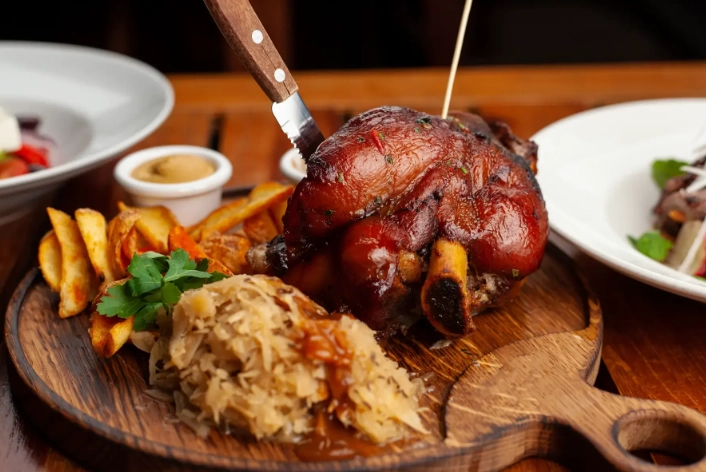
Regional Specialties: Your Geographic German Food List
Germany isn't a monolith. What you eat in the north is totally different from the south.
- North (Hamburg, Bremen): More seafood! Labskaus is a sailor's dish: mashed corned beef, potatoes, beetroot, topped with a fried egg and rollmops (pickled herring). It looks... interesting, but tastes much better than it looks. Finkenwerder Scholle is pan-fried plaice with bacon.
- Rhineland (Cologne): Himmel und Äd ("Heaven and Earth") – mashed potatoes and applesauce with blood sausage or fried onions. Reibekuchen – potato pancakes served with apple sauce.
- Swabia (Stuttgart): Home of Spätzle! Also Maultaschen – large pasta pockets filled with meat, spinach, or herbs, served in broth or fried.
- Bavaria (Munich): The classic hearty fare: Schweinshaxe, Weisswurst, Knödel, Obatzda. This is the image most people have of German food.
- Berlin: Currywurst, Eisbein, Buletten (fried meat patties). More influenced by its history as a melting pot.
- Saxony (Dresden, Leipzig): Dresdner Stollen (the famous Christmas fruitcake), Leipziger Allerlei (a spring vegetable stew with morels and crayfish).
So, if someone asks you for a German food list, you can now say, "Well, which part of Germany?"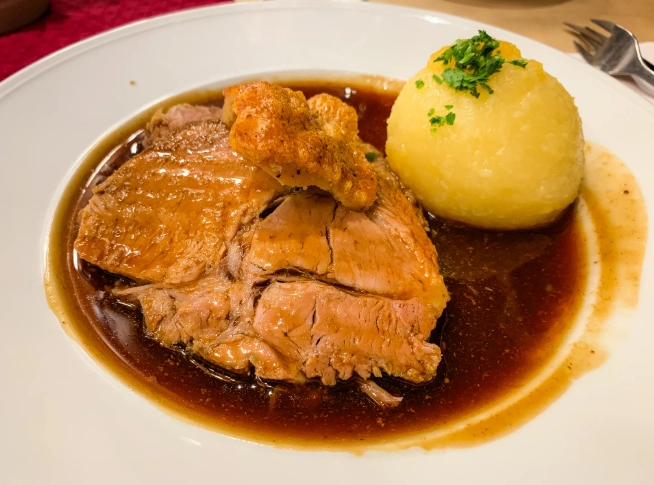
Answers to Questions You're Probably Asking
Final Thoughts Before You Dig In
Building your perfect German food list is part of the fun. Use this guide as a starting point, but let your curiosity lead you. Point to something on the menu you don't recognize. Ask the server what they recommend ("Was empfehlen Sie?").
Remember, German food is about Gemütlichkeit – a feeling of coziness, warmth, and good cheer. It's food meant to be shared, to be lingered over with good company and a drink in hand. Don't rush it. Savor the crisp skin of the Haxe, the tang of the sauerkraut, the creamy bite of the Obatzda.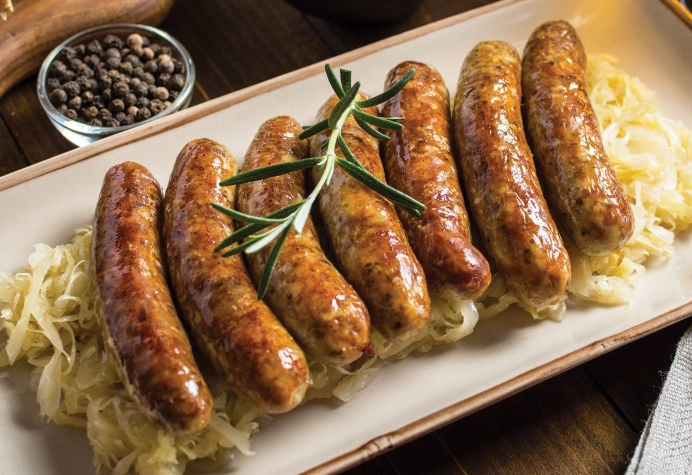
This list should have given you more than just names. It should have given you context, confidence, and a craving. Now go find a Gasthaus, grab a seat, and start exploring. Guten Appetit!
And hey, if you find a better Schnitzel than the one you had in a tiny village near Garmisch, keep it to yourself. Or better yet, tell me about it.