What You'll Find in This Guide
When you think of Hamburg, the bustling port city in Germany, food might not be the first thing that comes to mind—but it should be. Hamburg food recipes are a hidden gem in German cuisine, blending hearty maritime traditions with simple, flavorful ingredients. I've spent years cooking these dishes, and I can tell you, they're more than just Labskaus and Franzbrötchen. They're stories on a plate, shaped by sailors, traders, and local families. In this guide, I'll walk you through everything from authentic recipes to where to eat them, and I'll share some hard-earned lessons I learned from messing up my first batch of Aalsuppe. Let's dive in.
The Heart of Hamburg Cuisine: Key Ingredients and History
Hamburg's food scene is rooted in its history as a major port. For centuries, ships brought spices, fish, and grains, creating a cuisine that's robust and practical. You'll notice a focus on preserved foods—think pickled herring, corned beef, and root vegetables. It's not fancy, but it's deeply satisfying.
A Brief History of Hamburg's Food Scene
The city's dishes evolved from sailors' meals. Labskaus, for example, was a way to use leftover meats and potatoes on long voyages. Franzbrötchen, the cinnamon pastry, likely originated from French influences during the Napoleonic era. According to the German National Tourist Board, Hamburg's culinary identity is a mix of North German simplicity and international flair. I once chatted with a local chef who said, "We don't overcomplicate things here. Good food is about freshness and heart." That sums it up.
Essential Ingredients for Authentic Hamburg Recipes
Stock your pantry with these basics: potatoes (waxy varieties like Linda), beetroot, onions, pickles, and spices like bay leaves and juniper berries. For proteins, corned beef, eel, and pork are common. Don't skip the beetroot—it adds a sweet earthiness that balances the saltiness. A common mistake is using canned beetroot; fresh roasted beets make all the difference. I learned that the hard way when my Labskaus turned out too watery.
Top 3 Must-Try Hamburg Food Recipes with Step-by-Step Guides
Here are three classic Hamburg recipes you can make at home. I've included detailed steps and pitfalls to avoid, based on my own kitchen trials.
Recipe 1: Labskaus – The Sailor's Stew
Labskaus is Hamburg's signature dish. It looks like a messy mash, but the flavors are complex. Serves 4.
Step 1: Boil the potatoes and beetroots until tender. Peel and chop them roughly. Meanwhile, dice the onion and sauté in butter until soft.
Step 2: In a large pan, combine chopped corned beef, potatoes, beetroots, and sautéed onion. Mash everything together with a potato masher—don't use a food processor, or it'll become gluey. I made that error once; the texture was all wrong.
Step 3: Stir in chopped pickles, season with salt and pepper. Cook on low heat for 10 minutes, stirring occasionally. Serve hot with a fried egg on top and rollmops on the side. The egg yolk should be runny to mix into the stew.
This dish is best eaten fresh, but leftovers can be stored (more on that later).
Recipe 2: Franzbrötchen – Hamburg's Cinnamon Bun
Franzbrötchen are flaky, buttery pastries with a cinnamon-sugar filling. Makes 12 pieces.
Step 1: Mix flour, yeast, 50g sugar, salt, and warm milk to form a dough. Knead for 10 minutes until smooth. Let it rise for 1 hour in a warm place.
Step 2: Roll out the dough into a rectangle about 1 cm thick. Spread cold butter over two-thirds of the dough, then fold like a letter. Chill for 30 minutes. Repeat this rolling and folding twice—this creates layers. Many recipes rush this, but patience is key for flakiness.
Step 3: Mix remaining sugar with cinnamon. Roll out the dough one last time, sprinkle the cinnamon-sugar evenly, and roll it up like a jelly roll. Cut into slices, press each slice with a chopstick to create the signature twist. Bake at 200°C for 15-20 minutes until golden.
They're perfect with coffee. I sometimes add a dash of cardamom for extra warmth.
Recipe 3: Hamburger Aalsuppe – Eel Soup with a Twist
This soup is a traditional favorite, though eel can be divisive. Serves 6.
Step 1: Peel and dice the vegetables and apple. In a large pot, bring the fish broth to a boil. Add carrots, leeks, and potatoes; simmer for 20 minutes.
Step 2: Add chopped eel, prunes, apricots, and apple. Cook for another 10 minutes. Stir in vinegar and herbs. Season with salt and pepper.
The sweet and sour balance is crucial. If it's too sweet, add more vinegar; too sour, a bit of honey. I prefer using homemade broth from fish heads, but store-bought works if you add a bay leaf for depth.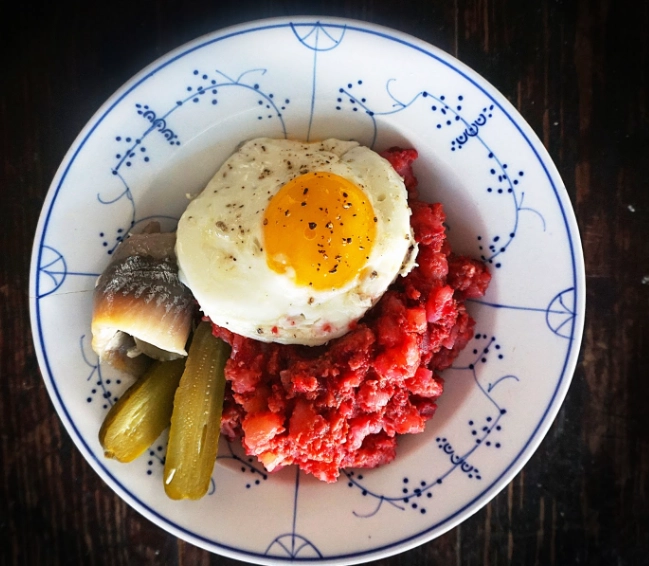
Where to Eat the Best Hamburg Dishes: Restaurant Recommendations
Sometimes, you just want to taste the real deal. Here are my top picks for authentic Hamburg food, based on personal visits and local buzz. These spots avoid the tourist traps.
| Restaurant | Address | Signature Dish | Rating | Price Range | Hours |
|---|---|---|---|---|---|
| Old Commercial Room | Englische Planke 10, 20459 Hamburg | Labskaus with fried egg | 4.6/5 (Google) | €€ (€15-25 per dish) | Mon-Sun 12:00-23:00 |
| Fischereihafen Restaurant | Große Elbstraße 143, 22767 Hamburg | Fresh eel soup and seafood platters | 4.7/5 | €€€ (€30-50) | Daily 11:30-22:00 |
| Franzbrötchen Bakery (Café Schmidt) | Wexstraße 40, 20355 Hamburg | Freshly baked Franzbrötchen | 4.5/5 | € (under €5) | Mon-Fri 7:00-18:00, Sat 8:00-17:00 |
| Eriks Fischgaststätte | Fischmarkt 14, 22767 Hamburg | Traditional fish dishes like rollmops | 4.4/5 | €€ (€20-30) | Tue-Sun 11:00-19:00, closed Mon |
Old Commercial Room is a classic—their Labskaus is creamy and well-seasoned. Fischereihafen offers stunning Elbe river views, but book a table in advance; it gets crowded. For Franzbrötchen, skip the chain bakeries and head to Café Schmidt for the real deal. Eriks is a no-frills spot perfect for a quick fish lunch. I found their service a bit slow once, but the food made up for it.
How to Adapt Hamburg Recipes for Home Cooking: Expert Tips
Cooking Hamburg food at home can be tricky if you're not used to German techniques. Here are some insights I've gathered from years of experimenting.
Embrace imperfections. Hamburg dishes aren't meant to be pristine. Labskaus should look rustic, and Franzbrötchen might crack—that's part of the charm. Don't stress over perfect shapes.
Source ingredients wisely. For corned beef, look for a good butcher or use high-quality canned versions. Smoked eel can be found in specialty fish markets or online. If eel isn't your thing, substitute with smoked trout in the Aalsuppe; it's not traditional, but it works.
Adjust for modern kitchens. Many recipes assume you have time for slow cooking. If you're short on time, use a pressure cooker for the Labskaus potatoes—it cuts the time in half. For Franzbrötchen, if the dough isn't rising well, place it in a slightly warmed oven (turned off) with a bowl of hot water.
Common mistake: Over-salting. Hamburg food often uses preserved ingredients that are already salty. Taste as you go, and add salt at the end. I ruined a batch of Aalsuppe by adding salt early; the prunes and broth made it too salty.
These tips come from trial and error. Hamburg cuisine is forgiving if you focus on flavor over form.
Frequently Asked Questions About Hamburg Food Recipes
Hamburg food recipes are more than just meals; they're a window into the city's soul. Whether you're cooking at home or dining out, focus on the simplicity and heart behind each dish. Start with Labskaus, master Franzbrötchen, and don't be afraid to tweak recipes to suit your taste. The port city's culinary traditions are robust and welcoming, much like its people. Give it a try—you might just find a new favorite comfort food.