Quick Navigation: Your Beer Can Guide
- From Novelty to Necessity: How the Can Conquered German Beer
- What's Actually in Your Hand? Deconstructing the German Beer Can
- Cans vs. Bottles: The Eternal German Beer Debate
- Navigating the Aisles: Your Guide to Buying German Beer in a Can
- Pour, Don't Gulp: How to Properly Enjoy a German Beer from a Can
- Answering Your Questions: The German Beer Can FAQ
- The Final Verdict on the German Beer Can
Let's be honest. When you think of German beer, what comes to mind? Probably a hefty, amber glass bottle with a swing-top, or a tall, elegant Pilsner glass filled to the brim in a bustling beer hall. The humble German beer can doesn't always get the same romantic treatment. I used to be a bottle snob myself. I thought cans were for mass-produced, bland lagers you bought for a barbecue. Then, a few years ago, I was on a cramped train through Bavaria. The only cold beer available at the kiosk was a canned Augustiner Helles. Out of desperation, I bought it. That first sip was a revelation—crisp, fresh, and utterly delicious. It completely shattered my prejudice. It made me wonder, what are we missing when we dismiss the German beer can outright?
This isn't just about convenience. There's a quiet revolution happening. More and more legendary German breweries and innovative craft beer makers are embracing the can. And they're doing it for reasons that might surprise you. We're going to dig deep into why that German canned beer in your hand might just be the best representation of the brewer's intent. We'll look at the science, the design, the sustainability angle, and of course, the taste. By the end, you'll know exactly what to look for, what to avoid, and maybe you'll give that sleek can a chance on your next purchase.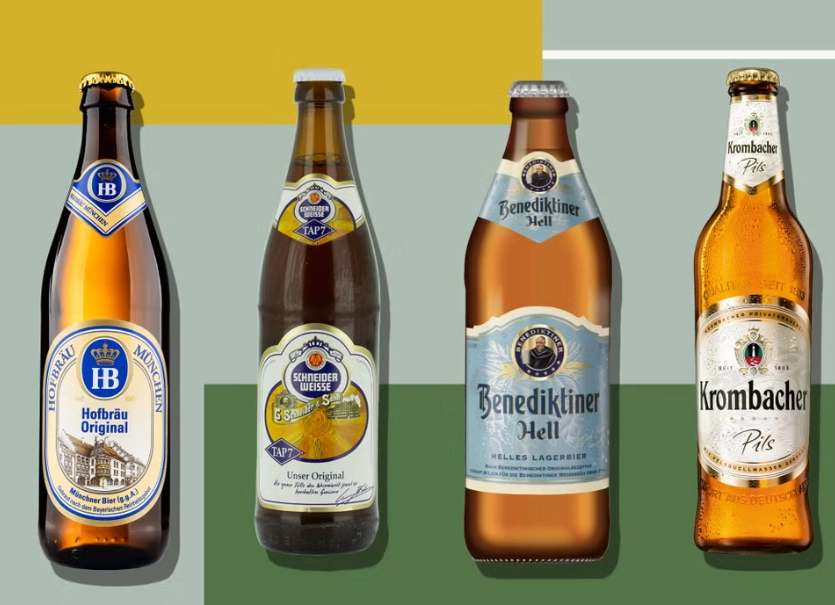
From Novelty to Necessity: How the Can Conquered German Beer
The relationship between Germany and the beer can is a fascinating, slow-burn story. It didn't happen overnight. For decades, German Reinheitsgebot (Beer Purity Law) purists and traditionalists viewed the can with deep suspicion. Beer was a cultural artifact, meant to be enjoyed from glass. The can was seen as an American import, suited for less refined beverages.
But practicality has a way of winning. The modern aluminum German beer can offers benefits that are hard to ignore, especially for certain styles and situations. The craft beer movement globally, which took off in the US in cans, showed German brewers the potential. They saw that cans weren't just for preservation; they were a blank canvas for stunning art, a superior shield against beer's enemies, and a lighter, more eco-friendly package for distribution.
Now, you'll find everything from a classic Kölsch to a bold IPA from a Berlin microbrewery in a can. It's a sign of a confident brewing culture adapting to the modern world without sacrificing quality. The German Brewers Association acknowledges the growing trend, noting shifts in packaging preferences, especially among younger consumers and for outdoor consumption. The can is no longer the outsider; it's becoming an integral part of the German beer landscape.
What's Actually in Your Hand? Deconstructing the German Beer Can
It's not just a metal cylinder. Every aspect of a modern German beer can is engineered. Understanding this makes you appreciate what you're holding.
First, the material. It's almost always aluminum. It's incredibly light, which cuts shipping costs and carbon footprint. The inside has a crucial, food-safe epoxy liner. This thin coating is what separates the beer from the metal, preventing any metallic taste. This is the part skeptics often get wrong—your beer never touches the aluminum. The technology for these liners has advanced lightyears from the early days. A brewery like Rothaus, which puts its iconic Tannenzäpfle Pils into gorgeous green cans, wouldn't use it if it altered their prized flavor.
Then there's the design. This is where cans shine. A 360-degree label. No paper to get soggy. German breweries use this space brilliantly. Some, like Flensburger, keep it minimalist and iconic with their "Flens" flip-top inspired design. Others, like upstart craft brewers, use it for wild, artistic expressions you'd never see on a standard bottle label. Scanning the shelf, a well-designed German beer can pops.
The seal is perfection. Once that lid is on, it's on. No cork taint, no cap failure. It's a hermetic lock. And the opening mechanism? The stay-on tab is a minor miracle of convenience. No opener needed. Perfect for a hike, a beach, or a crowded concert. I remember trying to open a bottle with a lighter at a park once—it was a messy, embarrassing failure. The can just works.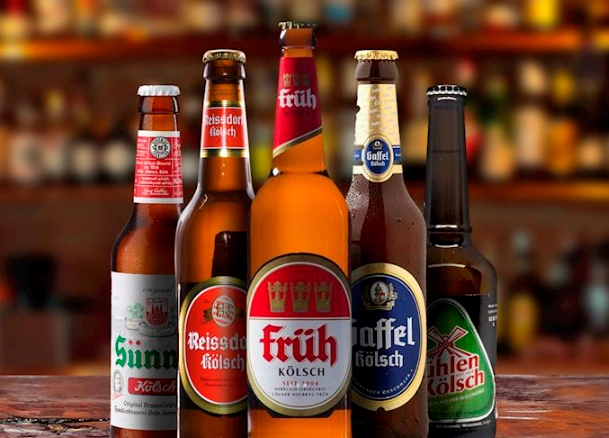
The Hidden Advantage: Total Darkness & No Oxidation
This is the big one. Beer has two major enemies: light and oxygen. Light, specifically UV rays, causes a chemical reaction that creates that "skunky" smell (think of a Corona in a clear bottle). Oxygen, once the beer is packaged, slowly makes it taste stale and cardboard-like. A brown glass bottle is good, but not perfect, at blocking light. A can is perfect. It's a total light barrier. And the sealing process for cans is exceptionally good at limiting oxygen ingress. This means the German canned beer you open tastes remarkably close to what the brewer tasted at the bottling line, often for longer than its bottled counterpart.
Cans vs. Bottles: The Eternal German Beer Debate
Let's lay this out clearly. It's not that one is universally better than the other. It's about what's better for the specific beer and situation. Here’s my no-nonsense breakdown.
When the German Beer Can Wins
- Freshness & Protection: As above, superior barrier against light and often oxygen. For hop-forward beers like German IPAs or Pilsners where freshness is paramount, the can is king.
- Portability & Practicality: Lighter, unbreakable, more compact. The obvious choice for camping, festivals, boating, or any outdoor activity. They also chill faster.
- Sustainability: Aluminum is the most recycled packaging material on the planet, with a nearly endless recyclable life. It's also lighter to transport, reducing fuel use. The German Environment Agency (Umweltbundesamt) publishes extensive data on recycling rates, where aluminum performs strongly.
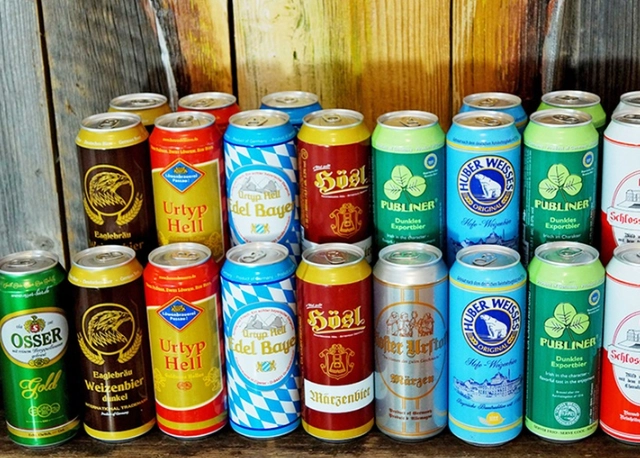
- Design Space: That full-wrap canvas allows for incredible artwork and branding.
When the Classic Glass Bottle Still Holds Its Ground
- Tradition & Ceremony: For many, the ritual of opening a swing-top or prying off a cap is part of the experience. It feels more substantial.
- Certain Beer Styles: Some argue that for very complex, bottle-conditioned beers (like some Hefeweizens or Bocks), the slight gas exchange over time through the crown cap can be part of the aging character. This is a niche, expert-level point.
- Perception: Let's not underestimate it. The psychological weight of tradition is heavy. A bottle often feels more premium to many consumers, even if the contents are identical.
My personal take? For 90% of the beers I drink, and 90% of the situations I'm in, the can is the smarter choice. The freshness factor alone is a massive win. But I won't lie—on a quiet evening at home, pouring a rich Doppelbock from a heavy, dark bottle into a proper glass still feels special. Both have their place.
Navigating the Aisles: Your Guide to Buying German Beer in a Can
So you're convinced to give it a try. Awesome. But not all German canned beers are created equal. Here’s how to pick a winner and avoid a dud.
First, check the date. This is rule number one for any beer, but especially here. Look for a "Brewed On" or "Best Before" date stamped on the bottom or side of the can. Freshness is the can's superpower, so don't waste it on an old product. A German Pilsner older than 4-6 months is likely past its prime.
Second, know the brewery. Are they known for quality? A great brewery putting their beer in a can is a safe bet. A no-name brewery using a can as a cheap gimmick is not. Trust established names who have embraced cans as a positive choice, not a cost-cutting one.
Third, consider the style. Lighter, crisper, hoppier beers benefit most from the can's protection. A Helles, Pilsner, Kölsch, or German Pale Ale is a perfect candidate. For a malty, rich Dunkel or Rauchbier, the bottle might be the more traditional route, but a can will still preserve it flawlessly.
Where to buy? Beyond your local bottle shop, online retailers specializing in German imports are a goldmine. They often have the freshest shipments and the widest selection of canned offerings you won't find locally.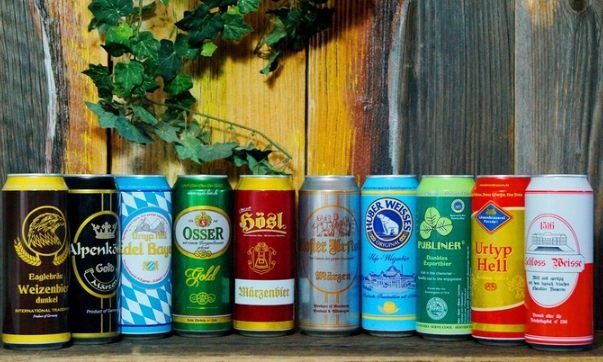
| Brewery | Classic Beer in a Can | Style | Why It Works in a Can |
|---|---|---|---|
| Rothaus | Tannenzäpfle Pils | German Pilsner | The crisp, bitter hop character stays razor-sharp. The iconic green can is a collector's item. |
| Flensburger | Flensburger Pilsener | German Pilsner | Known for its slight sour note ("Flens" snap), the can ensures this delicate profile isn't light-struck. |
| Augustiner | Augustiner Helles | Helles Lager | Its unparalleled drinkability and smooth maltiness are perfectly preserved. My personal train-beer savior. |
| Berliner Berg (Craft) | Neukölln Pale Ale | German Pale Ale | Hop-forward craft beer. The can is essential to lock in the vibrant citrus and pine aromas. |
| Schneider Weisse | Schneider Weisse Tap 7 | Hefeweizen | Protects the delicate banana and clove esters. Surprisingly great from a can. |
A word of caution: I once bought a canned Märzen from a discount store because the can looked cool. It was cheap. It tasted… metallic and stale. The liner was likely subpar, and it was way past its date. Lesson learned: a fancy can design doesn't override the need for a reputable brewer and a fresh product.
Pour, Don't Gulp: How to Properly Enjoy a German Beer from a Can
Here's the biggest mistake people make with any canned beer, German or otherwise: they drink it straight from the can. Stop it! You're missing half the experience. The can is a superb delivery system, not a serving vessel.
Always pour it into a glass. A clean, proper beer glass. Why?
- Aroma: Over 80% of flavor is smell. By pouring, you release the beer's volatile aromatics—the floral hops, the bready malt, the spicy yeast notes. Drinking from the can traps all of that inside. You're literally tasting with half your sense of taste turned off.
- Visuals: Part of the joy of a German Hefeweizen is its cloudy, golden haze and towering white head. You can't see that in a can. The color, the clarity, the carbonation—it's all part of the appraisal.
- Head Formation: A good head isn't just for show. It releases aroma and provides a creamy texture on the palate. Pouring aggressively down the side of a tilted glass creates the perfect head.
My method? Rinse a clean glass with cold water (no soap residue!). Tilt the glass at 45 degrees. Pour the German beer can steadily down the side. When the glass is about half full, straighten it up and pour more aggressively into the center to rouse the beer and build that beautiful head. Leave about a finger's width of space at the top. Now, take a moment. Look at it. Smell it. Then taste it. You'll be shocked at the difference compared to glugging from the can.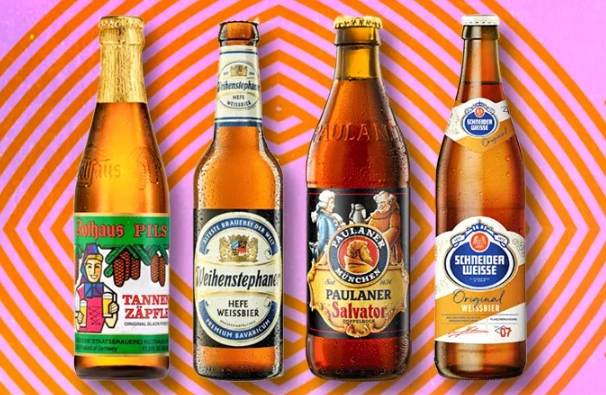
Debunking the “Metallic Taste” Myth
Let's kill this once and for all. If your canned beer tastes metallic, it is not because it's in a can. Modern liners prevent that completely. A metallic taste is almost always a sign of:
- Old beer: Oxidation can produce sherry-like or metallic off-flavors.
- Poor brewery practices: Contamination from equipment somewhere in the process.
- Your own physiology: Sometimes what we perceive as metallic is linked to other flavor compounds or even our own dental work.
A fresh, well-brewed German canned beer from a reputable source will taste clean—of malt, hops, yeast, and water. Not metal.
Answering Your Questions: The German Beer Can FAQ
Not yet, but the selection is growing fast. You'll most commonly find Pilsners, Helles, Export lagers, Kölsch, and modern craft styles (IPAs, Pale Ales) in cans. Some are also canning Hefeweizens and even darker beers like Dunkel. It's always expanding, so check your local shop or online retailer.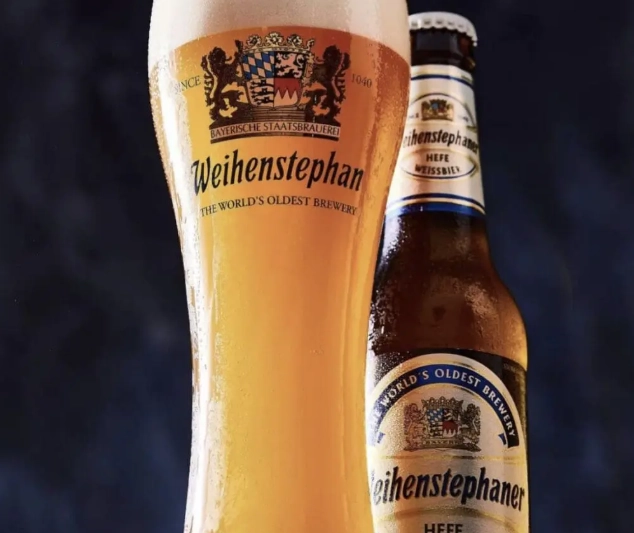
Not necessarily. Sometimes it's the same price, sometimes slightly cheaper due to lower packaging and shipping costs. Don't assume a lower price means lower quality. The cost savings are often passed on, or reinvested in better canning technology and liner quality.
Generally, it stays fresh longer than in a bottle due to the superior light and oxygen barrier. For most German lagers (Pils, Helles), peak freshness is within 3-6 months of the brew date. It will remain drinkable for much longer, but the vibrant hop character will fade. Always check the date code.
This is a tricky one. Traditionally, aging (cellaring) beer is done in bottles, often those that are bottle-conditioned (with live yeast). The consensus among brewers I've spoken to is that cans are designed for freshness, not for long-term aging. The environment is completely sealed, which might not allow for the subtle development some aged beers undergo. For 99.9% of German beers, which are meant to be enjoyed fresh, this is irrelevant. Drink your canned beer fresh.
This is a great question. The can actually gives it a fighting chance. Because the can is so protective, a German beer canned at the brewery and shipped overseas is often in better shape upon arrival than a bottled equivalent that may have been sitting on a bright warehouse shelf. The key, again, is freshness of shipment. A freshly imported German beer can can be spectacular.
The Final Verdict on the German Beer Can
Look, I get it. Tradition matters. The clink of glass bottles is the soundtrack to a German beer garden. I'm not asking you to abandon that. What I'm suggesting is to add a tool to your beer enjoyment toolkit. The German beer can is not the enemy of quality; it's one of its most reliable guardians.
It's for the hike where a glass bottle is a liability. It's for the picnic where you want everything to stay cold and light. It's for ensuring that the nuanced hop profile of a fantastic Pilsner reaches your palate exactly as the brewer intended, without being beaten up by sunlight on its journey to you.
The next time you're at the store, look past the familiar bottles. Seek out a German canned beer from a brewery you trust. Check the date. Take it home, chill it properly, and for heaven's sake, pour it into a glass. Take a thoughtful sip. Judge it on its own merits, not on outdated preconceptions. You might just find, as I did on that Bavarian train, that the future of German beer enjoyment is already here. And it fits perfectly in your hand.
Prost!