Your Munich Journey Guide
Let's be honest. When you think of Munich, the first things that pop into your head are probably Oktoberfest, massive beer steins, and maybe pretzels the size of your head. I thought the same thing before I first visited. I pictured a non-stop party city built around the Hofbräuhaus. What I found, and what keeps pulling me back, is something much richer. Munich is this incredible, almost paradoxical blend of high-brow art and down-to-earth Gemütlichkeit (that's a German word for cozy, congenial atmosphere you'll hear a lot). It's a city where you can admire a priceless Rembrandt in a world-class museum in the morning and be clinking glasses with strangers in a sun-dappled beer garden by the afternoon. That's the real magic of Munich travel and leisure—it refuses to be pigeonholed.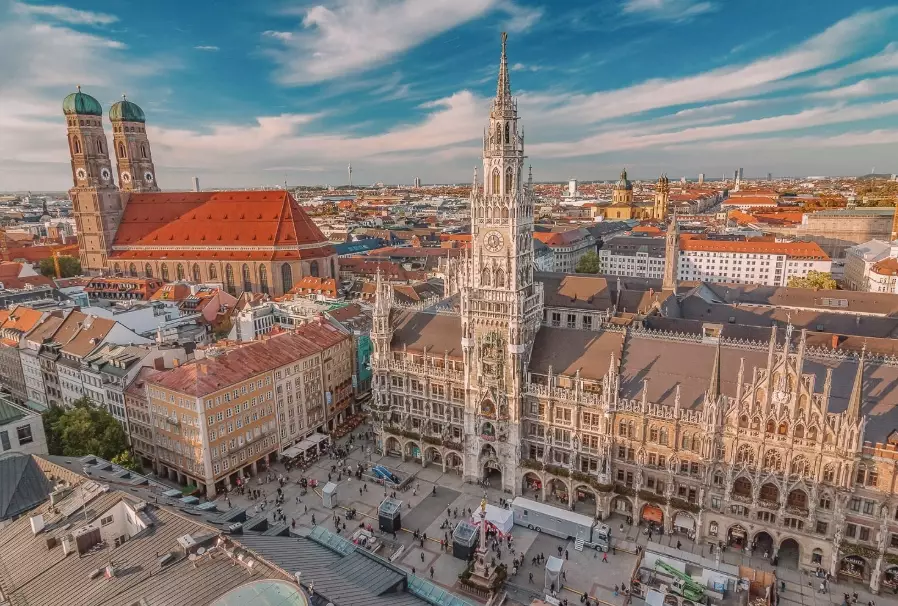
This isn't just a list of sights to check off. I want this guide to feel like a chat with a friend who's spent a lot of time getting lost in Munich's streets, both literally and figuratively. We'll talk about the must-sees, sure, but we'll also dive into the quiet corners, the local habits, and the stuff that makes a trip here truly memorable. Whether you're a history buff, a foodie, an outdoor enthusiast, or just someone looking to unwind in a beautiful city, Munich has a seat at the table for you. And yes, we'll definitely talk about the beer too.
The Heartbeat of the City: Culture, History, and That Famous Square
Any Munich travel and leisure itinerary has to begin at the center. For centuries, that's been Marienplatz. Stepping into this grand square feels like walking onto a stage set for a historical drama. The Gothic spires of the New Town Hall (Neues Rathaus) dominate the skyline, and at 11 am and 12 pm (plus 5 pm in summer), the Glockenspiel performance draws a crowd. It's charming, a little kitschy, and utterly mandatory for a first visit. My advice? See it once for the spectacle, then use it as your navigational anchor. Everything radiates from here.
Just a few minutes' walk from the tourist buzz, you'll find the Frauenkirche (Cathedral of Our Blessed Lady). Those two distinctive domed towers are the symbol of Munich. The interior is surprisingly austere after the ornate facades outside, which makes its one famous feature—the "Devil's Footprint"—stand out even more. It's a great, quick stop. Speaking of churches, don't miss the Asamkirche. Tucked away on a small street, its exterior doesn't prepare you for the explosive, over-the-top Baroque glory inside. It's a sensory overload in the best way possible.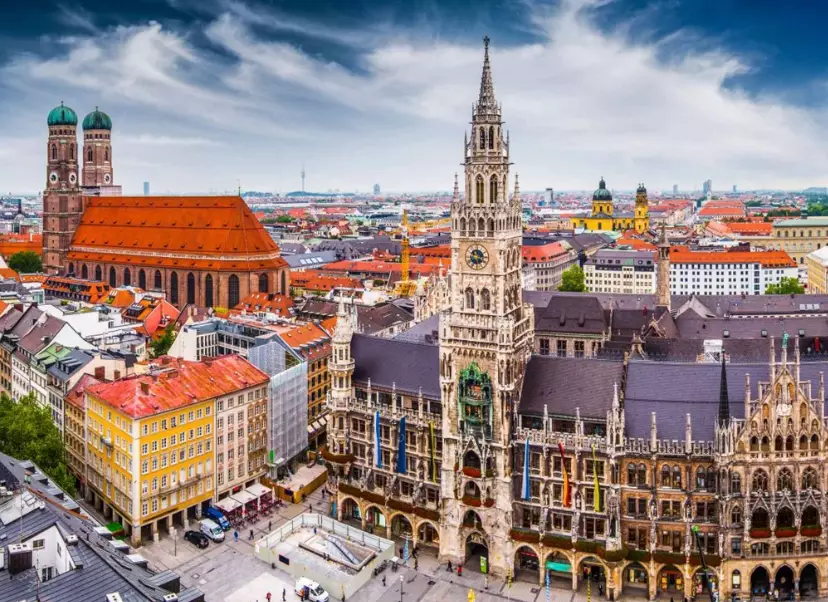
Beyond the Postcard: Munich's Museum Scene
If you think Munich is just about beer, its museum quarter will change your mind. The Kunstareal is a concentrated district of art and culture that rivals any in Europe. You could spend days here. The highlights? They're big.
- Alte Pinakothek: Old Masters. Dürer, Raphael, Rembrandt, Rubens. The collection is staggering. I'm not always a huge fan of religious art, but the sheer skill and the scale of some works here is humbling.
- Neue Pinakothek: Right next door, this covers the 19th century. Van Gogh, Monet, Cézanne. It's a perfect bridge between the old and the very new.
- Pinakothek der Moderne: And here's the modern kick. Design, architecture, and 20th/21st century art under one (very cool) roof. Think Picasso, Warhol, and cutting-edge installations.
- Deutsches Museum: Okay, this one's on an island in the Isar river, not in the Kunstareal. But it's arguably the world's largest museum of science and technology. It's enormous. You could get lost for 8 hours. If you're with kids or just love how things work, it's a must. Check their official website for current exhibits and ticket info, as parts of it are often under renovation.
The beauty of the Kunstareal is the combo ticket you can often get. It makes hopping between these temples of culture easy and affordable, a key part of any cultured Munich travel and leisure plan.
The Soul of Munich: Beer, Food, and the Art of Leisure
Now we get to the part everyone secretly wants to read about. The Bavarian lifestyle isn't a performance for tourists; it's the daily rhythm of the city. And at its core is the beer garden.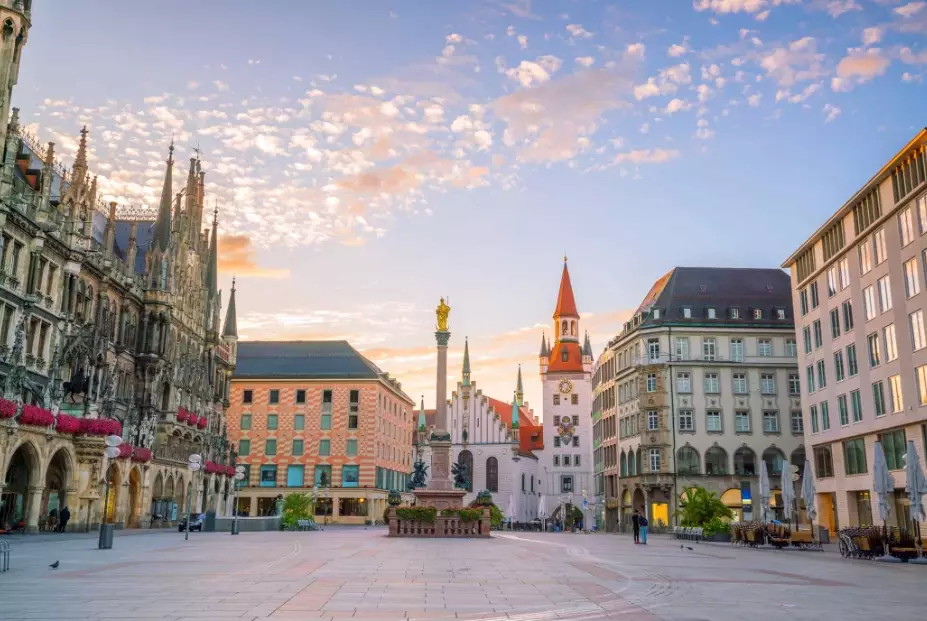
Beer Garden 101: The Rules of Engagement
First, let's demystify it. A true Bavarian beer garden (like the famous Augustiner-Keller or the sprawling Chinesischer Turm in the English Garden) operates on a few simple principles. You can bring your own food (a tradition dating back centuries)! Most have a self-service area for drinks and some basic food (radishes, pretzels, obatzda cheese spread), and table service for heartier meals. Find a spot at a long shared table. It's communal, it's relaxed, and it's the absolute best way to spend a summer evening. The atmosphere is the polar opposite of a stuffy bar.
Oktoberfest. We have to talk about it. It's a spectacle, a marathon, and an experience. If you're planning to go, book accommodation about a year in advance—I'm not kidding. The tents are packed, the beer is strong (over 6%), and the energy is electric. But here's my slightly controversial opinion: for a more authentic, less overwhelming taste of Bavarian festival culture, seek out a smaller Volksfest (like the Frühlingsfest in spring or the Auer Dult flea market/festival). The vibe is just as joyful but feels more local. The official Oktoberfest website is your bible for dates, tent reservations, and survival tips.
Food goes hand-in-hand with the drink. Yes, you need to try Schweinshaxe (roasted pork knuckle), it's a rite of passage. But look beyond that. Weisswurst (veal sausage) is a Munich breakfast tradition, traditionally eaten before noon. The rule is "never to let the church bells hear the noon chime" with a Weisswurst still on your plate. You suck the meat out of the skin—don't cut it! Pair it with a sweet mustard and a pretzel. For something hearty, Schweinebraten (roast pork) with dumplings and cabbage is comfort food perfection. And don't forget dessert: Apfelstrudel or Kaiserschmarrn (shredded pancake) are non-negotiable.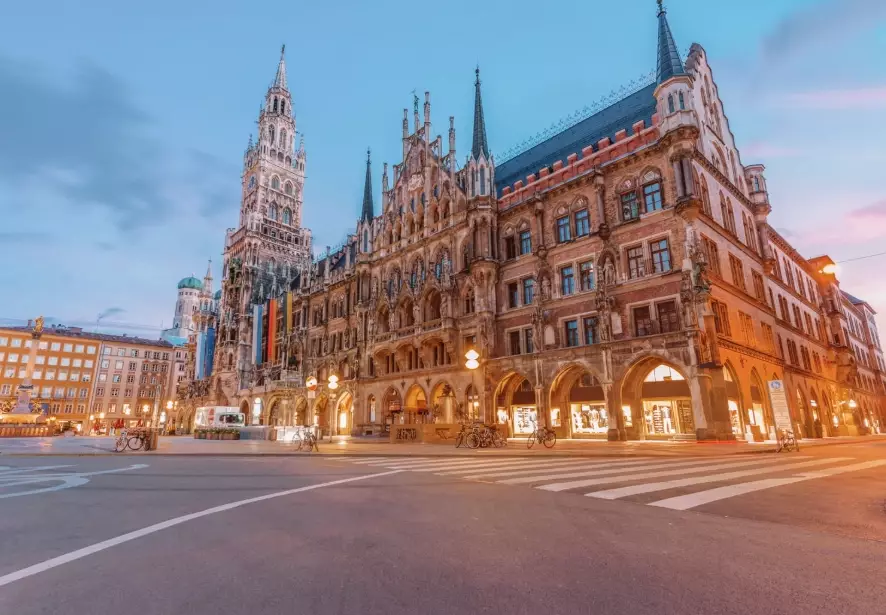
Green Spaces and Active Leisure: Munich's Natural Side
This is the part that surprised me most on my first visit. Munich is incredibly green. It feels like a city built within a park.
The English Garden: More Than a Park
The Englischer Garten is one of the world's largest urban parks, bigger than Central Park in New York. It's not just a lawn; it's a whole ecosystem of leisure. You'll see locals cycling, jogging, practicing tai chi, and yes, surfing. Wait, surfing? At the Eisbachwelle, a permanent standing wave in the artificial stream, you can watch wet-suited surfers ride the wave year-round. It's a surreal and fantastic sight. Walk up to the Monopteros hill for a great view, or just find a spot by the Kleinhesseloher See lake to watch the ducks. This park is the ultimate embodiment of Munich travel and leisure—active, relaxed, and utterly integrated into city life.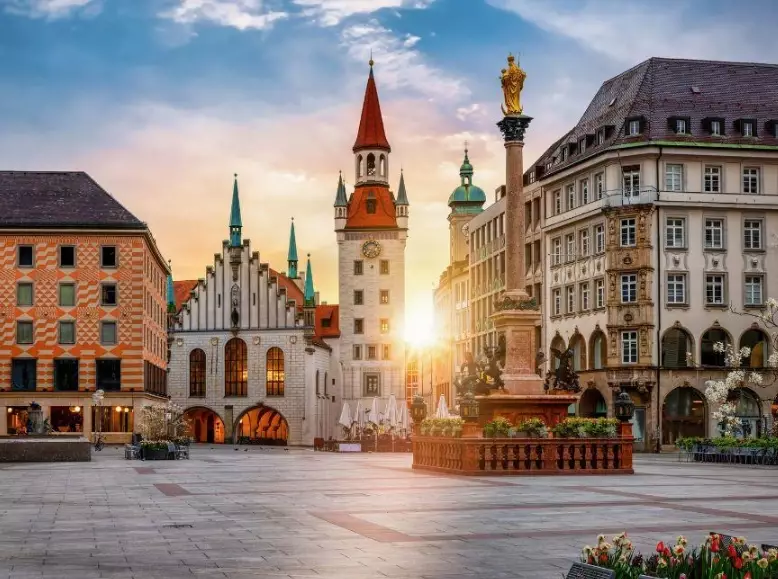
The Isar River: Munich's Blue Spine
Then there's the Isar river. In summer, its banks transform into Munich's beach. People grill, sunbathe, wade in the (surprisingly cold) water, and just hang out. You can rent a stand-up paddleboard or just follow the walking and cycling paths for miles. Following the Isar south, you'll eventually hit the Flaucher area, a series of gravel banks that are the city's prime spot for a lazy, riverside barbecue with friends. Pack some sausages, grab a bag of charcoal from a kiosk, and you're set.
Escape to the Lakes and Mountains
One of Munich's greatest leisure advantages is its geography. Within an hour by train or S-Bahn, you can be in a completely different world. The Fünf Seenland (Five Lakes Region) to the west is perfect for swimming, sailing, or just lakeside cafe lounging. Starnberger See and Ammersee are the most popular. For a mountain fix, take the Bayerische Oberlandbahn train to Tegernsee or Schliersee. The water is crystal clear, surrounded by Alpine foothills. It's the perfect day trip to reset and breathe some fresh mountain air, adding a wonderful natural chapter to your Munich travel and leisure story.
| Day Trip Destination | Travel Time (from Munich HBF) | Key Attraction / Vibe | Best For |
|---|---|---|---|
| Neuschwanstein Castle | ~2 hours by train/bus | The fairy-tale castle that inspired Disney. Dramatic mountain setting. | Iconic photos, romantic scenery, history fans. |
| Dachau Concentration Camp Memorial | ~25 minutes by S-Bahn | A somber, essential visit. A powerful and moving historical site. | Understanding 20th-century history. A reflective, important experience. |
| Zugspitze (Germany's Highest Peak) | ~1.5 hours by train to Garmisch, then cogwheel/cable car | Breathtaking Alpine panoramas from 2,962 meters. Year-round snow. | Spectacular views, hiking (summer), skiing/snowboarding (winter). |
| Salzburg, Austria | ~1.5 hours by direct train (Eurocity) | Mozart's birthplace, stunning Baroque architecture, Sound of Music sites. | Combining two countries/cultures, classical music, charming old town. |
| Andechs Monastery | ~1 hour (S-Bahn + bus/walk) | A working Benedictine monastery brewing its own famous beer. Pilgrimage site. | A quieter beer garden experience, beautiful rural views, local pilgrimage. |
Planning these trips is easy. The Deutsche Bahn (German Rail) website or app is super user-friendly for checking schedules and buying tickets. For regional travel around Bavaria, consider the Bayern-Ticket. It's a day pass for unlimited travel on regional trains, S-Bahns, and buses for one price for a group of up to 5 people. It's a massive money-saver for day trips.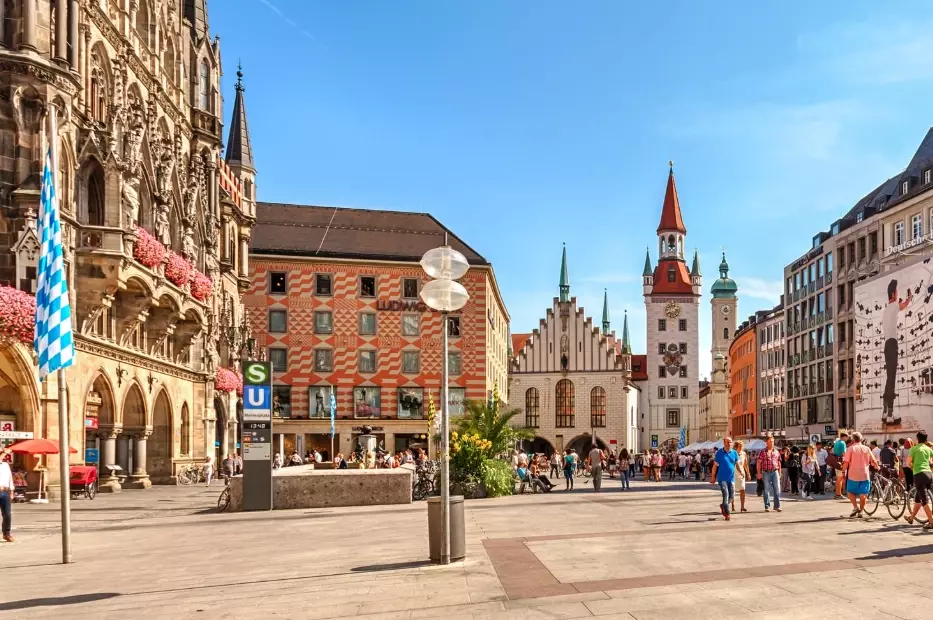
Navigating Munich Like a Local: The Nitty-Gritty
Alright, let's get practical. How do you make all this work smoothly?
The MVV is Your Best Friend: Munich's public transport network (MVV) is excellent, clean, and punctual. It includes U-Bahn (subway), S-Bahn (suburban trains), trams, and buses. A single inner-city ticket is quite expensive for one ride. Do yourself a favor and buy a Day Ticket (Tageskarte) or a Strip Ticket (Streifenkarte) for shorter stays. The apps "MVG Fahrinfo" or "DB Navigator" have live maps, schedules, and easy ticket purchasing. Validate paper tickets before your first ride in the little blue machines on platforms!
Where to stay? The historic center (Altstadt-Lehel) is perfect for first-timers who want to be in the middle of everything. Maxvorstadt is buzzing with students, cafes, and is right next to the museum quarter—it's my personal favorite for a more local feel. Schwabing is upscale and beautiful, with great access to the English Garden. For a quieter, neighborhood vibe with good transport links, look at Haidhausen or Sendling.
Money-wise, Munich is not a budget destination. It's one of Germany's most prosperous cities, and prices reflect that. A main course in a mid-range restaurant will likely be €15-€25. Beer in a beer garden is around €9-€11 for a liter (a "Maß"). Budget accordingly. That said, many of the best experiences—walking through the English Garden, exploring the churches, window-shopping at the Viktualienmarkt food market—are free or very cheap.
Your Munich Travel and Leisure Questions, Answered
What's the best time of year to visit Munich?
Late spring (May-June) and early autumn (September-early October) are golden. The weather is pleasant, crowds are manageable (except late Sept for Oktoberfest), and everything is open. Summer is lovely but busy. Winter is cold but magical with Christmas markets (the Christkindlmarkt on Marienplatz is iconic).
Is Munich a walkable city?
Extremely. The entire historic center is best explored on foot. For longer distances, the public transport network seamlessly takes over.
Do I need to speak German?
Not at all for tourism. English is widely spoken, especially by younger people and in service industries. However, learning a few basic phrases ("Bitte" - please/you're welcome, "Danke" - thank you, "Ein Bier, bitte" - one beer, please) is always appreciated and goes a long way.
How many days do I need in Munich?
A solid three full days lets you hit the major highlights in the city at a comfortable pace. With four or five days, you can add a day trip and really sink into the local rhythm, exploring different neighborhoods and maybe revisiting a favorite beer garden.
Is Munich safe for tourists?
Yes, it's consistently ranked as one of the safest major cities in the world. Normal precautions apply (watch for pickpockets in crowded tourist areas), but you can feel very comfortable walking around at night.
Wrapping It Up: The Munich State of Mind
So what's the takeaway from all this? Munich travel and leisure isn't about rushing from one landmark to the next. It's about adopting a pace. It's about balancing the awe of the Alte Pinakothek with the simple joy of a radish and a pretzel in a beer garden. It's about recognizing that the city's soul is equally present in the quiet of the Asamkirche and the roar of the Eisbach surfers.
My biggest piece of advice? Leave some empty space in your itinerary. Get a little lost in the side streets of Haidhausen. Sit in the English Garden with a book and no plan. Follow the sound of oompah music to a neighborhood festival you didn't know existed. That's where you'll find the real Munich—confident in its traditions, vibrant in its present, and always ready to welcome you to the table.
It's a city that manages to be both grand and genuinely warm. And that, more than any single castle or museum, is why people keep coming back. Prost!