Your Quick Guide to German Christmas Markets
Let's be real for a second. You've probably seen the pictures – those perfect, glowing scenes of wooden huts, twinkling lights, and people smiling with steaming mugs. It looks like a Christmas card come to life. I thought it was all a bit overhyped, to be honest. That was until I found myself shivering happily in a cobblestone square in Nuremberg, clutching a Glühwein that tasted like spiced heaven, with the scent of roasted almonds and gingerbread wrapping around me like a scarf. That's the moment I got it. German Christmas Markets aren't just markets; they're a feeling, a centuries-old tradition that turns entire towns into winter wonderlands.
But here's the thing nobody tells you upfront: not all German Christmas Markets are created equal. Some are massive, crowded, and commercial. Others are tiny, intimate, and breathtakingly authentic. Planning a trip can feel overwhelming. Which ones are worth your time? What should you actually eat and drink? How do you avoid the tourist traps and find the real magic?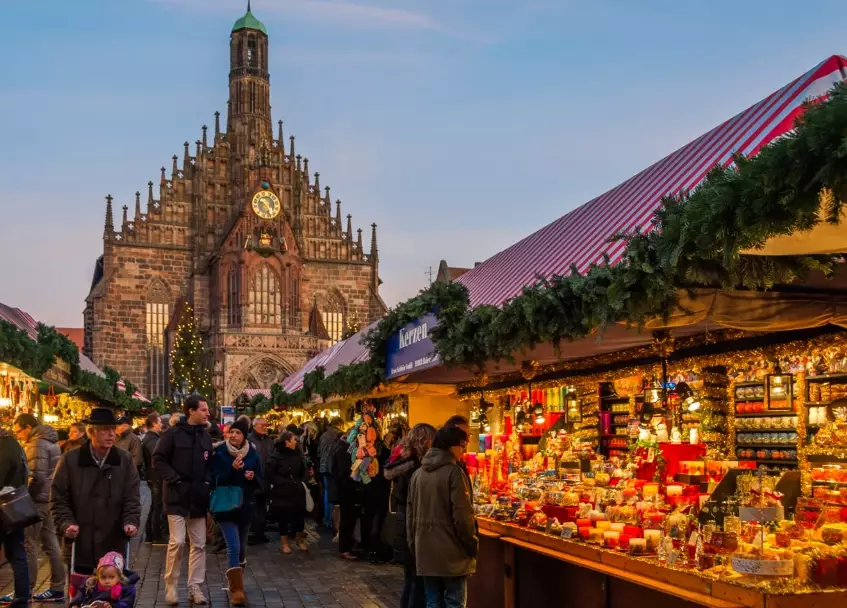
That's why I'm writing this. I've spent several winters exploring these markets, from the famous giants to the hidden gems you won't find on every list. I've had amazing experiences and a few disappointing ones (yes, I'm looking at you, overly crowded market with nothing but cheap imported trinkets). This guide is everything I wish I'd known before my first visit. We'll dive into the history, break down the top markets with their unique personalities, give you a survival guide for actually enjoying your visit, and answer all those nitty-gritty questions that pop up when you're planning. Consider this your one-stop, no-nonsense resource for experiencing the authentic magic of Germany's Weihnachtsmärkte.
More Than Just Shopping: The Heart of the Tradition
To really appreciate a German Christmas market, you need to understand what you're walking into. This isn't a modern pop-up shopping mall. The origins go way back – we're talking the Late Middle Ages in the German-speaking parts of Europe. During the cold Advent season, people needed a place to stock up on supplies for the long winter. These seasonal markets provided meat, flour, and winter clothes. Over time, they naturally became a festive pre-Christmas event, with toy makers, nutcracker carvers, and gingerbread bakers setting up stall.
That historical core is what separates a truly great market from a mediocre one. You're participating in a living tradition. The focus is on handmade, regional craftsmanship. Think intricate wooden Räuchermänner (incense smokers), blown glass ornaments from the Thuringian Forest, delicate Schwibbogen (arc-shaped candle holders) from the Erzgebirge region, and woven straw stars. Food and drink are central, but they're traditional, hearty fare meant to warm you up: sausages, potato pancakes, roasted chestnuts, and of course, the iconic mulled wine.
It's a sensory experience first, a shopping trip second. The sound of brass bands playing carols, the visual spectacle of thousands of lights against historic architecture, the smell of pine, cinnamon, and grilled food – it all combines to create something genuinely special. It's about community and slowing down during the dark winter days. When you visit a good German Christmas Market, you're not just a spectator; you're a guest at a centuries-old party.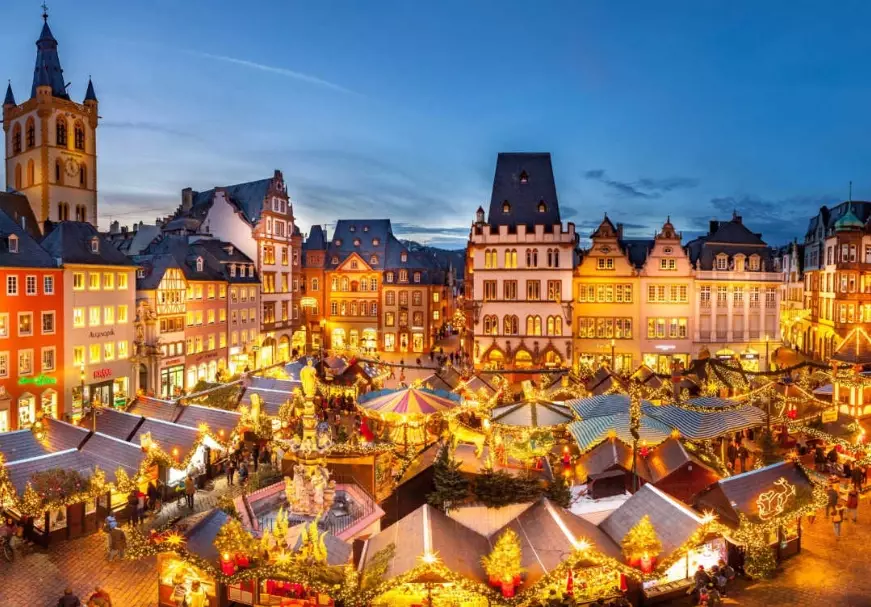
The Top Tier: Must-Visit German Christmas Markets
Alright, let's get practical. Germany has thousands of markets. You can't see them all. Based on my travels, here are the ones that consistently deliver an unforgettable experience, each with its own distinct flavor. I've broken them down to help you match a market to your personal travel style.
The Historic Heavyweights
These are the classics, the ones with history oozing from every wooden beam. They are often the busiest, but for good reason.
Nuremberg Christkindlesmarkt: This is the big one. The most famous Christmas market in Germany, possibly the world. It's held in the city's main market square, with the stunning backdrop of the Frauenkirche church. It's incredibly traditional and regulated – stallholders must sell primarily handmade goods, and the famous Nuremberg gingerbread (Lebkuchen) and tiny finger-sized sausages (Nürnberger Rostbratwürste) are must-tries. The opening ceremony, with the Christkind (a traditional Christmas angel figure) reciting a prologue from the balcony of the church, is a major event. It's crowded, yes. But it's the textbook definition of the tradition, executed on a grand scale. Go on a weekday morning if you can to avoid the worst of the crowds.
Dresden Striezelmarkt: Claiming to be Germany's oldest documented Christmas market (first mentioned in 1434), Dresden's market is another jewel. The name comes from Striezel, the local name for the iconic Christmas fruit bread, Stollen. The highlight here is the annual Stollenfest, where a giant several-ton Stollen is paraded through the city and ceremonially cut. The market's centerpiece is a massive, step-pyramid ferris wheel made of wood. The craftsmanship here is exceptional, particularly the woodwork and nutcrackers. The atmosphere feels slightly more elegant and refined than some others.
The Fairytale Charmers
These markets win on atmosphere and setting, often feeling like you've stepped into a storybook.
Rothenburg ob der Tauber Reiterlesmarkt: If you want a medieval postcard setting, this is it. Rothenburg is a perfectly preserved medieval walled town, and its market is sprinkled through the cobbled squares and narrow lanes. It's smaller and feels more intimate. The Reiterle (a legendary messenger figure) opens the market. The snow (if you're lucky) clinging to the half-timbered houses, the quiet corners, and the general storybook vibe make it incredibly romantic. It's less about massive scale and more about soaking in the atmosphere in one of Germany's most beautiful towns.
Munich Christmas Market at Marienplatz: Set against the magnificent neo-Gothic New Town Hall, this market is a classic Bavarian affair. The giant Christmas tree, often over 100 feet tall, is spectacular. The scent of roasted almonds is everywhere. What I love about Munich is that the main market at Marienplatz is just the beginning. There are several other themed markets scattered around the city, like the medieval market at Wittelsbacherplatz or the pink-and-silver “Winter Tollwood” market with a more alternative, international focus. You can make a whole trip out of Munich's market scene alone. The official Munich Tourism website is a great resource for dates and locations.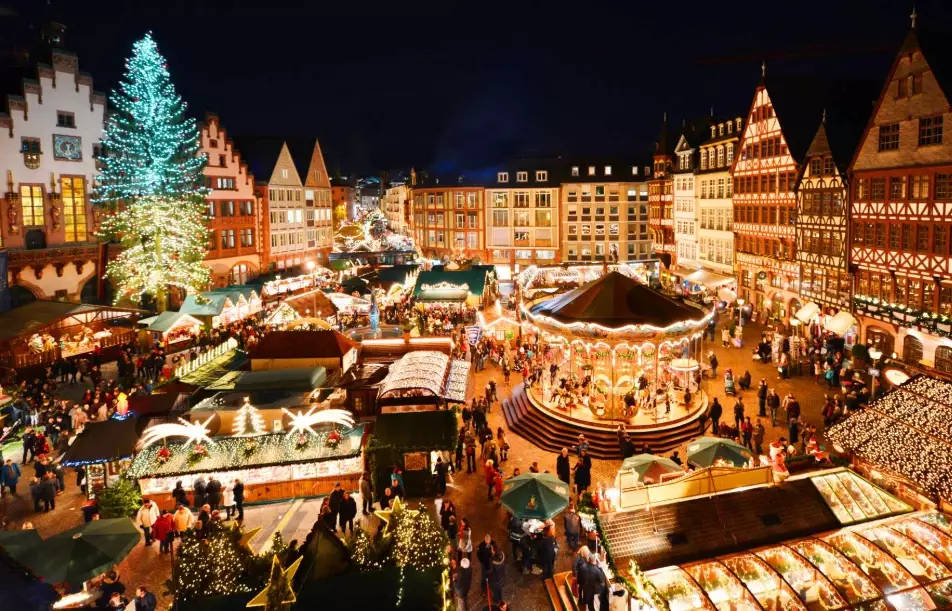
The Unique & Themed Gems
For something a bit different, these markets offer a twist on the traditional formula.
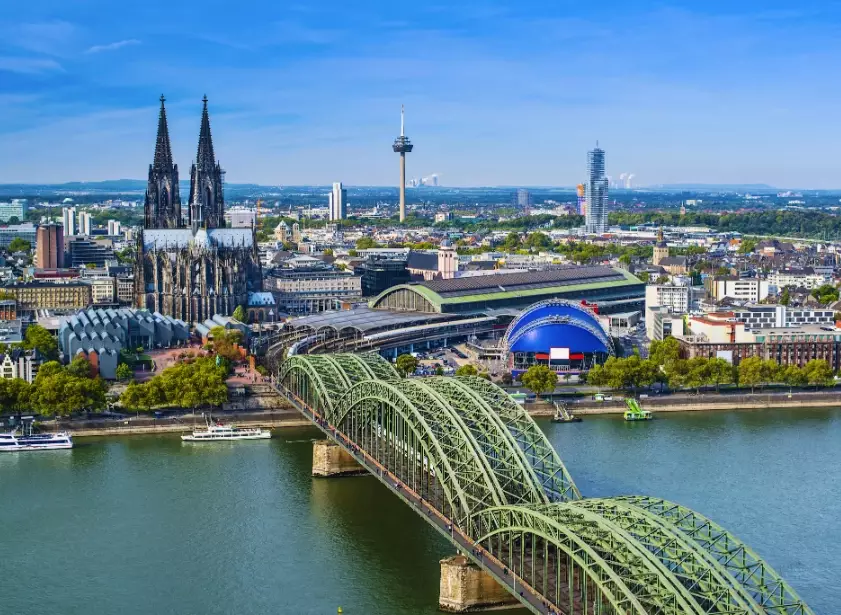
Cologne Cathedral Christmas Market: The setting is simply unbeatable – right at the foot of the colossal Cologne Cathedral, a UNESCO World Heritage site. The sight of the market's lights with the floodlit cathedral towering above is breathtaking. Cologne actually has several markets, each with a theme. My personal favorite is the “Angel's Market” (Markt der Engel) in the Old Town near the Heumarkt, which has a celestial theme with white and silver decorations and a focus on high-quality gifts. The one by the cathedral is the biggest and most touristy, but the backdrop makes it worth it.
Stuttgart Christmas Market: This is a serious contender for one of the most beautiful in Germany. Spread across several connected squares in the city center, it feels expansive and lavish. The decorations are stunning, with a famous, beautifully decorated railway that chugs through the market that kids (and adults) love. It has a reputation for being one of the most elegant, with a fantastic selection of handicrafts and food. It's less of an international tourist magnet than Nuremberg or Munich, giving it a slightly more local feel.
Your Survival Guide: How to Actually Enjoy Your Visit
Knowing which market to visit is half the battle. The other half is knowing how to navigate it like a pro. Here’s the practical, unglamorous advice you need.
When to Go (Timing is Everything)
Most German Christmas Markets open in late November (often the last week) and run until December 23rd or 24th. Some, especially in larger cities, may start a bit earlier or have a short post-Christmas run.
The single biggest factor for your experience will be the crowd.
- Best Time of Day: Weekday mornings (10 am - 2 pm) are golden. You can stroll, browse, and take photos in relative peace. After 4 pm, especially on weekends, it transforms. Locals finish work, and the atmosphere becomes more of a bustling, social party. Both are fun, but for different reasons. Go early to shop and explore, go late to soak up the vibrant nightlife vibe.
- Best Time of Week: Avoid Saturdays at all costs if you dislike crowds. Sundays can be busy too. Tuesday through Thursday are your best bets.
- Early vs. Late Season: The first weekend can be busy with opening excitement. The last week before Christmas is pure pandemonium. The sweet spot is often the first two full weeks of December.
The Food & Drink Bible (What to Try)
This is a core part of the experience. Don't just eat anything; eat the right things.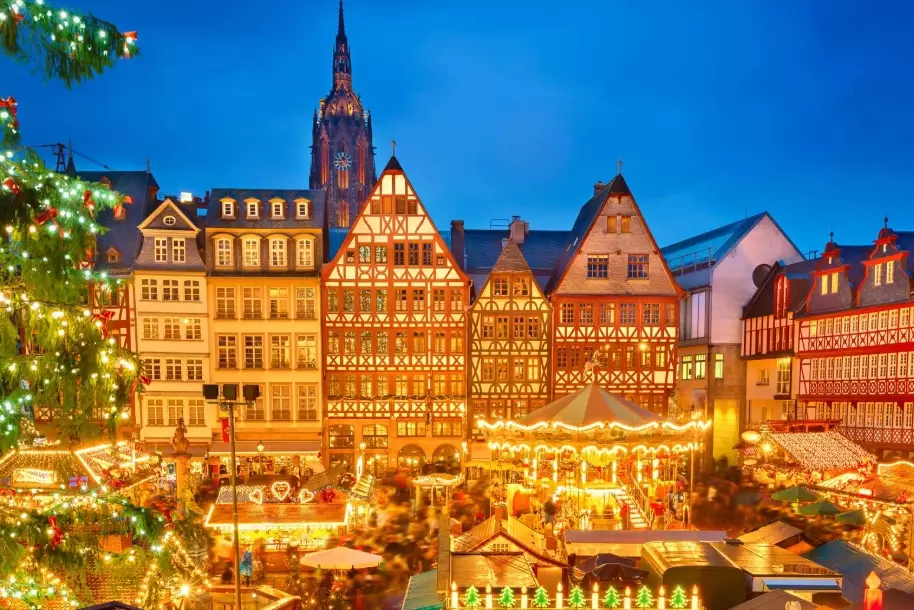
Here’s a breakdown of the essential market fare:
| Food/Drink | German Name | What It Is & Why You'll Love It |
|---|---|---|
| Mulled Wine | Glühwein | Red wine warmed with spices (cinnamon, cloves, citrus). The ultimate warmer. Try Feuerzangenbowle if you see it – rum-soaked sugar set on fire and dripped into the wine! |
| Grilled Sausage | Bratwurst | Usually served in a crusty roll with mustard. Thuringian or Nuremberg varieties are classics. Simple, hearty, perfect. |
| Potato Pancakes | Reibekuchen / Kartoffelpuffer | Shredded potato, fried crispy. Served with applesauce or garlic cream. My personal favorite savory snack. |
| Roasted Almonds | Gebrannte Mandeln | Almonds coated in a crunchy, sweet cinnamon-sugar shell. The smell is the signature scent of the markets. |
| Gingerbread | Lebkuchen | Softer and spicier than American gingerbread. Nuremberg is famous for it. Often heart-shaped and decorated. |
| Sweet Pastry | Schmalzkuchen | Little balls of fried dough, dusted with powdered sugar. Like mini doughnuts, but lighter. Dangerously addictive. |
What to Buy (Souvenirs That Aren't Junk)
Resist the stalls selling mass-produced plastic ornaments or scarves that say “Germany.” Look for the handmade signs (Handarbeit).
Quality Souvenirs Worth Your Euros:
- Wooden Ornaments & Nutcrackers: From the Erzgebirge region. Look for detailed carving and painting.
- Blown Glass Baubles: Delicate, beautiful, and often personalized on the spot.
- Smoking Incense Men (Räuchermännchen): A charming German tradition. You put a cone incense inside, and the smoke puffs out of the mouth.
- Christmas Pyramid (Weihnachtspyramide): A carousel driven by the heat of candles. A beautiful centerpiece.
- Mustard or Spice Mixes: Local condiments from the region you're visiting. Practical and delicious.
Planning Your Trip: The Nitty-Gritty Details
What to Wear (Seriously, Dress Like You're Climbing a Mountain)
You will be standing outside for hours, often in freezing or wet conditions. Fashion takes a back seat to warmth.
- Footwear: This is non-negotiable. Thick-soled, waterproof, insulated boots. Your feet will thank you by 7 pm.
- Layers: Thermal base layer, sweater, and a down or thick wool coat. A scarf, hat, and insulated gloves are essential. You'll be holding a cold mug or eating with your hands, so consider touchscreen-compatible glove liners.
- Bag: A cross-body bag to keep your hands free and your belongings secure in crowds.

Getting Around & Accommodation
Book accommodation months in advance, especially for popular cities like Nuremberg, Rothenburg, or Dresden. Prices skyrocket, and places sell out.
German cities are well-connected by train. The Deutsche Bahn (German Rail) website is your friend for planning inter-city travel. Consider basing yourself in one or two cities and taking day trips by train to nearby markets. For example, stay in Munich and visit Nuremberg (about 1 hour by fast train), or stay in Frankfurt and visit Heidelberg or Rothenburg.
Within cities, markets are almost always in the pedestrianized old town centers. Walk or use public transport. Driving and parking near the main German Christmas Markets is a special kind of holiday nightmare – avoid it.
Answering Your Burning Questions (FAQ)
Let's tackle those specific questions that keep popping up when you're planning.
The Final Sip of Glühwein
Planning a trip to the German Christmas Markets does require some effort. It's not always the perfectly curated Instagram moment. It can be cold, your feet will ache, and you might get jostled by the crowd. But when you find that perfect moment – discovering a stunning handmade ornament, sharing a laugh with friends over a shared plate of Reibekuchen, or simply standing quietly under the lights as a light snow falls – you'll understand. It's a deeply rooted, authentic celebration of the season that manages to feel both grand and wonderfully cozy.
Do your research, pack your warmest clothes, manage your expectations about crowds, and go with the flow. Embrace the tradition, savor the flavors, and let yourself be swept up in the warm, glowing heart of a German winter. It's an experience that stays with you long after the last light is taken down.
Start looking at those train schedules and hotel bookings now. Your adventure into the world's most magical Christmas tradition awaits.