In This Article
- Where to Find the Best German Five-Star Experience
- What Are You Actually Paying For? Decoding the Luxury
- How to Choose YOUR Perfect 5-Star Hotel in Germany
- The Booking Process: Getting the Best Deal and Experience
- Navigating Your Stay: Etiquette and Insider Tips
- Answering Your Burning Questions
- Wrapping It Up: Is a German Five-Star Stay Worth It?
Let's talk about luxury in Germany. It's not always the first country that pops into your head for over-the-top opulence, right? You might think of France or Italy first. But here's the thing – German five-star hotels have a character all their own. They blend that famous German precision and engineering with deep-rooted history, stunning landscapes, and a service philosophy that's more about understated excellence than flashy displays. I've stayed in a few, researched dozens, and spoken to plenty of travelers who've made the trip. This isn't just a list; it's a deep dive into what makes a 5 star hotel in Germany tick, how to find the right one for you, and what you're really paying for.
It's a mix. You've got these grand old dames in Berlin and Munich, former palaces and banks turned into temples of hospitality. Then you have the sleek, minimalist design hotels in Frankfurt that cater to the high-finance crowd. And don't get me started on the Alpine retreats in Bavaria or the vineyard estates along the Rhine. The variety is staggering. But "five stars" in Germany isn't just a marketing term. It's a rigorous classification managed by the German Hotel and Restaurant Association (DEHOGA). They have a 300-point checklist covering everything from room size (minimum 18 sqm for a single) and bathroom amenities (specific quality of toiletries is mandated) to service availability (24-hour reception and room service are musts) and facility breadth. This standardization is a double-edged sword – it guarantees a baseline of quality, but it also means some incredibly charming, luxurious properties might "only" be four stars if they lack one specific facility, like a dedicated concierge available 24/7.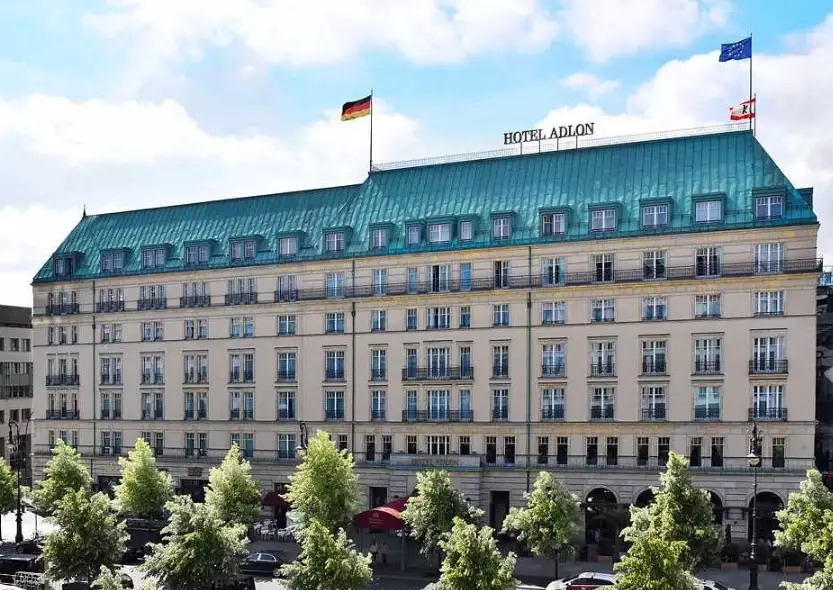
Where to Find the Best German Five-Star Experience
Location is everything. Germany's regions offer wildly different backdrops for your luxury stay. Picking the right city or town is half the battle.
The Major Cities: Berlin, Munich, Frankfurt, Hamburg
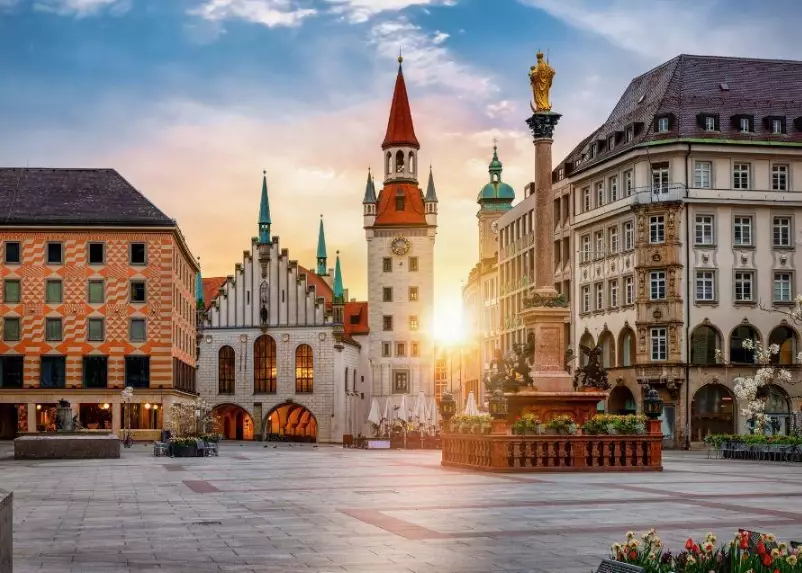
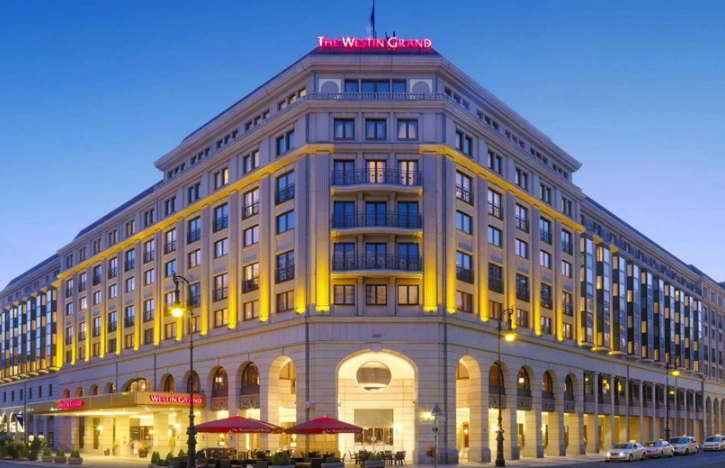
If you want buzz, culture, and history, the cities are your playground. Berlin's luxury scene is eclectic. You can sleep in a restored 19th-century building on Unter den Linden, feeling the weight of history, or in a cutting-edge glass tower at Potsdamer Platz. The clientele is international, the vibe is creative, and the bars are legendary. Munich is different. It's more polished, conservative in a way, but incredibly warm. The top 5 star hotels in Munich often have a connection to Bavaria's royal past – think chandeliers, antique furniture, and impeccable, formal service. It's where tradition meets luxury.
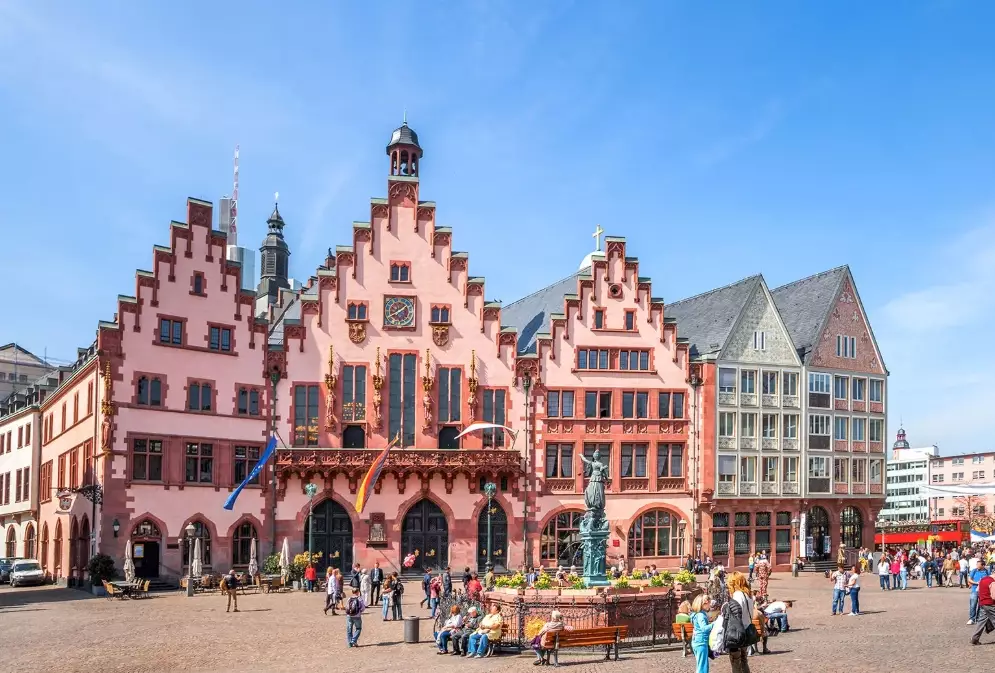
Frankfurt? It's the business hub. The luxury hotels here are temples of efficiency. Expect state-of-the-art technology in the rooms, fantastic business centers, and locations a stone's throw from the banking district. The service is sharp and professional. Hamburg, with its maritime flair, offers luxury with a view of the Elbe or the Alster lake. The hotels here feel more spacious, often incorporating water elements into their design.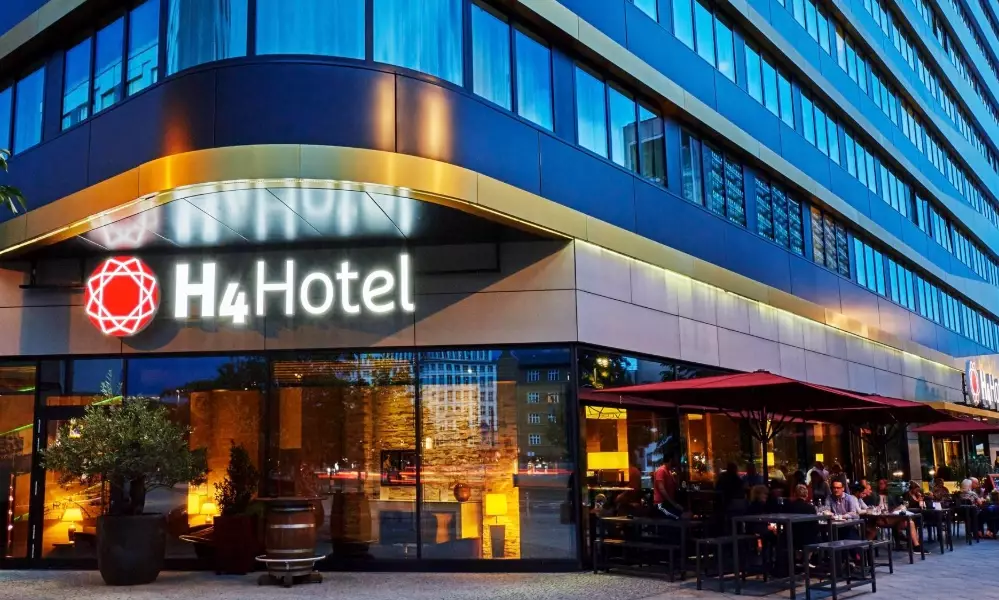
| City | Typical Vibe of a 5-Star Hotel | Best For | Consider This... |
|---|---|---|---|
| Berlin | Eclectic, historical grandeur or ultra-modern design. International crowd. | Culture buffs, nightlife, history enthusiasts. | Can feel impersonal due to size. Check if renovation noise is scheduled. |
| Munich | Traditional, palatial, impeccable service. Strong Bavarian character. | Classic luxury, proximity to Alps, Oktoberfest visitors. | Prices skyrocket during trade fairs (like IAA) and Oktoberfest. Book a year ahead. |
| Frankfurt | Business-focused, sleek, high-tech. Efficient and professional. | Business travelers, finance professionals, short layovers. | Weekends can be dead and surprisingly good value compared to weekdays. |
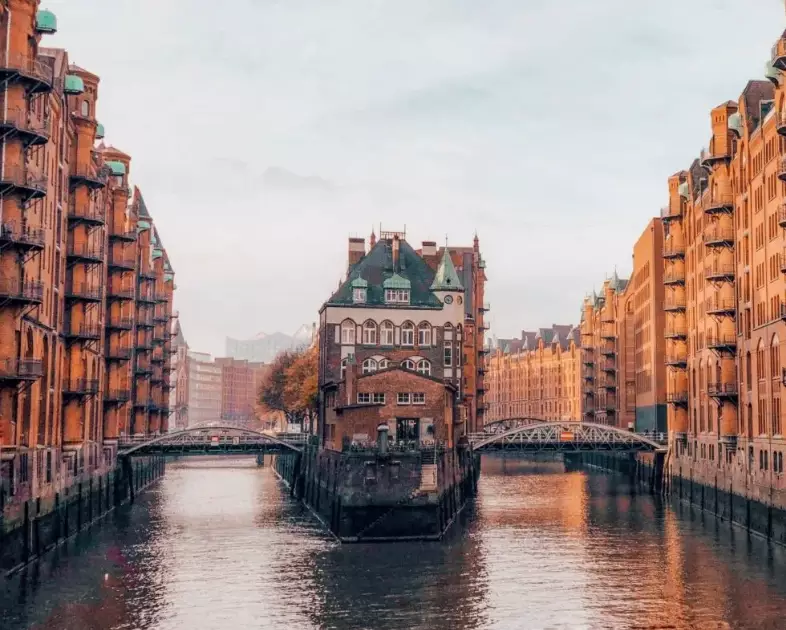
| Hamburg | Maritime elegance, spacious, often with water views. | Travelers wanting a more relaxed city vibe, theater-goers. | The Speicherstadt area offers unique luxury in converted warehouses. |
Beyond the Cities: Castles, Spas, and Vineyards
This is where Germany truly shines for a unique 5-star experience. Imagine staying in a genuine medieval castle (a *Schloss*) that's been meticulously updated. You'll find these nestled in the Rhine Valley, the Black Forest, or along the Romantic Road. The service is often more personal, the dining highlights regional produce, and the setting is pure fairy tale. Then there are the world-class spa hotels, particularly in Baden-Baden. This town has been a wellness destination for European aristocracy for centuries. A 5 star hotel here isn't complete without a sprawling, serene spa area offering the famed Baden-Baden thermal baths.
The wine regions, like the Mosel and Rheingau, offer stunning vineyard estates. Your balcony overlooks rows of Riesling grapes, and the hotel restaurant's wine list is a journey in itself. It's a slower, more sensory kind of luxury. For sheer alpine drama, the Bavarian Alps near Garmisch-Partenkirchen or the Tegernsee lake have resorts that blend rustic charm (think wood paneling, cozy fireplaces) with five-star amenities like infinity pools with mountain views.
What Are You Actually Paying For? Decoding the Luxury
So, a room at a top-tier 5 star hotel in Germany can easily run €400-€1000 per night. What justifies that? Let's break it down beyond the thread count.
Location & Property: You're paying for that prime address on Munich's Maximilianstrasse or Berlin's Gendarmenmarkt. You're paying for the upkeep of a historic landmark or the jaw-dropping architecture of a new build. The real estate itself is a huge part of the cost.
The Bed & Bath: This is non-negotiable. The bed should be a work of art – a high-end mattress (often customizable firmness), premium linens (think 300-thread-count Egyptian cotton minimum), and a selection of pillows. The bathroom is a sanctuary. Heated floors, a separate rain shower and deep soaking tub (in most suites and higher room categories), double vanities, and high-end toiletries from brands like RITUALS, Bulgari, or local artisan producers. Towels should be thick and plentiful.
Service & Staffing: This is the heart of it. The staff-to-guest ratio is high. The concierge isn't just someone who books taxis; they are magicians who can get you last-minute tickets to the Staatsoper or a private after-hours tour of a museum. Service is anticipatory but not intrusive. They remember your name, your preference for sparkling vs. still water at breakfast. This level of training and staffing is enormously expensive.
Amenities & Facilities: A proper spa with treatment rooms, a well-equipped fitness center (no longer just a treadmill in a basement), a pool (often indoor, sometimes stunning indoor/outdoor), multiple dining venues, perhaps a rooftop bar. These spaces are expensive to build, maintain, and staff.
Food & Drink: Breakfast is an event. It's not a continental buffet. It's a sprawling affair with champagne, fresh juices, a dizzying array of breads and pastries, charcuterie, cheese, hot items made to order, and often a dedicated honey or jam selection. The in-room minibar is typically generously stocked (and priced accordingly), and the restaurants often hold Michelin stars or Gault Millau points. You're paying for culinary excellence.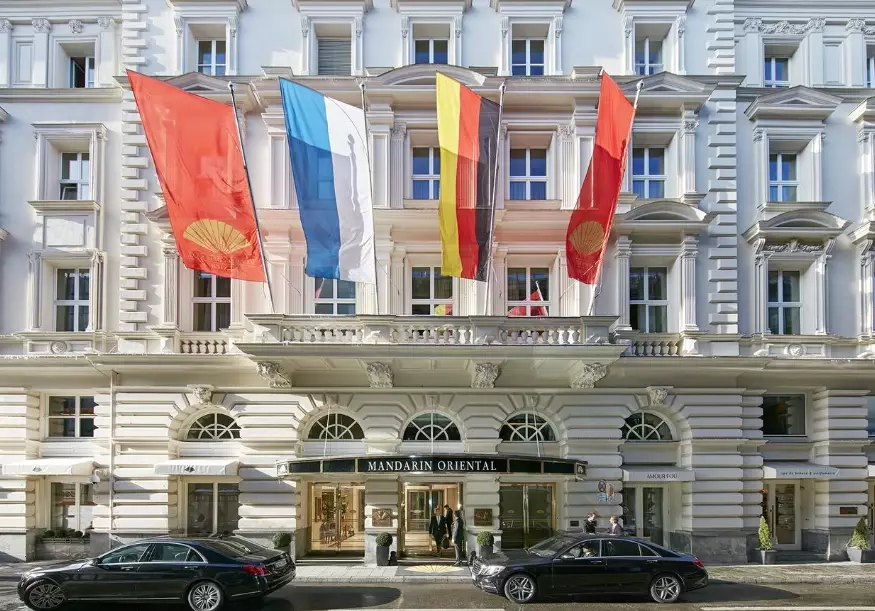
The Hidden Perks (and Potential Pitfalls)
Many luxury hotels in Germany include things you might not think to ask about:
- Free Mini-Bar for non-alcoholic items: Increasingly common. Always check.
- Press Reader or Newspaper Delivery: Digital or physical access to international papers.
- Luxury Airport Transfers: Often in a Mercedes S-Class or BMW 7 Series. Not free, but a seamless experience.
- Cultural Partnerships: Privileged access or private tours at nearby museums or galleries.
Potential pitfalls? Resort fees are less common than in the US, but always check the final price. Parking in city centers can be exorbitant (€40-€60 per day is not unusual). And that stunning rooftop bar might be closed for a private event during your stay – a mild disappointment I've faced.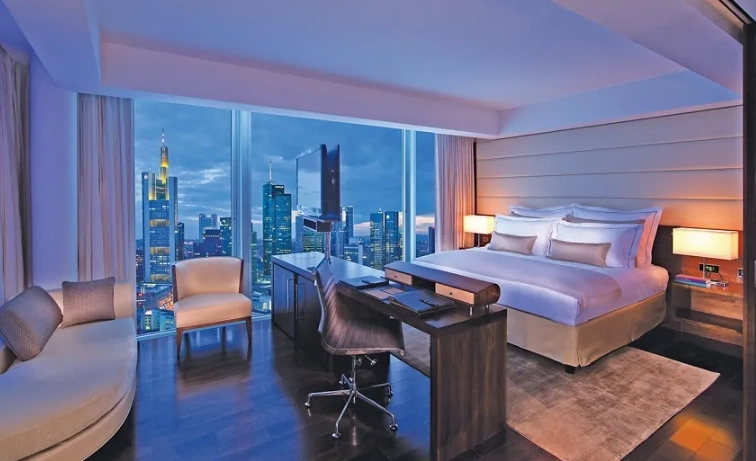
How to Choose YOUR Perfect 5-Star Hotel in Germany
With so many options, how do you decide? It's not just about the shiniest one.
First, be brutally honest about your trip's purpose. Is it a romantic getaway? A landmark castle or a spa hotel is your target. A business trip? Prioritize location near your meetings, a stellar business center, and reliable, fast Wi-Fi (ask about upload/download speeds if you need to send large files). A family vacation? Only a subset of 5-star hotels truly welcome children with open arms (and amenities like connecting rooms, kids' clubs, and child-friendly pools). Don't assume all luxury is family-friendly; some are decidedly adult-oriented.
Second, dissect the location on a map. A hotel might be "in Berlin," but if it's a 30-minute U-Bahn ride from the Mitte district, you'll spend a lot of time commuting. Is it on a noisy main road? Check Google Street View. Is it in a charming, walkable neighborhood with cafes and shops? That adds immense value.
Third, read between the lines of reviews. Don't just look at the overall score on TripAdvisor or Google. Read the most recent 3-star reviews. They often highlight specific, recurring issues that 5-star gushing reviews overlook – like slow service at breakfast, inconsistent housekeeping, or noisy renovations next door. I also cross-reference with trusted sources like the Condé Nast Traveller Readers' Choice Awards or the Forbes Travel Guide (formerly Mobil Guide) for their professional, detailed inspections.
Fourth, the devil is in the room details. What's the exact room size? 18 sqm is the legal minimum for a five-star single, but that can feel cramped with luggage. For a couple, aim for 25 sqm+. What floor is it on? Is there a balcony (and is it shared or private)? What's the view? A "city view" might be a brick wall. A "partial river view" means you can see a sliver of water if you stand on the toilet. Be specific.
Never book a "standard" room if you can help it. The first upgrade or the "superior" category is often a massive jump in space, amenities, or view for a relatively small increase in price.
The Booking Process: Getting the Best Deal and Experience
Here's a hot take: Booking.com or Expedia might not be your best bet for a genuine five-star experience in Germany.
Consider booking directly with the hotel. Why? You often get the best rate guaranteed these days, or at least matched. More importantly, you establish a direct relationship. You can email them beforehand with special requests (anniversary, specific room location, allergy needs). They are more likely to offer a complimentary upgrade (if available) to a direct booker than to an opaque third-party reservation. You also get the hotel's full loyalty benefits if they have a program. And if something goes wrong, you have one point of contact – the hotel – not a frustrating triangle between you, the hotel, and the booking agent.
Timing is everything. For city hotels, weekends (Friday-Sunday) are often cheaper than weekdays, which are dominated by business travelers. For leisure destinations, avoid school holidays if you can. Shoulder seasons (April-May, September-October) offer great weather and better prices. Booking last-minute can sometimes yield amazing deals if the hotel is empty, but for a specific, popular property, book 3-6 months in advance.
Understand the rate types. "Flex" or "Best Available Rate" is usually fully refundable until 1-3 days before arrival, but it's the most expensive. "Advanced Purchase" or "Saver" rates are non-refundable and paid upfront, but can be 20-30% cheaper. Only choose this if you are 100% certain of your plans. Does the rate include breakfast? For two people, adding breakfast later can cost €60-€80 per day. A rate that includes it (often called "Bed & Breakfast" or "Rate Inclusive") can be tremendous value.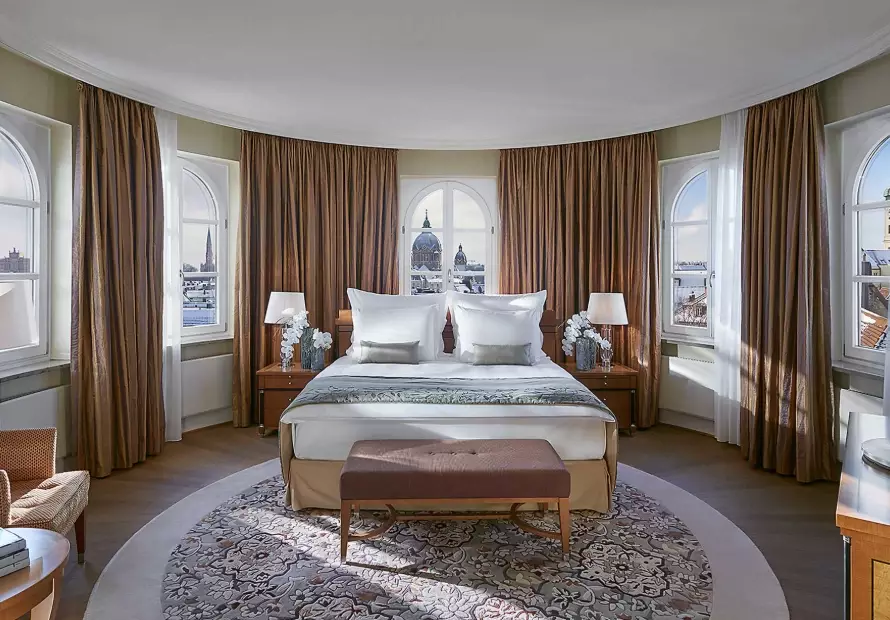
Is it worth getting a suite? For a special occasion or a longer stay, absolutely. The living space makes a huge difference. You're not just eating room service on the bed. Many suites also come with additional perks like access to a private lounge with all-day snacks and drinks (a Club Lounge), which can effectively cover your breakfast and evening cocktails.
Navigating Your Stay: Etiquette and Insider Tips
You've checked in. Now what? How do you make the most of it?
Use the concierge. This is your most valuable resource. Don't be shy. Ask them for restaurant recommendations *and* to book it. They have relationships. Tell them your interests – "We love modern art and weird history" – and see what they suggest. A good concierge loves a challenge.
Breakfast strategy. Go earlier rather than later. The food is fresher, and it's less crowded. Take your time. It's included in the experience. Try the local specialties – the different breads, the cold cuts, the cheeses.
Room service. It's expensive, but sometimes worth it for the sheer luxury of dining in your robe. Check if there's a "light bites" menu that's more reasonable than the full dinner menu.
Spa bookings. Book your spa treatments *before* you arrive, especially for weekends. The popular time slots go fast.
Tipping. Germany isn't a heavy tipping culture, but in a 5-star environment, it's appreciated for exceptional service. For the bellhop, €2-€5 per bag. For housekeeping, €3-€5 per day, left clearly on the pillow or with a note. In restaurants, rounding up to a convenient figure or adding 5-10% for great service is standard. Don't feel pressured to tip American-style percentages.
Answering Your Burning Questions
Wrapping It Up: Is a German Five-Star Stay Worth It?
Look, it's a splurge. There's no getting around it. You can have a wonderful trip to Germany staying in lovely 4-star hotels or charming guesthouses (*Pensionen*). But a 5-star hotel is an experience in itself. It's about immersion, about being taken care of, about the details that add up to a feeling of effortless comfort and occasional magic.
For a milestone celebration, a honeymoon, or when you simply want to treat yourself and experience the pinnacle of German hospitality, it's absolutely worth it. The key is to do your homework. Match the hotel to your personal travel style. Don't just chase a name or a brand. Look for the property whose description gives you that little thrill – whether it's the history of a Berlin palace, the alpine view from a Bavaria suite, or the promise of silence in a Black Forest spa.
The landscape of 5 star hotels in Germany is rich and varied. From the urban energy of Frankfurt's towers to the timeless peace of a Moselle vineyard, there's a perfect luxury experience waiting. It's not just a place to sleep; it's a destination and a memory in the making. Just remember to book that spa treatment in advance.