That headline stings, doesn't it? As someone who's called Munich home for over a decade, I've seen the question pop up in travel forums, overheard it in tourist groups, and felt the defensive hackles of my Bavarian neighbors rise when it's mentioned. The short, blunt answer is no, Munich is not the unfriendliest city in the world. Not even close. But the fact that the question persists points to a real, tangible cultural friction that many visitors experience. It's less about malice and more about a fundamental mismatch of social operating systems.
Think of it like this: you're trying to run macOS software on a Windows PC. It's not that the PC is broken or hostile; the codes are just different. Munich operates on a code of efficiency, reserve, and rules. When met with expectations of effusive warmth and instant familiarity, it can feel like a system error—cold, abrupt, unfriendly.
What’s Inside?
Why Does Munich Have This Reputation?
It doesn't come from nowhere. Several factors converge to create that initial chilly impression.
First, the famed Bavarian reserve. People here value privacy and personal space. A stranger striking up a deep conversation on the U-Bahn is an anomaly, not an invitation. Small talk with cashiers or waitstaff is minimal. The focus is on the transaction, not the interaction. If you're from a culture where "how are you?" is a conversation starter, the brisk "bitte" (please/here you go) and "danke" (thanks) can feel dismissive.
Then there's the directness. Germans are famously direct, and Bavarians are no exception. It's not meant to be rude; it's about clarity and efficiency. A "no" is a "no," not a "maybe later." Feedback can be blunt. I still remember my first week here, asking a baker if a certain bread was fresh. "It was baked this morning," she stated, with no reassuring smile. I took it as snippy; she was just stating a fact.
Finally, the rules. Oh, the rules. Munich functions on a well-oiled system of Ordnung (order). Jaywalking? A serious frown. Talking loudly on the phone in a quiet train carriage? Death stares. Putting your recycling in the wrong bin? Don't even think about it. This strict adherence to rules can make the city feel rigid and unwelcoming to those used to more flexibility. A report by the German Federal Statistical Office often ranks Bavaria high in surveys about satisfaction with local rules and safety, which locals see as a feature, not a bug.
The Munich Mindset: Understanding the Local Code
To call this unfriendliness is to misunderstand the currency of social interaction here. Friendliness in Munich isn't cheap, surface-level charm. It's a long-term investment that yields high dividends.
Relationships are built slowly, through consistency and shared context. This is the land of the Verein (club). Be it a sports club, a gardening club, a traditional costume club (Trachtenverein), or a regular Stammtisch (regulars' table) at a brewery. This is where you'll see the famed Munich warmth. Once you're "in," the loyalty, generosity, and genuine care are profound. The barrier to entry is just higher.
Their directness is also a form of respect. They assume you are competent and don't need your hand held or your feelings sugar-coated. It's the opposite of passive-aggressiveness. You always know where you stand.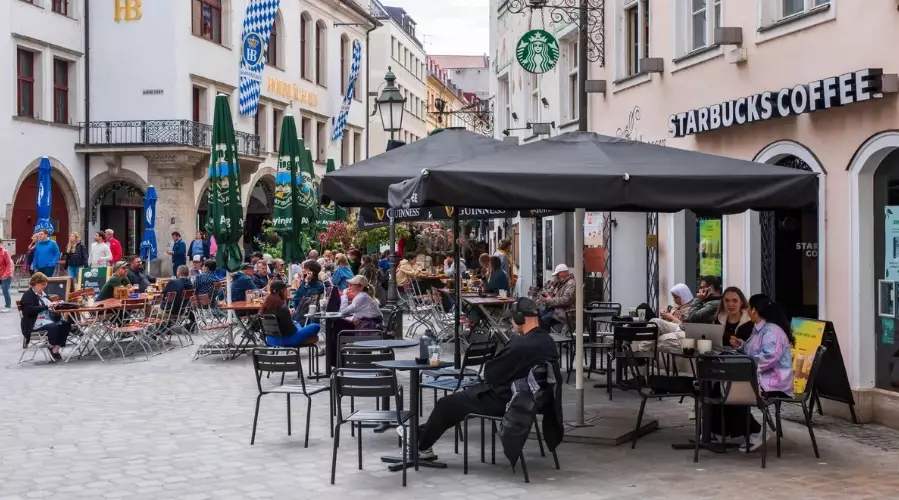
The Insider View: My neighbor, a born-and-bred Münchner, put it best: "We are like a coconut. Hard shell, soft inside. You Americans are like peaches. Soft outside, hard pit inside." It took him three years of sharing a stairwell to invite me for a beer. Now, he'll drop everything to help me fix a bike or bring over homemade Obatzda. The initial investment was worth it.
How to Navigate Munich's Social Culture (and Actually Enjoy It)
You can't change a city's culture, but you can change how you interact with it. A few tweaks can transform your experience from frustrating to fantastic.
Master the Basic Social Scripts
Start every interaction with a polite "Guten Tag" (Good day) or "Hallo." Use "bitte" and "danke" liberally. When approaching someone for help, be concise and direct. "Entschuldigung, wo ist der Marienplatz?" (Excuse me, where is Marienplatz?) is perfect. Skip the "Hey, sorry to bother you, I was just wondering if maybe you could..."
Embrace the Rules, Don't Fight Them
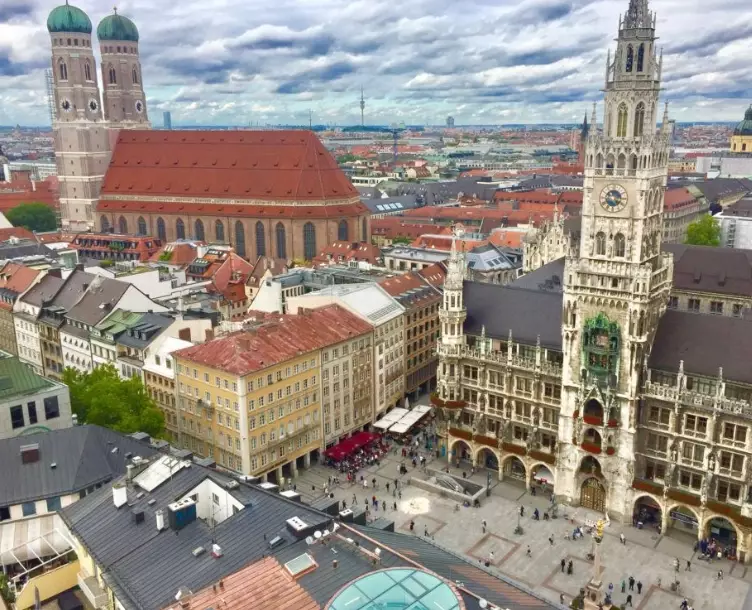
Follow the pedestrian signals. Keep your voice down in public transport. Stand on the right on escalators so people can pass on the left. This isn't submission; it's showing respect for the local social contract. You'll immediately feel less like an outsider being judged.
Find Your "Verein" Moment
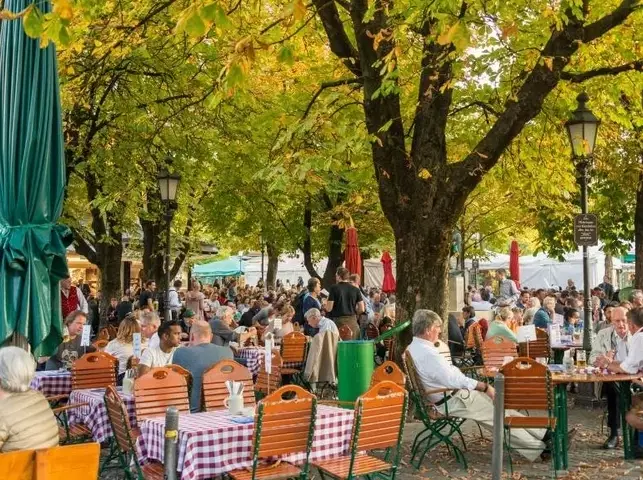
You don't need to join a club for life. Go to a beer garden. Sit at a long table (a must). Don't force conversation. Just be there. After a while, the simple act of passing the salt or commenting on the beer might lead to a chat. The setting does the work for you. The Augustiner-Keller beer garden (Arnulfstraße 52, 80335 Munich) is a classic for this.
Reframe Service Interactions
Don't expect a server to check on you every five minutes with a beaming smile. Here, good service is competent, accurate, and timely. You have their full attention when you need them. To get service, make eye contact and a slight nod. They will come. Tip by rounding up or adding 5-10%, but do it by telling them the total you want to pay (e.g., for a €19 bill, say "20" as you hand over your card).
Myth vs. Munich: A Direct Comparison
| The Myth / Expectation | The Munich Reality | How to Adjust |
|---|---|---|
| Strangers will smile and make eye contact warmly. | Reserved public demeanor is the norm. Smiles are earned, not given freely. | Don't take it personally. See it as a neutral default, not a negative one. |
| Service with a big, chatty smile. | Service with efficiency and precision. | Appreciate the accuracy and speed. Your order will be correct and timely. |
| Spontaneous invitations and fast friendships. | Friendships built slowly through shared activity and time. | Seek out group activities. Be patient. Consistency is key. |
| Flexible, casual adherence to rules. | Rules exist for a reason and are generally followed. | Follow the local norms. It reduces your stress and avoids glares. |
| "No" is a starting point for negotiation. | "No" is a final answer based on policy or capacity. | Accept the first answer. Pushing is seen as disrespectful, not persistent. |
The Final Verdict on Munich's Friendliness
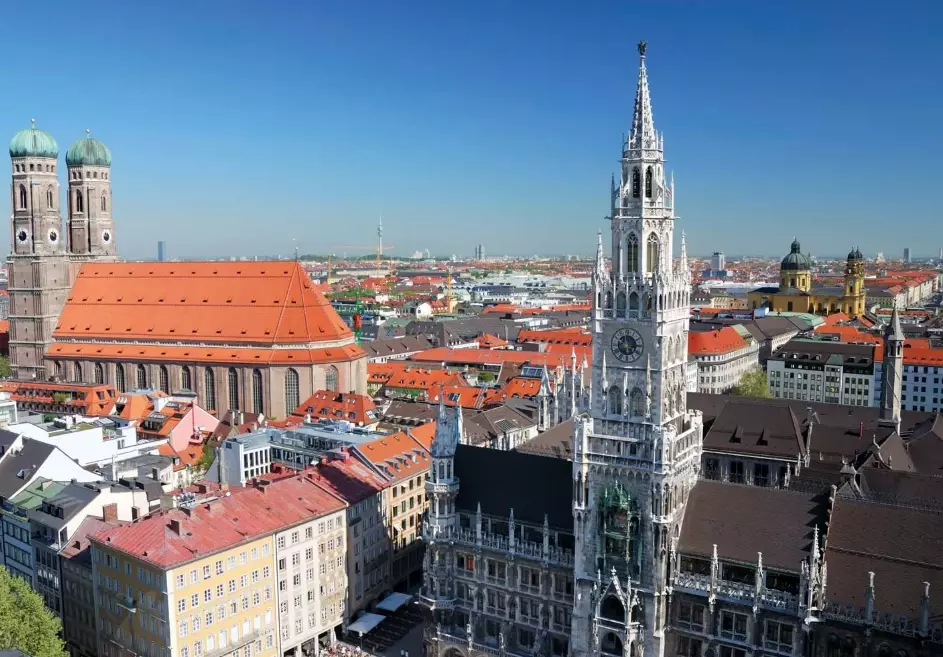 So, is Munich unfriendly? If your definition of friendliness is the instant, all-access warmth of a Mediterranean plaza or a southern U.S. town, then yes, you will be disappointed. You'll find the shell hard to crack.
But if you define friendliness as reliability, honesty, deep loyalty, and a society that functions with remarkable safety and order, then Munich is one of the friendliest places on earth. Once you learn the code—directness, respect for rules, valuing depth over breadth in connections—the city opens up. The grumpy-seeming waiter remembers your regular order. The neighbor who never smiled helps shovel your walk in winter. The colleague invites you to their family's farm for Kirchweih.
The unfriendliness is a myth built on cultural misunderstanding. The reality is a different, more reserved, but profoundly solid kind of warmth. It's not for everyone, but dismissing it as unfriendly is to miss out on what makes Munich, and its people, truly special.
Give it time. Learn the script. Appreciate the coconut.