Quick Navigation: What You'll Learn
Germany is a fantastic place to visit—safe, efficient, and rich in culture. But let's be real: even in a well-organized country, there are pitfalls that can trip up visitors. I've spent years traveling here, and I've seen tourists make the same mistakes over and over. This guide isn't about scaring you; it's about giving you the insider knowledge to navigate Germany smoothly. We'll dive into traffic rules, cultural norms, legal quirks, and more. By the end, you'll know exactly what to watch out for.
Traffic and Transportation: Rules You Can't Ignore
German transportation is top-notch, but it comes with strict rules. Ignore them, and you might face fines or worse.
The Autobahn: Speed and Safety
Yes, parts of the Autobahn have no speed limit. But that doesn't mean you should floor it. Locals drive fast but predictably. If you're in the left lane and someone flashes their lights, move over immediately. It's not rude; it's the law. I once saw a rental car driver hog the left lane and cause a near-accident. Also, watch for construction zones—speed limits drop sharply, and cameras are everywhere. Fines can hit €200 for minor violations.
Public Transport: Tickets and Etiquette
In cities like Berlin or Munich, public transport is efficient. But here's the kicker: you must validate your ticket before boarding. There are no turnstiles, so it's easy to forget. Inspectors do random checks, and if you're caught without a valid ticket, it's a €60 fine on the spot. No excuses. Buy tickets from machines or apps, and stamp them in the little boxes on platforms. Oh, and keep your voice down—Germans value quiet on trains.
Pro tip: For regional trains, seat reservations aren't mandatory, but during peak times, you might end up standing. Book ahead if you're traveling on a Friday afternoon or holiday.
Cultural Etiquette: Avoiding Social Faux Pas
Germans are direct and value order. What seems normal back home might be offensive here.
Greetings and Personal Space
Handshakes are standard for first meetings, even in casual settings. Avoid hugs unless you're close friends. And maintain personal space—standing too close is considered intrusive. In conversations, Germans get straight to the point. Small talk is minimal. Don't take it as rudeness; it's efficiency.
Dining and Tipping Customs
When dining out, don't expect free tap water. You'll need to order bottled water, which can be pricey. Tipping is customary but not excessive. Round up the bill or add 5-10%. For a €18.50 meal, pay €20. Servers might not bring the bill until you ask—they assume you're not rushed. And no doggie bags; it's uncommon to take leftovers home.
Sunday quiet hours are real. Most shops are closed, and noise is frowned upon. Want to do laundry or vacuum? Do it before 10 PM on weekdays or risk complaints from neighbors.
Legal and Administrative Matters
Germany has rules for everything. Some seem odd but are enforced.
Recycling and Environmental Rules
Recycling is serious business. Separate your trash into paper, plastic, glass, and bio-waste. Get it wrong, and you might get a warning from the building manager. In public, littering can lead to fines. Also, plastic bags cost extra at supermarkets—bring your own.
Noise Regulations and Quiet Hours
Quiet hours (Ruhezeit) are typically from 10 PM to 6 AM and all day Sunday. No loud music, drilling, or parties. Hotels enforce this too. I stayed in a Berlin apartment once and got a note under the door for playing music at 11 PM. It's not worth the hassle.
Jaywalking is illegal. Cross only at green lights, even if no cars are around. Police might fine you €5-10. It sounds trivial, but it's about setting an example.
Health and Medical Precautions
Germany has excellent healthcare, but visitors need to be prepared.
Insurance and Emergency Services
EU citizens should bring their European Health Insurance Card. For others, travel insurance is a must. Without it, a doctor's visit can cost €100-200 upfront. Emergency number is 112. Pharmacies (Apotheke) are widespread, but many close on weekends—look for emergency rotation schedules posted on doors.
Common Health Risks
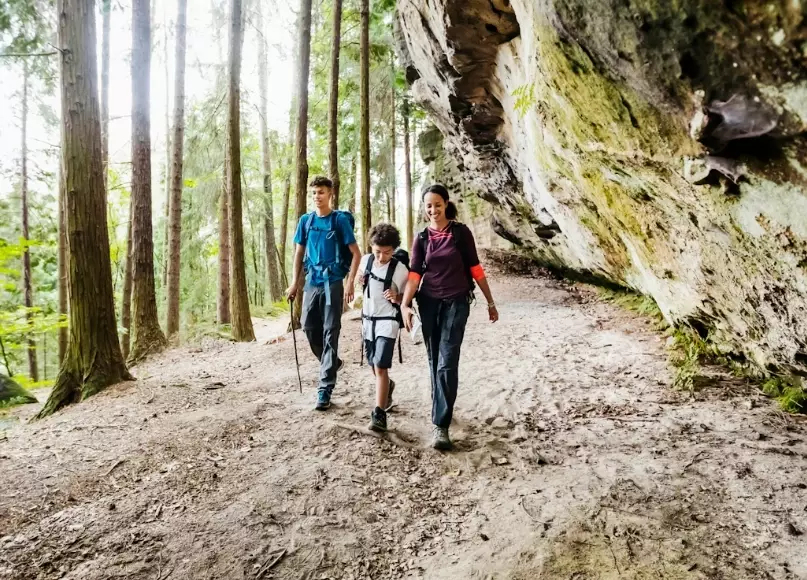
Tap water is safe to drink. But in rural areas, tick-borne diseases like Lyme disease are a risk if hiking. Wear long sleeves and use repellent. Also, air pollution is low, but pollen allergies can flare up in spring.
COVID-19 rules might change, so check the Robert Koch Institute website before traveling. As of now, masks are optional in most places, but hospitals may require them.
Personal Safety and Financial Tips
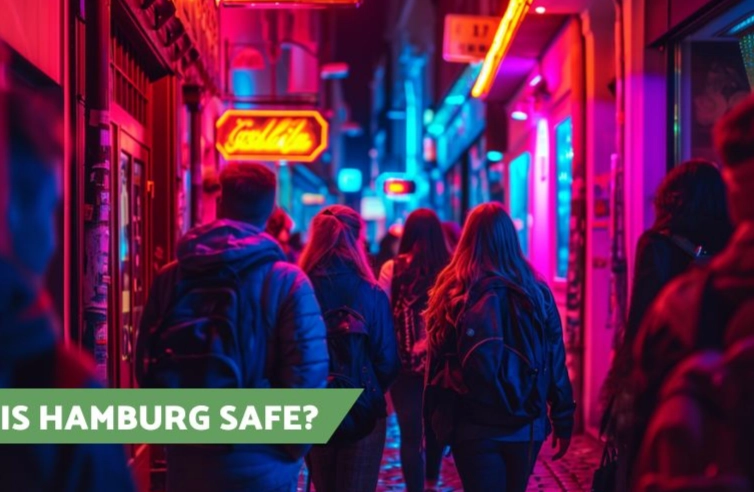
Germany is safe, but petty crime exists in tourist hotspots.
Pickpocketing Hotspots
Crowded areas like Munich's Marienplatz or Berlin's Alexanderplatz are prime spots. Keep wallets in front pockets or use anti-theft bags. I had a friend lose her passport in a train station distraction scam—someone "accidentally" spilled coffee while an accomplice grabbed her bag.
Cash vs. Card Culture
Germans love cash. Many small shops, cafes, and even some restaurants don't accept credit cards. Always carry €50-100 in cash. ATMs (Geldautomat) are everywhere, but watch for fees from your bank. Contactless payments are growing, but don't rely on them entirely.
Scams are rare, but be wary of street performers demanding money or fake petitions. Just walk away.