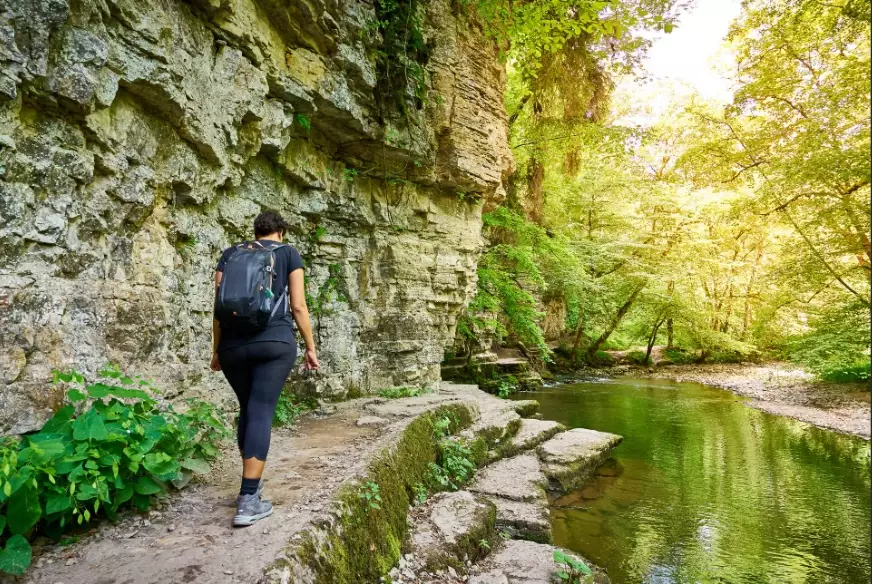
My first trip to Germany was a disaster. I followed a generic top-10 list, spent hours on trains between Berlin and Munich, ate mediocre schnitzel near the Brandenburg Gate, and felt like I’d seen nothing but train stations and crowded plazas. It took several return trips, getting lost in small towns, and conversations with locals to understand German leisure travel. It’s not about ticking off landmarks; it’s about rhythm—the rhythm of Kaffee und Kuchen (coffee and cake) in the afternoon, the slow pace of a hike in the Black Forest, the quiet awe inside a Romanesque church.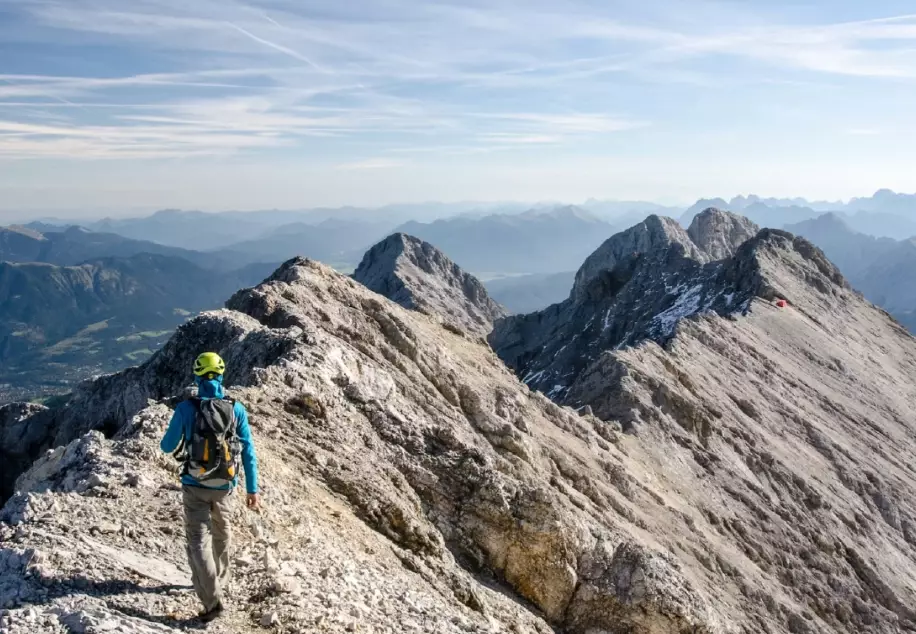
Germany’s magic lies in its regional diversity. Bavaria feels like a different country compared to Hamburg. The key is to choose a lane: dive deep into urban culture, follow a scenic route, or immerse yourself in hiking and nature. Trying to do it all in one go is the most common mistake.
Your Germany Trip at a Glance
Plan Your Perfect German Itinerary
Most first-timers try to cover too much ground. Germany is smaller than Montana, but its cultural density is immense. Distance is measured in time, not miles. That Berlin-to-Munich train is a solid 4-hour commitment.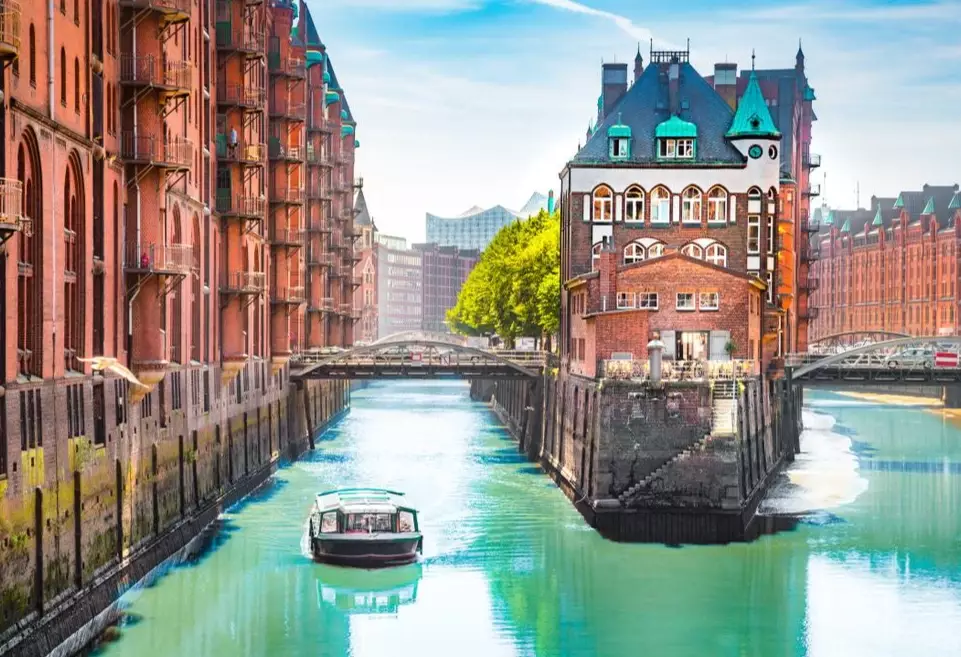
Here are two realistic itineraries based on time:
The 7-Day Classic (Berlin & Munich with a Twist)
Day 1-3: Berlin. Forget just seeing the Wall. Spend a morning at the Gemäldegalerie for Old Masters, then rent a bike in Tiergarten park. Have dinner in Kreuzberg, not Mitte. Day 4: Take the morning train to Munich (ICE Sprinter, ~4 hours). Day 5: Munich. Do the Residenz museum in the morning, skip the overpriced Hofbräuhaus for lunch, and find a Biergarten like Augustiner-Keller. Day 6: Day trip to Dachau Concentration Camp Memorial (sobering, essential) OR to Herrenchiemsee Palace (more fairytale). Day 7: Depart.
The 10-Day Scenic Route (Romantic Road & Alps)
Day 1-2: Munich (as above). Day 3: Pick up a rental car. Drive to Füssen (2 hours). Visit Neuschwanstein, but book tickets online weeks in advance. Stay in a guesthouse in nearby Schwangau. Day 4: Drive the Romantic Road north to Rothenburg ob der Tauber (3 hours). Walk the walls. Day 5: Explore Rothenburg, drive to Würzburg (1 hour), see the Residenz (a UNESCO site). Day 6: Drive to Heidelberg (1.5 hours). Day 7: Heidelberg Castle and Philosopher's Walk. Day 8: Train to Frankfurt for departure.
Explore Germany's Iconic Cities and Towns
Each city has a distinct personality. Don't just museum-hop; learn the city's rhythm.
| City | Can't-Miss Experience | Local's Tip & Logistics |
|---|---|---|
| Berlin | East Side Gallery, Museum Island, Reichstag Dome. | Buy the Berlin WelcomeCard for transport and discounts. The best food is in Neukölln and Prenzlauer Berg. Reichstag visit requires free online registration in advance. |
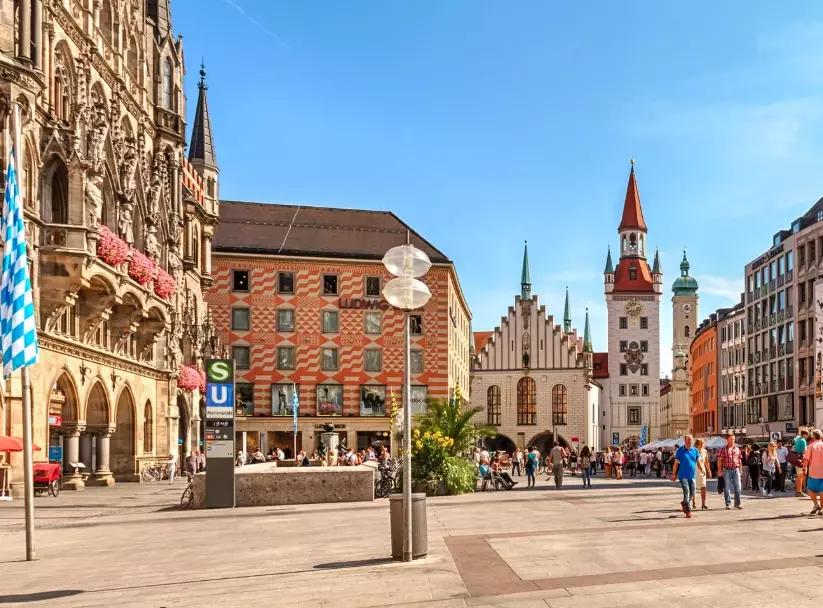
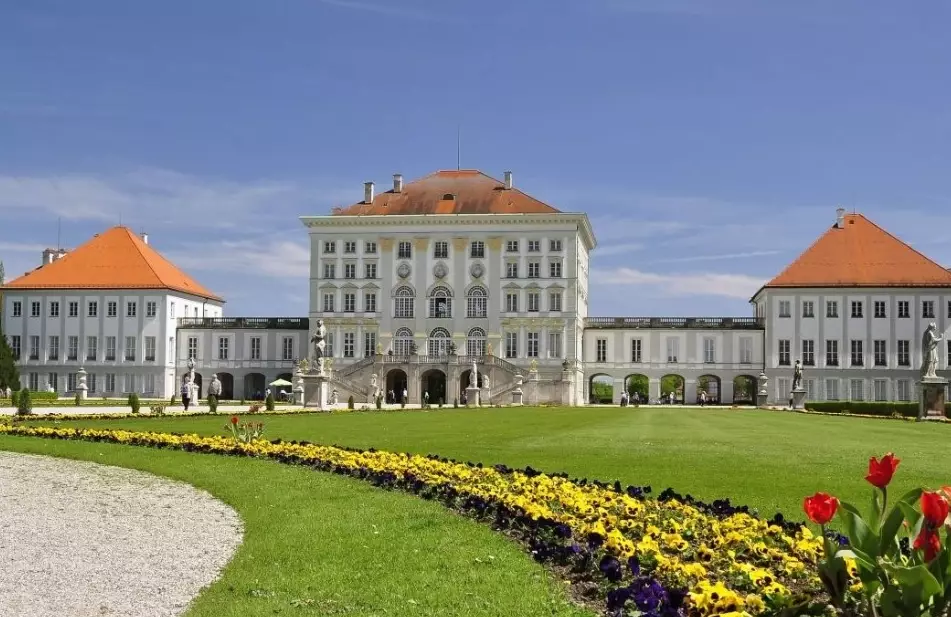
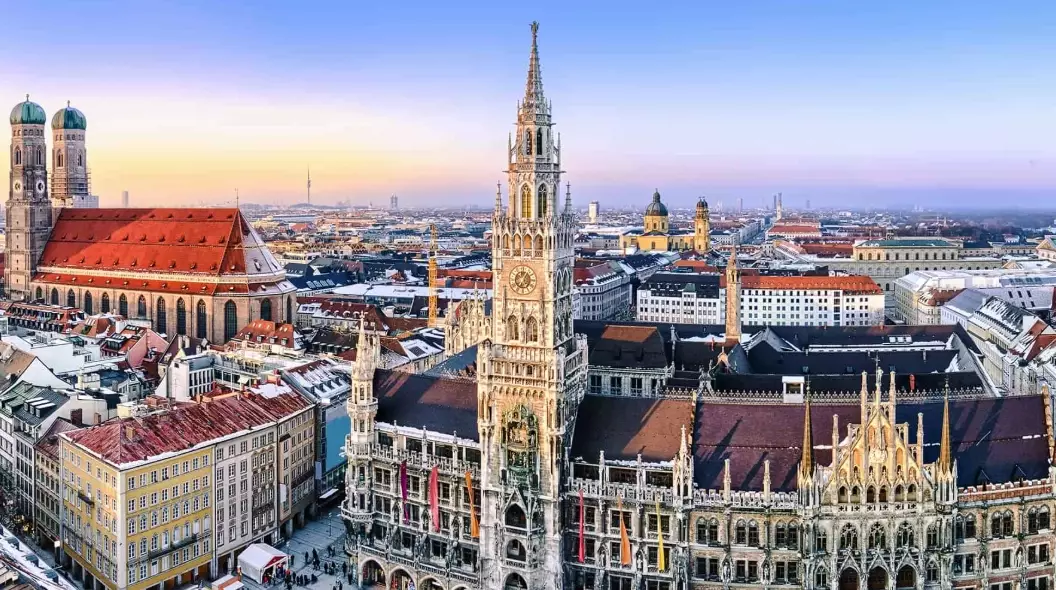
| Munich | Marienplatz Glockenspiel, English Garden surfers, Nymphenburg Palace. | Get a München City Pass if visiting >2 museums. For a true beer hall, try Augustiner am Platzl. Sunday morning visit the Flohmarkt (flea market) at Olympiapark. |
| Hamburg | Elbphilharmonie Plaza, Speicherstadt warehouses, Reeperbahn at night. | Take a harbor boat tour from Landungsbrücken. For dinner, head to the Schanzenviertel district. The Elbphilharmonie plaza visit is free, but you need a (free) timed ticket online. |
| Cologne | Cologne Cathedral (Kölner Dom), climb the South Tower, Roman-Germanic Museum. | The cathedral is free, tower climb is €6. Stay on the right side of the Rhine (Altstadt). Drink a Kölsch beer in a traditional brewery tavern like Früh am Dom. |
| Rothenburg ob der Tauber | The medieval walls, Marktplatz, Night Watchman Tour. | It gets packed by midday. Stay overnight to experience the town after the day-trippers leave. The Night Watchman Tour (€9, 8pm English) is touristy but genuinely fun and informative. |
Immerse Yourself in German Culture and History
Culture here isn't just a performance; it's woven into daily life.
Castles and Palaces: Neuschwanstein is the poster child, but it's crowded and unfinished inside. For a more profound experience, visit Hohenschwangau Castle right next door (where King Ludwig II grew up) or Linderhof Palace (his intimate, finished fantasy). In Potsdam near Berlin, Sanssouci Palace and its parks are a masterpiece of Prussian elegance.
Museums: Berlin's Museum Island is a UNESCO World Heritage site. The Pergamonmuseum is partially closed for renovation, but the Neues Museum with the bust of Nefertiti is stunning. In Munich, the Deutsches Museum is a sprawling wonder of science and tech. A hidden gem is the Germanisches Nationalmuseum in Nuremberg, telling the entire story of German culture.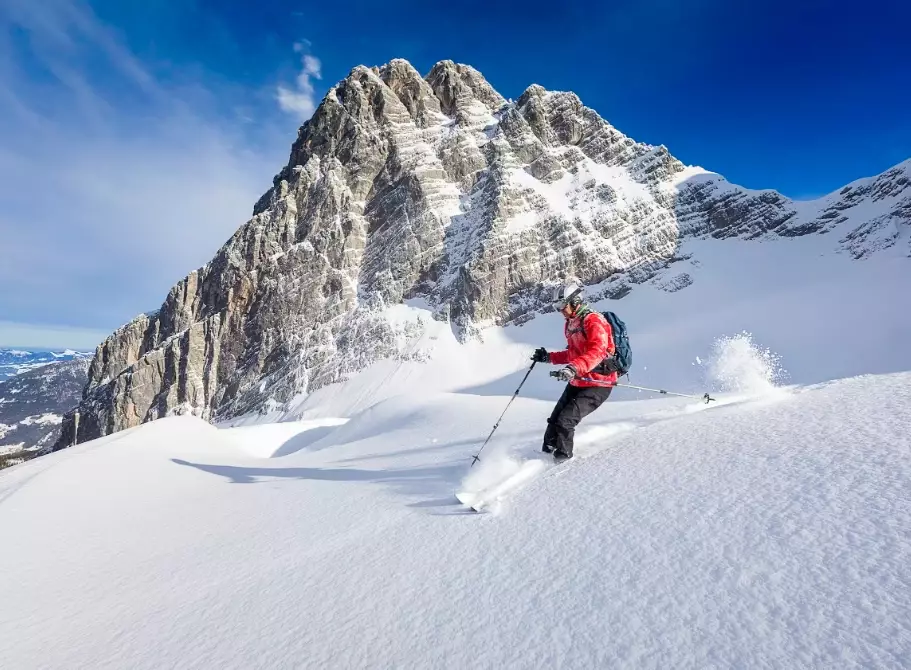
Discover Germany's Natural Landscapes
Germans have a deep love for nature (Wanderlust in its original sense).
The Black Forest (Schwarzwald): It's not a single theme park. Base yourself in a town like Triberg (home to Germany's highest waterfalls) or Freiburg. Hike to a Berggasthof (mountain inn) for lunch. The Schwarzwaldhochstraße (Black Forest High Road) is a scenic drive, but the real magic is on the marked hiking trails. Don't just buy a cuckoo clock; visit the German Clock Museum in Furtwangen to understand the history.
The Romantic Road: This is a marketed route, but parts are genuinely beautiful. The stretch between the Alps and Rothenburg is best. The sections further north are less dramatic. Use it as a guide, not a strict path.
The Rhine Valley: The stretch between Koblenz and Bingen is UNESCO-listed. Take a KD Rhine cruise for a few hours to see the castles. For a more active trip, hike the Rheinsteig trail on the hills above the river. Stay in a town like Bacharach or St. Goar.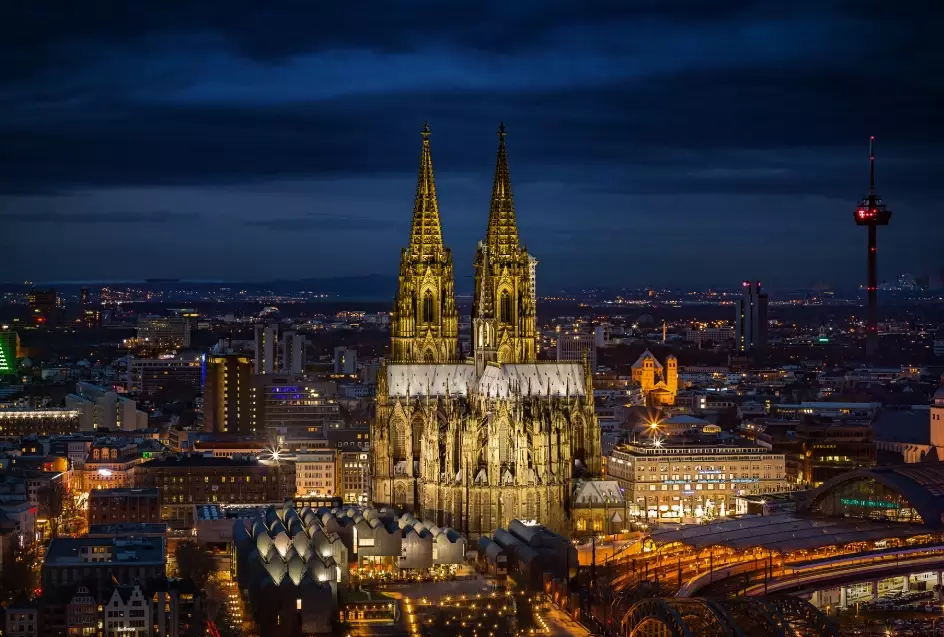
Savor German Cuisine Beyond Bratwurst
German food is regional and hearty. Look for daily specials (Tagesgericht) for the best value.
In Berlin, you must try Currywurst. Konnopke's Imbiss under the U-Bahn tracks at Schönhauser Allee is an institution. For a sit-down meal, Zur letzten Instanz (Waisenstraße 14-16, 10179 Berlin) is Berlin's oldest restaurant, serving solid Prussian fare like Eisbein (pork knuckle).
In Bavaria, Schweinshaxe (pork knuckle) is king, but Obatzda (a cheesy beer dip) with pretzels is a must-start. Avoid the tourist traps around Marienplatz. Augustiner-Keller (Arnulfstraße 52, 80335 Munich) is a massive, authentic beer garden with self-service sections for better prices.
In the Rhineland, try Himmel un Ääd (“Heaven and Earth”—black pudding with mashed potatoes and apple sauce). In Hamburg, it's all about fish. Visit the Fischmarkt early Sunday morning (5-9:30 am) for a unique, rowdy experience with live music and fish sandwiches.
Practical Tips for a Seamless Trip
Transport: The Deutschland-Ticket (€49/month) is a game-changer for regional travel (RE, RB, S-Bahn, trams, buses). It's not valid on long-distance IC/EC/ICE trains. For those, book Sparpreis fares on the Deutsche Bahn website weeks ahead. Google Maps works well for local transit.
Money: Cards are widely accepted, but always carry some cash (Bargeld). Smaller restaurants, bakeries, and markets often have a €10-20 card minimum or are cash-only.
Language: Learn a few phrases. Guten Tag (Good day), Bitte (Please/You're welcome), Danke (Thank you). Starting an interaction in German, even poorly, is appreciated. Most people in tourist areas speak good English.