Let's be honest. You're probably asking this question because you have limited time and want the "best" German city experience. But here's the thing most travel blogs gloss over: Hamburg and Berlin aren't just different cities; they're different worlds. Picking one isn't about finding the superior destination, but about matching a destination to your personal travel rhythm. I've gotten lost in both for weeks, and the feeling on the ground is distinct.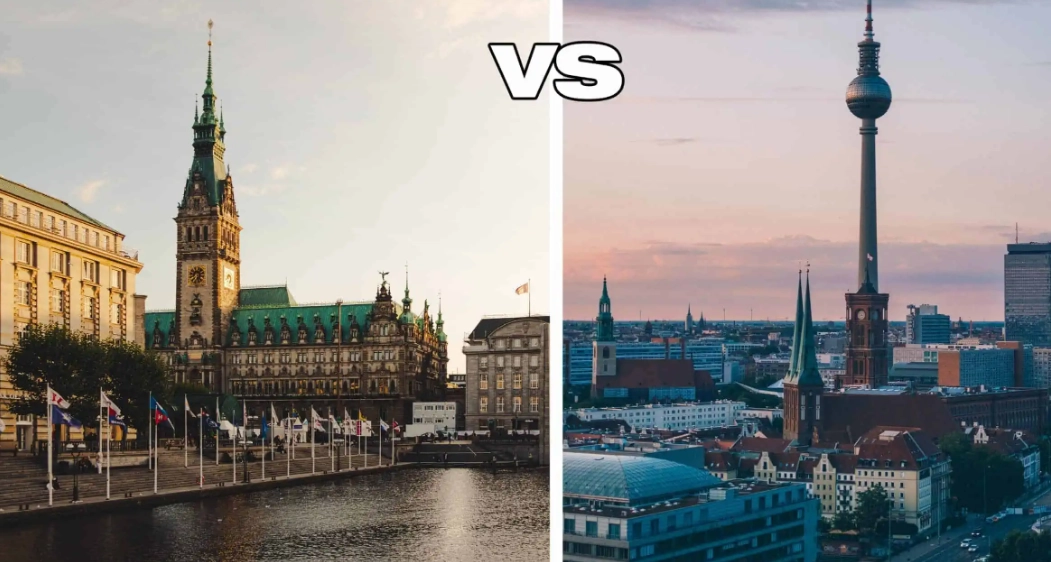
Berlin hits you with history, grit, and an electric, sometimes chaotic, creative pulse. Hamburg wraps you in maritime grandeur, wealthy elegance, and a more contained, watery charm.
Confused? Don't be. Let's break it down.
Your Quick Guide to Choosing
The Vibe Check: First Impressions Matter
Walk out of Berlin Hauptbahnhof and you're in a sprawling, open book of 20th-century history. The Reichstag dome glints nearby, memorials dot the area, and the sense of scale is immense. The city feels layered, with scars and rebirth visible everywhere. It's fast, it's loud, it's unapologetically itself.
Arrive at Hamburg's Hauptbahnhof, and you'll sense a different order. Head towards the Alster lakes, and you're surrounded by sleek suits, elegant cafes, and well-heeled shoppers. This is Germany's wealthy mercantile heart. The vibe is confident, prosperous, and connected to the water. The air often smells of the sea.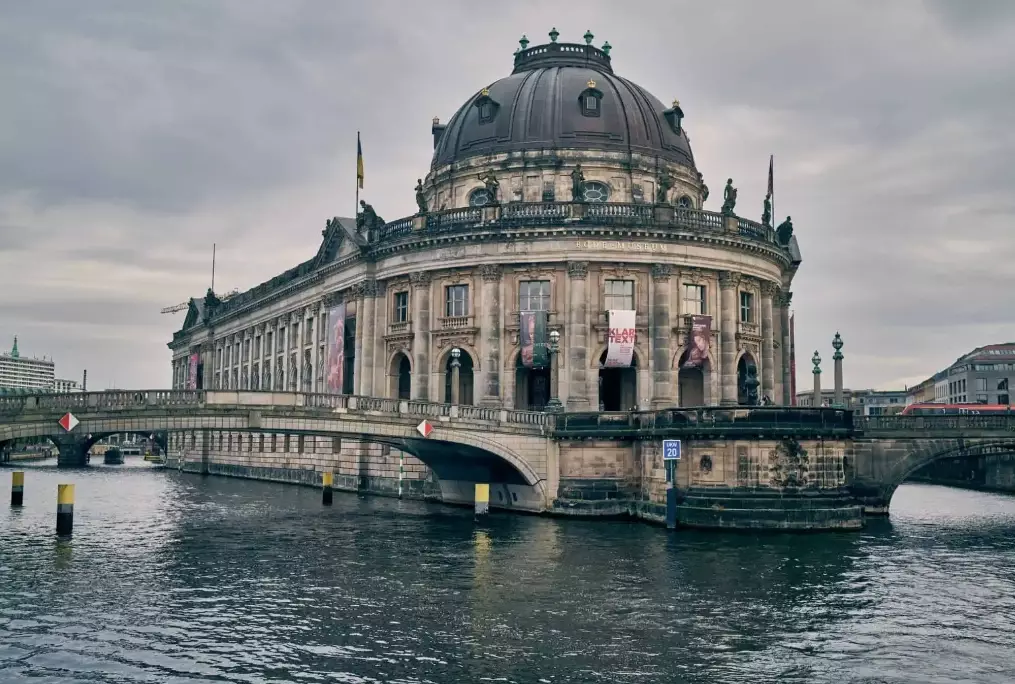
Berlin's districts (Kieze) each have a strong identity—from the punk-rock grit of Friedrichshain to the trendy bustle of Kreuzberg. Hamburg's neighborhoods feel more like variations on a theme of maritime chic, from the historic Speicherstadt to the alternative Sternschanze.
Top Sights & Must-Sees
This is where your interests really steer the ship.
Berlin: The Weight of History & Culture
Berlin's sights are often monumental and politically charged. You don't just "see" them; you feel them.
The Berlin Wall & East Side Gallery: The longest remaining stretch near Ostbahnhof is an open-air gallery. It's free, always accessible, and humbling. The famous "Fraternal Kiss" mural is here. Compare it to the more solemn, preserved section at the Berlin Wall Memorial on Bernauer Strasse, which is also free and includes a documentation center.
Museum Island (Museumsinsel): A UNESCO site housing five world-class museums. The Pergamonmuseum (currently partially closed for renovation) and the Neues Museum (home to Nefertiti) are the stars. A day ticket for one museum is around €12-19. The Berlin WelcomeCard museum pass can save money if you plan to visit several.
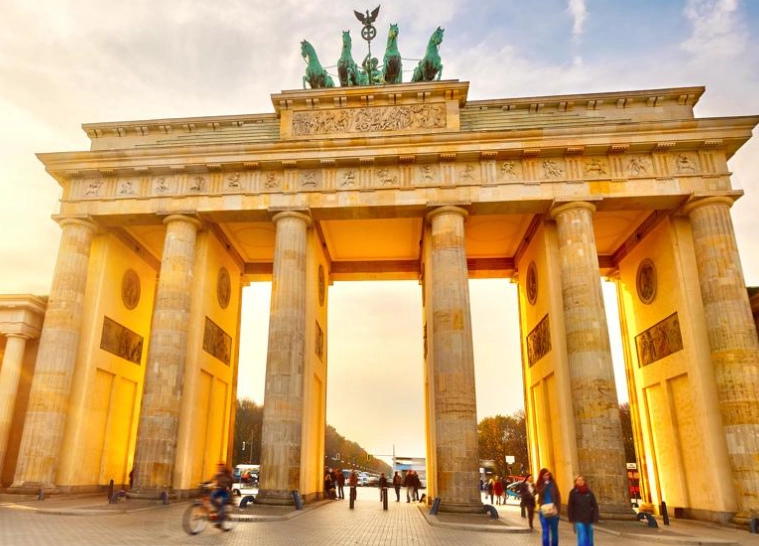
Brandenburg Gate & Reichstag: The iconic symbol. Visiting the Reichstag dome is free, but you must book a time slot online in advance on the Bundestag website. This is the one thing you absolutely cannot wing. The view and the symbolism are worth the planning.
My personal, less-crowded favorite? The Topography of Terror exhibition on the site of the former Gestapo headquarters. It's a free, outdoor-indoor museum that's brutally informative.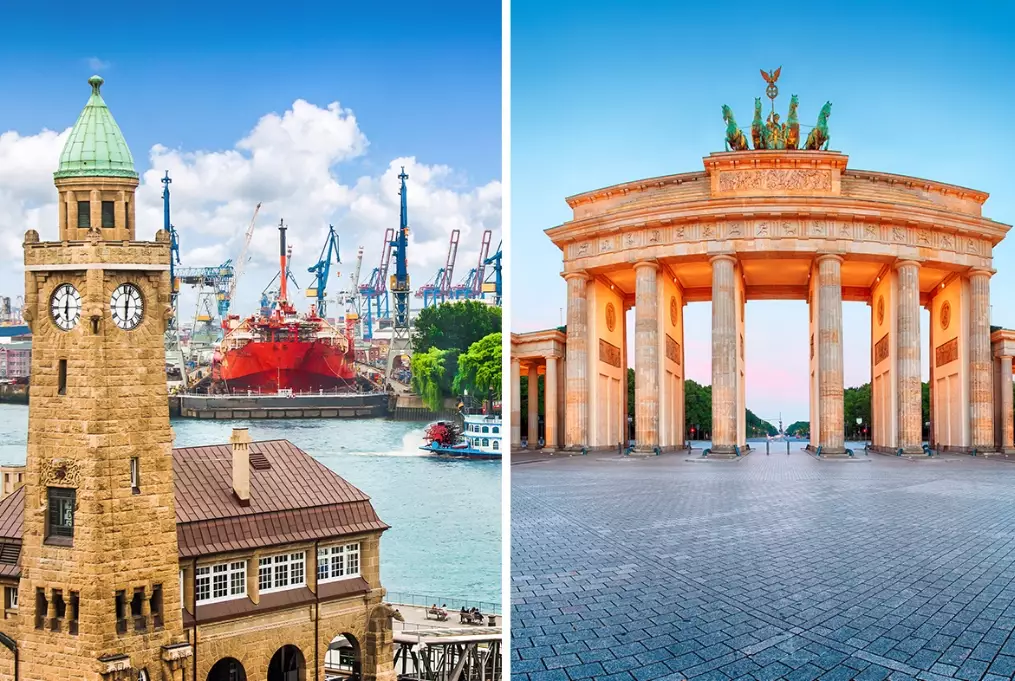
Hamburg: Maritime Majesty & Architectural Wonder
Hamburg's attractions are about scale, engineering, and aesthetic beauty.
The Elbphilharmonie (Elphi): The city's stunning new landmark. You don't need a concert ticket. Just get a free Plaza ticket online for a specific time slot to access the sweeping viewing platform 37 meters up. The view of the port and city is breathtaking. The building's wave-like glass structure is a marvel up close.
Speicherstadt & HafenCity: The world's largest historic warehouse district, a maze of red-brick Gothic Revival buildings crisscrossed by canals. It's a UNESCO site. Wander freely or take a canal boat tour (starting around €20) to get the full effect. The Miniatur Wunderland here is a legitimate phenomenon—the world's largest model railway. Book tickets weeks ahead, especially for weekends.
Port of Hamburg (Hafen): This is a working port. Take the public ferry line 62 (included in a regular HVV public transport ticket!) from Landungsbrücken to Finkenwerder. You'll sail past massive container ships for the price of a bus ride. For a more traditional tour, the one-hour "Hafenrundfahrt" boats depart constantly.
St. Pauli & the Reeperbahn: Yes, it's the famous nightlife and red-light district. It's safer than its reputation, but go with a group at night. The Beatles' early history here is commemorated with a small plaza.
Food & Drink: From Currywurst to Fischbrötchen
Berlin is the king of cheap, hearty, and international street food. The iconic Currywurst is everywhere—try Curry 36 in Kreuzberg. The doner kebab, arguably perfected in Berlin, is a must for under €5. For a sit-down meal, the Vietnamese community in East Berlin is outstanding.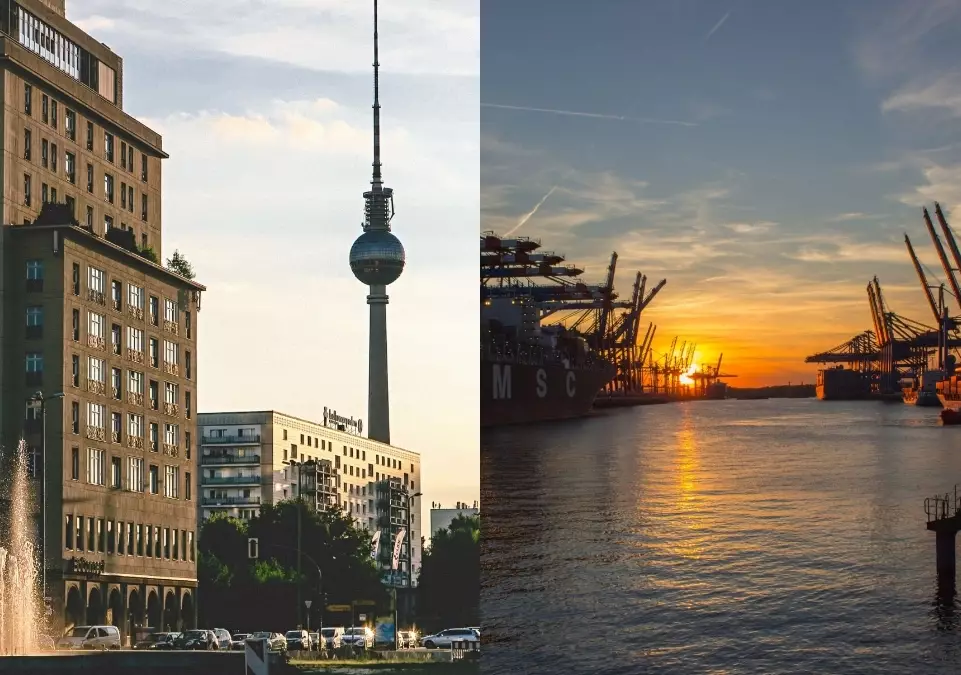
Hamburg is the seafood capital. Your mission: eat a Fischbrötchen (fish sandwich) from a stand at the Fischmarkt (open Sunday very early, 5-9:30 AM—it's a party) or at Brücke 10 at Landungsbrücken. For a classic, upscale Hamburg experience, try Labskaus (a corned beef, beet, and potato mash) at a traditional restaurant like Old Commercial Room.
| City | Must-Try Dish | Where to Get It | Approx. Price |
|---|---|---|---|
| Berlin | Currywurst mit Pommes | Curry 36, Mehringdamm 36 | €4-6 |
| Berlin | Doner Kebab | Mustafa's Gemüse Kebap, Mehringdamm | €5-7 |
| Hamburg | Fischbrötchen (Matjes) | Fischbrötchenbude Brücke 10 | €4-8 |
| Hamburg | Labskaus | Old Commercial Room, Englische Planke 10 | €18-22 |
Beer? Berlin has the tart, low-alcohol Berliner Weisse. Hamburg's local brew is Astra, a simple pilsner often enjoyed by the Elbe.
Sleeping & Costs: Where Your Money Goes
Berlin generally wins on budget. According to price tracking data from sources like Numbeo, everyday costs are about 10-15% lower than in Hamburg.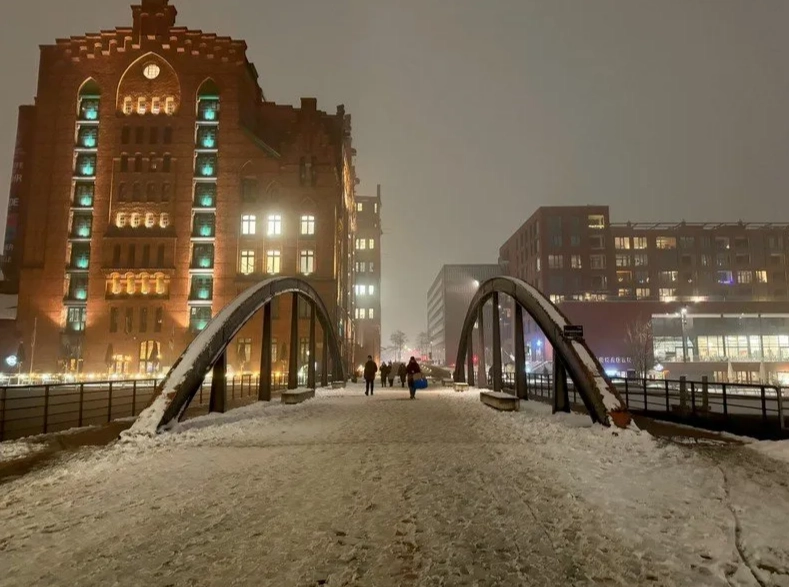
The Budget Reality: A decent hostel bed in a central Berlin district like Friedrichshain costs around €25-35 per night. In Hamburg, near the center, expect €30-40. Mid-range hotel rooms follow a similar pattern. Public transport is excellent and similarly priced in both (a day pass is around €8-9). The big difference? Entertainment and casual eating are cheaper in Berlin.
Hamburg's luxury offerings, especially hotels with port views, can be significantly more expensive. You're paying for that Hanseatic prestige.
The 3-Day Test: A Sample Itinerary for Each
Let's make it practical. Here’s how three days might play out.
Berlin in 72 Hours
Day 1: History Hit. Brandenburg Gate, Reichstag Dome (booked!), Holocaust Memorial. Walk down Unter den Linden to Museum Island. Choose one museum. Evening in Mitte or Hackescher Markt for dinner.
Day 2: East Side & Counterculture. East Side Gallery in the morning. Afternoon exploring Friedrichshain's RAW-Gelände flea market or street art. Evening bar crawl in Kreuzberg.
Day 3: Charlottenburg & Kurfürstendamm. Charlottenburg Palace in the morning. Afternoon shopping/walking on Ku'damm. Final evening at a beer garden in Tiergarten or Prenzlauer Berg.
Hamburg in 72 Hours
Day 1: Harbor Day. Landungsbrücken, take the included Ferry 62. Visit the Elbphilharmonie Plaza (booked!). Walk through HafenCity to Speicherstadt. Evening dinner in the Portugiesenviertel.
Day 2: City & Lakes. Rathaus (city hall) tour. Walk around the Inner and Outer Alster lakes. Explore the Jungfernstieg and Neuer Wall shopping area. Evening in the Sternschanze district for drinks.
Day 3: Alternative & Market. Sunday? Go to the Fischmarkt at 7 AM. Otherwise, explore the Planten un Blomen park and the St. Pauli/Reeperbahn area (by day). Final stroll along the Elbe beach at Övelgönne.
The Final Decision: A Handy Cheat Sheet
Still on the fence? Answer these questions.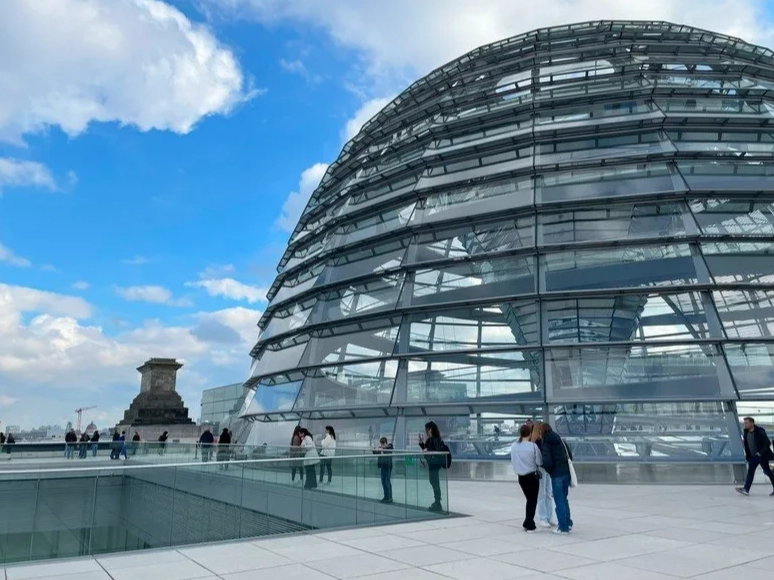
Choose BERLIN if you:
- Are a history buff, especially interested in WWII/Cold War.
- Love vibrant, eclectic, 24/7 nightlife and underground culture.
- Are traveling on a tighter budget.
- Prefer a city that feels sprawling, raw, and endlessly explorable.
- Want world-class museums and galleries.
Choose HAMBURG if you:
- Are mesmerized by ports, ships, and maritime life.
- Prefer a more polished, wealthy, and architecturally cohesive city.
- Enjoy waterfront walks, upscale dining, and sophisticated bars.
- Want a slightly more compact, navigable city center.
- Are fascinated by modern architectural marvels.
For first-timers to Germany seeking the classic "historic" postcard, Berlin has the edge. For travelers who've seen a lot of Europe and want something uniquely maritime and wealthy-feeling, Hamburg is a revelation.