Landing in Frankfurt with five days to explore Germany can feel overwhelming. The country is packed with iconic sights, and Frankfurt Airport (FRA) is a major hub for a reason—it puts you within easy reach of some of the best places. Forget the idea that you need to choose between cities, castles, or countryside. With smart planning, you can have it all. This isn't a rushed checklist; it's a balanced, tested route that mixes must-sees with local flavor, designed for someone who wants to experience Germany's diversity without the stress.
Your 5-Day Germany Roadmap
Day 1: Discover Frankfurt Beyond the Airport
Most travelers treat Frankfurt as a transit stop. That's their first mistake. The city has a compact, walkable center perfect for a day of acclimation. Forget the skyscrapers for a moment—start where the city began.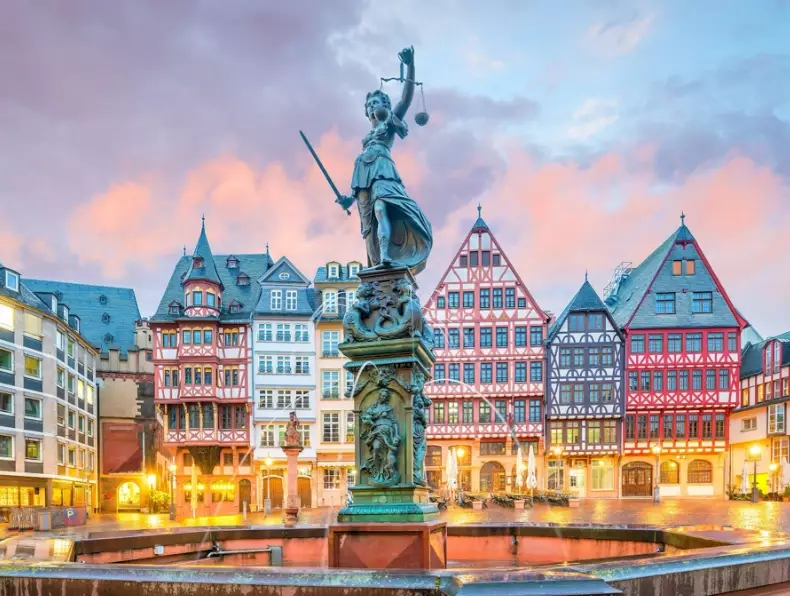
Morning: The Historic Heart
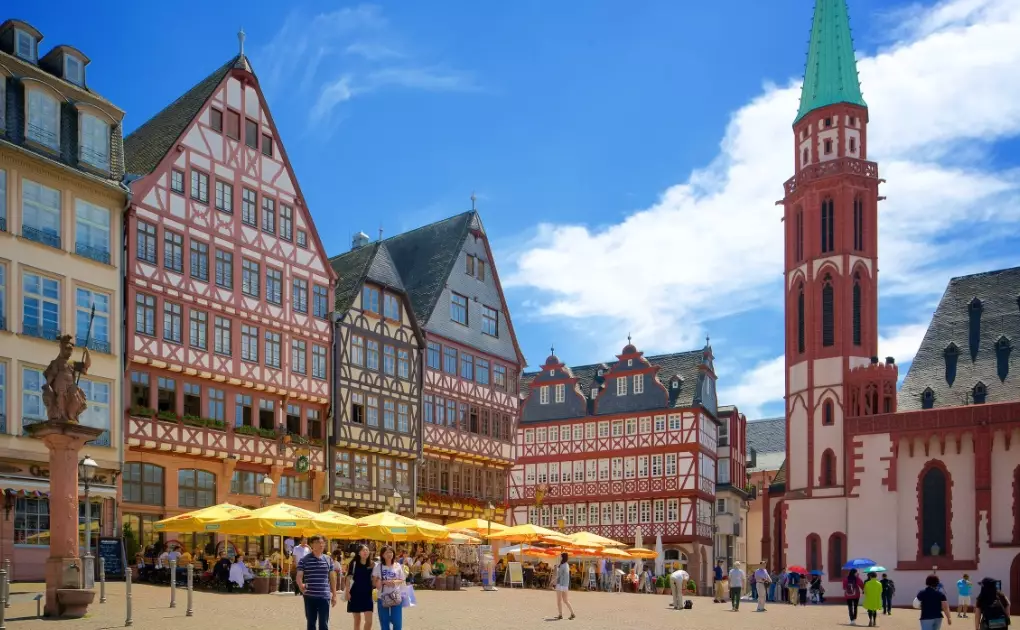
Head straight to the Römerberg (Römerberg 26, 60311 Frankfurt). This is the postcard-perfect old town square, reconstructed after the war. The timber-framed buildings are stunning. The Frankfurt Cathedral (Kaiserdom) (Domplatz 14) is a short walk away. Climb the tower (328 steps, €4) for your first panoramic view of the city. It's a good leg-stretcher after the flight.
Pro tip: The reconstructed old town is beautiful but can feel a bit "new." For a more authentic, gritty historical vibe, walk 10 minutes to the Archaeological Garden (Archäologischer Garten) near the cathedral. You'll see exposed Roman and medieval foundations right beneath the modern city—a literal layer cake of history most rush past.
Afternoon: Modern Contrasts & Apple Wine
Walk across the Eiserner Steg iron footbridge for views of the skyline. Then, dive into the Museumsufer (Museum Embankment). You don't have time for all, but the Städel Museum (Schaumainkai 63, open 10 am-6 pm, Tue-Sun, €16) is world-class if you love art. If not, just stroll the riverbank.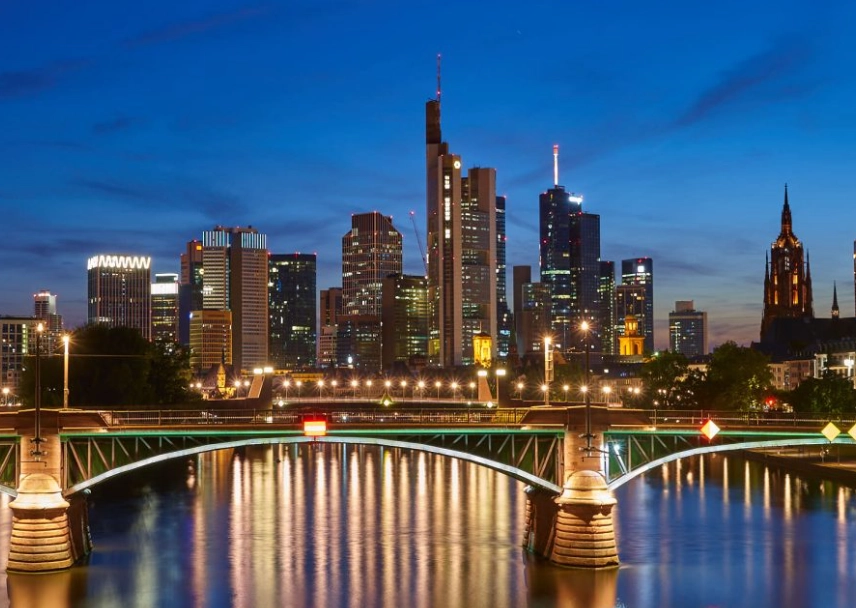
For dinner, cross the river to Alt-Sachsenhausen. This is the home of Apfelwein (apple wine). Avoid the overly touristy places on the main strip. Try Dauth-Schneider (Neuer Wall 5, open 11 am-midnight). It's a classic. Order a Bembel (the traditional jug) of Apfelwein, Handkäs mit Musik (cheese in vinegar dressing), and Frankfurter Rippchen (cured pork chops). A full meal with drink will run you about €20-25.
Day 1 Highlight: The stark contrast between the medieval Römerberg and the modern banking district skyline, all within a 15-minute walk. It perfectly encapsulates Frankfurt's dual identity.
Day 2: The Romantic Allure of Heidelberg
Heidelberg is the quintessential German romantic city, and it's only about an hour by train from Frankfurt Hauptbahnhof (main station). Take a regional (RE) train—they're frequent and cheaper than ICE for this short hop.
From Heidelberg Hauptbahnhof, take tram 5 or a taxi to the Bergbahn (funicular railway) station at Kornmarkt. Buy the castle ticket that includes the funicular (€9). The funicular takes you up to the Heidelberg Castle (Schlosshof 1, open 9 am-6 pm). Don't just look at the ruins from the courtyard. The guided tour (included) takes you inside to see the gigantic Great Vat, a 220,000-liter wine barrel. The view of the Neckar River and red-roofed old town from the castle terrace is unbeatable.
Local Secret: Most visitors take the funicular down. Instead, walk the steep but beautiful Schlangenweg footpath down through the woods. It emerges right at the base of the Alte Brücke (Old Bridge). You'll avoid the crowds and get a serene view of the castle from the bridge gate.
Spend the afternoon getting lost in the Altstadt (Old Town) along Hauptstrasse. Have a coffee in one of the squares. For a late lunch or early dinner, try Zum Roten Ochsen (Hauptstrasse 217, open from 5 pm). It's a historic student tavern with sawdust on the floors and walls covered in memorabilia. Hearty German fare and a great atmosphere. Return to Frankfurt by train in the evening.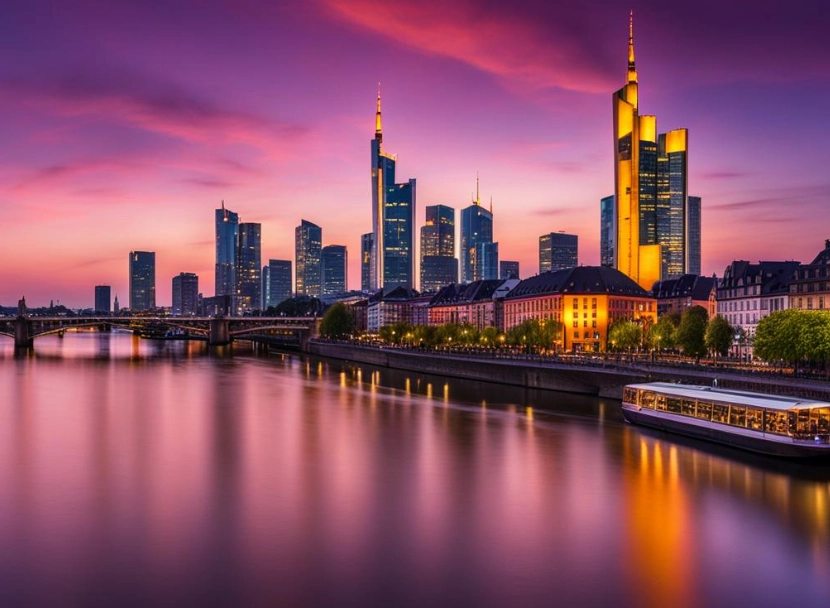
Day 3: Castles on the Rhine & Cologne's Cathedral
This is a big day, but it showcases two iconic German experiences: the Rhine Valley and a monumental cathedral. You'll need an early start.
Take an ICE train from Frankfurt to Koblenz Hauptbahnhof (about 1 hour 15 mins). From there, a short taxi or bus ride takes you to the KD Rhine Cruise pier. Don't do the whole long cruise. Book the 1.5-hour southbound trip from Koblenz to St. Goar. This stretch is the most dramatic, passing the Lorelei Rock and castles like Marksburg and Rheinfels. Check KD's website for exact seasonal schedules; a one-way ticket is around €20.
Disembark in St. Goar. You can explore the ruins of Rheinfels Castle (open 9 am-6 pm, €6) if you're quick, or just grab a Bratwurst by the river. Then, catch a regional train from St. Goar station to Cologne (Köln) (about 1.5 hours). The train line runs right along the river, giving you more castle views.
In Cologne, drop your bag at your hotel (you're staying overnight here). Then, walk to the Cologne Cathedral (Kölner Dom) (Domkloster 4, open 6 am-9 pm, free entry). It's right next to the main station. Its sheer size is breathtaking. Go inside—the stained glass is incredible. For €5, you can climb the 533 steps to the south tower platform. It's a tough climb, but the view over the city and the Rhine is worth it.
For dinner, head to the Altstadt near the river. Find a Brauhaus for Kölsch (the local beer served in small glasses) and Himmel un Äd (black pudding with mashed potatoes and apple sauce). Früh am Dom (Am Hof 12-14) is a reliable, bustling option right near the cathedral.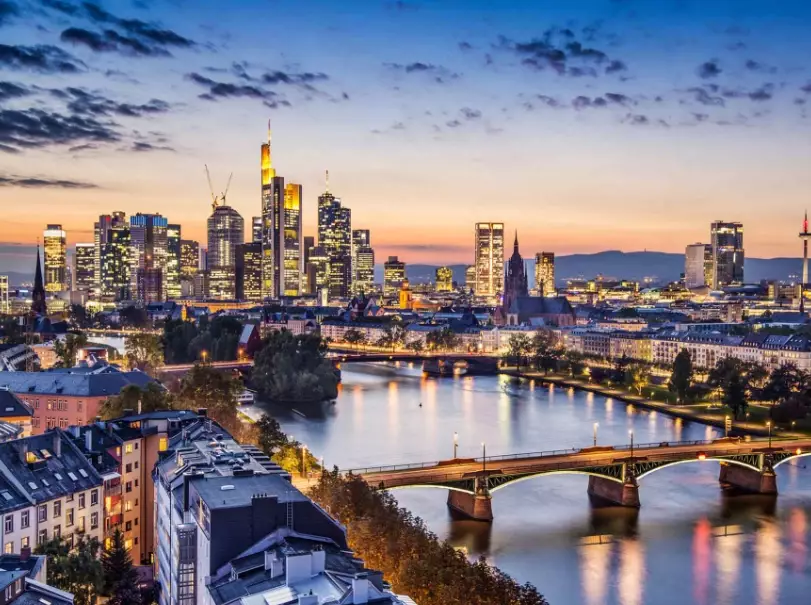
Day 4: Nuremberg's Deep History
Take a morning ICE train from Cologne to Nuremberg (Nürnberg) (about 4 hours). Yes, it's a longer journey, but it shifts you to a different, profoundly significant region of Germany.
After checking in, head to the Kaiserburg (Imperial Castle) (Auf der Burg 13, open 9 am-6 pm, €7 for the courtyard and viewing points). It dominates the city's north. The deep well and the panoramic view from the Sinwell Tower are highlights.
Walk down into the Altstadt, through the Hauptmarkt square. If you're there during Christmas season, you're at the world's most famous Christkindlesmarkt. Otherwise, visit the Schöner Brunnen (Beautiful Fountain)—turn its golden ring for good luck.
Nuremberg's history is heavy. The Nazi Party Rally Grounds Documentation Center (Dokumentationszentrum Reichsparteitagsgelände, Bayernstrasse 110, open 9 am-6 pm, €6) is outside the center (take tram 8). It's a sobering, essential visit that provides context you can't get elsewhere. It closes at 6 pm, so plan accordingly.
For dinner, you must try Nuremberg's famous Rostbratwurst—small, thin sausages, usually served as "Drei im Weggla" (three in a bun). Bratwursthäusle bei St. Sebald (Rathauspl. 1) is the most famous spot, right next to the church.
Day 5: Würzburg's Palace & Return to Frankfurt
Your final day is a shorter, elegant note before heading back. Take a regional train from Nuremberg to Würzburg (about 1 hour). Store your luggage at the station.
Würzburg is the northern gateway to the Romantic Road, and its crown jewel is the Würzburg Residence (Würzburger Residenz) (Residenzplatz 2, open 9 am-6 pm, €9 for palace and garden). This UNESCO World Heritage site is a Baroque masterpiece. The guided tour of the interior is mandatory—the Tiepolo fresco on the vault of the staircase is the largest ceiling fresco in the world and will make your jaw drop. Budget at least 2 hours here.
Walk through the Hofgarten palace gardens (free), then cross the Alte Mainbrücke (Old Main Bridge). It's lined with statues of saints, and locals and tourists drink wine on it—a lovely tradition. Grab a glass of Franconian wine from one of the stands.
For a final lunch, try the Backöfele (Ursulinergasse 2) for regional Franconian dishes in a cozy, historic setting. In the mid-afternoon, take a direct train from Würzburg back to Frankfurt Airport (about 1 hour 10 mins by ICE) for your evening flight or to spend a final night.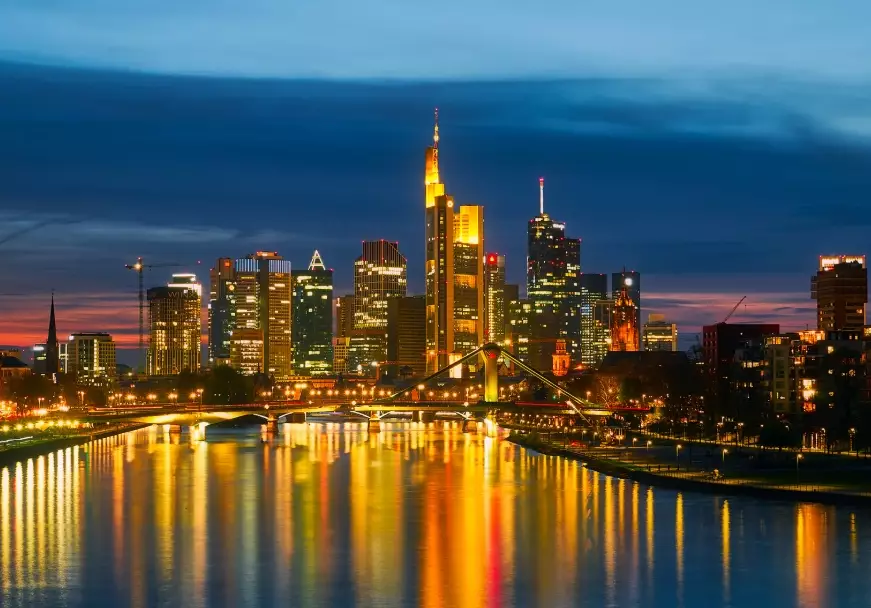
Before You Go: Essential Germany Travel Tips
This itinerary relies on trains. They are punctual, clean, and connect city centers directly.
| Ticket / Pass | Best For This Itinerary? | Approx. Cost & Notes |
|---|---|---|
| Deutschland-Ticket | Yes, for regional travel. | €49/month. Covers all regional trains (RE, RB, S-Bahn), trams, buses. Does NOT cover ICE/IC/EC long-distance trains. Perfect for Day 2 (to Heidelberg) and the Rhine train. You'd need separate ICE tickets for Cologne-Nuremberg and Würzburg-Frankfurt. |
| Flexible ICE Tickets | Yes, for long legs. | Book in advance on Bahn.de for savings. Frankfurt-Koblenz, Cologne-Nuremberg, Würzburg-Frankfurt should be booked as Sparpreis or Super Sparpreis for the best price (can be as low as €19.90 if booked early). |
| German Rail Pass | Maybe, but calculate. | For 5 days within a month, a 5-day flexi pass might be cost-effective if you take several long ICE trips. Compare the total cost of point-to-point tickets vs. the pass price. |
Accommodation: I recommend using Frankfurt as a base for Days 1 & 2, staying overnight in Cologne after Day 3, and staying overnight in Nuremberg after Day 4. This breaks up the travel and lets you experience different cities at night. Book hotels near the main train stations (Hauptbahnhof) for maximum convenience, even if it's not the "prettiest" area—it saves you huge amounts of time and hassle with luggage.
Budget: Excluding flights, a mid-range budget for this trip (hostels/3-star hotels, regional trains + some pre-booked ICE, museum entries, and meals) would be around €90-130 per person per day. Splurging on nicer hotels and last-minute ICE tickets will push it higher.
My Non-Consensus View: Everyone says to buy a rail pass. For this specific 5-day trip, a mix of a Deutschland-Ticket for the month (even if you only use it 3 days, it's still often cheaper than individual regional tickets) plus advance-purchase Sparpreis tickets for the long ICE journeys is almost always cheaper than any rail pass. Do the math on the DB website before automatically buying a pass.