Quick Navigation
Let's cut to the chase. If you're asking "What is the most famous castle in Germany?", there's one name that instantly jumps to mind for virtually everyone, from history buffs to Disney fans. It's Neuschwanstein Castle.
Perched high on a rugged hill in southwest Bavaria, this castle isn't just famous; it's the poster child for German tourism. Its silhouette is recognizable worldwide. But fame is one thing. Understanding why it holds that title, what it's actually like to visit, and whether it's even the "best" castle is a whole other story. That's what we're going to dig into.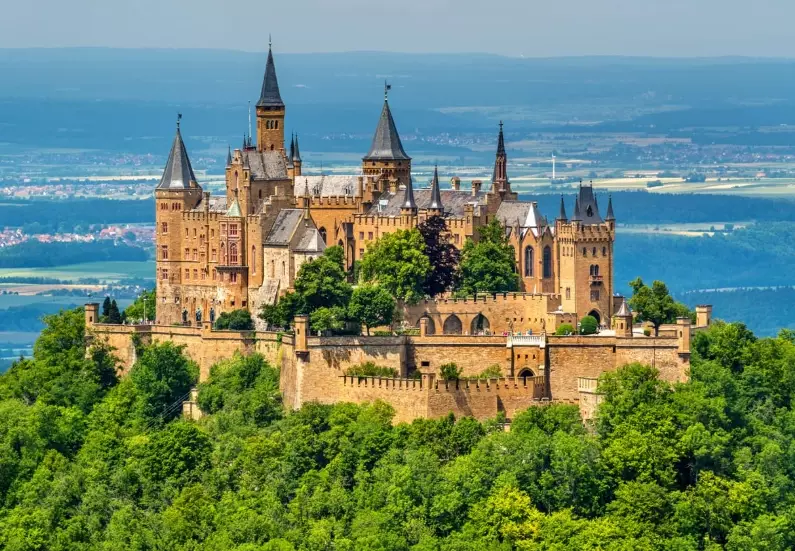
Why Neuschwanstein Earns the "Most Famous" Crown
It's not an accident. Several powerful factors converged to make Neuschwanstein the undisputed answer to "What is the most famous castle in Germany?".
The Fairy-Tale Aesthetic (and the Disney Connection)
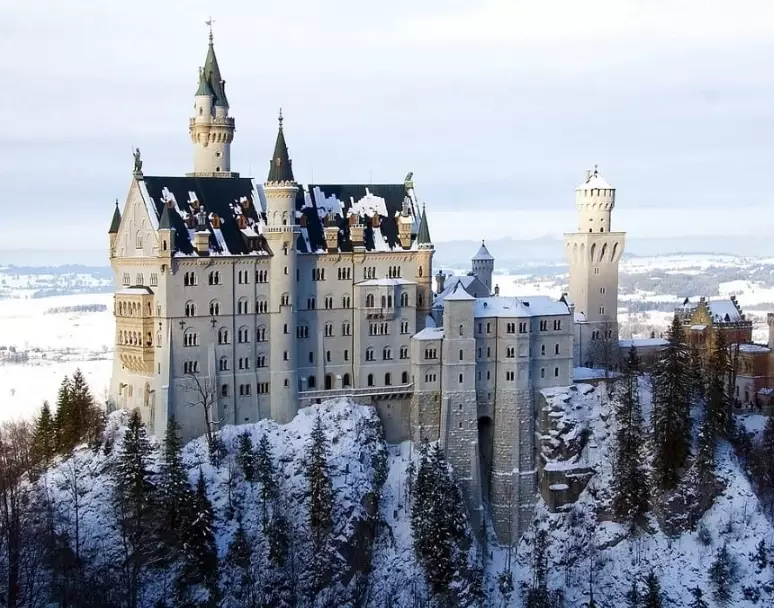
King Ludwig II, who commissioned the castle, didn't want a fortress. He wanted a theatrical retreat inspired by the romantic operas of Richard Wagner. The result is a pinnacle of Romanesque Revival architecture, with soaring white limestone facades, blue turrets, and an impossibly picturesque location. It looks like a castle from a dream.
And then Walt Disney saw it. During a European tour, the castle left a lasting impression. It became the primary visual inspiration for Sleeping Beauty Castle at Disneyland and later Cinderella Castle at Walt Disney World. This single connection catapulted Neuschwanstein from a European landmark to a global symbol of enchantment. Millions who have never been to Germany feel like they know it.
The Tragic Story of "Mad" King Ludwig
Fame loves a good story, and Ludwig's is a doozy. A deeply shy, artistic, and politically disillusioned king, he poured his personal fortune (and significant state funds) into building fantastical palaces like Neuschwanstein, Linderhof, and the never-finished Herrenchiemsee. He lived in Neuschwanstein for only about 170 days before his mysterious death in 1886. Declared insane by his ministers (a controversial move even then), he was deposed and found dead in a lake shortly after. The castle was opened to the public just weeks after his death, transforming a personal fantasy into a public spectacle. The mystery and tragedy surrounding him add a layer of intrigue that pure architecture alone couldn't provide.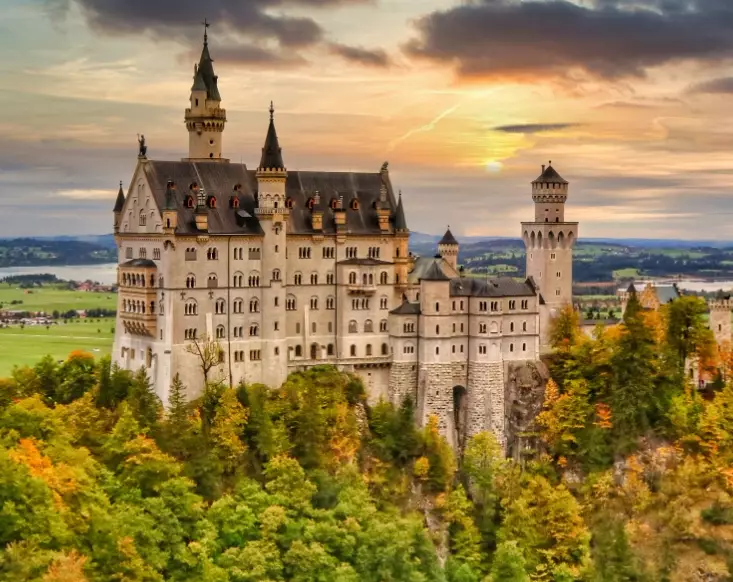
Sheer Photogenic Power
Location, location, location. Built on a mountain ledge overlooking the Pöllat Gorge, with the Alps and a crystal-clear lake in the distance, the castle's setting is unbeatable. The view from the Marienbrücke (Mary's Bridge) behind it is arguably more iconic than the castle interior itself. In the age of Instagram and travel blogs, this visual perfection guarantees its status. It's almost impossible to take a bad photo of it.
Beyond the Fame: What's It Actually Like Inside?
Okay, so it's famous. But is it worth the hype? The exterior is a 10/10. The interior experience is... more nuanced.
Neuschwanstein was a modern palace for its time, with central heating and running water. But thematically, it's a homage to medieval legends. The Throne Room, meant to symbolize the link between God and king, is breathtaking with its Byzantine-style mosaics and massive chandelier—though it notably lacks an actual throne, as Ludwig died before it could be installed.
The Singer's Hall is another highlight, a vast space dedicated to Wagner's themes. The king's private quarters are surprisingly cozy, adorned with intricate wood carvings depicting scenes from Wagner's operas like Tannhäuser and Lohengrin.
So, while the interior is stunning and historically fascinating, don't expect a quiet, contemplative museum experience. It's a well-oiled tourist machine.
Planning Your Visit: The Nitty-Gritty Details
If you've decided to see the most famous castle in Germany for yourself, planning is not a suggestion—it's a necessity. Here’s the real-world info you need.
Tickets and Timing: The Golden Rule
Book online, in advance. Period. Tickets are for specific time slots and sell out days, sometimes weeks, ahead, especially in summer. Turning up without a ticket means you'll likely be staring at it from the outside only. The official ticket center is in the village of Hohenschwangau, at the foot of the hills. You cannot buy tickets at the castle gate.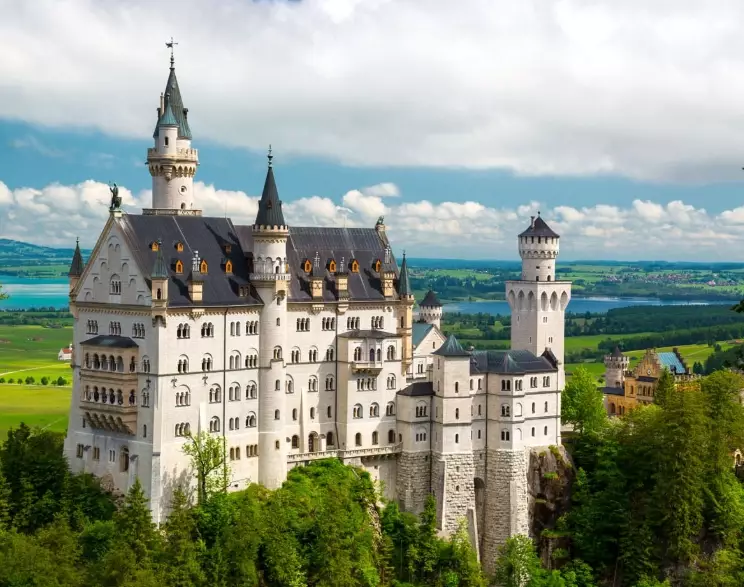
| Ticket Type | Key Info & Tips |
|---|---|
| Neuschwanstein Only | The standard choice. Gets you the 30-min guided tour. Enough for most first-timers. |
| Königsticket (King's Ticket) | Combines Neuschwanstein AND Hohenschwangau Castle (Ludwig's childhood home) on the same day. A great value if you have a full day. |
| Schwanenticket (Swan Ticket) | Combines Neuschwanstein AND the Museum of the Bavarian Kings in Hohenschwangau. Good for deeper historical context. |
Getting Up the Mountain
You have a ticket. Now you have to get to the castle, which is a steep, 30-40 minute uphill walk from the ticket center.
- By Bus: The most popular option. Drops you near Marienbrücke (the famous bridge). From there, it's a 10-15 min downhill walk to the castle entrance. Note: The bridge can be closed in winter due to ice.
- By Horse-Drawn Carriage: A romantic but slow option. Drops you closer to the entrance than the bus. Prepare for queues and a distinct aroma.
- On Foot: The free and healthy choice. The path is paved but strenuous. Allow ample time.
Best Time to Visit
To avoid the worst crowds:
- Shoulder Seasons (April-May, Sept-Oct): Ideal. Fewer people, pleasant weather. Autumn colors are spectacular.
- Winter (Dec-Feb): Magical with snow, like a true fairy tale. But some paths/bridges may be closed, and touring hours are shorter. The surrounding Alps are stunning.
- Summer (June-Aug): Peak season. Expect maximum crowds, heat, and queues. If this is your only option, book tickets *months* in advance and aim for the first or last tour of the day.
Is Neuschwanstein the "Best" Castle in Germany?
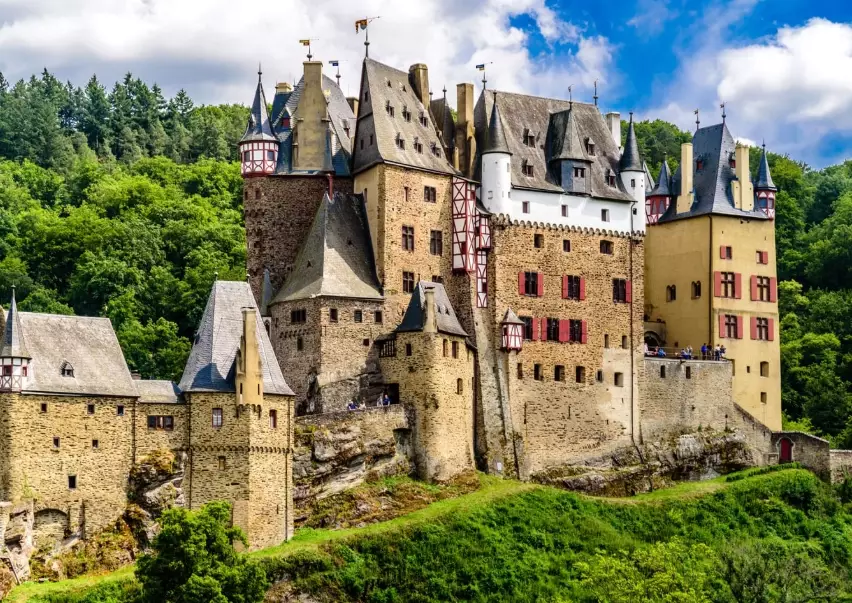
This is the critical question. "Most famous" does not automatically mean "best" for every traveler. Germany is packed with incredible castles, each with a different vibe. If the crowds or the theatricality of Neuschwanstein put you off, consider these phenomenal alternatives that often provide a more intimate or historically authentic experience.
Burg Eltz (Eltz Castle): My personal favorite for atmosphere. Nestled deep in a Moselle valley forest, it looks like it grew from the rock. Still owned by the same family for over 850 years, it feels lived-in and authentic. The tour is fantastic, and you can explore the treasury. No crowds on the scale of Neuschwanstein. Getting there involves a lovely forest hike.
Heidelberg Castle: A magnificent ruin perched above the charming university town of Heidelberg. It's more about romantic decay and stunning panoramic views of the Neckar River than pristine preservation. The world's largest wine barrel is here. The vibe is scholarly and romantic.
Wartburg Castle: Immense historical significance. This is where Martin Luther translated the New Testament into German while in hiding. A UNESCO World Heritage Site, it's less about fairy-tale looks and more about feeling the weight of history. Located in Thuringia, it's often less crowded than Bavarian giants.
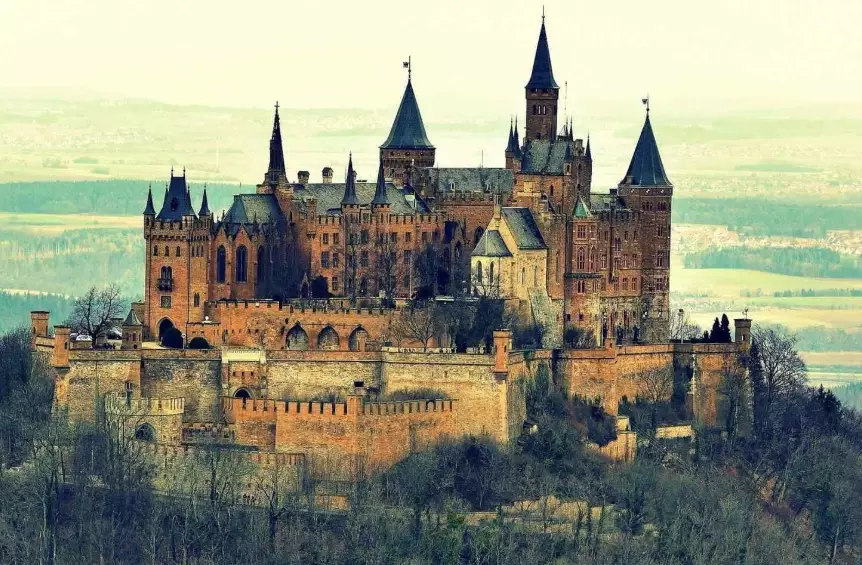
Hohenzollern Castle: The ancestral seat of the Prussian kings. Perched on a conical mountain top in Baden-Württemberg, it's every bit as dramatic as Neuschwanstein but with a more martial, Prussian feel. The interiors are opulent in a different, more formal style.
Addressing Your Burning Questions (FAQ)
How much time do I need for Neuschwanstein?
Plan for a full day trip if coming from Munich (about 2 hours by train/bus each way). From picking up tickets to the tour, visiting Marienbrücke, and maybe seeing Hohenschwangau, 5-7 hours on-site is realistic. Don't try to rush it.
Can you go inside Neuschwanstein without a tour?
No. Access to the interior is by guided tour only. You can walk the grounds and up to the courtyard for free, but to see the rooms, you must have a timed ticket and join the tour.
Is the Marienbrücke (Mary's Bridge) safe/scary?
It's a metal bridge spanning a deep gorge. It can sway slightly with many people on it. If you have a severe fear of heights, it might be challenging. The view, however, is the classic postcard shot and is absolutely worth it for most. Check the official Neuschwanstein Castle official website for closure status, especially in winter.
Are there other castles nearby?
Yes! Hohenschwangau Castle is literally in the same village. Linderhof Palace (Ludwig's favorite home) is about an hour's drive away and is stunning in its rococo extravagance. The Wieskirche (a beautiful pilgrimage church) is also in the region. Consider basing yourself in Füssen, a lovely town 4km away, to explore the area.
What's the food situation?
There's a basic café at the castle (after the tour) and several restaurants in Hohenschwangau village. Prices are tourist-inflated. Packing water and a snack is a smart move.
Making the Most of Your Trip: Final Thoughts
So, what is the most famous castle in Germany? We've settled that. It's Neuschwanstein, a place of undeniable magic born from one king's extravagant dream. Visiting it is a rite of passage for a reason.
But to truly enjoy it, you must respect its reality. It's a victim of its own success. The key is managing expectations and planning meticulously.
- Embrace the spectacle. You're part of a global pilgrimage.
- Look beyond the main rooms. Notice the door handles shaped like lions, the intricate woodwork, the views from the windows.
- Spend time in the area. The Bavarian Alps are breathtaking. Hike around the Alpsee lake below the castles. Explore Füssen's old town.
- Consider the shoulder season. It makes a world of difference.
For authoritative background reading, the German National Tourist Board website has excellent general info, and the UNESCO World Heritage listing for the wider area provides context on the region's cultural value (though note, Neuschwanstein itself is not a UNESCO site).
Ultimately, Neuschwanstein is famous because it represents an ideal. It's the castle of our collective imagination. Seeing it in person bridges the gap between that fantasy and history. Just go in with your eyes open, your tickets booked, and comfortable shoes on. You'll understand the hype, even as you navigate it.