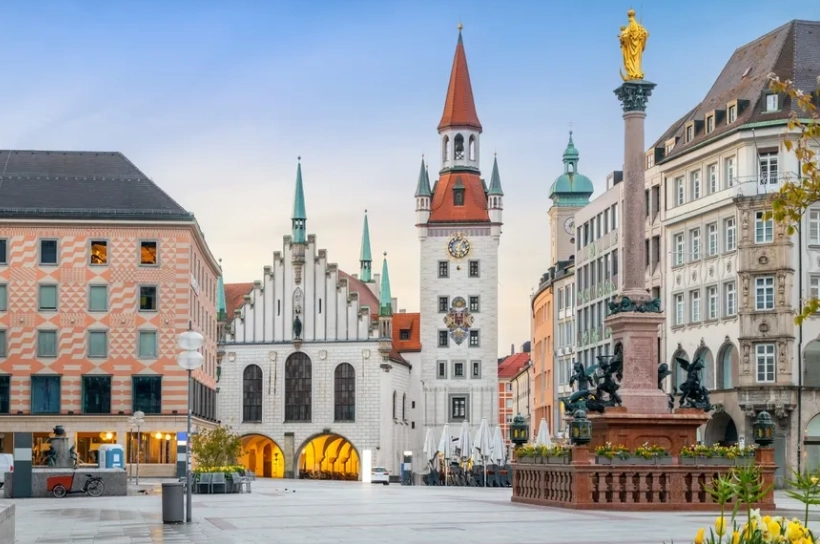
Let's cut to the chase. You're not just looking for a list. You're standing at the entrance to the Hofbräu Festzelt or the Augustiner-Festhalle, the air thick with pretzel salt and oompah music, and you need to know: which of these famous Oktoberfest beers is actually worth your time and money? I've been there, made the wrong choices, and learned the hard way.
This isn't just a ranking. It's a field guide. We'll break down all six official Munich breweries' beers—yes, only six are allowed to be served at the actual festival—based on flavor, drinkability, and that elusive "festival factor." I'll tell you which one to grab if you're a lager newbie, which one the locals quietly favor, and which one might leave you with a headache you don't deserve.
Your Quick Pour: Navigating This Guide
The One Rule: Understanding 'Oktoberfest Beer'
First, a crucial piece of context most generic lists miss. The beers served at the Munich Oktoberfest aren't just any old German brews. They are a specific, legally protected style called Oktoberfestbier (or Märzen). By Munich tradition and the German Brewers' Federation standards, these beers must adhere to the Reinheitsgebot (Beer Purity Law) and are brewed by only six Munich-based breweries.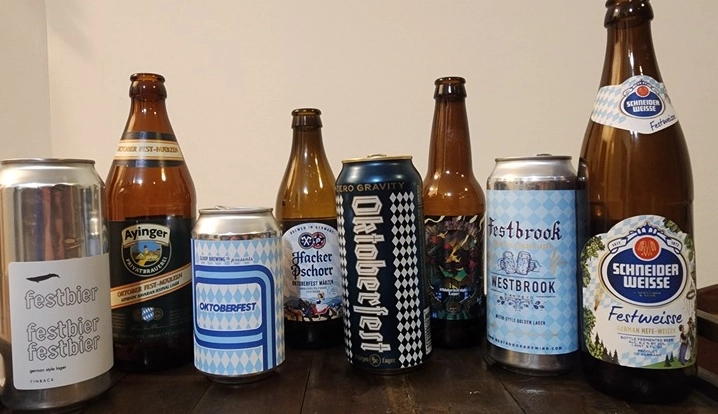
Here's the non-consensus bit everyone gets wrong: They are not all heavy, dark, or overly malty. That's an outdated stereotype. Modern Oktoberfest beers, especially those served at the festival (Festbier), are often golden, crisp, and more similar to a strong Helles lager. They're designed for session drinking—you're meant to enjoy more than one over several hours without feeling like you've eaten a loaf of bread.
The "Big Six" breweries are: Augustiner, Hacker-Pschorr, Hofbräu, Löwenbräu, Paulaner, and Spaten. Every liter mug (Maß) you see comes from one of them.
Oktoberfest Beers Ranked: From Tried-and-True to Underrated Gems
My ranking is based on 15 years of visits, conversations with brewmasters, and watching what the seasoned Münchner actually drink. Criteria include flavor balance, freshness, drinkability over a long session, and that intangible "magic" that fits the festival atmosphere.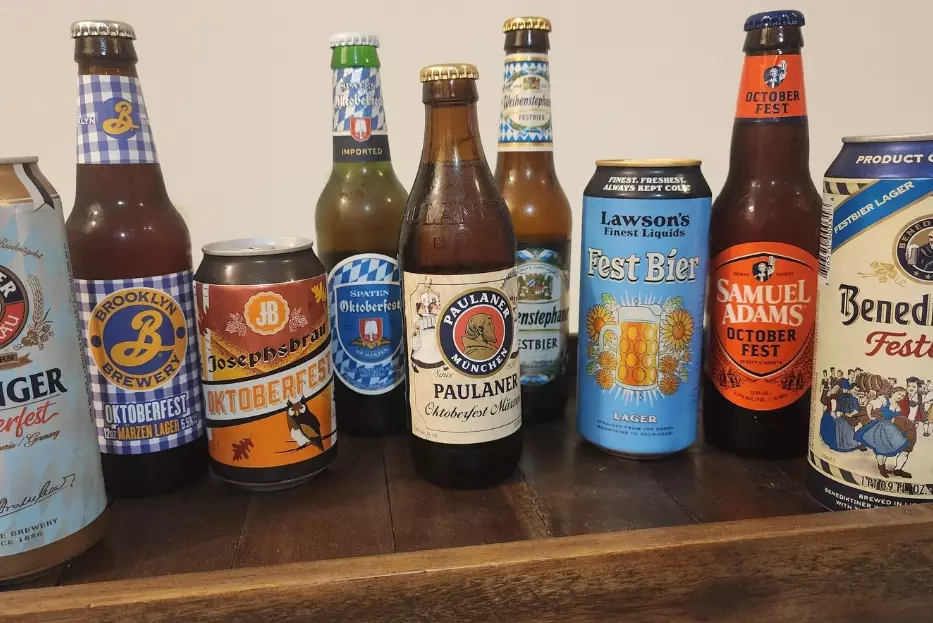
To start, here's a quick-glance table with the vital stats:
| Rank & Brewery | Beer Name / Style | ABV | Key Flavor Notes | Best For... |
|---|---|---|---|---|
| #1: Augustiner | Augustiner Oktoberfest Bier (Märzen) | ~6.0% | Toasty malt, honey, crisp finish | Purists, flavor seekers |
| #2: Hacker-Pschorr | Hacker-Pschorr Oktoberfest Märzen | ~5.8% | Rich, bready, balanced hops | A classic, full-bodied experience |
| #3: Paulaner | Paulaner Oktoberfest Bier (Wiesn) | ~6.0% | Smooth, slightly sweet, floral | First-timers, easy drinking |
| #4: Spaten | Spaten Oktoberfestbier Ur-Märzen | ~5.9% | Caramel, nutty, historic recipe | History buffs |
| #5: Löwenbräu | Löwenbräu Oktoberfestbier | ~6.1% | Malty, robust, hint of bitterness | Those who like a stronger bite |
| #6: Hofbräu | Hofbräu Oktoberfestbier | ~6.3% | Strong, grainy, higher alcohol | Party-focused crowds |
#1: Augustiner – The Unbeatable Local's Secret
Ask a Munich resident where they drink, and they'll often whisper "Augustiner." It's the only major brewery still family-owned, and they famously use traditional wooden barrels in their festival tent. This matters. The beer has a roundness and a creamy, soft carbonation that steel tanks can't quite replicate.
The taste? A beautiful harmony. It starts with a gentle, toasty malt—think fresh bread crust—followed by a subtle honey-like sweetness. The finish is where it wins: clean, crisp, and begging for another sip. It's the most balanced and elegant of the six. You can drink it all day.
Find it at: The Augustiner-Festhalle tent. Get there early for a table, or brave the standing areas. A Maß costs around €13-€14. It's worth every cent.
#2: Hacker-Pschorr – The Gold Standard of Märzen
If Augustiner is the refined choice, Hacker-Pschorr is the textbook-perfect Oktoberfest Märzen. It's what you imagine the festival beer should taste like. The malt character is rich and bready without being cloying, and it has a more noticeable noble hop presence that gives it a solid, satisfying backbone.
I find it has more "heft" than Paulaner but remains incredibly smooth. It's a beer that commands respect without being fussy. Their tent, the Hacker-Festzelt (aka "Bavarian Heaven"), is one of the most beautiful, with a painted sky ceiling.
#3: Paulaner – The Crowd-Pleasing Ambassador
Paulaner's Oktoberfest Wiesn beer is arguably the most popular worldwide, and for good reason. It's incredibly approachable. The flavor profile is smooth, with a gentle sweetness and a faint floral note. It's less malty than Hacker-Pschorr and less crisp than Augustiner—it sits right in the happy middle.
This is the beer I recommend to first-timers. It's delicious, reliable, and won't challenge your palate. The Paulaner Festzelt is massive and always buzzing, perfect for people-watching.
Here's a personal take: While it's excellent, its very perfection can make it feel a bit "safe" after a few liters. I often start with Paulaner and then migrate to Augustiner.
#4 to #6: Spaten, Löwenbräu, and Hofbräu
Spaten deserves credit as the historical pioneer of the style. Their Ur-Märzen has a distinct, almost nutty caramel flavor. It's great, but sometimes feels a touch sweeter and less refreshing than the top three in a crowded, warm tent.
Löwenbräu delivers a robust, malty punch with a more pronounced bitterness. It's a solid beer, but I find it can be a bit one-dimensional compared to the layered complexity of Augustiner or Hacker-Pschorr. Their iconic lion statue tent is a landmark.
Hofbräu is the international party hub. The beer is strong (often the highest ABV) and has a straightforward, grainy malt profile. It's the Budweiser of the Oktoberfest beers—consistent, strong, and designed for volume. The Hofbräu Festzelt is where you go for raucous singing and table-dancing. The beer is a tool for that fun, not a nuanced companion for contemplation.
Pro Tip You Won't Read Elsewhere: Freshness is everything. A Maß poured from a barrel tapped that morning tastes fundamentally different from one poured late in the day. If you want the best experience, visit tents during off-peak hours (weekday afternoons) when turnover is high and the beer lines are fresh.
How to Order and Drink Like a Munich Local
Ordering a beer at Oktoberfest is a ritual. Walk up to a serving maid (Kellnerin) in a busy aisle, make eye contact, and hold up the number of fingers for how many Maß you want. Say "zwei Maß, bitte" (two beers, please). They are impressively strong and will carry up to twelve mugs at once.
Price & Payment: Expect to pay between €12.50 and €14.50 per liter in 2024. Cash is still king in most tents, though some now accept cards. Always have euros.
Tipping: Round up. If your bill is €26 for two beers, give €30 and say "Stimmt so" (that's fine). It's appreciated.
The Seating Trap: You can only be served if you're sitting at a table. No seat, no beer. This is the biggest logistical hurdle. Your options: reserve a table months in advance (hard for tourists), arrive before 3 PM on a weekday and find a spot at a shared table, or politely ask to join a group. Smile and say "Ist hier noch frei?" (Is this spot free?).
Beyond the Big Six: What Else to Drink at Oktoberfest
Beer isn't the only option, and knowing this can save your day.
Radler: A 50/50 mix of beer and lemon soda. It's refreshing, lower in alcohol (~3% ABV), and the secret weapon for lasting all day. Just ask for a "Radler."
Weißbier: Wheat beer. Most tents offer it, though it's not the traditional fest drink. A great change of pace if you want a fruitier, yeastier profile.
Wine & Schnapps: All tents serve wine (Wein) and sparkling wine (Sekt). A Obstler (fruit schnapps) after a meal is a local digestif tradition.
Non-Alcoholic: Yes! All breweries make a non-alcoholic version of their lager (Alkoholfrei). You also find sparkling water (Mineralwasser mit/ohne Gas), soft drinks, and apple juice.