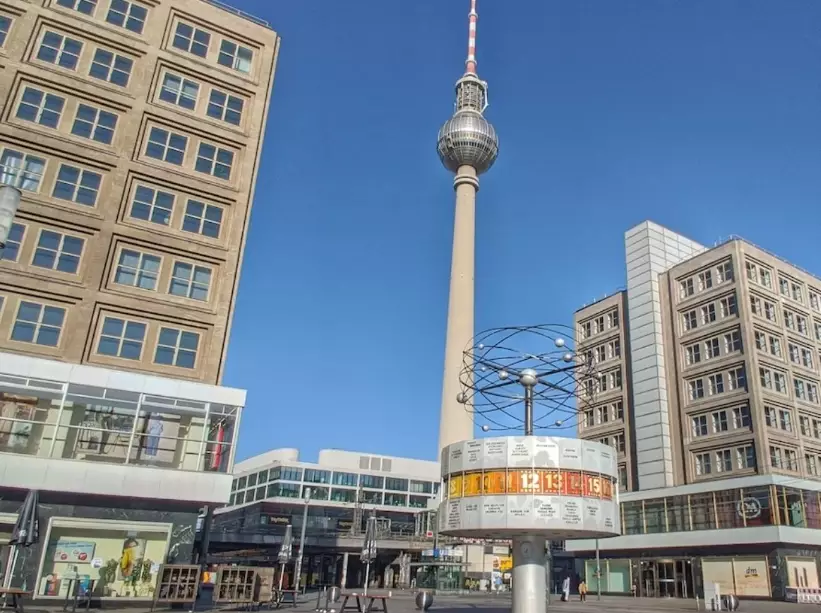
Let's get straight to the point. Is Germany safe for travel? For the vast majority of visitors, the answer is a resounding yes. Germany consistently ranks as one of the safest countries in the world. But "safe" doesn't mean "zero risk." That's a crucial distinction many travel blogs gloss over. Your experience of safety in Berlin will differ from a small Bavarian village. A solo female traveler's concerns aren't the same as a family with kids.
I've spent years traveling across Germany, from major hubs to rural corners. This guide isn't about scaring you or giving you a false sense of security. It's a realistic, no-nonsense look at what safety in Germany actually means for a tourist in 2024. We'll cover crime statistics you can trust, pinpoint areas where you should be more alert, and give you practical, actionable tips that go beyond the generic "be aware of your surroundings."
What's Inside This Guide
How Safe is Germany for Tourists? The Data
According to the Global Peace Index 2023, Germany ranks 16th out of 163 countries, placing it significantly higher than the United States (131st) or the United Kingdom (37th). The German Federal Criminal Police Office (BKA) publishes annual crime statistics, and the trend for violent crime against tourists is remarkably low.
Most incidents tourists encounter are non-violent property crimes: pickpocketing, bag snatching, and theft from unattended luggage. This isn't to downplay them—having your passport stolen ruins a trip—but it frames the risk accurately. You're extremely unlikely to face random violence.
Safety in German Cities: A Realistic Breakdown
Germany isn't a monolith. Safety varies by city and even by neighborhood. Here’s a candid look at major tourist destinations, based on police data and local insight.
| City | Overall Safety for Tourists | Areas to Be Extra Vigilant | Key Safety Tip |
|---|---|---|---|
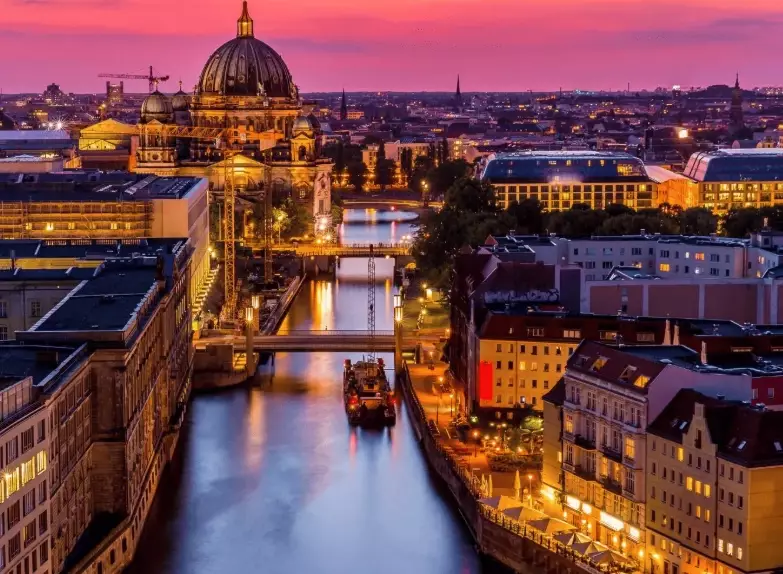
| Berlin | High. A vast, bustling capital. Violent crime rates are low, but it's the pickpocketing capital of Germany. | Major train stations (Hauptbahnhof, Alexanderplatz, Zoologischer Garten) and crowded U-Bahn/S-Bahn lines (especially U8, U2). Parks like Görlitzer Park and Hasenheide at night. | Never place bags on the floor or on the back of a chair in cafes. On public transport, wear backpacks on your front in rush hour. |
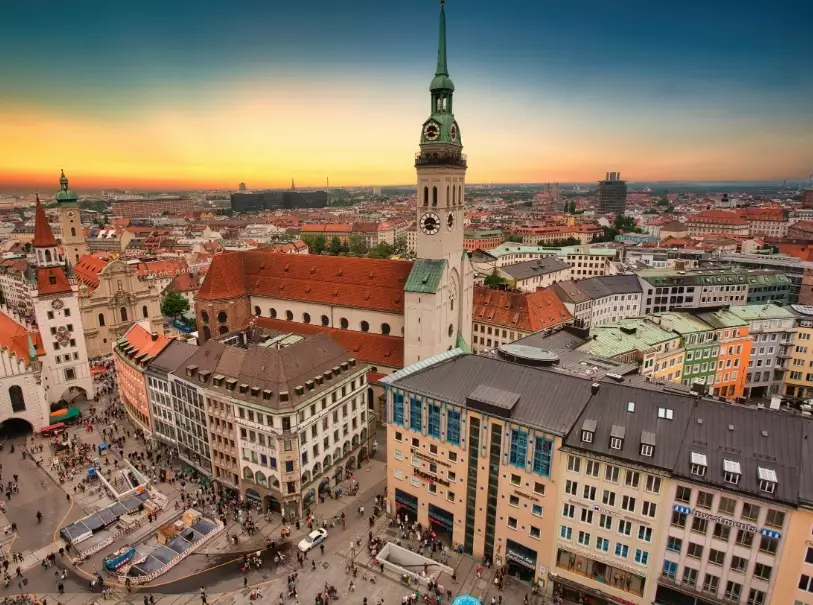
| Munich | Very High. Often feels exceptionally orderly and safe. Lower petty crime rates than Berlin or Frankfurt. | The Hauptbahnhof (main station) area, particularly in the evenings. During Oktoberfest, the entire Theresienwiese grounds. | Even in a safe city, lock your rental bike with two different locks. Bike theft is common. |
| Hamburg | High. A major port city with a vibrant nightlife. Generally safe, but some entertainment districts get rowdy. | The Reeperbahn and St. Pauli district at night (though well-patrolled). Around the Hauptbahnhof. | In nightlife areas, stick to well-lit main streets and be mindful of drink spiking—never leave your drink unattended. |
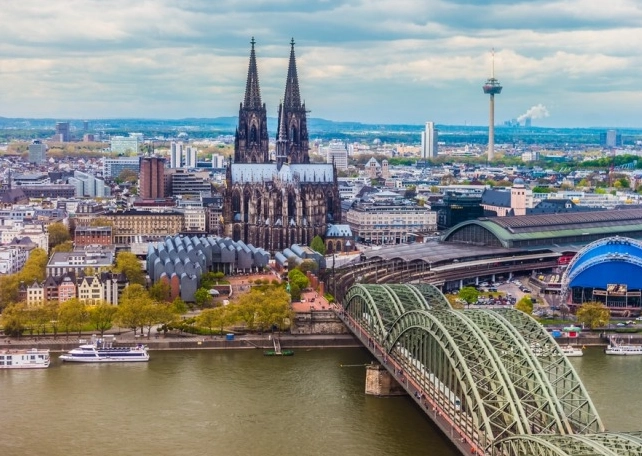
| Cologne | High. Friendly, tourist-friendly atmosphere. Petty crime concentrates in very specific zones. | The area immediately around the Cathedral (Kölner Dom) and the Hauptbahnhof, which are magnets for tourists and pickpockets. | Beware of the "friendship bracelet" scam near the Cathedral where someone aggressively ties a string to your wrist and demands money. |
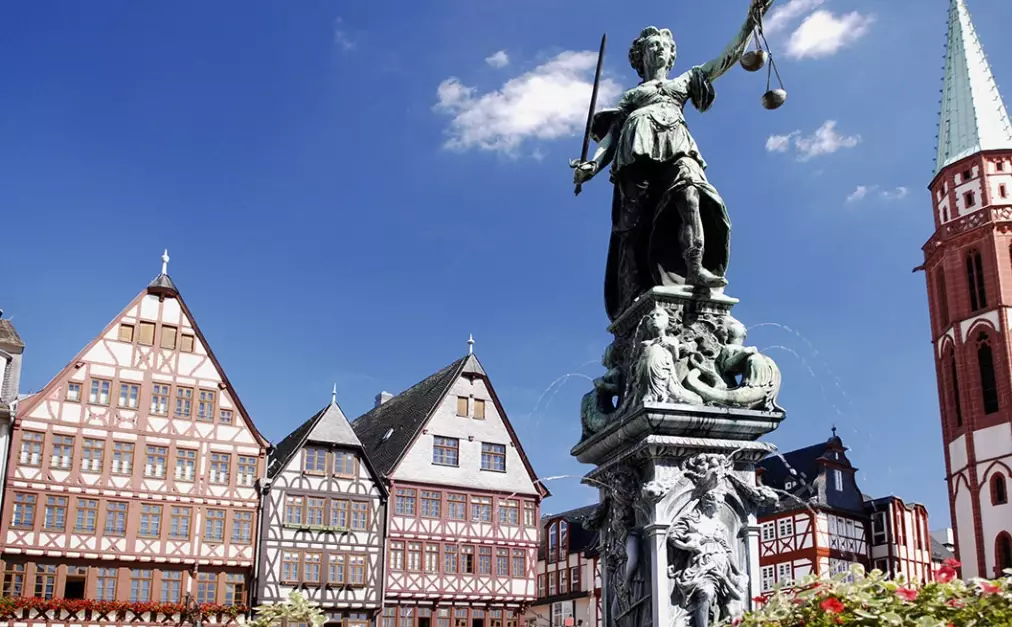
| Frankfurt | Moderate to High. Its reputation is worse than reality. The city center (Römer, Zeil) is fine. The issue is a stark contrast between rich banking districts and problematic areas. | The area around the Hauptbahnhof (main station) is known for open drug use and petty crime. Avoid it at night, especially the side streets. | Use the U-Bahn or taxi directly from the airport to your hotel. If arriving at Hauptbahnhof, walk purposefully to your transport. |
A common mistake travelers make is writing off an entire city because of one rough neighborhood. Frankfurt is a prime example. The Bahnhofsviertel near the station is gritty, but just a 10-minute walk away is the perfectly safe, beautiful city center. Context is everything.
Where Your Safety Focus Should Be: Transport, Scams, Health
Public Transportation Safety
German trains, trams, and buses are excellent and generally safe. The Deutsche Bahn (DB) network is reliable. The risk isn't violence; it's theft and occasional harassment.
- Night Trains (Nachtzug): Book a compartment with a lock. For solo travelers, the couchette or sleeper car is worth the extra cost for privacy and security.
- U-Bahn/S-Bahn: Crowded carriages during rush hour (7-9 am, 4-6 pm) are pickpocket hotspots. Keep valuables in zipped inner pockets.
- Taxis & Rideshares: Perfectly safe. Official taxis are beige. Use apps like FREE NOW or Uber for clear pricing and driver details.
Common Scams Targeting Tourists
These aren't rampant, but they exist. Knowing them is your best defense.
- The Petition/Distraction Scam: Someone, often a group of young people, approaches with a clipboard asking you to sign a petition for the "deaf" or a charity. While you're distracted, an accomplice picks your pocket.
- The "Found" Ring Scam: A person picks up a "gold" ring off the ground, claims you dropped it, then aggressively demands a reward for finding "your" property.
- Overcharging in Tourist Bars: Rare, but happens in the most tourist-saturated areas of Berlin or Munich. Always check the menu for prices and confirm the bill before paying.
Health, Natural Hazards, and Emergency Numbers
Germany has a world-class healthcare system. Pharmacies (Apotheke) are everywhere and pharmacists can give excellent advice for minor ailments.
- Tap Water: Perfectly safe to drink everywhere.
- Outdoor Safety: If hiking in the Alps or Black Forest, check weather forecasts rigorously. Conditions change fast. Stick to marked trails.
- The Universal Emergency Number is 112. For police, you can also dial 110. Operators often speak English.
Tailored Safety Advice: Solo, Family, and LGBTQ+ Travel
Solo Travelers (Especially Women): Germany is a fantastic destination for solo travel. Hostels are secure, and there's a strong culture of independent travel. For women, standard precautions apply: trust your instincts, avoid poorly lit parks at night, and consider staying in central, well-reviewed accommodations. I've found the cities to be respectful, and catcalling is less common than in many other European countries.
Families with Children: Possibly the safest traveler category. Germans adore children (Kinder). Parks, museums, and public spaces are incredibly child-friendly. The main concern is keeping track of kids in massive, crowded places like Munich's Oktoberfest or Berlin's Christmas markets.
LGBTQ+ Travelers: Germany is broadly very accepting, particularly in major cities like Berlin, Cologne, and Hamburg, which have vibrant queer scenes. Berlin's Schöneberg district is historically gay. Public displays of affection are generally safe, though, as anywhere, discretion in very rural areas might be more comfortable.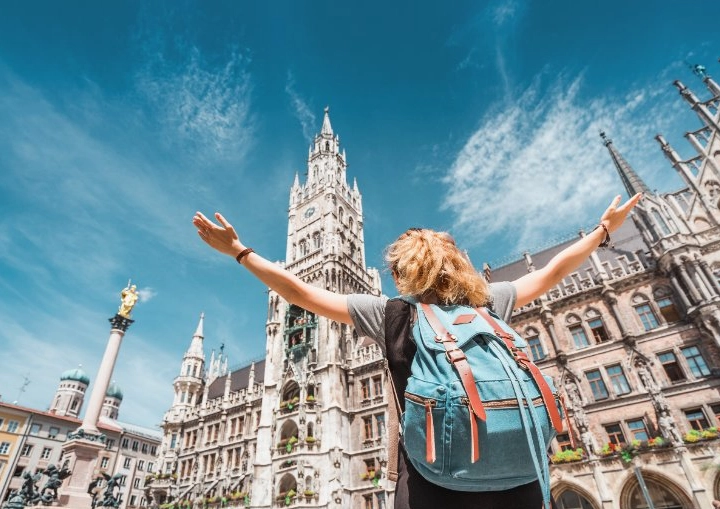
Your Germany Safety Questions, Answered
Is it safe to walk around Berlin or Munich at night?
What is the biggest mistake tourists make regarding safety in Germany?
Should I carry cash or use cards? Which is safer?
How reliable are the police if I need help?
Are there any areas or situations I should completely avoid?
So, is Germany safe to travel to right now? The evidence says yes—overwhelmingly so. By understanding where the real, manageable risks lie (petty theft in specific locations), you can relax and enjoy one of Europe's most stable, rewarding, and culturally rich destinations. Pack your common sense along with your passport, and you're set for an incredible trip.
Your safety is ultimately in your hands. Germany provides a secure stage, but it's up to you to play your part wisely. Now go enjoy that beer, that castle, and that unforgettable German hospitality.