So you've got five days and a serious itch to hit the open road in Germany. Good choice. Let's be real, five days isn't a ton of time—you can't see the whole country from the Baltic Sea to the Alps. Trying to would be a recipe for stress, not a vacation. But what you can do is dive deep into one incredibly rich region, and that's exactly what this guide is for. I'm talking about a focused, immersive, and frankly unforgettable Germany road trip 5 days in length, centered on the postcard-perfect south.
This isn't about ticking boxes from a guidebook. It's about the feeling of cruising down the Romantic Road with your windows down, the surprise of finding a tiny vineyard restaurant, and the slight panic-turned-triumph of navigating a medieval town's one-way streets. I've done this drive more times than I can count, both solo and with friends, and I've made all the classic mistakes so you don't have to. We're going to build the ideal 5 day road trip Germany itinerary together, one practical step at a time.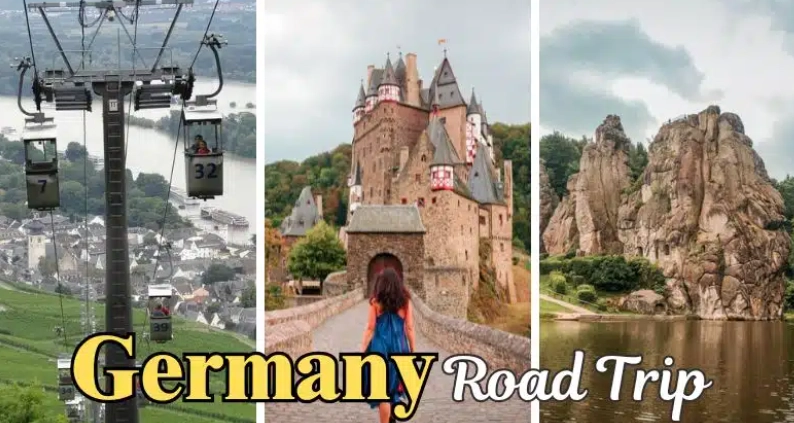
Why Southern Germany is Ideal for a 5-Day Road Trip
Germany is a road tripper's dream, but the south really takes the cake for a short trip. The distances between highlights are short, the scenery is consistently stunning, and the infrastructure (roads, signage, parking) is excellent. You get maximum wow-factor per mile driven. The cultural vibe here is also distinct—more laid-back, deeply Catholic in tradition, and fiercely proud of its local customs. You'll notice the shift from "Hallo" to "Grüß Gott" as a greeting.
Northern routes, like from Cologne to Hamburg, are great, but they often involve longer stretches of autobahn between urban centers. For a 5 day Germany itinerary, the condensed magic of Bavaria and Baden-Württemberg is hard to beat. It feels like you're driving through a living storybook.
The Detailed 5-Day Germany Road Trip Itinerary
Here’s your day-by-day blueprint. Think of it as a framework, not a prison sentence. Feel free to linger longer in places you love and skip things that don't spark your interest.
Day 1: Munich to Rothenburg ob der Tauber (The Romantic Road Begins)
Pick up your rental car in Munich after breakfast. Don't rush out of the city, but don't plan on sightseeing either—save Munich for the end. Your goal is to get onto the Romantische Straße (Romantic Road) and let the magic begin. The drive to Rothenburg is about 2.5 hours if you take the A7 autobahn, but I strongly recommend taking the slower, signed Romantic Road route (B2, St 2210) through towns like Dinkelsbühl. It adds maybe 30 minutes but sets the tone perfectly.
Rothenburg ob der Tauber is the quintessential medieval town. Yes, it's touristy. No, that doesn't ruin it. Walking its intact walls, getting lost in its cobblestone alleys, and seeing the famous Plönlein corner is worth it. Park at one of the large lots just outside the city walls (like P5); driving inside is a nightmare.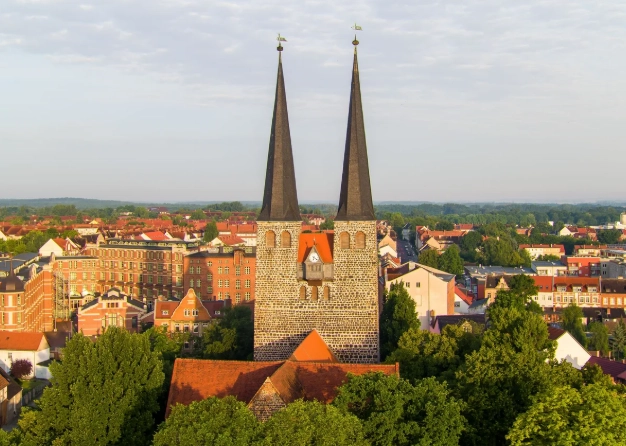
Spend the night here. Waking up in Rothenburg before the day-tripper buses arrive is a completely different, serene experience. This first day eases you into the rhythm of your Germany road trip 5 days journey.
Day 2: Rothenburg to Füssen (Castles and Countryside)
Today is a drive of about 2.5-3 hours south towards the Alps. Continue on the Romantic Road. A fantastic stop about an hour in is Nördlingen, a medieval town built inside a massive meteorite crater! You can even walk the complete city walls. It's like Rothenburg's less-famous, equally charming cousin.
Your final destination is Füssen or a nearby village like Schwangau. This is your base for the big castle day tomorrow. The approach into Füssen, with the Alps suddenly rising in front of you, is breathtaking. Check into your lodging (book this well in advance, especially in summer) and maybe take a short walk around the peaceful Forggensee lake to stretch your legs.
Day 3: Neuschwanstein, Hohenschwangau & The Alpine Spirit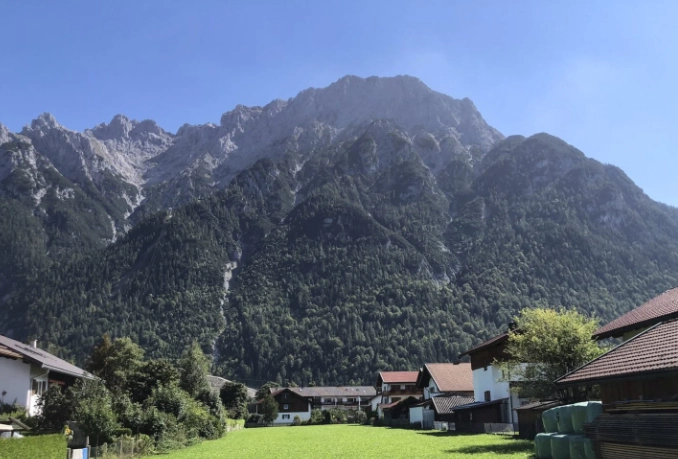
Castle day. Hohenschwangau Castle (the yellow one) and Neuschwanstein Castle (the fairy-tale one) are the stars. Here's the crucial advice you need: BOOK YOUR TIMED TICKETS ONLINE WEEKS IN ADVANCE through the official ticket center. Seriously. Showing up without a ticket means hours in line, if you get in at all.
I recommend the combo ticket for both castles. Hohenschwangau, where King Ludwig II grew up, is actually more historically authentic. Neuschwanstein is the breathtaking fantasy. The hike up to Marienbrücke (Mary's Bridge) for the iconic photo is a must, though it can be crowded and a bit nerve-wracking if you're afraid of heights.
After the castle marathon, consider a short drive (30 mins) to the Wieskirche, a stunning UNESCO-listed rococo pilgrimage church in the middle of a field. It's an oasis of calm. Or, just relax in Füssen's old town. You've earned it.
Day 4: Füssen to Lake Constance (Bodensee) via the Allgäu
Time for a change of scenery. Drive west from Füssen towards Lake Constance (Bodensee). This 2-hour drive through the Allgäu region is rolling green hills and dairy farms. Your destination is the island town of Lindau, connected to the mainland by a causeway and a railway line.
Lindau is gorgeous—a historic old town on an island with harbor views of the Alps. Park in the multi-story garage just before the causeway. Spend the afternoon wandering the harbor (look for the lion statue and lighthouse), getting ice cream, and enjoying the lakefront vibe. It's a more relaxed, resort-like atmosphere compared to the alpine intensity of Füssen.
Day 5: Lindau to Munich via the Upper Swabian Baroque Route & Conclusion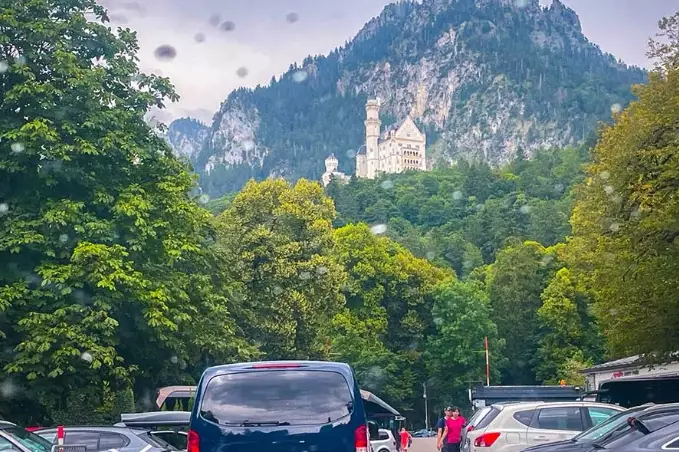
The final leg of your Germany road trip 5 days. The most direct route back to Munich is about 2 hours on the autobahn. But if you have time, consider a more scenic inland route through Upper Swabia. Stop in a small town like Weingarten to see its massive basilica, or Bad Wurzach for a coffee.
Aim to return your rental car in Munich by late afternoon. Give yourself a buffer for traffic. If your flight is the next day, enjoy a final Bavarian dinner in Munich's Hofbräuhaus or a quieter beer garden, reflecting on a journey that covered an astonishing amount of ground in just five days.
Essential Planning: The Nitty-Gritty Details
A great itinerary is useless without the practical stuff nailed down. Let's break it down.
Renting a Car in Germany: What You Really Need to Know
Book your car early, especially for automatics (which are less common and more expensive). Comparison sites are okay, but sometimes booking directly with the major companies (Sixt, Europcar, Hertz) through their German websites (.de) can yield better deals and clearer terms. You absolutely need a valid driver's license from your home country and, for many non-EU licenses (like US or Canadian), an International Driving Permit (IDP). It's a translation document you get from AAA or your local automobile association before you leave. Police can ask for it.
Get full comprehensive insurance with zero excess/deductible. The peace of mind is worth it. German roads are great, but stone chips and door dings happen. Also, decide if you need an Umweltplakette (emissions sticker). Most rental cars will have one, but confirm. You need it to enter many city "environmental zones," including Munich's low-emission zone.
| Rental Company | Pro | Con | Best For |
|---|---|---|---|
| Sixt | Often has newer, premium German cars; good airport counters. | Can be pricier; strict on return condition. | Those wanting a nice driving experience. |
| Europcar | Widely available, consistent service. | Fleet can be older; queues can be long. | Reliable, no-fuss standard rental. |
| Buchbinder / Local Brands | Often the cheapest rates. | Off-airport locations, older cars, less English support. | Budget travelers willing to take a shuttle. |
Driving Rules & Navigation
Drive on the right. Seatbelts are mandatory for all. Children need appropriate seats. The famous autobahn has sections with no speed limit, but don't assume it's a free-for-all. There are many stretches with permanent or variable limits. The recommended speed is 130 km/h (80 mph). The left lane is strictly for passing; camp there and you'll get flashed aggressively. On country roads (like the Romantic Road), speed limits are strictly enforced by cameras.
Use Google Maps or Waze for real-time traffic. They're excellent. But having an offline map downloaded (like in Maps.me) is a smart backup for areas with poor signal in deep valleys or forests.
Budgeting for Your 5 Day Road Trip Germany
Costs can vary wildly. Here's a rough mid-range estimate per person, assuming two people sharing a car and room.
- Rental Car + Fuel: €250-€400 (depends on car type, season, and fuel prices). Diesel is cheaper per liter and gives better mileage.
- Accommodation: €70-€150 per night for a double room in a decent guesthouse (Gasthof) or hotel. So €175-€375 per person for 5 nights.
- Food & Drink: €40-€70 per day. A Gasthof meal is €15-€25, lunch can be a €5 pretzel and sausage, beer is €3-€5.
- Attractions & Parking: €100-€150 (castle tickets are ~€25-€30 each, parking is usually €5-€10 per day).
So a total of roughly €600-€1100+ per person, excluding flights. You can do it cheaper (hostels, picnics) or much more luxurious.
Tailoring Your Trip: Alternative Routes & Ideas
Maybe the classic Romantic Road isn't your thing. That's fine. Here are two other fantastic frameworks for a Germany road trip 5 days.
The Black Forest & Rhine Valley Loop
Start in Frankfurt or Stuttgart. Day 1: Drive to the Black Forest (Triberg waterfalls, cuckoo clocks). Day 2: Explore forest drives like the Schwarzwaldhochstraße. Day 3: Head west to the Rhine River, see castles like Burg Eltz. Day 4: Rhine Valley boat cruise, explore towns like Bacharach. Day 5: Return to start point. This route is more about dense woods, thermal baths, and river scenery than alpine peaks.
The Eastern Bavaria & Czech Border Twist
Start in Munich or Nuremberg. Focus on Eastern Bavaria's hidden gems: the crystal-clear Königssee (Lake Königssee) near Berchtesgaden (honestly, even more stunning than some of the more famous spots), the historic city of Regensburg, and the surreal landscape of the Bavarian Forest National Park. You can even dip into the Czech Republic for a day in Český Krumlov. This route feels more off-the-beaten-path.
Packing & Pro-Tips for a Smooth Journey
A few final pieces of advice from hard-earned experience.
- Pack Light, Pack Right: You'll be living out of a suitcase in different hotels every night. A small, wheeled suitcase and a daypack are ideal. Bring layers—mountain weather changes fast.
- Comfortable Shoes are Non-Negotiable: You will walk on cobblestones. A lot.
- Cash is Still King: Especially in smaller Gasthöfe, bakeries, and for parking. Always have €50-€100 in smaller bills (€20, €10) on you.
- Learn a Few Phrases: "Bitte" (please), "Danke" (thank you), "Zahlen, bitte" (the check, please). It goes a long way.
- Embrace Spontaneity: See a sign for a "Biergarten" or a scenic overlook? Pull over. The best memories are often the unplanned ones.
Frequently Asked Questions (Your Doubts, Addressed)
Let's tackle the common worries head-on.
Is 5 days enough for a Germany road trip?
It's enough for an amazing, deep dive into one region—like the itinerary above. It's not enough to see "all of Germany." Focus is key. A well-planned Germany road trip 5 days in length is immensely satisfying.
What is the best time of year for this trip?
Late May to late September offers the most reliable weather for driving and sightseeing. September is sublime—fewer crowds, harvest season. December is magical for Christmas markets, but days are short, and alpine roads can have snow. I'd avoid February-April, as it's often gray and slushy.
Is driving in Germany difficult for foreigners?
Not really, if you're confident. The rules are logical and drivers are disciplined. The main challenges are getting used to high speeds on the autobahn and navigating tight spaces in old towns. Avoid driving in big city centers (like Munich's Mitte). Use park-and-ride.
Do I need to pre-book all my hotels?
For this specific 5 day road trip Germany route, yes, absolutely, especially in Rothenburg and Füssen/Schwangau. These are top tourist destinations with limited lodging. Booking ahead guarantees you a good spot and saves you the stress of searching after a long drive.
Can I do this trip by public transport?
You can, but it becomes a different trip—more focused on towns and less on countryside freedom. The Romantic Road has a bus, but it's slow. Reaching Neuschwanstein from Füssen requires a local bus. It's possible but less flexible. The joy of a Germany road trip 5 days itinerary is the freedom to stop wherever you want. For detailed public transport planning, the Deutsche Bahn (German Rail) website is the ultimate authority.
What about parking?
It's generally easy. Most small towns have clearly signed, affordable central parking lots (Parkhaus or Parkplatz) just outside the pedestrian old town. Use them. Never try to drive into the medieval cores looking for a spot. For official rules and info, the ADAC (German automobile club) website is a fantastic resource, even if you're not a member.
So there you have it. Your complete blueprint for an epic Germany road trip 5 days in the making. It mixes must-see icons with local secrets, practical hard facts with a bit of wandering spirit. Do your research, book the key items, but then leave room for the unexpected. Fill up the tank, queue up a good playlist, and hit the road. Southern Germany is waiting to show you its best.
Got a specific question I didn't cover? Drop it in the comments below. And if you take this trip, come back and tell me how it went. Safe travels!