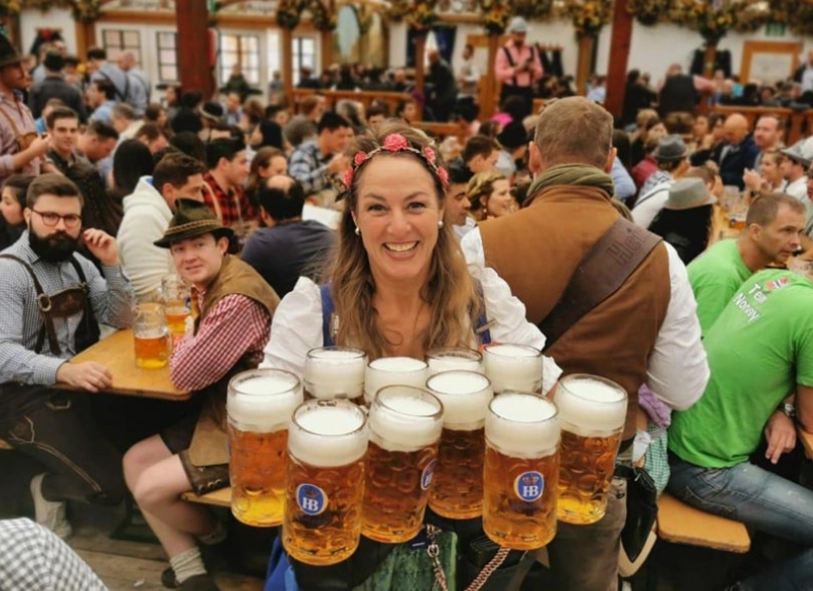
You hear the term "Big 6" thrown around when talking about Munich beer, but what does it actually mean? It's not about six specific beer brands you can buy in a store. It refers to the six historic breweries that have the exclusive right to serve their beer at the world-famous Oktoberfest. These are Augustiner-Bräu, Spaten-Franziskaner-Bräu, Hofbräu München, Paulaner, Hacker-Pschorr, and Löwenbräu. They are the pillars of Munich's brewing culture, each with a story that's deeply woven into the city's identity. Forget generic lagers; this is about experiencing the soul of Bavaria in a glass.
Your Quick Guide to Munich's Beer Giants
What Exactly Are the "Big 6"?
Let's clear up a common misconception right away. The "Big 6" isn't a marketing gimmick or a modern ranking. It's a historical designation with legal weight. Since the founding of Oktoberfest, only breweries located within Munich's city limits have been permitted to serve beer at the festival. Today, that privilege rests solely with these six.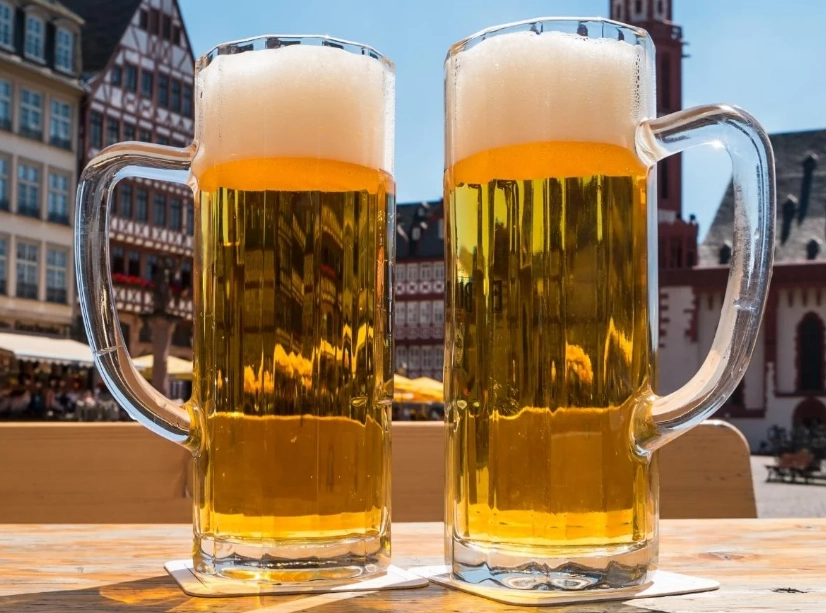
Their significance goes beyond a tent at the Wiesn. These breweries define the Munich beer style: predominantly Helles (a pale, malty lager) and Dunkles (a dark, smooth lager), along with their famous Festbiers (Oktoberfest beers) and Weißbier (wheat beer). They operate massive, traditional breweries, some with origins dating back to the 14th century.
Here’s the thing most generic guides miss: while they all follow the Reinheitsgebot (German Beer Purity Law), their outputs are distinct. The water source, the malt, the yeast strain, and the master brewer's touch create subtle but important differences. Tasting them side-by-side is the real Munich experience.
The Big 6 Breakdown: History, Heart, and Hops
This table gives you the core facts, but the real story is in the details below.
>The innovator. Credited with developing the modern Helles and Oktoberfestbier styles.>The international icon. Lively, tourist-friendly, the original royal brewery.>The balanced all-rounder. Famous for its wheat beer and massive Oktoberfest tent.>The "two-in-one" heritage. Known for a slightly drier, hoppier Helles and strong beers.>The classic lion. Robust, malty flavors, with a distinctive lion logo.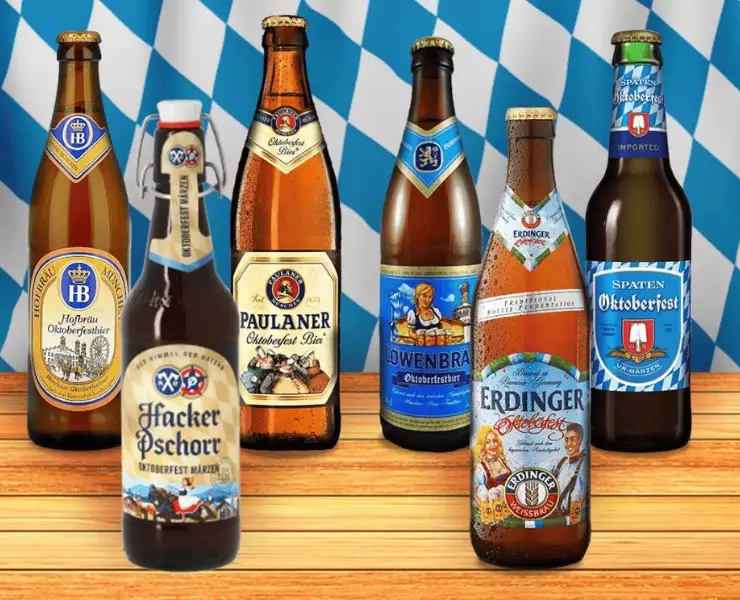
| Brewery | Founded | Signature Beer You Must Try | Key Trait & Vibe |
|---|---|---|---|
| Augustiner-Bräu | 1328 | Augustiner Helles (from a wooden barrel) | The locals' favorite. Unpretentious, traditional, family-owned. |
| Spaten-Franziskaner-Bräu | 1397 | Spaten Münchner Hell / Franziskaner Weissbier | |
| Hofbräu München | 1589 | Hofbräu Original | |
| Paulaner | 1634 | Paulaner Hell / Paulaner Hefe-Weißbier | |
| Hacker-Pschorr | 1417 / 1488 | Hacker-Pschorr Münchner Hell / Hacker-Pschorr Animator Doppelbock | |
| Löwenbräu | 1383 | Löwenbräu Original |
Augustiner-Bräu: The Soul of Munich
Ask a born-and-bred Münchner where they drink, and Augustiner will likely top the list. It's the only major brewery in Munich that's still independently owned, not part of a multinational corporation. This matters. The beer is served from traditional wooden barrels (Holzfässer) in many of its taverns, which many believe imparts a smoother, creamier character. Their Augustiner Bräustuben (Landsberger Str. 19) is a no-frills, authentic beer hall where you'll rub elbows with workers, families, and students. A Maß (liter) of Helles costs around €9.50. It's not fancy, it's real.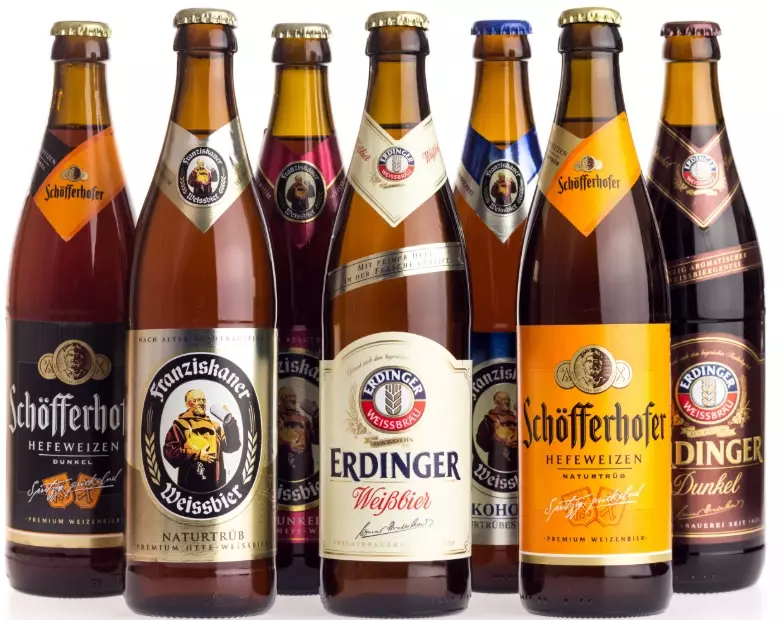
Hofbräu München: The Global Ambassador
Hofbräuhaus am Platzl (Platzl 9) is the world's most famous beer hall, and for good and bad. It's a spectacle: oompah bands, dirndls, and thousands of tourists. The beer (Hofbräu Original) is excellent—a crisp, slightly bitter lager. But here's my take: go once for the experience, but don't let it be your only stop. It's like Times Square; you have to see it, but you wouldn't want to eat there every night. For a slightly more local feel, try the Hofbräukeller (Innere Wiener Str. 19) across the river.
Paulaner & Hacker-Pschorr: The Power Pair
These two share a modern brewing facility but maintain separate recipes and identities. Paulaner's Hefe-Weißbier is arguably the world's benchmark for the style—cloudy, fruity, and refreshing. Hacker-Pschorr's Animator Doppelbock is a winter gem, a strong, malty sipping beer at around 7.5% ABV. For atmosphere, Paulaner am Nockherberg (Hochstraße 77) is a sprawling beer garden with a great vibe.
Where to Taste the Big 6 in Munich (Beyond Oktoberfest)
You don't need a festival ticket. Each brewery owns or supplies dedicated beer halls (Wirtshäuser) and gardens (Biergärten) across the city. Here’s a practical, executable list.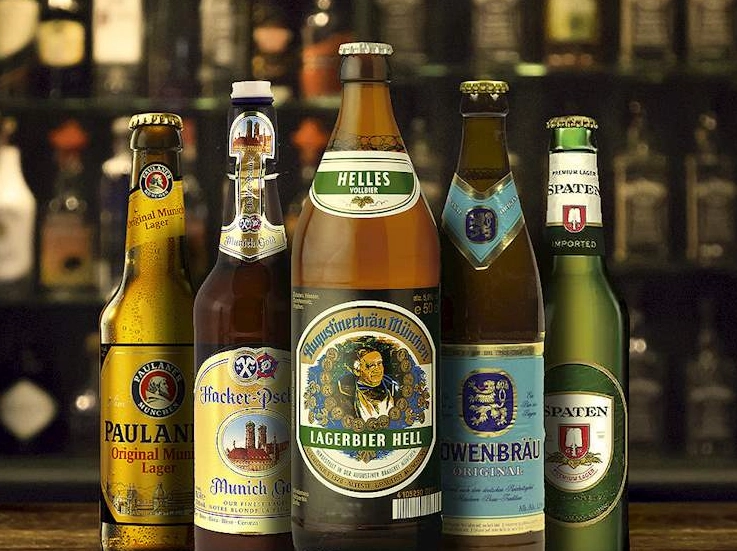
Pro Tip: In Munich, you typically don't order just "a beer." You order by type: "Ein Helles, bitte" (a pale lager), "Ein Dunkles" (a dark lager), or "Ein Weißbier" (a wheat beer). The waiter will bring the house brand.
- For the Classic Hall Experience: Augustiner Keller (Arnulfstraße 52). Huge beer garden under chestnut trees, plus a historic indoor hall. Open daily from 10:00 AM.
- For a Lively, Central Spot: Hofbräuhaus (Platzl 9). Opens at 9:00 AM. Be prepared for crowds.
- For the Best Weissbier Atmosphere: Paulaner Bräuhaus (Kapuzinerplatz 5). A brewpub with fresh, unfiltered beer straight from the copper tanks. Kitchen open until midnight.
- For a Local's Beer Garden: Hirschgarten (Hirschgarten 1). It's the largest beer garden in Munich (seats 8,000!) and serves Augustiner. Take the S-Bahn to Laim. A Maß is about €9.30.
- For a Spaten Focus: Spatenhaus an der Oper (Residenzstraße 12). An upscale restaurant opposite the opera house, perfect for a refined beer-and-meal pairing.
How to Plan Your Own Big 6 Beer Tasting Tour
Want to try them all in a day or two? It's possible, but pace yourself. A Maß is a full liter. Consider ordering a Halbe (half-liter) or even a Radler (beer-lemonade mix) to stay sharp.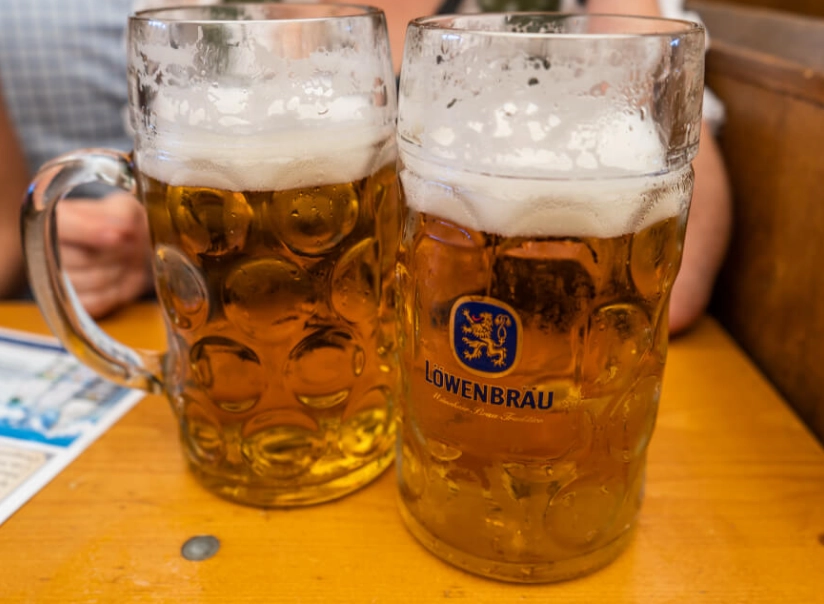
A Sample One-Day Itinerary:
Afternoon: Start at Augustiner Keller for a Helles in the garden. Then, walk or take a short tram to Paulaner Bräuhaus at Kapuzinerplatz for a Hefe-Weißbier and a pretzel.
Evening: Head into the city center. Experience the controlled chaos of the Hofbräuhaus. Afterwards, stroll over to the Hacker-Pschorr Bräuhaus am Platzl (right next door, but often less crowded) to compare their Helles. Finish at Spatenhaus for a Dunkles and a hearty dinner.
You've just hit five of the six in a logical, walkable route. Löwenbräu's main hall is a bit further out at the Löwenbräukeller (Nymphenburger Str. 2), but easily reachable by tram.
What Lies Beyond the Big 6? Munich's Craft Beer Scene
While the Big 6 rule the traditional landscape, Munich has a vibrant craft beer movement. If you're a hop-head looking for IPAs, sours, or stouts, you're in luck. Places like Tap-House (Thereisenstraße 2) with 30 rotating taps, or Giesinger Bräustüberl (Martin-Luther-Straße 2) from a local rising-star brewery, offer a completely different palate experience. The official Munich tourism website often lists events and new openings.