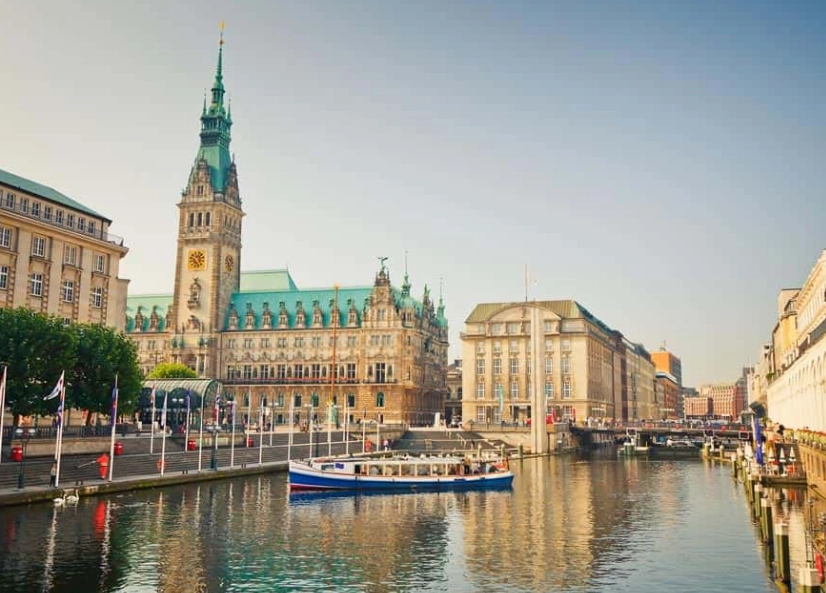
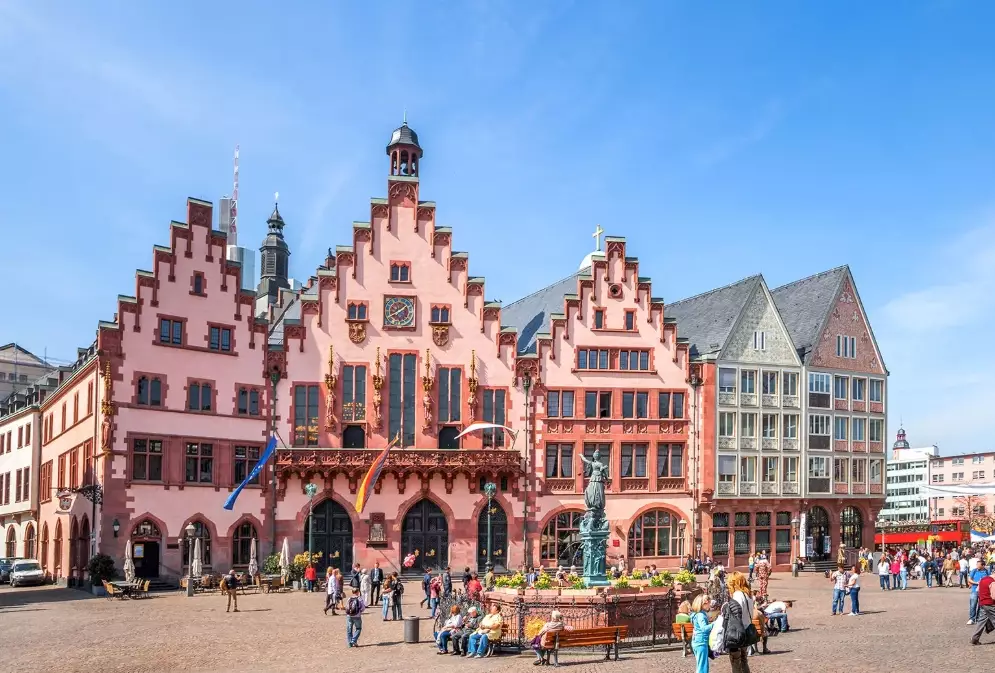
Driving in Germany as a tourist is one of the best ways to explore the country's castles, forests, and charming villages at your own pace. But let's be honest, the thought can be intimidating. The Autobahn's legendary speed, unfamiliar road signs, and strict parking rules can make anyone nervous. I've been driving here for years, and I still see tourists making the same costly mistakes. This guide isn't just a list of rules. It's your roadmap to driving in Germany confidently, legally, and safely. We'll cut through the confusion on licenses, demystify the Autobahn, and give you the local know-how you won't find in a standard rental car brochure.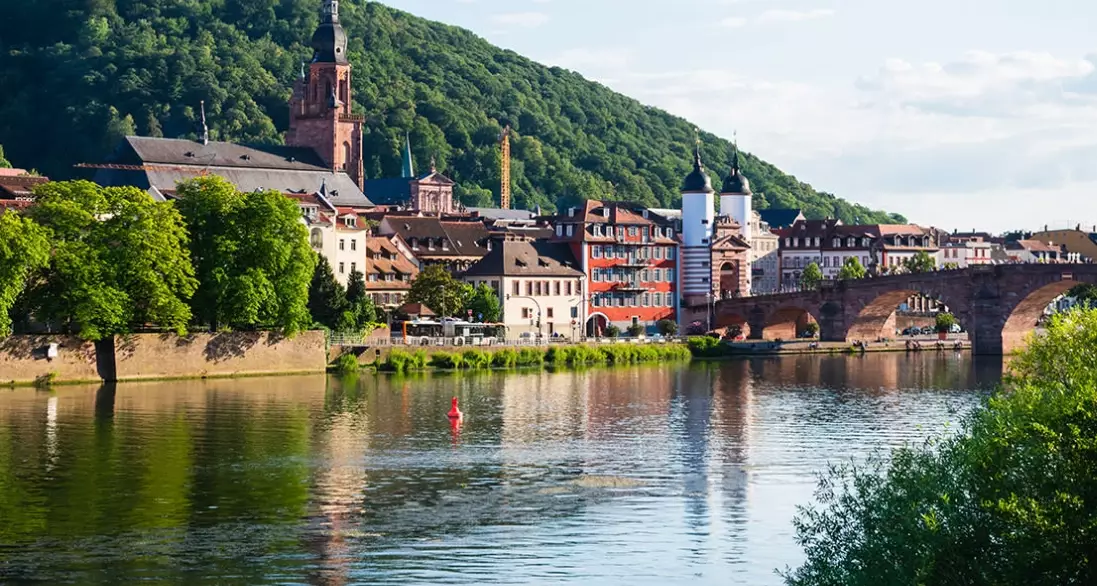
Your Roadmap to Driving in Germany
- Why Drive in Germany? Freedom vs. Train
- Licenses & Documents: What You MUST Have
- The Tourist's Rental Car Guide: Step-by-Step
- Core German Driving Rules You Can't Ignore
- The German Parking Survival Guide
- Navigation & Communication Tips
- Unwritten Driving Etiquette
- A 7-Day Driving Itinerary Idea
- Top 5 Tourist Driving Mistakes
- Emergency & Breakdown Information
- Your Driving Questions Answered
Why Drive in Germany? Freedom vs. Train
Germany's train system is excellent. Really, it is. But a car unlocks a different Germany. Imagine deciding on a whim to stop at that vineyard you just passed on the Moselle River, or spending an extra hour hiking in the Black Forest because you don't have to catch a train. With a car, your luggage is always with you, and remote gems like the Saxon Switzerland National Park or the half-timbered towns along the Romantic Road become easily accessible. The train is perfect for city-to-city hops. The car is for the deep dive.
The cost comparison is interesting. For a solo traveler, trains are often cheaper. But for two or more people, a rental car can be very competitive, especially when you factor in the flexibility. Just remember to budget for fuel (around €1.70-€1.90 per liter for petrol/E10), tolls (there are none for cars on highways, but some tunnels/bridges charge), and, crucially, parking.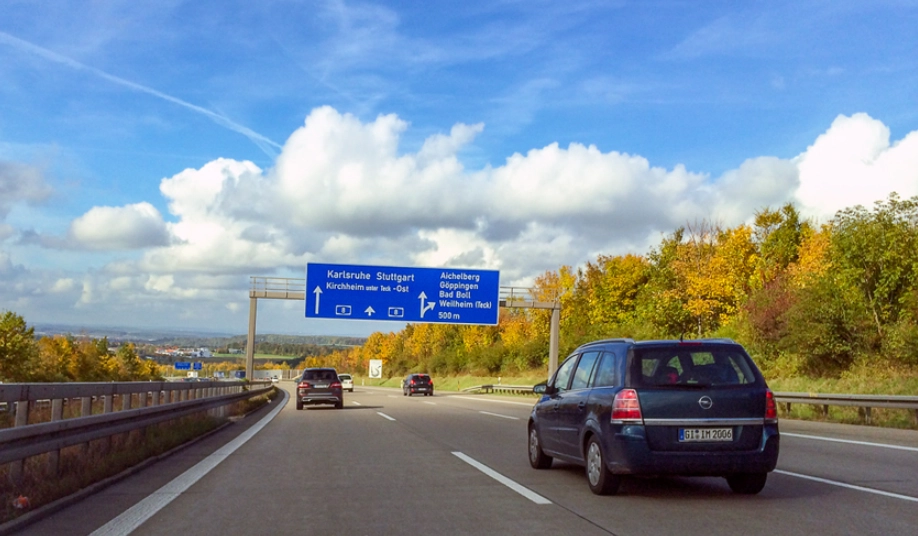
Licenses & Documents: What You MUST Have
This is where most people get tripped up before they even start the engine. Germany has strict rules, and police checks are common.
Your Home Country Driver's License
If you hold a standard license from an EU/EEA country, you're good to go—just use it as is. For tourists from the United States, Canada, Australia, and many other non-EU countries, your domestic license is valid for up to six months from your date of entry. This is a common misconception; it's not six months of driving, but six months from when you entered Germany.
Critical Point: Your license alone is often not enough. For licenses not in German or using a non-Latin alphabet (like Cyrillic), you must carry a certified German translation. Even for US licenses, while not always legally required, a translation from an agency like the ADAC (Allgemeiner Deutscher Automobil-Club) or an International Driving Permit (IDP) can prevent huge headaches during a police stop. I've seen tourists without one get fined on the spot for "driving without a valid license," which is a steep €10-€30.
The International Driving Permit (IDP)
Think of an IDP as a passport for your driver's license. It's a multi-language translation. You must get it in your home country before you travel. You cannot get one in Germany. It costs about $20 USD and requires a passport photo. You must carry both your original license and the IDP together at all times.
Other Essential Documents
When driving a rental car, you'll need: your passport, the rental agreement, and the vehicle's registration papers (usually in the glove box). The car must have a valid inspection sticker (TÜV/ Hauptuntersuchung Plakette) on the license plate. The rental company handles this, but it's good to know.
The Tourist's Rental Car Guide: Step-by-Step
Renting a car in Germany is straightforward if you know what to ask for and what to check.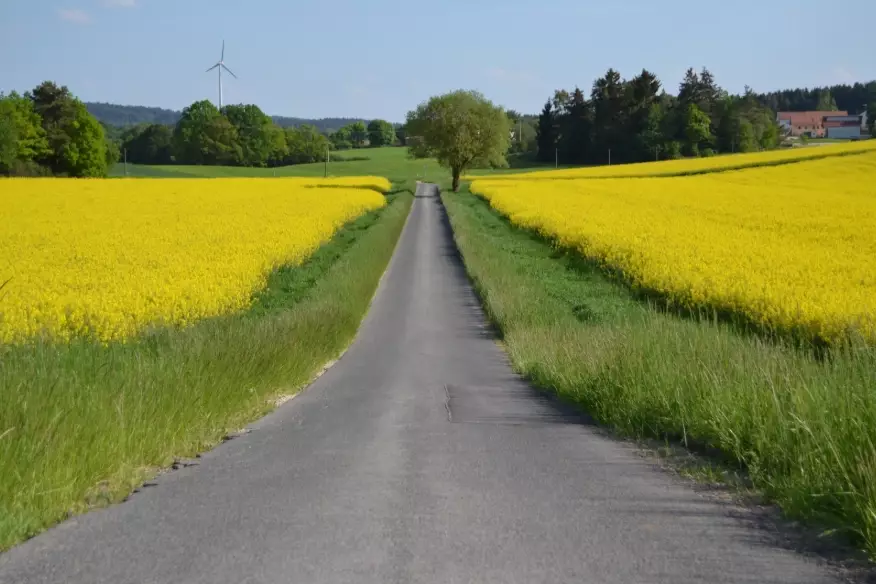
1. Booking: The Essentials
Book online in advance for the best rates. Major airports (Frankfurt, Munich, Berlin) have all the big brands: Sixt, Europcar, Hertz, Avis. I often find better deals renting from a downtown location rather than the airport, which has high surcharges. A compact car (like a VW Golf) is perfect for German streets and parking spaces. If you're traveling with family and luggage, consider a station wagon (Kombi).
2. At the Counter: The Non-Negotiable Questions
Don't just sign. Ask these questions:
Insurance: The basic liability insurance is mandatory. Always take the full Collision Damage Waiver (CDW) with zero or low excess. German repair costs are high. Ask if it covers glass, tires, and undercarriage damage.
Cross-Border Travel: Planning to drive to Austria, Switzerland, or France? You MUST declare this and get written permission on the contract. Otherwise, your insurance is void.
Fuel Policy: "Voll-Voll" (full-to-full) is standard and best. You get a full tank and must return it full.
Additional Drivers: Add all drivers at the counter. It costs extra (€10-€15 per day), but if an unlisted driver has an accident, you have no coverage.
3. The Vehicle Inspection: Your 5-Minute Checklist
Pro-Tip: Use your phone to take a slow, 360-degree video of the car's exterior and interior, including the dashboard (to show mileage), before you drive off. Narrate any scratches or dents you see. Email it to yourself. This is your absolute proof if the company later tries to charge you for pre-existing damage.
Check these specific items:
- Windscreen: Look for chips or cracks.
- Tires: Tread depth and pressure. German law requires winter tires (marked M+S) in icy/snowy conditions, which can be from October to April depending on the region.
- Warning Triangle & First-Aid Kit: By law, they must be in the car. Usually in the trunk.
- Spare Tire or Repair Kit: Ask where it is and how to use it.
- Fuel Cap: Make sure it opens and locks.
Core German Driving Rules You Can't Ignore
German traffic laws are logical but strictly enforced. Fines are high and can be levied on the spot.
Speed Limits: The Autobahn Myth
Yes, sections of the Autobahn have no official limit (keine Geschwindigkeitsbegrenzung). But that's only about 70% of it. The rest has permanent or temporary limits. Look for the round white sign with a diagonal black stripe—that's where the limit ends. A huge mistake is treating the whole Autobahn like a racetrack.
Where there is no limit, the recommended speed (Richtgeschwindigkeit) is 130 km/h (80 mph). If you cause an accident while driving faster, you can be held partially liable regardless of fault.
| Road Type | Standard Speed Limit | Notes |
|---|---|---|
| Urban Areas (Town/City) | 50 km/h (31 mph) | Starts at the yellow town sign with black lettering. |
| Rural Roads (Landstraßen) | 100 km/h (62 mph) | Can be lower on winding roads. |
| Autobahn (Highway) | Recommended 130 km/h (80 mph) | No limit where sign permits. Construction zones are always limited, often to 80 km/h or less. |
The Right-Before-Left Rule (Rechts vor Links)
This is a cornerstone of German driving. At intersections without any traffic signs or lights, the vehicle coming from the right has the right of way. You must slow down at every unmarked intersection and check your right. It feels unnatural at first but becomes second nature.
Other Critical Rules
Headlights: Daytime running lights are not enough. You must have dipped headlights on in poor visibility (rain, fog, dusk). It's a good habit to just always have them on.
Child Seats: Required for children under 12 or shorter than 150 cm. You must request these when booking the rental.
Mobile Phones: Strictly hands-free only. Holding a phone while driving is a €100 fine and a point on your license.
Alcohol Limit: 0.05% blood alcohol content (BAC). For drivers under 21 and those in the first two years of holding a license, it's zero tolerance (0.00%). Just don't drink and drive.
The German Parking Survival Guide
Parking is the most frustrating part of driving in German cities. It's expensive and spaces are tight.
Parkhaus (Parking Garage): Easiest but most expensive. Follow the "Frei" (free) signs. Take the ticket, park, pay at a machine before returning to your car.
On-Street Parking: Look for colored lines on the curb or parking signs. Blue zones require a parking disc (Parkscheibe). You set the disc to your arrival time and place it on your dashboard. You can usually park for 1-2 hours for free. You can buy a disc at any gas station or often the rental car will have one.
White lines or no lines? Check the sign. It might be free, or it might be a paid zone with a ticket machine (Zahlautomat). Pay, get a ticket, and display it inside your windshield.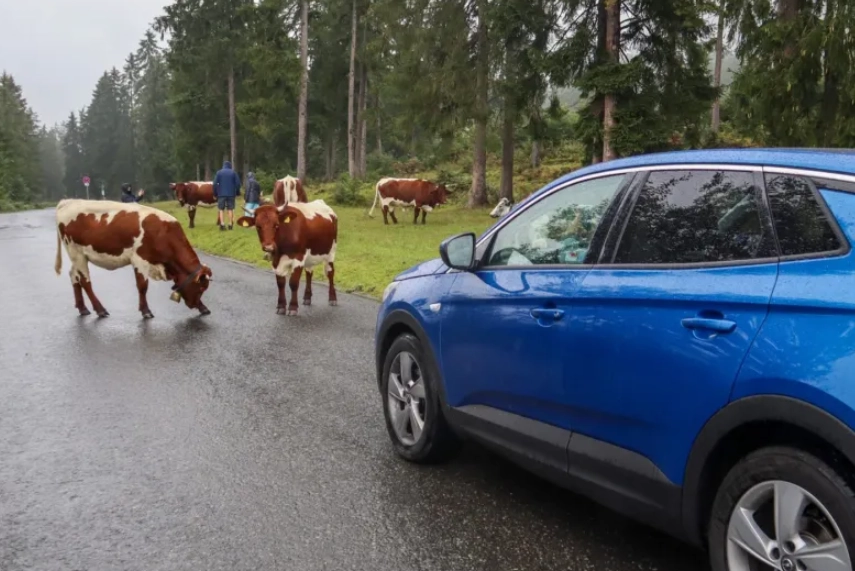
Watch Out: Never park in spots marked for residents (Bewohner mit Parkausweis), in front of driveways (Einfahrt freihalten), or where the curb is yellow or red. Towing is fast and expensive.
Navigation & Communication Tips
Google Maps or Apple Maps work well in Germany. However, always download offline maps for the regions you'll be driving in. Mobile data can drop in rural areas and forests like the Black Forest or Bavarian Alps.
Learn a few key road sign words: Einbahnstraße (one-way street), Umleitung (detour), Gefahr (danger), Baustelle (construction site).
For traffic information, tune your radio to local stations or look for dynamic signs on the Autobahn. The official traffic info website is Bundespolizei (Federal Police).
Unwritten Driving Etiquette
Germans are disciplined drivers. The left lane on the Autobahn is strictly for passing. After you pass, signal right and move back to the middle or right lane. Lingering in the left lane will earn you aggressive flashing headlights from behind.
At traffic lights, be ready to go the instant it turns green. Hesitation will get you a honk.
On country roads, if a faster local car is behind you, it's polite to use a turnout to let them pass when it's safe.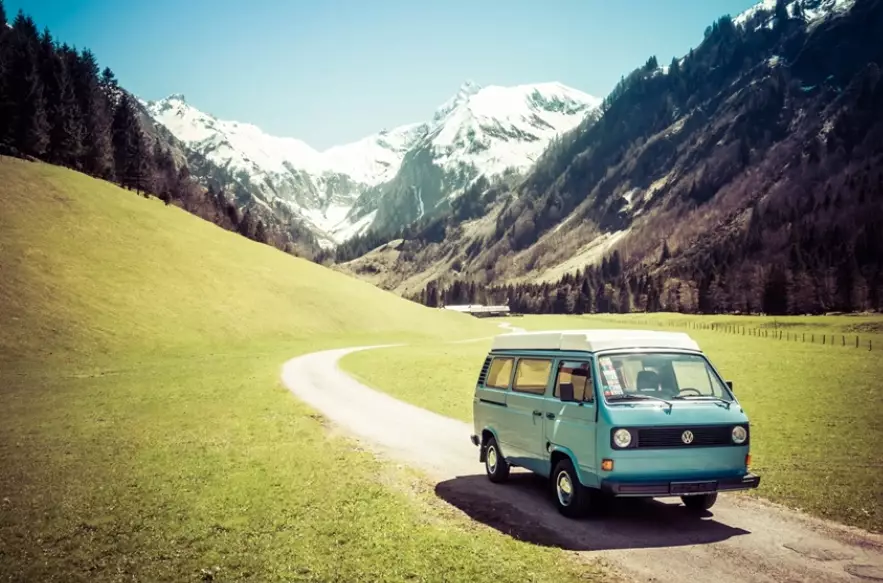
A 7-Day Driving Itinerary Idea
Here's a relaxed loop from Frankfurt, perfect for a first-time driving tour.
Day 1-2: Pick up car in Frankfurt. Drive south along the Rhine River (B9 road) to Rüdesheim. Visit castles, stay in a riverside town like Bacharach.
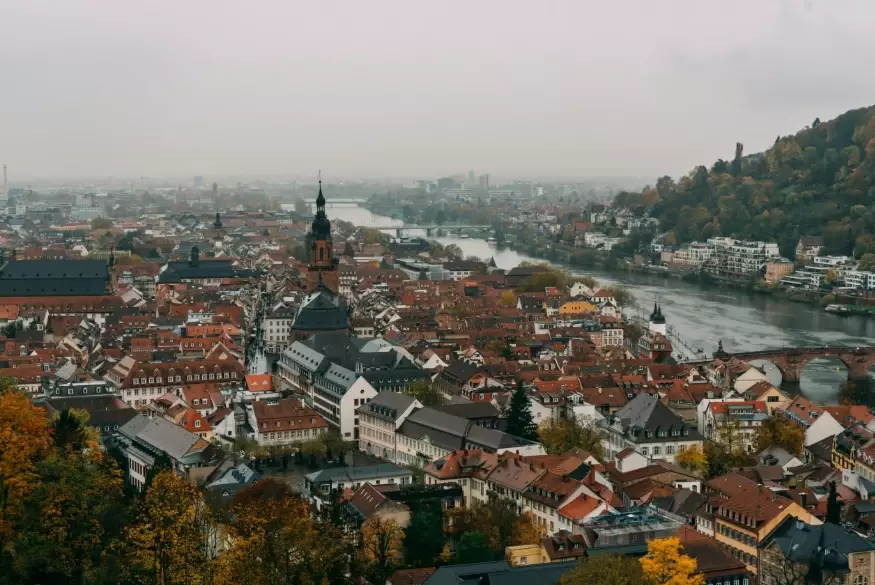
Day 3: Drive to Heidelberg (1.5 hrs). Park at a Parkhaus outside the old town, explore the castle.
Day 4-5: Head into the Black Forest via Baden-Baden. Drive the Schwarzwaldhochstraße (B500) scenic route. Stay in Triberg to see the waterfalls and cuckoo clocks.
Day 6: Drive to the university town of Freiburg im Breisgau. Explore the Münster and vibrant market.
Day 7: Return to Frankfurt via the Autobahn A5 (approx. 3 hours). Drop off the car.
Top 5 Tourist Driving Mistakes
- Not having an IDP or translation for a non-EU license.
- Running a red light at a pedestrian crossing. The light turns yellow for a very short time. If you're close, you must stop.
- Ignoring the right-before-left rule in residential areas.
- Parking without a valid ticket or disc in a regulated zone. Fines start at €20.
- Driving in the left lane on the Autobahn when not actively passing.
Emergency & Breakdown Information
General Emergency: Dial 112 (Europe-wide). For police only, dial 110.
Breakdown on the Autobahn: Pull over as far right as possible onto the hard shoulder (Seitenstreifen). Turn on your hazard lights. Put on the reflective safety vest (should be in the car) before you get out. Place the warning triangle 100-200 meters behind your car. Call the ADAC breakdown service (the number will be in your rental contract) or the general breakdown number 0180 2222222.
Never attempt repairs on the Autobahn yourself unless it's a simple tire change in a safe spot.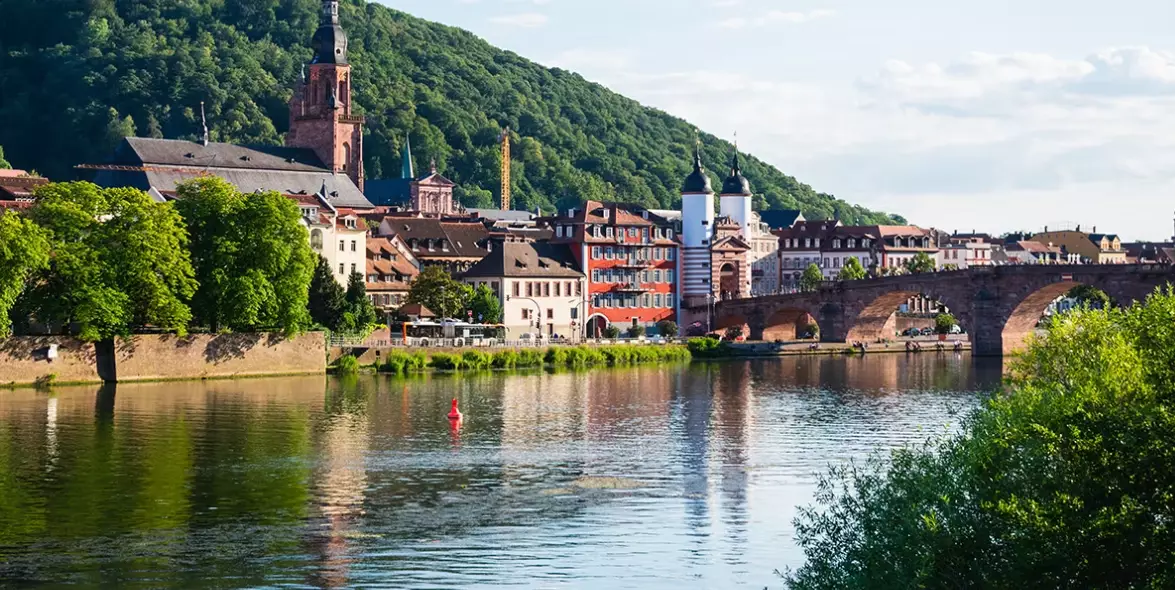
Your Driving Questions Answered
 What's the deal with diesel cars in Germany?
Final Thoughts
Driving in Germany as a tourist is an incredible experience that offers unmatched freedom. The key is preparation. Get your documents in order, understand the core rules—especially speed limits and right-of-way—and respect the local driving culture. Don't let the Autobahn myth scare you; most of the time, you'll be cruising through stunning countryside on well-maintained roads. Plan your parking in cities, download your maps, and then enjoy the ride. There's nothing quite like finding your own hidden Gasthof for lunch or watching a castle appear around a bend in the road, all on your own schedule. Have a great trip, and drive safely (Fahrt sicher)!