Quick Navigation
Let's be honest. If you're reading this, you've probably heard the name "Bayreuth Festival" whispered in hushed, almost reverent tones in opera circles. Maybe a friend came back from Germany utterly transformed by the experience, or you've read about the legendary waiting lists and the sheer intensity of the event. You're curious, maybe even a little intimidated. What is this festival, really? And is it worth the notorious hassle?
I remember my first time. A friend had managed to snag a single ticket after a decade on the waiting list (yes, really). He described it not just as a series of operas, but as a pilgrimage. The town, the theatre, the audience—everything was part of the ritual. I was skeptical. It's just an opera festival, right? Well, no. It's the opera festival. The one Richard Wagner built from the ground up to stage his own epic works exactly as he imagined them. It's been running since 1876, and it's still the most exclusive, debated, and musically significant event of its kind.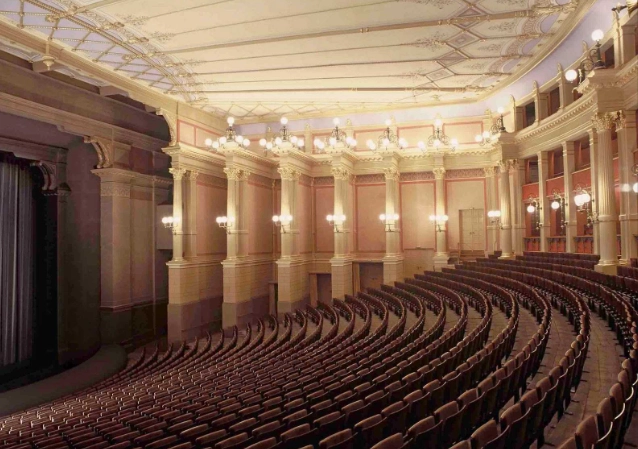
This guide isn't going to just repeat the official brochure. We're going to dig into what it's actually like. The sublime music, yes, but also the frustrating ticket system, the charming yet sleepy town of Bayreuth, the formal (and sometimes stifling) atmosphere, and the sheer endurance test of sitting through 5+ hours of German mythology. Is it for everyone? Absolutely not. But if it's for you, it might just be the most profound artistic experience you'll ever have.
What Exactly Is the Bayreuth Festival?
At its core, the Bayreuth Festival is an annual summer festival dedicated exclusively to the operas of Richard Wagner. It's not a general opera festival where you might see a Verdi or a Puccini. It's a Wagner-only zone. The composer himself founded it with a very specific purpose: to have a custom-built theatre where his massive, revolutionary music dramas could be performed under ideal conditions, away from the distractions of a regular opera house.
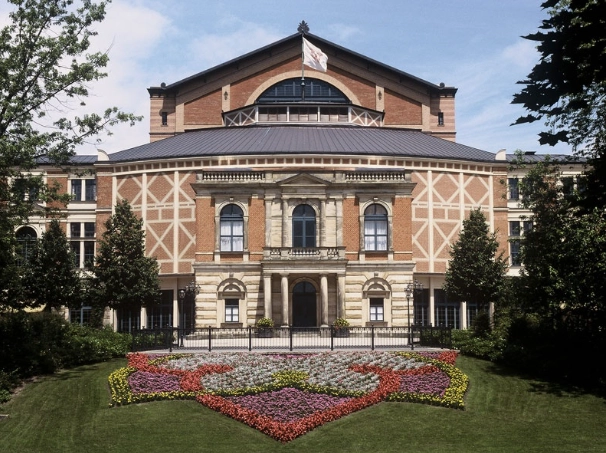
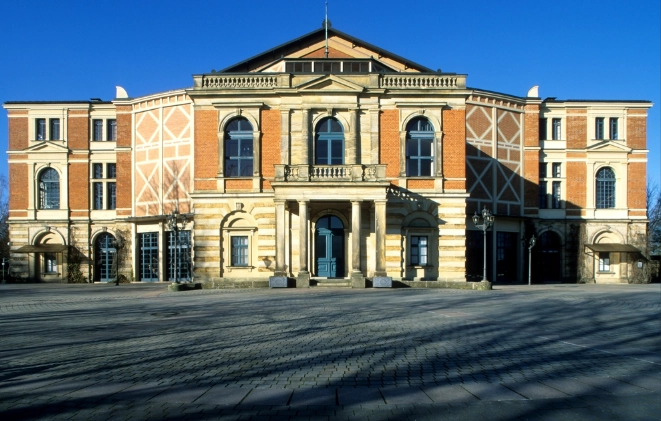
The heart of the festival is the Festspielhaus (Festival Theatre), a building Wagner designed with acoustic and aesthetic principles that were groundbreaking in the 19th century and still feel unique today. The most famous feature? The sunken orchestra pit, often called the "mystic abyss." It's covered, so the sound washes over the audience without seeing the musicians, creating that immersive, wall-of-sound effect Wagner was after. You don't just hear the music; you feel it in your bones.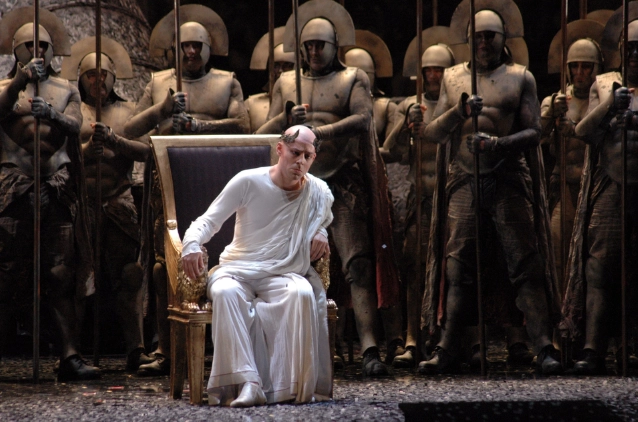
The festival typically runs for about five weeks from late July to the end of August. Each season features a selection from Wagner's canon of mature works, often centering on a new production of one of his operas that will then stay in the repertoire for a few years. The big ones—the four-opera Ring of the Nibelung cycle, Tristan und Isolde, Parsifal—are the main attractions.
A Bit of History: Why Bayreuth?
Wagner didn't pick Bayreuth by accident. He needed a place distant from the established cultural capitals (and their critics), where he could have total control. He also needed funding, which came famously from his patron, King Ludwig II of Bavaria. The town offered him land and a blank slate. The first festival in 1876 premiered the complete Ring cycle. Giants like Franz Liszt and Pyotr Ilyich Tchaikovsky were in the audience.
After Wagner's death in 1883, his wife Cosima, and later his son Siegfried, took over, turning it into a family dynasty. Then came the dark chapter: under Wagner's English-born daughter-in-law, Winifred, the festival became closely entangled with the Nazi regime. Adolf Hitler was a personal guest and a huge admirer. This history is an inescapable shadow that the festival still grapples with today. Post-World War II, Wagner's grandsons, Wieland and Wolfgang, worked to reclaim the festival's artistic purpose, pioneering abstract, "New Bayreuth" productions that focused on the universal, psychological aspects of the works, deliberately moving away from any nationalist imagery.
Today, the festival is run by a foundation, with members of the Wagner family still involved in artistic decisions. It's a place where tradition and avant-garde experimentation constantly clash. You can read a detailed chronicle of this complex history on the official Bayreuth Festival website, and for a critical perspective on its 20th-century struggles, the New York Times archives often feature insightful reviews and essays.
It's messy, it's complicated, and you can't really separate the art from the history. That's part of the Bayreuth experience.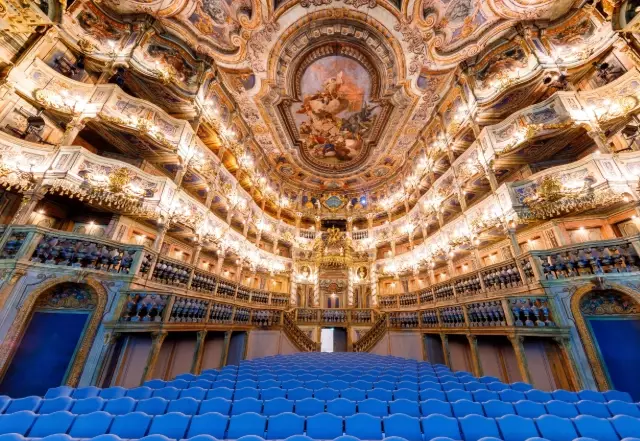
The Million-Dollar Question: How to Get Bayreuth Festival Tickets
Alright, let's get to the practical nightmare—I mean, challenge. Getting tickets is famously difficult. The demand vastly, almost comically, exceeds supply. The auditorium only seats about 1,925 people. Many of those seats are held by long-term patrons, sponsors, and members of the Society of Friends of Bayreuth. What's left for the general public is fiercely contested.
The Official Routes
You have a few main avenues, each with its own pros and cons.
| Method | How It Works | Wait Time / Success Chance | My Honest Take |
|---|---|---|---|
| Online Public Sale | A mad dash on the festival website on a specified day in October (for the following summer). It's a virtual queue system. | Extremely low. The site crashes, tickets sell out in minutes for popular shows. | It's a lottery. Have multiple devices ready, be logged in early, and target less popular works (like Der Fliegende Holländer) or weekday performances. |
| Postal Application | You mail a paper order form (available on the website) during a specific window. Old-school but still used. | Low, but some swear by it as it's less tech-dependent. | Feels quaint. If you're not in Europe, postage and timing are tricky. I've never known it to work for a first-timer. |
| The Waiting List | You submit a written request to be added to the infamous waiting list. You're not buying a ticket, you're asking for the chance to buy one in the future. | Reportedly 7-13 years. Yes, years. | This is the legendary route. Do it if you're young and serious. It's a commitment to future you. Write a sincere letter explaining your interest. |
| Tour Packages | Specialist opera travel agencies buy blocks of tickets and sell them as part of expensive travel packages (hotel, tours, tickets). | High—if you can afford it. | The most reliable method for mere mortals. It's pricey, but it removes the stress. Companies like official German tourism partners sometimes offer vetted packages. |
| Last-Minute Returns | Standing in line at the box office in Bayreuth on the day of a performance for returned tickets. | A gamble. Can require queuing for hours. | For the spontaneous and persistent. I've met people who got lucky this way. Bring a folding stool, a book, and hope. |
My advice? If you're serious about going within the next few years, budget for a tour package. It's the least painful way. If you're a student, investigate youth programs—the festival sometimes offers heavily discounted tickets to young people.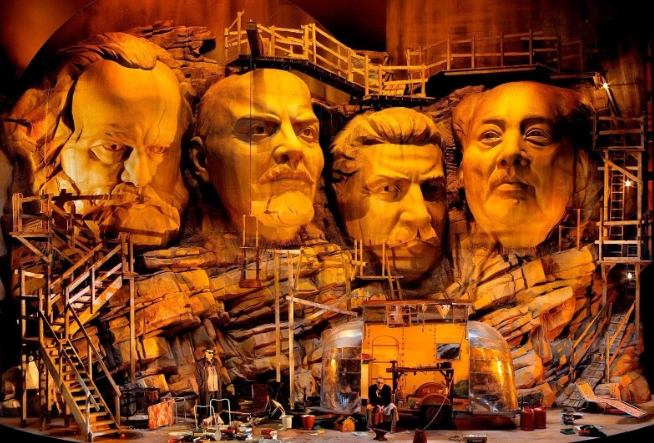
Planning Your Trip: More Than Just the Opera
Okay, let's say you've miraculously secured a ticket to the Bayreuth Festival. Congratulations! Now, where do you stay? What do you wear? What do you do between the five-hour acts?
Where to Stay in Bayreuth
Bayreuth is a small, picturesque town in Franconia, northern Bavaria. During the festival, it's packed. Book your accommodation the second you have a ticket confirmation, or even before if you're gambling on returns.
- Hotels in Town: Convenient but expensive and booked solid a year ahead. The Goldener Anker is historic and right in the thick of things.
- Guesthouses & Pensions: A better chance of finding something. Look for places a 15-20 minute walk from the Festspielhaus.
- Private Rentals (Airbnb): Often the best value, but be quick.
- Stay Further Afield: Consider towns like Pegnitz or even Nuremberg (about an hour by train). You'll commute, but you'll have more options and might save money. The German rail (DB) website is your friend for planning.
The All-Important Dress Code
This causes more anxiety than it should. The official line is "evening attire" or "festive clothing." In practice:
- For Men: A dark suit is the absolute minimum. Most wear tuxedos or dinner jackets, especially for premieres and Parsifal. A tie is non-negotiable. I saw a guy turned away at the door once for wearing a nice blazer with no tie—they lent him a hideous spare from a lost-and-found box.
- For Women: Cocktail dresses, evening gowns, or elegant trouser suits. It's formal. Think wedding-guest formal or nicer.
Surviving the Marathon: Food and Breaks
Performances start early, often at 4 or 5 pm. There's usually one long intermission (over an hour).
- Eat a Big Late Lunch: You won't want to be hungry during Act II.
- Festspielhaus Catering: You can pre-book a simple meal (cold plates, sandwiches) to eat during the break. It's efficient but not gourmet. Book it with your ticket.
- Picnic on the Hill: The classic Bayreuth experience. Hundreds of people bring elaborate picnics—champagne, linen cloths, the works—and dine on the grassy hill behind the theatre. It's social and beautiful. You can buy pre-made baskets from local caterers in town.
- Dinner After: Restaurants in town stay open late for the post-opera crowd. Reserve a table ahead of time.
What You'll Actually See and Hear: The Repertoire
The festival's program revolves around Wagner's later works. Here’s a quick rundown of what's usually in the mix, from most to least frequently staged.
- Der Ring des Nibelungen (The Ring Cycle): The big one. Four operas (Das Rheingold, Die Walküre, Siegfried, Götterdämmerung) totaling about 15 hours of music. They are usually performed over four days in a row. A Ring cycle at Bayreuth is the ultimate pilgrimage. The production is always a major event, dissected by critics worldwide.
- Parsifal: Wagner's final work, conceived specifically for the acoustics of the Festspielhaus. It's a sacred festival drama, traditionally only performed at Bayreuth until 1914. It has a unique, solemn atmosphere.
- Tristan und Isolde: The opera that changed music forever. A searing, intense story of love and death. The prelude alone is worth the trip.
- Die Meistersinger von Nürnberg: Wagner's only comedy. Long (over 5 hours) but warm and human. Often has stunning, detailed sets.
- Lohengrin & Tannhäuser: Earlier, more conventionally "romantic" works, but still massive in scale. Great entry points if the Ring feels too daunting.
- Der Fliegende Holländer (The Flying Dutchman): The shortest of the canon (often under 2.5 hours with no interval). A good option if you want to test the waters with a single, powerful drama.
The productions themselves can range from traditional (knights, castles) to wildly abstract (space stations, post-apocalyptic landscapes, minimalist psychological spaces). Directors are given huge creative freedom, which leads to booing at the curtain calls as often as cheering. That's part of the fun—the audience is passionately engaged.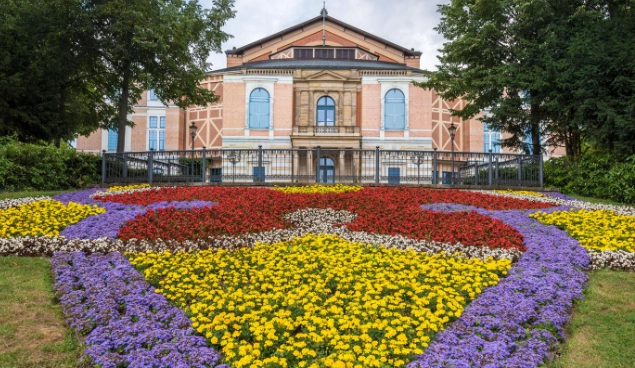
Let's tackle the stuff you're actually wondering but might not find in a stuffy program note.
Final Thoughts: Is the Bayreuth Festival For You?
Let's cut to the chase. The Bayreuth Festival is not a casual night out. It's a logistical puzzle, a financial commitment, and a test of physical endurance. The atmosphere can feel elitist, the traditions rigid. You might see a production you hate and hear people booing lustily.
But.
When the lights dim in that unique theatre, and the first notes rise from the mystic abyss, wrapping around you in the near-darkness, it's magic. You are hearing Wagner's music in the space he built for it, performed by the world's greatest Wagnerian singers and conductors. The collective focus of the audience is palpable. It's a deep, serious, and ultimately thrilling engagement with art on its grandest scale.
If you love opera, particularly German Romantic opera, it's a bucket-list item for a reason. If you're curious but unsure, try seeing a Wagner opera at a great house like the Met or the ROH first. If you get through that and want more—more intensity, more immersion, more history—then start plotting your Bayreuth journey.
Good luck with the tickets.