Let's be honest. When you think of a German vacation, Frankfurt am Main isn't usually the first city that springs to mind. It's often labeled a sterile banking hub, a mere transit point. I thought the same on my first visit a decade ago, rushing from the airport to a train headed elsewhere. But staying for a weekend changed my mind completely. The question "Why visit Frankfurt Germany?" deserves a deeper look. This city delivers a punchy, concentrated dose of everything that makes Germany fascinating: a skyline that rivals Manhattan (hence the nickname "Mainhattan"), a meticulously restored medieval old town, world-class museums lining the river, and an authentic, down-to-earth apple wine tavern culture that most tourists completely miss. It's a city of fascinating contrasts, incredibly easy to navigate, and packed with genuine experiences far from the typical tourist trail.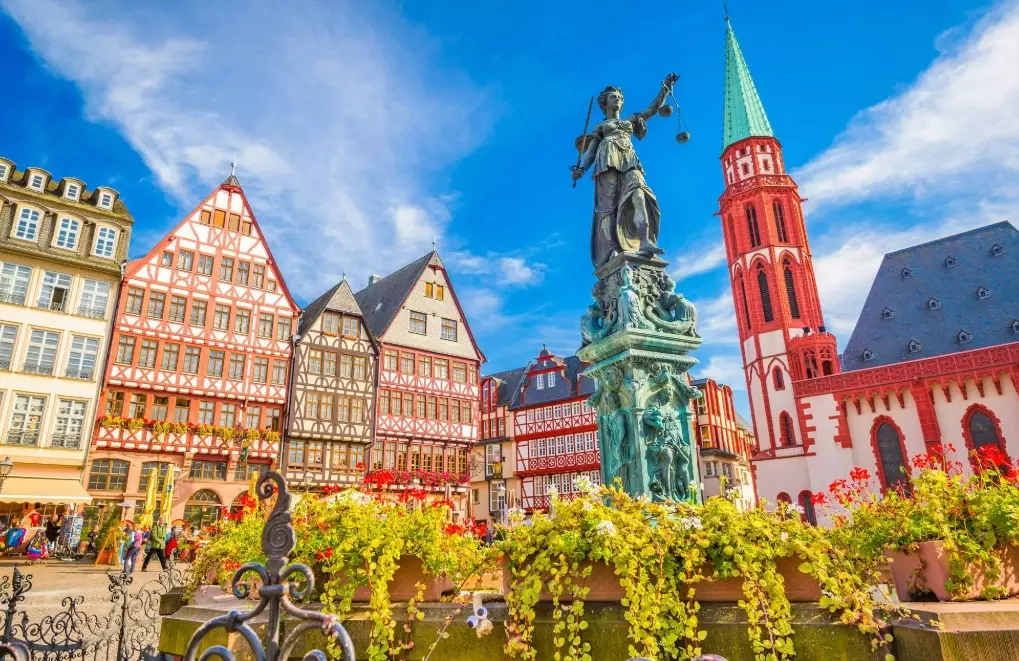
Your Frankfurt Journey at a Glance
The Skyline and Financial District: More Than Just Banks
Yes, it's the financial heart of continental Europe. The European Central Bank is here. But writing off this area as just a place for suits is a major mistake. The forest of skyscrapers creates a unique visual identity you won't find anywhere else in Germany. It's a photographer's dream, especially at sunset.
How to Get the Best View of the Frankfurt Skyline?
Everyone goes to the Main Tower observation deck. It's good, but pricey (€9 for adults). My preferred, cost-effective method is a two-part approach. First, walk across the Eiserner Steg (Iron Footbridge) from the old town. The view back towards the skyscrapers is iconic and free. Second, for a panoramic view with the old town included, take the U-Bahn to the Lokalbahnhof station and walk a few minutes to the Gerbermühle restaurant area on the south bank of the Main. You get a stunning, unobstructed postcard view without the crowds.
Römerberg & The Old Town: A Phoenix from the Ashes
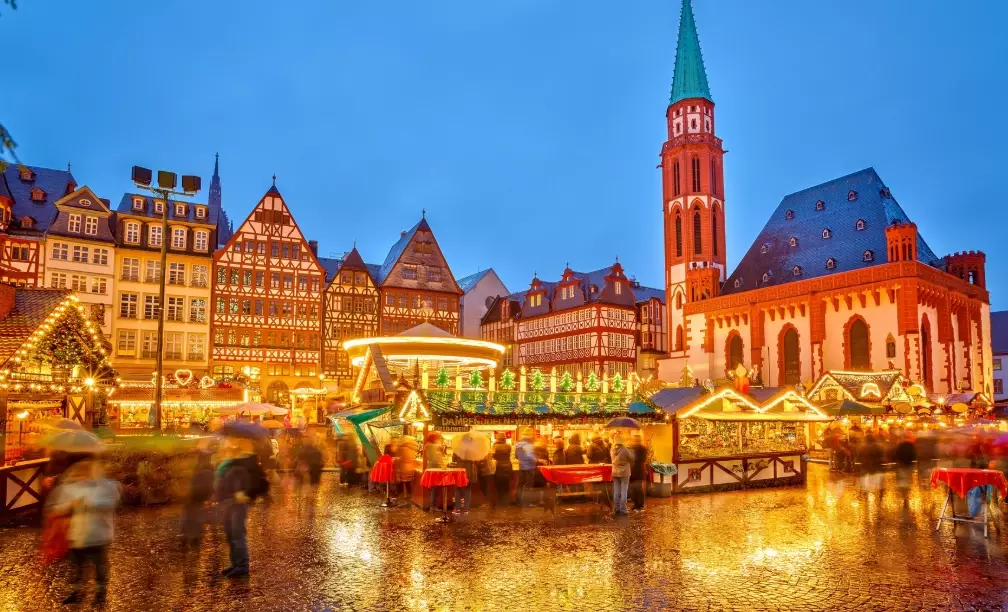
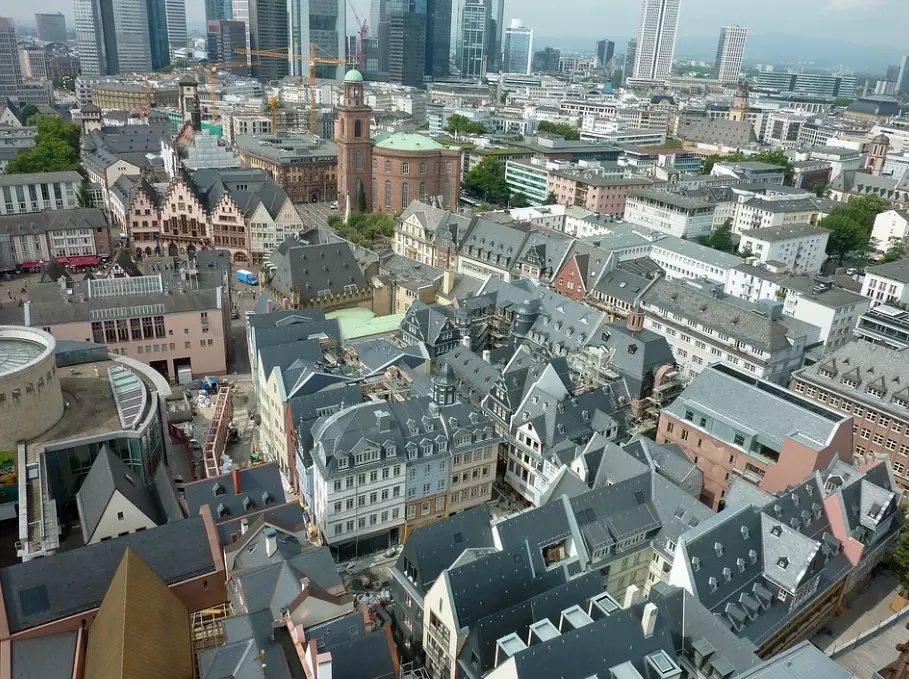
This is where Frankfurt's soul lives. The Römerberg square, with its picturesque timber-framed houses and the Römer town hall, looks straight out of a fairy tale. Here's the non-consensus part: most of it is a brilliant, historically accurate reconstruction completed only in 2018. WWII bombing raids destroyed over 70% of the city center. What you see is a testament to the city's determination to reclaim its history. Some purists scoff, but I find the result breathtaking and respectful.
Don't just snap a photo and leave. Wander the adjacent lanes. Visit the Kaiserdom St. Bartholomäus (Imperial Cathedral), where Holy Roman Emperors were elected. For a small fee (€4), you can climb the tower for another great view over the red rooftops. The Historisches Museum (Historical Museum) right on the square provides crucial context about the city's destruction and rebirth.
Frankfurt's Food & Drink: Beyond the Sausage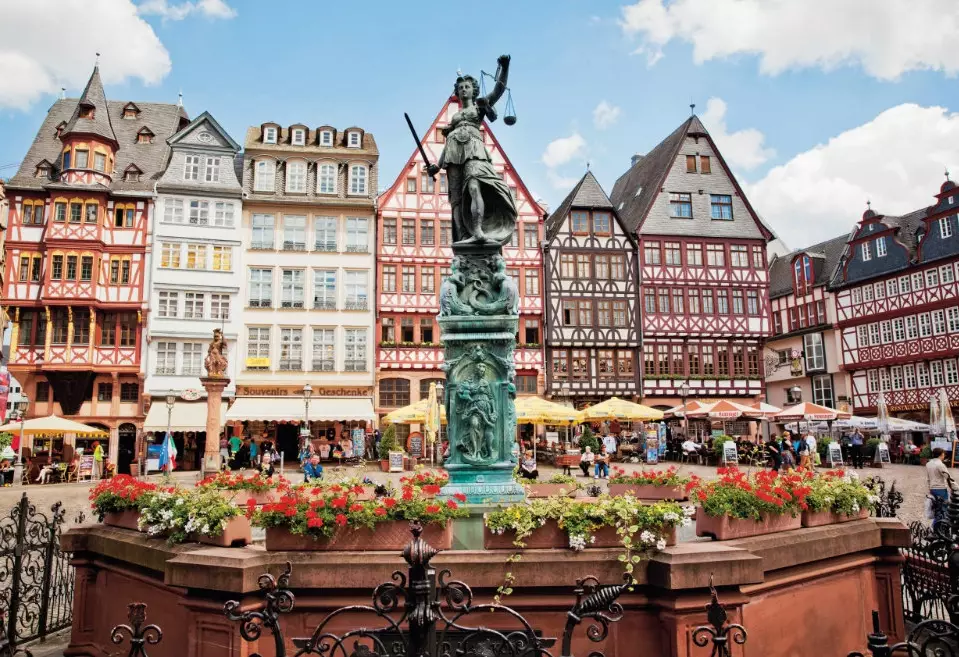
You've heard of Frankfurter Würstchen. But the local cuisine is heartier and more diverse. The absolute must-try is Grüne Soße (Green Sauce), a cold herb sauce made with seven specific herbs, served with boiled potatoes and eggs. It's a fresh, unique taste of spring and summer.
The real social lubricant, however, is Apfelwein (apple wine). This tart, slightly cloudy cider is Frankfurt's beer. To experience it authentically, you must head to a traditional Apfelweinwirtschaft in the Sachsenhausen district, south of the river. Avoid the overly touristy places directly on the riverfront. Go one street inland.
Zum Gemalten Haus is my longstanding recommendation. It's been run by the same family for generations. Address: Schweizer Straße 67. No fancy menu, just solid local food. Order a Bembel (the traditional stoneware jug) of Apfelwein, a plate of Handkäs mit Musik (sour cheese with onions in vinegar – an acquired taste!), and maybe a Rippchen mit Kraut (cured pork chop with sauerkraut). Expect to pay €15-25 for a hearty meal. It's loud, communal, and utterly genuine.
| Dish/Drink | What It Is | Where to Try It (Area) | Approx. Cost |
|---|---|---|---|
| Grüne Soße | Cold herb sauce with eggs & potatoes | Traditional restaurants city-wide | €10-14 |
| Apfelwein | Traditional tart apple wine | Sachsenhausen taverns | €3-4 per 0.3L |
| Frankfurter Würstchen | Long, thin smoked pork sausage | Any good butcher or market stall | €2-3 each |
| Bethmännchen | Marzipan pastry (Christmas market special) | Christmas markets & bakeries | €1-2 each |
Culture Along the Museumsufer (Museum Embankment)
Frankfurt punches far above its weight in museums. A dozen major institutions line the south bank of the Main River, creating the famous Museumsufer. You could spend a week here. Don't try to see them all. Pick two that match your interests.
Städel Museum is the star. Its collection spans 700 years of European art, from Dürer and Rembrandt to Bacon and Richter. The underground extension holding the modern art is an architectural marvel. Adult ticket is €18, but it's worth every cent. Plan for at least 3 hours.
For something uniquely Frankfurt, try the Museum für Kommunikation (Museum of Communication). It's interactive, fascinating for all ages, and tells the story from postal coaches to the internet. It's a refreshing break from paintings and sculptures.
A major tip: many museums have reduced or free entry on the last Saturday of the month ("Satourday"). Check the official Museumsufer Frankfurt website for current offers and opening times, which often change.
Getting Around & A Practical 3-Day Itinerary
Frankfurt Airport (FRA) is a major European hub, and the city center is just 15 minutes away by regional train (S-Bahn lines S8 or S9). The central train station (Hauptbahnhof) is well-connected to all of Europe. Once in the city, the public transport network (RMV) of U-Bahn, trams, and buses is excellent and efficient. A day ticket for the inner city zone costs around €7 and is your best bet.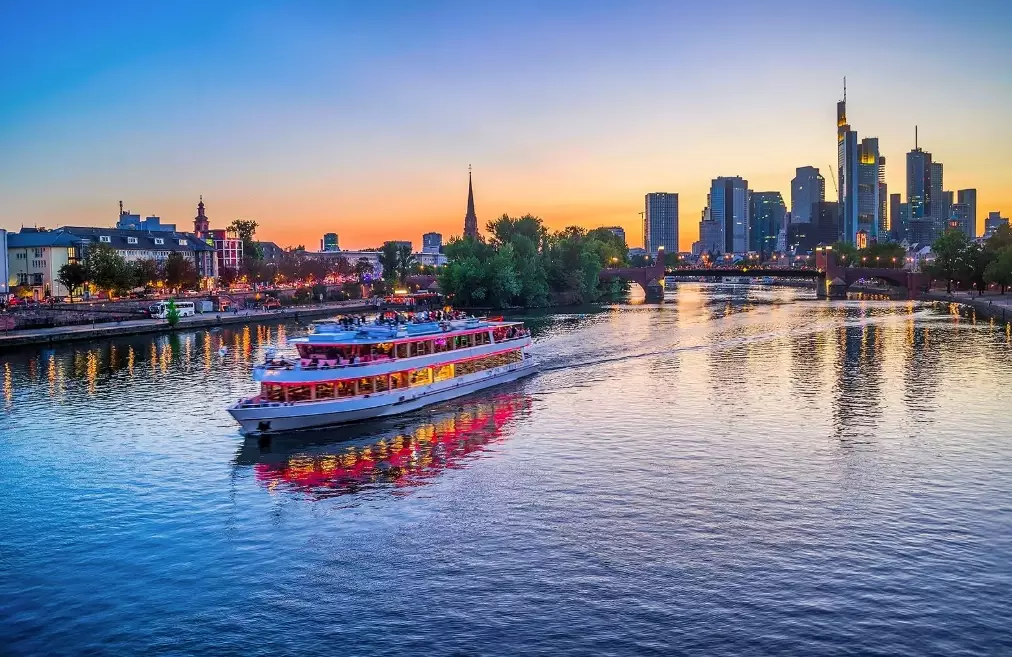
A Realistic 3-Day Frankfurt Itinerary
This plan balances sights, culture, food, and avoids burnout.
Day 1: History & Skyline. Start at the Römerberg. Explore the square, visit the Kaiserdom. Walk across the Eiserner Steg for skyline photos. In the afternoon, visit the Historisches Museum. Evening: Dinner in a Sachsenhausen apple wine tavern.
Day 2: Culture & Modernity. Morning at the Städel Museum. Walk along the Museumsufer. Afternoon: Visit the Main Tower observation deck (book in advance if possible). Later, explore the shopping streets like Goethestraße (high-end) or Zeil (mainstream).
Day 3: Local Life & Departure. Visit the Kleinmarkthalle indoor market. It's a feast for the senses with food stalls, butchers, and cheese shops. Grab lunch here. Spend your final afternoon on a relaxed river cruise or exploring the Palmengarten botanical gardens if the weather is nice.
Frankfurt Travel FAQ: Your Questions Answered
 I only have one day in Frankfurt. What's the single most important thing to do?
So, why visit Frankfurt Germany? It's not a city that tries to be quaint or cute. It's confident, layered, and efficient. It offers the thrill of a modern metropolis and the charm of a historic town, all in a compact, walkable area. You get world-class culture, surprisingly green spaces like the Stadtwald (city forest), and an authentic local scene that hasn't been completely overrun by tourism. It's a gateway that deserves to be a destination. Give it two days, and you might just find yourself planning a return trip.