You're planning a trip to Germany and Frankfurt is on the list. Maybe it's a layover, a business hub, or the start of a Rhine Valley adventure. The question pops up: how many days in Frankfurt is enough? Most generic guides will give you a one-size-fits-all answer, usually "two days." I've lived here for years, and that's often wrong. The truth depends entirely on what you want. A frantic 24-hour dash between the airport and the old town? A relaxed long weekend soaking up museums and apple wine? Or using Frankfurt as a base to explore castles and vineyards? Let's cut through the noise. I'll give you specific, actionable itineraries for different trip lengths, tell you what you can realistically see, and share the local secrets most visitors miss because they don't stay long enough.
Your Frankfurt Trip at a Glance
- How Many Days Do You Really Need? The Core Question Answered
- The 24-Hour Blitz: Maximizing a Single Day in Frankfurt
- The Classic 48-Hour Weekend: Digging Deeper
- The Perfect 72 Hours: Unlocking Frankfurt's Best
- Staying Longer? Day Trips That Change the Game
- Frankfurt Trip Planning: Your Questions Answered
How Many Days Do You Really Need? The Core Question Answered
Here's the straight talk. Frankfurt am Main is a city of contrasts—skyscrapers and timber-framed houses, global finance and cozy cider pubs. Your ideal stay duration hinges on your travel style.
One Day (24 Hours): This is for the layover or the extremely time-pressed. You can see the iconic postcard sights: the Römerberg square, walk across the Eiserner Steg bridge, and get a skyline view. It's a tasting menu, a quick impression. You'll leave knowing what Frankfurt looks like, but not how it feels. Perfect if you're connecting flights or en route to another destination.
Two Days (A Weekend): This is the sweet spot for most first-time leisure visitors. It allows you to cover the historic center and dive into one major cultural area, like the Museum Embankment (Museumsufer). You can have a proper evening in Sachsenhausen, the apple wine district. You won't feel rushed. This is the "classic Frankfurt experience."
Three Days (A Long Weekend): This is where Frankfurt starts to shine. You get the depth of two days, plus time to explore a unique neighborhood beyond the center (like the trendy Nordend or the upscale Westend), visit a second cluster of museums, or take a half-day trip to nearby Höchst with its charming old town. You move from tourist to temporary local.
Four Days or More: You're not just visiting Frankfurt; you're using it as a base. With this time, you can integrate fantastic day trips to the Rhine Valley, Heidelberg, or the Rheingau wine region. This approach combines urban energy with Germany's famous scenic and cultural day trips.
A Local's Tip: Many travelers make the mistake of booking a hotel right next to the Hauptbahnhof (main station) because it seems convenient. That area can be gritty, especially at night. For a better experience, look for accommodation in the city center (Innenstadt), near the opera (Alte Oper), or in Sachsenhausen. The public transport (U-Bahn, S-Bahn) is excellent and will get you anywhere quickly.
The 24-Hour Blitz: Maximizing a Single Day in Frankfurt
You have one day. Let's make it count. This assumes you start fresh in the morning, perhaps from a centrally located hotel.
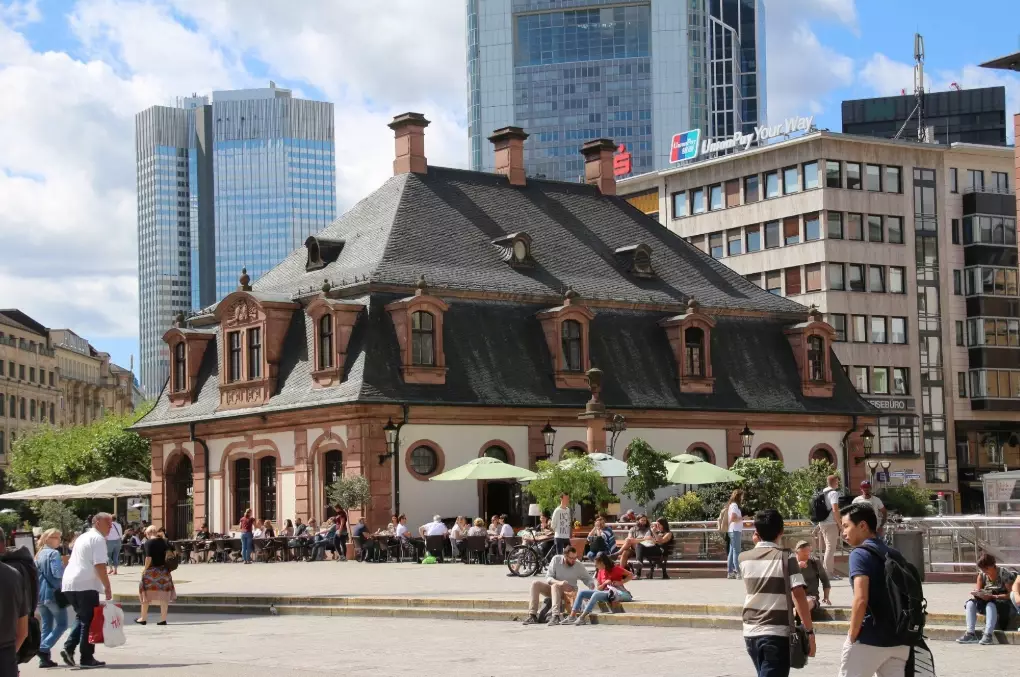
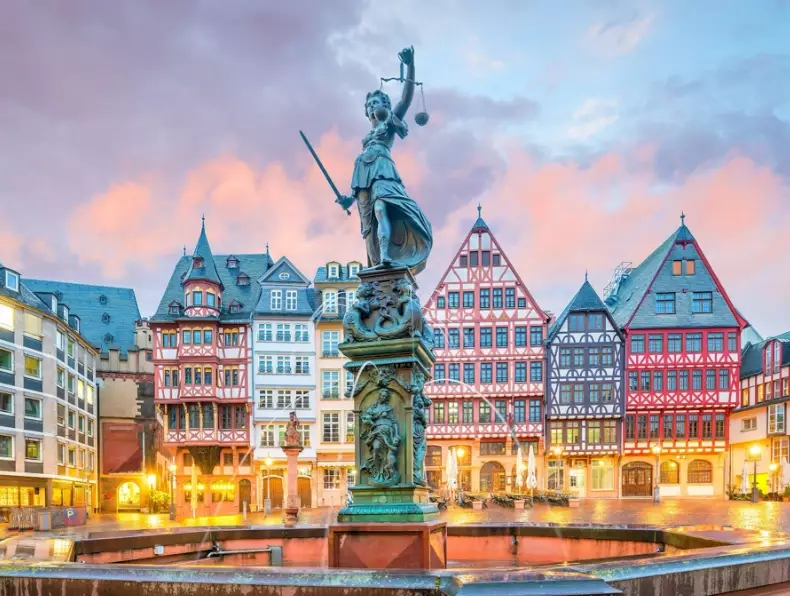
Morning (9:00 AM - 12:30 PM): The Historic Heart. Start at the Römerberg, Frankfurt's picturesque old square. Don't just snap a photo of the Römer town hall—walk into its courtyard (free). Then, head to the Kaiserdom (Frankfurt Cathedral), a 14th-century Gothic church. For a small fee (€4), you can climb the tower for a great view over the old town rooftops. Next, walk five minutes to the Hauptwache, a central plaza with a historic guardhouse. Underneath it is a major U-Bahn hub, but we're staying above ground. From here, stroll down the Zeil, Frankfurt's main shopping street. If you're into shopping, peek into the MyZeil mall for its insane architecture. If not, just absorb the city buzz.
Afternoon (12:30 PM - 4:00 PM): Culture & Skyline. Walk or take a short tram ride to the Museumsufer. With only one day, you have time for one major museum. My pick for a unique Frankfurt story is the Städel Museum (Schaumainkai 63). Its collection spans 700 years of European art. Adult entry is €18, and it's open 10 am-6 pm (until 9 pm on Thurs/Fri). Spend 2 hours here. Afterwards, cross the Eiserner Steg (Iron Footbridge), the love-lock bridge, for classic skyline photos back towards the banking district.
Evening (4:00 PM onwards): Apple Wine & Departure. Cross the river into Sachsenhausen. Wander the cobbled streets of the "Alt-Sachsenhausen" district. For an authentic Apfelwein (apple wine) experience, skip the most tourist-trap places right on the main strip. Head to a side-street institution like Zum Gemalten Haus (Schweizer Str. 67). It's rustic, loud, and serves the good stuff in traditional blue-patterned jugs called "Bembel." Pair it with a "Handkäs mit Musik" (marinated cheese) or a hearty schnitzel. This is your true Frankfurt moment. If your flight or train is late, consider a final drink at a rooftop bar like 20up in the 25hours Hotel for a glittering night view.
The Classic 48-Hour Weekend: Digging Deeper
Two days lets you breathe. Use Day 1 as the "One-Day Blitz" itinerary above, but at a more relaxed pace. You can split the Römerberg/Museumsufer activities more comfortably. The real magic of a two-day stay is Day 2.
Your Second Day: Beyond the Postcards
Morning: Palmengarten & Senckenberg Museum. Start at the Palmengarten (Palm Garden), one of Germany's largest botanical gardens (Siesmayerstraße 61). It's a serene escape with greenhouses replicating rainforests and deserts. Entry is €8. After a peaceful stroll, it's a short walk to the Senckenberg Natural History Museum (Senckenberganlage 25). This place is a blast, especially if you're traveling with kids or are a kid at heart. It houses Europe's largest exhibition of large dinosaurs, including a T-Rex. Tickets are €12. It's a fun contrast to the previous day's art.
Afternoon: Goethe & Gourmet Delights. Head back towards the city center to visit the Goethe House (Großer Hirschgraben 23). This is the birthplace of Germany's literary giant, Johann Wolfgang von Goethe. The faithfully restored interiors give a glimpse into 18th-century bourgeois life. Entry is €10. For lunch, skip the standard sausages. Try Kleinmarkthalle, Frankfurt's incredible indoor food market (Hasengasse 7). It's a feast for the senses. Grab a sandwich at one of the stalls, sample local cheeses, or just wander. It's open Monday-Friday 8 am-6 pm, Saturday 8 am-4 pm.
Evening: A Night at the Opera (or a Cozy Pub). Take a photo of the beautiful Alte Oper (Old Opera House) on your way. Check its schedule—you might catch a concert. For dinner, explore the Berger Straße area in Nordend. It's a long street lined with independent cafes, international restaurants, and cool bars. It feels lived-in, less polished than the center. Have a final Apfelwein at a traditional pub like Apfelwein Wagner (Schweizer Str. 71) in Sachsenhausen, which has a great, sprawling garden.
The Perfect 72 Hours: Unlocking Frankfurt's Best
Three days is the gold standard. You experience the core, the culture, and the character. Here’s a consolidated 3-day plan that builds logically.
| Day | Morning Focus | Afternoon Focus | Evening Focus |
|---|---|---|---|
| Day 1: History & Skyline | Römerberg, Kaiserdom, Old Town Walk | Städel Museum on Museumsufer, Eiserner Steg crossing | Traditional Apfelwein dinner in Alt-Sachsenhausen |
| Day 2: Culture & Green Spaces | Palmengarten (Botanical Garden) | Senckenberg Museum (Dinosaurs) or German Film Museum | Dinner and drinks in the trendy Nordend district (Berger Straße) |
| Day 3: Local Life & Hidden Gems | Kleinmarkthalle (Food Market), Hauptwache area | Explore the Westend's villas & visit the European Central Bank visitor center OR take a short trip to Höchst Old Town | Farewell drink at a rooftop bar (e.g., 20up) or a final cozy pub |
The third day is your wild card. The Westend neighborhood, with its beautiful 19th-century villas and quiet streets, shows a different, affluent side of Frankfurt. Walking from the Palmengarten to the European Central Bank (you can't miss its skyscraper) takes you through this area. Alternatively, take S-Bahn line S1 or S2 (about 20 minutes) to Frankfurt-Höchst. This district has a stunning, often-overlooked medieval old town centered around the Höchst Castle and a beautiful porcelain factory. It feels like a small village plopped into the city. This is the kind of experience that separates a 3-day trip from a shorter one.
Staying Longer? Day Trips That Change the Game
If you have four or more days, dedicating one or two to excursions is a fantastic idea. Frankfurt's central location and superb rail connections make it an ideal hub.
Top Tier Day Trip: The Rhine Valley. Take a regional train (RE or RB) from Frankfurt Hauptbahnhof to Bingen or Rüdesheim (about 1-1.5 hours). From there, board one of the iconic KD Rhine river cruise ships. Sail through the UNESCO-listed Middle Rhine Valley, past countless castles (like the Pfalzgrafenstein and Loreley Rock). Get off at St. Goar to explore the massive Rheinfels Castle ruins. You can then take a train back to Frankfurt. It's a full, spectacular day. Check the KD Rhine website for current schedules and prices.
The University Classic: Heidelberg. Direct IC or regional trains reach Heidelberg in under an hour. Walk across the Old Bridge, ride the funicular up to the majestic Heidelberg Castle ruins, and get lost in the Philosopher's Walk for views. It's touristy, yes, but for good reason—it's stunning.
For Wine Lovers: The Rheingau. A 30-minute S-Bahn (S8) ride takes you to Wiesbaden, the elegant state capital, or further to Rüdesheim. This region is famous for its Riesling wines. Visit a vineyard for a tasting, explore small wine villages like Eltville, and enjoy the relaxed pace.
Transport Tip: For any of these day trips, the German Rail Pass (Deutschlandticket) is a game-changer if you're traveling within a calendar month. For €49, you get unlimited travel on all regional trains (RE, RB, S-Bahn) and local transport across Germany. A single round-trip to Heidelberg on an IC train can cost nearly that much. For regional trips like the Rhine Valley or Rheingau, it pays for itself instantly.