Quick Journey Guide
So you're planning a trip to Germany and typing "best hotel in Germany" into Google. Let me guess – you're immediately bombarded with glossy photos of five-star lobbies and infinity pools overlooking the Alps. It's overwhelming, right? I've been there. The thing is, the "best" hotel isn't a single winner-takes-all title. What's perfect for a honeymoon couple in Bavaria is a nightmare for a budget backpacker in Berlin, and a business traveler in Frankfurt has needs a family visiting the Rhine Valley couldn't care less about.
I've spent a fair bit of time traveling around Germany, from work trips to pure leisure, and I've slept in everything from questionable hostels to places where the pillow menu was longer than the actual food menu. My goal here isn't to give you one answer. It's to give you the framework to find your answer. We'll break it down by city, by travel style, by budget, and by those little things you only learn from experience (like which cities have brutal parking fees that make a hotel with a free lot the real best hotel in Germany).
First, Let's Talk Geography: Best Hotel by City
Germany isn't a monolith. Berlin feels like a different planet compared to Munich. You can't search for the best hotel in Germany without picking a spot first.
Berlin: Where History Meets Hipster
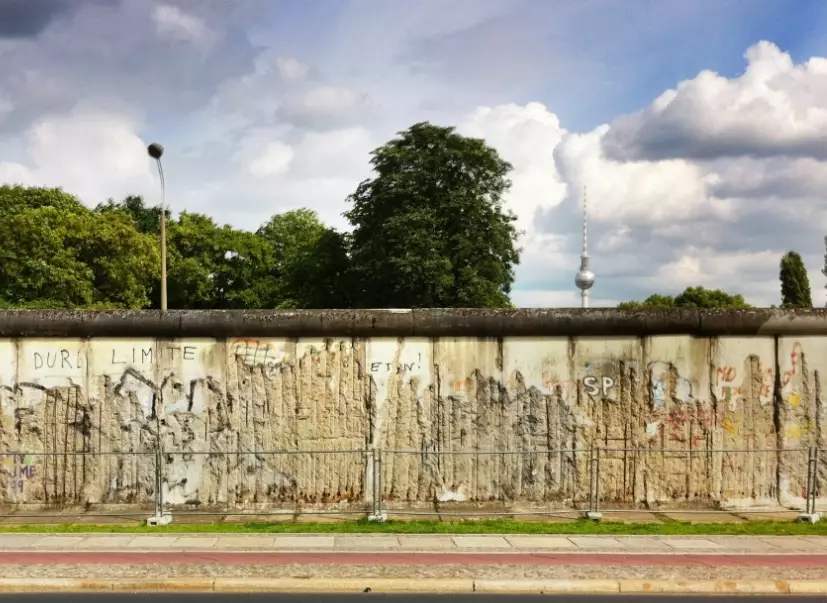
Berlin is sprawling, gritty, creative, and packed with history. Picking the wrong neighborhood can ruin your trip. For first-timers who want to be in the thick of it, Mitte is the obvious choice. It's central, walkable to major sights like the Brandenburg Gate and Museum Island. But it's also the most touristy and can feel a bit sterile at night.
My personal favorite area is Prenzlauer Berg. It's leafy, full of beautiful old buildings (Altbau), amazing cafes, and has a relaxed, local vibe. It's perfect if you want to feel like you're living in Berlin, not just visiting. Kreuzberg and Friedrichshain are for the young, the hip, and those who want a buzzing nightlife right on their doorstep – but maybe not the quietest sleep.
Munich: Bavarian Tradition with Polished Elegance
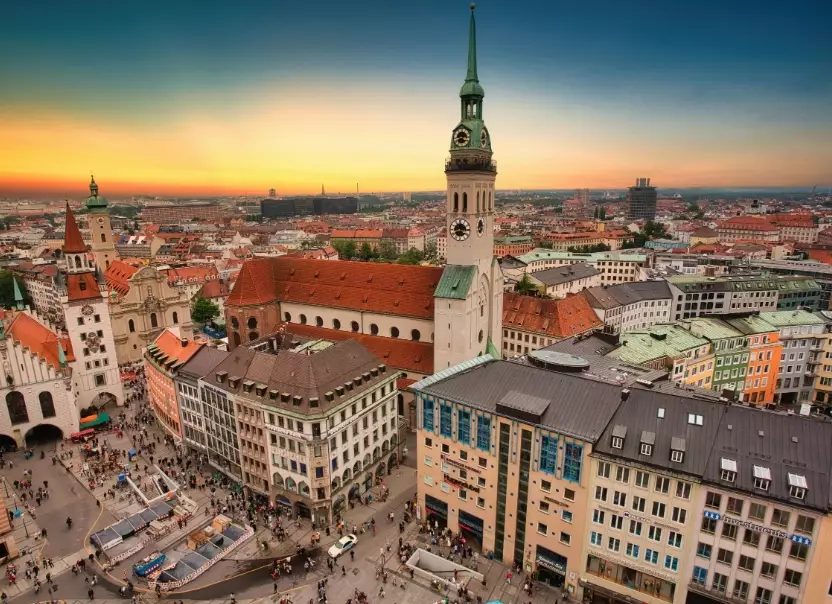
Munich is wealthy, clean, and proud of its traditions. The concept of "best hotel in Germany" often comes alive here in the form of historic grand hotels. The Altstadt (Old Town) around Marienplatz is ideal for sightseeing – you can walk to the Frauenkirche, the Hofbräuhaus, and the Viktualienmarkt. It's also the most expensive.For a slightly more local (and slightly less expensive) feel, look at hotels in Maxvorstadt, the university district. It's packed with museums, cafes, and a great energy. Schwabing is another beautiful, quieter residential area that's still well-connected.
Hamburg: Maritime Flair and Warehouse Charm
Hamburg revolves around water. The best hotels here often capitalize on views of the Alster lakes or the Elbe river. The Altstadt is good for business travelers and quick access to the Rathaus. But for a truly unique Hamburg experience, consider HafenCity, the modern harbor district with architectural marvels like the Elbphilharmonie. Staying here feels like being in the city's beating heart of innovation.
For nightlife and character, the Sternschanze and St. Pauli districts are legendary. They're vibrant, alternative, and a bit rough around the edges – not for everyone, but unforgettable if it's your scene.
Frankfurt & Cologne: Business Hubs with Hidden Gems
Frankfurt is Germany's financial capital, so it's brimming with sleek, high-rise business hotels. Most are clustered around the Hauptbahnhof (main station) and the banking district. While convenient, the area near the station can be seedy at night. For a more pleasant stay, look inland towards the Westend or Sachsenhausen neighborhoods. Sachsenhausen, on the south bank of the Main, is famous for its traditional apple wine pubs (Apfelweinwirtschaft).
Cologne is dominated by its magnificent cathedral. Hotels with a direct view of the Kölner Dom are highly sought after and priced accordingly. The Old Town (Altstadt) along the Rhine is charming but can be noisy. The Belgisches Viertel (Belgian Quarter) is a fantastic alternative, known for its independent shops, art galleries, and trendy restaurants – a great area to find a boutique hotel that could be a contender for your personal best hotel in Germany list.
Breaking Down the "Best" by Hotel Type
Now, let's categorize. Here’s a table that might help you visualize what “best” means in different contexts. This isn't about naming one specific hotel, but about understanding the categories where excellence lives.
| Category | What "Best" Means Here | Ideal For | Where to Find Them | Watch Out For |
|---|---|---|---|---|
| Luxury & Grand Hotels | Impeccable service, historic buildings, world-class spas, Michelin-starred dining. Think butlers, marble bathrooms, and legendary status. | Splurge trips, honeymoons, travelers who see the hotel as a key part of the experience. | City centers (Berlin's Hotel de Rome, Munich's Bayerischer Hof), classic spa towns like Baden-Baden (Brenners Park-Hotel). | Can feel formal/stuffy. High prices extend to minibar and breakfast. Check if the classic charm means outdated rooms. |
| Design & Boutique Hotels | Unique, curated aesthetic, strong personality, often in trendy neighborhoods. Focus on architecture, art, and creating an "experience." | Design lovers, younger travelers, couples, those wanting an Instagram-worthy stay. | Berlin (Mitte, Prenzlauer Berg), Hamburg (HafenCity), Cologne (Belgisches Viertel). | Style can sometimes outweigh comfort (e.g., hard chairs, dim lighting). Room sizes can be small. Service can be hip but less polished. |
| Business Hotels | Efficiency, reliability, great workspaces, fast WiFi, convenient locations near transport/trade fairs. Club lounges, good gyms. | Business travelers, attendees of conferences/trade fairs (like IFA or CeBIT). | Frankfurt (banking district), Düsseldorf (near Messe), Munich (near Messe München). | Can be soulless and identical worldwide. Weekends can be empty and lack atmosphere. Breakfast buffets are functional, not exciting. |
| Family-Friendly Hotels & Resorts | Spacious family rooms/connecting rooms, kids' clubs, pools, playgrounds, child-friendly menus, babysitting services. | Families with children of all ages. | Bavarian Alps (all-inclusive resorts), Baltic Sea coast, the Black Forest. Some city hotels also cater well to families. | Can be noisy. May lack sophistication for adults. Often located outside city centers, requiring a car. |
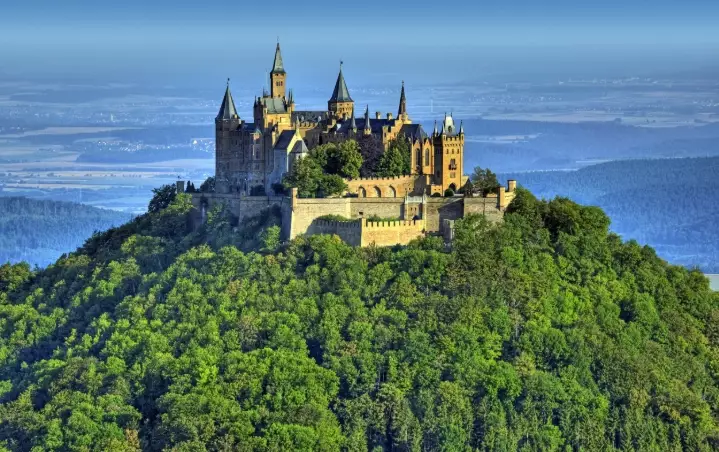
| Romantic & Castle Hotels (Schlosshotels) | Fairytale settings, historic atmosphere, seclusion, often with four-poster beds, beautiful gardens, and fine dining. | Honeymoons, anniversaries, special occasions, lovers of history and romance. | The Romantic Road (e.g., Burg Colmberg), Rhine Valley, throughout Bavaria and Baden-Württemberg. | Can be remote. Amenities may be historic (i.e., no elevator, creaky floors). Pricey. Book dinner in advance as there may be no other options nearby. |
That table should help you narrow your focus. Maybe you realize you're not a grand hotel person – you'd rather have a cool boutique spot. Or perhaps for this trip with the kids, a resort with a pool is non-negotiable, making it the best hotel in Germany for your family right now.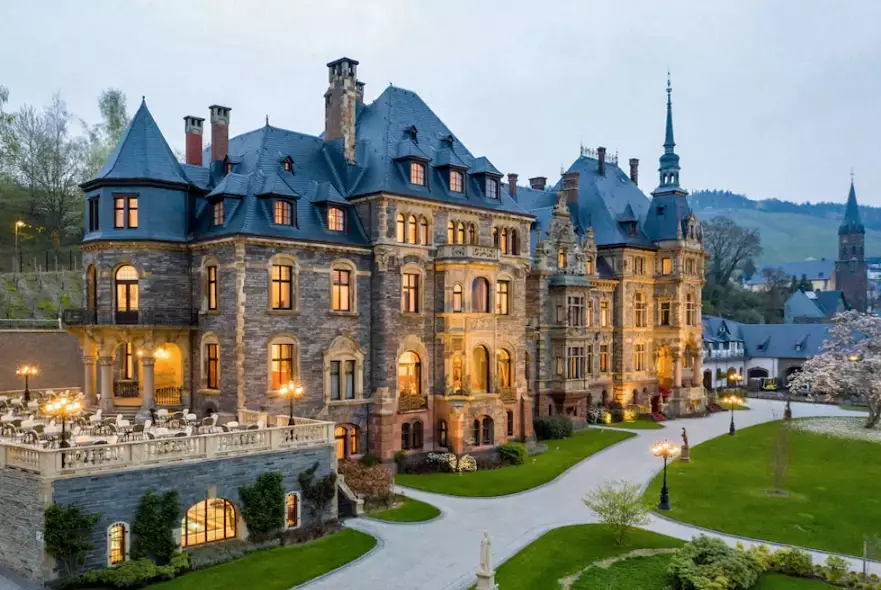
The Nitty-Gritty: What Actually Makes a Stay Great?
Beyond stars and categories, it's the details that separate a good hotel from a great one. Here’s my checklist, born from both delightful surprises and frustrating disappointments.
- The Breakfast: In Germany, this is sacred. A good German hotel breakfast is a sprawling buffet with fresh rolls (Brötchen), a selection of cheeses and cold cuts, boiled eggs, muesli, yogurt, and good coffee. The best ones add regional specialties, sparkling wine (Sekt), and have eggs made to order. A poor breakfast (stale bread, cheap jam) is a bad omen for the whole stay. I always check reviews specifically for breakfast photos.
- The Bed & Quiet: This seems obvious, but you'd be surprised. A great mattress and quality linens are worth their weight in gold. Equally important is effective soundproofing. German city centers can be loud, and old buildings transmit noise. A hotel that invests in good windows and solid walls is a hero in my book.
- The Bathroom: Is it a dreary plastic cubicle or a proper room? A powerful, always-hot shower is a must. Bonus points for quality toiletries, a magnifying mirror, and enough space for your stuff. A weak, lukewarm shower can ruin a morning.
- Wi-Fi That Actually Works: Not just "free Wi-Fi," but strong, reliable, fast Wi-Fi that reaches your room. In this day and age, it's a utility, not a perk. Business hotels usually ace this; older castle hotels… it's a gamble.
- The Staff: Can they solve a problem? Are they genuinely helpful or just going through the motions? A friendly, proactive receptionist who recommends a fantastic local restaurant you'd never find on your own can define your trip.
My Top 5 Picks Across Categories (The Subjective List)
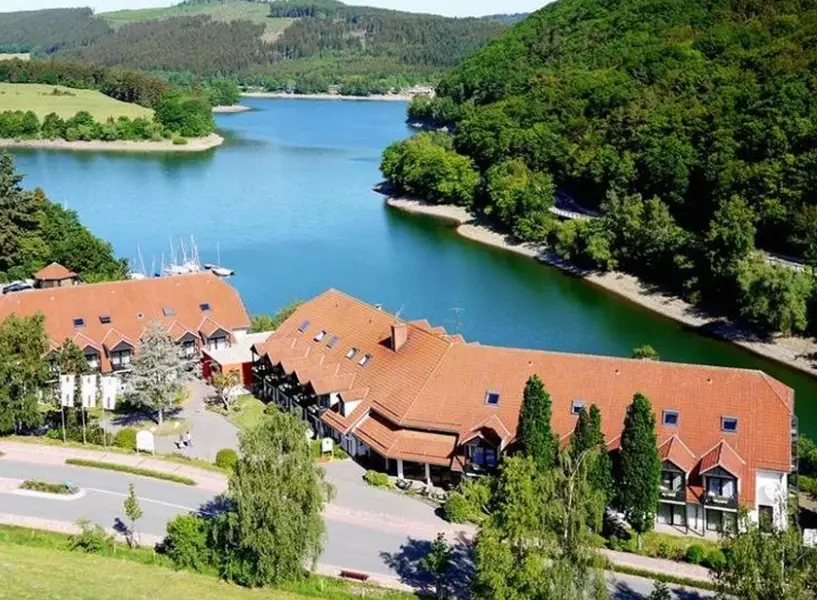
Okay, okay. You want some names. Based on my experiences, research, and conversations with other travel nuts, here are five places that consistently hit that "best hotel in Germany" feeling in their respective lanes. Remember, this is my take.
- For Unbeatable Urban Luxury & History: Hotel Adlon Kempinski, Berlin. It's the legend. Right by the Brandenburg Gate, dripping in history (everyone from Einstein to Michael Jackson has stayed). The service is predictably impeccable. Is it the most innovative? No. But for that old-world, "I've arrived" feeling in the heart of Berlin's history, it's still the king. The downside? You're paying for the name and location, big time.
- For Design-Forward Cool: The Fontenay, Hamburg. This place is a masterpiece of contemporary architecture on the shores of the Alster lake. It's all curves, light, and stunning views. It feels like a luxury yacht turned into a hotel. The spa is incredible, and the service manages to be both cool and warm. It's a splurge, but for a design enthusiast, it's a pilgrimage.
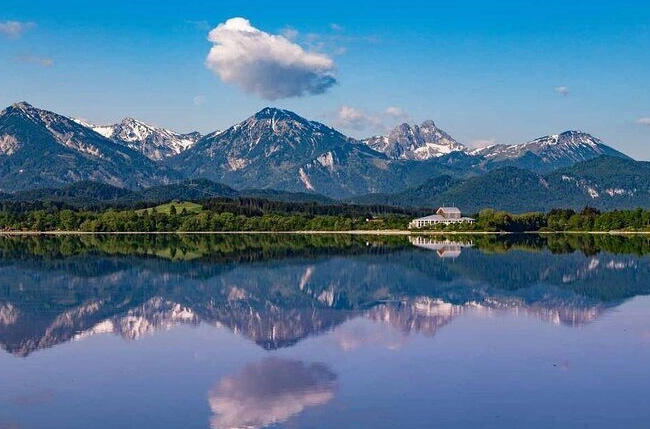
- For a Quintessential Bavarian Castle Experience: Schloss Elmau, Bavaria. This isn't just a hotel; it's a secluded alpine retreat. Nestled in the Wetterstein mountains near Garmisch, it's a haven for culture (with its own concert hall) and wellness (multiple spas, yoga). It's perfect for a digital detox, hiking, and immersing yourself in stunning scenery. It's expensive and remote, but utterly unique.
- For Family Fun in the Mountains: Alpenhotel Denninglehen, Berchtesgaden. This is a family-run gem in the Berchtesgaden Alps. They have incredible family suites (some with lofts and slides!), a huge adventure playground, petting zoo, and indoor and outdoor pools. The views are breathtaking, and the atmosphere is authentically Bavarian, not a corporate resort vibe. It books out fast.
- For Boutique Charm in a Wine Region: Villa Orange, Frankfurt. Proof that Frankfurt has more than glass towers. This is a lovingly restored 1902 villa in the quiet Westend. It has only 38 rooms, each individually decorated with a mix of antique and modern furniture. The vibe is peaceful, elegant, and personal. The breakfast in the winter garden is delightful. It's a sanctuary from Frankfurt's business bustle.
There you have it. Five completely different answers to "best hotel in Germany."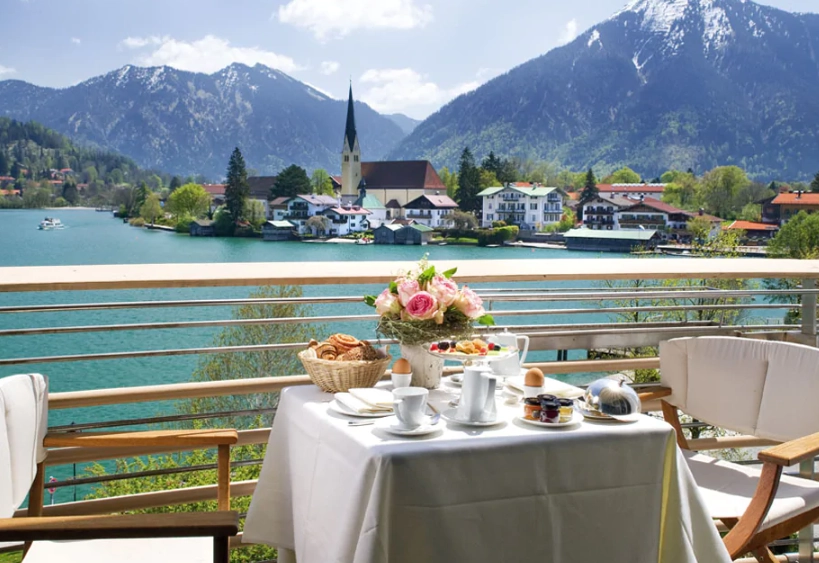
Booking Tips & Saving Money
Finding the best hotel in Germany also means not overpaying for it.
- Time It Right: German cities have major trade fairs (Messen). Hotel prices in Frankfurt, Hannover, Düsseldorf, and Munich can skyrocket 300% during these weeks. Always check the local trade fair calendar (Germany Travel Trade Fair Calendar) before booking. Conversely, weekends in business cities can be cheaper.
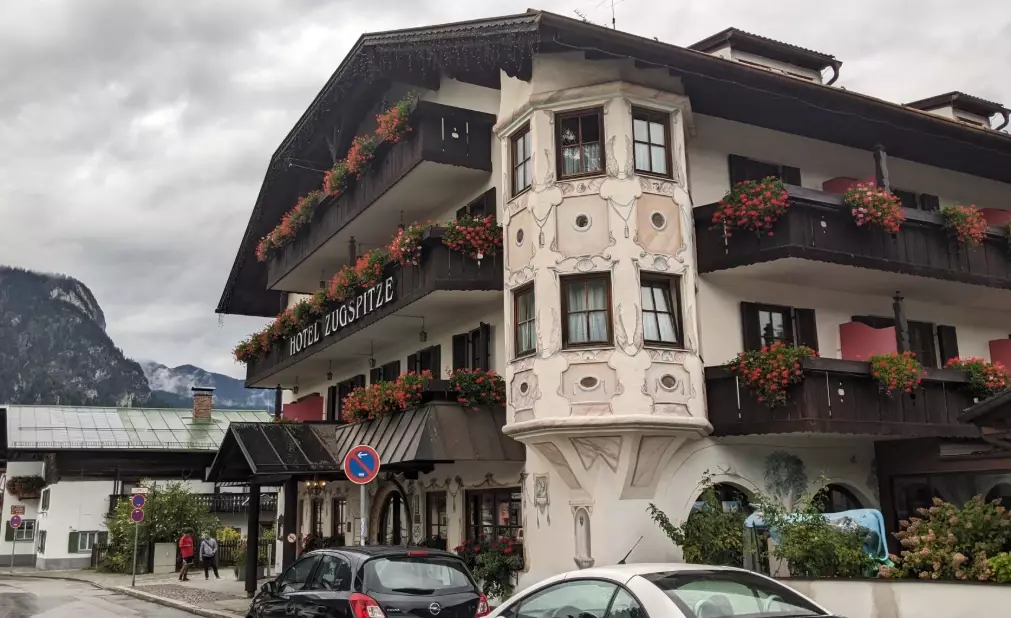
- Consider the "Zimmer Frei": In rural areas, especially along the Romantic Road or in the Black Forest, look for signs saying "Zimmer Frei" (room available). These are private guesthouses (Pensionen or Gasthöfe) often run by families. They offer incredible value, authentic local hospitality, and hearty homemade breakfasts. They might not have a pool, but they have charm by the bucketload. The official German tourism site has a good database (Germany.Travel Accommodation Search).
- Book Direct (Sometimes): It's always worth checking the hotel's own website after you find a rate on a booking platform. Sometimes they offer perks like a free room upgrade, late checkout, or a welcome drink for booking direct. Just email them and ask.
- Understand the Rates: "Zimmerpreis" is room price. "Pro Person" means per person, often based on double occupancy. Always check if breakfast is included ("inkl. Frühstück") or extra. City tax ("Kurtaxe" or "Kulturförderabgabe") is almost always added on top and payable at the hotel.
The Final Word: It's About Your Story
Searching for the best hotel in Germany is part of the fun of planning your trip. It's a promise of the experience to come. Don't get paralyzed by the choice. Use the filters – location, traveler type, amenities. Read between the lines of reviews. Decide what your two or three non-negotiables are (location, quiet, great shower, free parking) and let that guide you.
Sometimes the "best" hotel isn't the fanciest. It's the one where the owner gave you a hand-drawn map to his favorite beer garden, where your room had a tiny balcony overlooking a cobblestone street, and where the breakfast pretzels were still warm. That's the magic. That's the stay you'll remember for years, long after you've forgotten the thread count of the sheets.
Germany has a hotel for every story. Now go find yours.