If you're asking about the two famous places to visit in Frankfurt, you'll hear two names repeated endlessly: the Römerberg and the Goethe House. But here's the thing most quick guides miss. Calling them just "famous" undersells them. One is the literal heart of the city's identity, a square that's been destroyed and reborn. The other is the birthplace of a literary giant that feels surprisingly intimate. They're not just checkboxes. They're the perfect one-two punch to understand Frankfurt's split personality—the historic, postcard-perfect core and its deep, intellectual soul.
I've lived here for years and still find new details in these spots. Most visitors rush through, snap a photo, and leave. They miss the hidden courtyard behind the Römer, the specific room where Goethe wrote his first dramas, the way the light hits the half-timbered houses in the late afternoon. This guide is about moving beyond the postcard. Let's get into the specifics that actually help you plan.
Your Quick Guide to Frankfurt’s Must-Sees
The Römerberg: Frankfurt's Living Room (And How to Enjoy It)
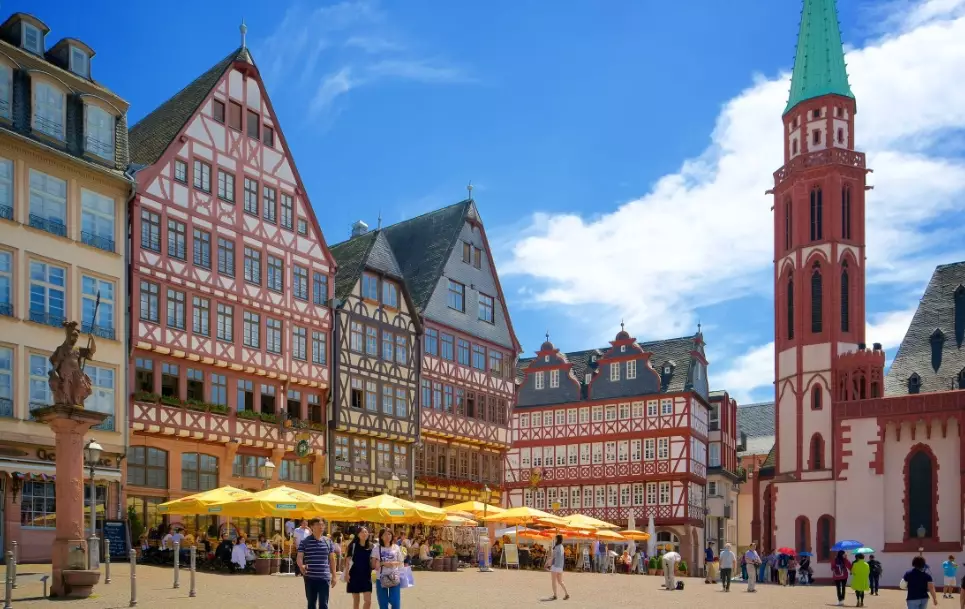
Let's start with the Römerberg. This is the old central square. You've seen the picture: colorful half-timbered houses, the fountain in the middle, the imposing town hall (the Römer) with its triple gable. It's beautiful. It's also almost entirely a reconstruction.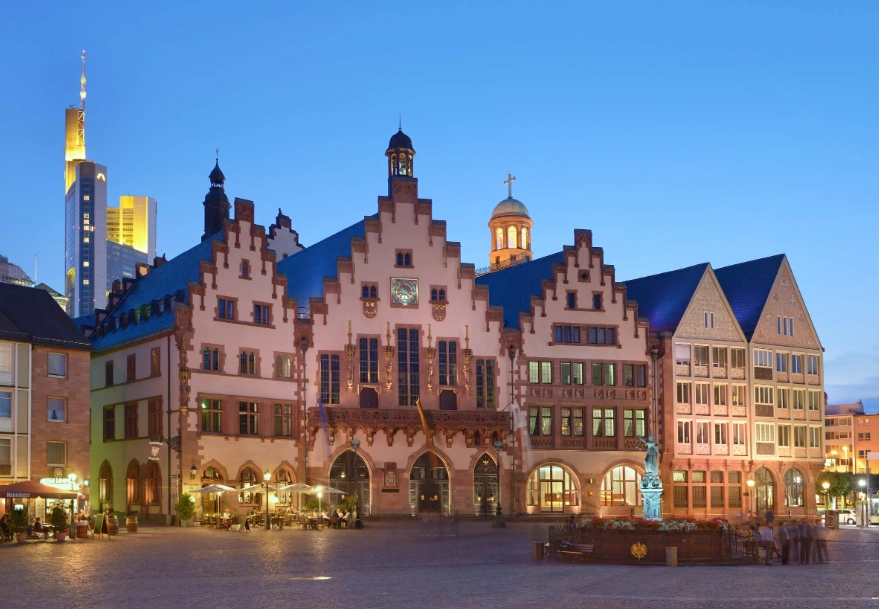
That's the first key insight. The square was flattened by Allied bombs in 1944. What you see today was rebuilt, largely in the 1980s, based on historical plans. Some purists scoff at this. I think it's Frankfurt's statement of resilience. They chose to rebuild their history rather than replace it with modern glass boxes. Walking here, you're in a careful, loving recreation of the city's medieval and Renaissance heart.
Römerberg at a Glance
Address: Römerberg 26, 60311 Frankfurt am Main. There's no single address for the square itself; it's the entire open area.
Admission: Completely free to walk around. You only pay if you enter specific museums or the town hall for a tour.
Open: 24/7 as a public square. Individual buildings have their own hours.
Getting There: Dead easy. Take the U-Bahn (U4, U5) or tram (lines 11, 12, 14) to "Römer/Paulskirche." You'll step out practically onto the cobblestones. From Hauptbahnhof (main station), it's a 15-minute walk or a short tram ride.
What Most People Miss Around the Römerberg
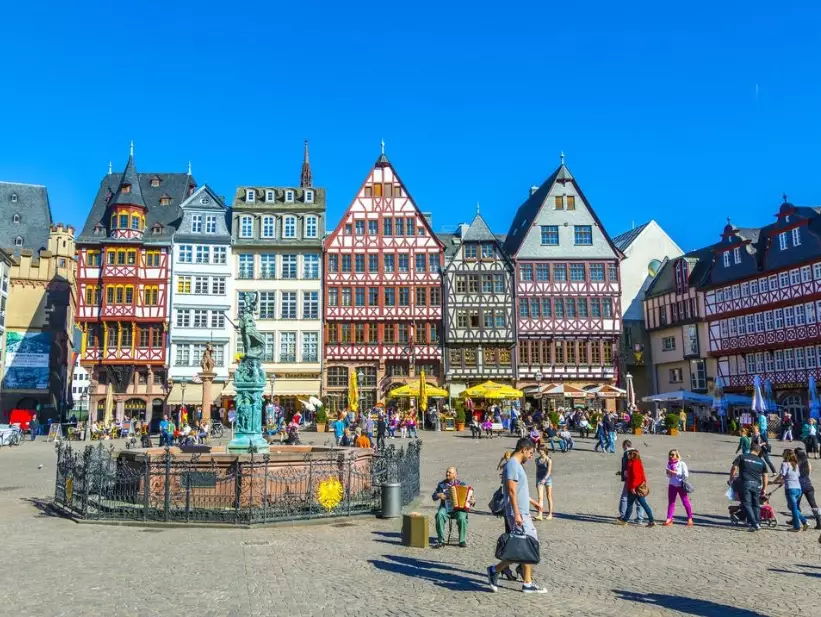
Everyone clusters around the fountain for the classic shot. Fine. Do that. Then, walk to the east side of the square to the Ostzeile—that row of six picturesque half-timbered houses. Each has a name, like "Goldener Greif" or "Wilder Mann." Look up. The carvings and paintwork are meticulous.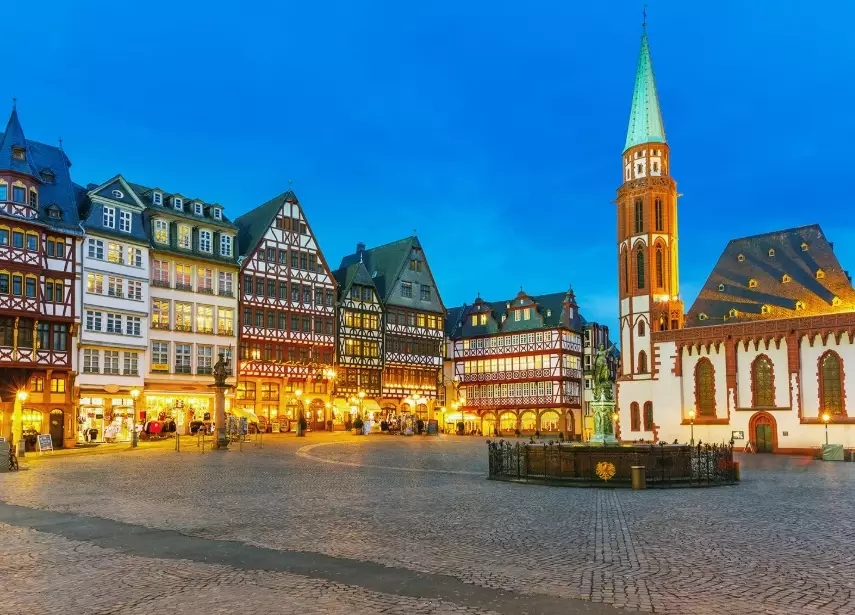
Now, here's my tip. Walk through the archway next to the Römer town hall building (not through its main door). It leads into a small, quiet courtyard called the Römerhallen. Suddenly, the crowds vanish. You'll see the back of the historic buildings and a modern glass structure. It's a moment of calm and a reminder of the old-meets-new layering of the city.
Another spot most rush past: the Alte Nikolaikirche (Old St. Nicholas Church) on the south side. It's a small, red sandstone church from the 13th century. For a small fee (around 2 euros), you can go inside. It's simple, peaceful, and its carillon plays three times a day. Check the times—hearing the bells echo across the square is magical.
The Römer Town Hall Itself: To Go In or Not?
The Römer is still Frankfurt's city hall. The Kaisersaal (Imperial Hall) inside is where Holy Roman Emperors celebrated their coronations. You can visit it. Should you? If you're deeply into history and opulent 19th-century mural paintings, yes. The entrance is through the portal marked "Tourist Information" on the right side of the building. It costs about 4 euros.
My take? For a first-time visitor with limited time, the exterior and the square give you 90% of the experience. Save the interior visit for a rainy day or a second trip. Your time is better spent soaking in the atmosphere outside.
And a word on crowds. Midday in summer? Packed with tour groups. Go early in the morning (before 10 am) or later in the evening. The lighting is better for photos, and you'll actually feel the place. Winter brings the famous Frankfurt Christmas Market, which is centered here. It's magical but shoulder-to-shoulder crowded. That's a different, more intense experience altogether.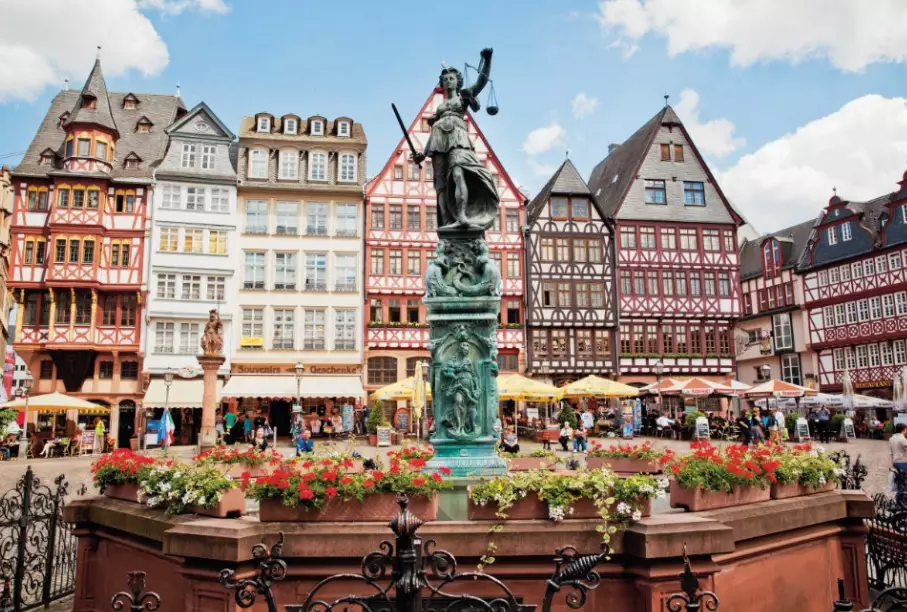
Goethe House: Step Into a Genius's World
Fifteen minutes' walk from the Römerberg's public spectacle, you find something completely different: intimacy. The Goethe House is where Johann Wolfgang von Goethe was born in 1749 and lived until he moved to Weimar in 1775. This isn't a grand palace. It's the spacious, upper-middle-class home of a wealthy family, and that's what makes it fascinating.
A common mistake is to think "writer's house = boring." People imagine a sparse room with a desk. This is the opposite. The house was also destroyed in the war and rebuilt with stunning accuracy. They used original furniture, paintings, and family possessions. You walk through the kitchen, the formal dining rooms, the elegant living spaces, and you get a tangible sense of the environment that shaped a young genius.
| Visitor Information | Details for Goethe House & Museum |
|---|---|
| Address | Großer Hirschgraben 23-25, 60311 Frankfurt |
| Opening Hours | Mon-Sat: 10:00 - 18:00, Sun & Holidays: 10:00 - 17:30. Closed on certain holidays like Dec 24 & 31. |
| Admission Price | Adults: €10.00, Concessions: €5.00, Family Ticket: €20.00. Includes entry to the house and the adjacent modern museum. |
| Best Way to Get There | U-Bahn U1, U2, U3, U6, U7, U8 to "Hauptwache." It's a 5-minute walk from there. Also an easy 15-min stroll from Römerberg. |
| Time Needed | Plan for at least 1.5 to 2 hours to do it justice. The house takes about 45-60 mins, the museum another 30-45. |
The Can't-Miss Rooms in Goethe House
You'll get an audio guide (highly recommended). Don't just drift. Focus on these spots:
- The Library on the 2nd Floor: Goethe's father, a strict imperial councillor, had a massive collection of 2,000 books. Young Johann Wolfgang devoured them. Standing here, you see the foundation of his encyclopedic knowledge.
- The Puppet Theatre in the Attic: This is where his childhood fascination with drama began. It's a simple, charming display that feels very personal.
- Goethe's Writing Room on the 3rd Floor: This is the big one. A small, corner room with a standing desk. Here, as a young man, he wrote the early versions of Faust and the novel The Sorrows of Young Werther, which made him a European celebrity overnight. The room feels quiet, focused. You can almost feel the creative energy.
The house tour ends, and you exit into the Goethe Museum, a modern gallery spanning 14 rooms. It uses paintings and artifacts from the Goethe era to illustrate his life, work, and intellectual world. If you're not a literature buff, this part can feel academic. My advice? Skim through, but don't feel obligated to read every panel. The power of the visit is in the house itself.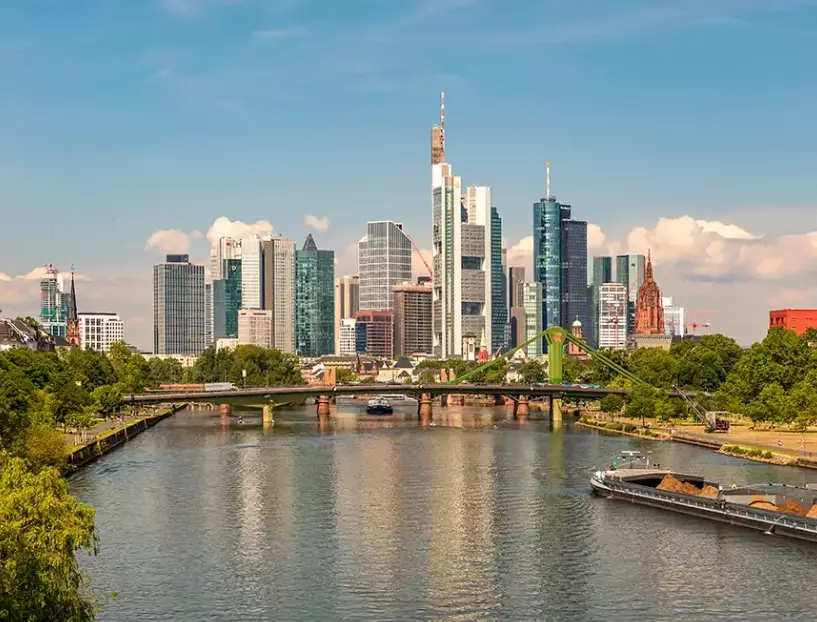
How to Plan Your Visit: A Realistic Itinerary
So you have one day and want to see both. Here’s a smooth, logical flow.
Morning (9:30 AM - 12:30 PM): Start at the Goethe House. It opens at 10. Being there near opening means smaller crowds in the relatively narrow rooms. Spend a focused 1.5 hours there.
Lunch: Walk down towards the Römerberg. Skip the overpriced, tourist-trap cafes directly on the square. Head to the nearby Kleinmarkthalle (Hasengasse 5-7), Frankfurt's incredible indoor market hall. Grab a sausage, some cheese, or a pastry. It's authentic, delicious, and gives you energy.
Afternoon (1:30 PM onwards): Immerse yourself in the Römerberg. Explore the square, see the Ostzeile, find the hidden courtyard. Visit the Alte Nikolaikirche if you wish. Let yourself wander. From here, you're perfectly positioned to walk to the river Main, see the Eiserner Steg bridge, or visit the stunning Frankfurt Cathedral (Kaiserdom) just a few minutes north.
This order works because it moves from an intimate, indoor experience to a grand, outdoor one. It also follows a loose chronological and geographical logic.