Let's cut to the chase. Is Hamburg a good tourist destination? The short answer is a resounding yes, but with a specific flavor. It's not your fairy-tale Germany of castles and timbered houses. Hamburg is a gritty, elegant, maritime powerhouse. It's a city of water, trade, and a surprisingly rebellious culture. If you're looking for a unique urban experience with stunning modern architecture, a fascinating industrial heritage, and a nightlife that doesn't quit, you'll love it. If you only want postcard-perfect old towns, you might leave a bit puzzled.
I've visited Hamburg multiple times over the last decade, in summer sun and winter drizzle. The first time, I made the classic mistake of trying to see it like Munich or Berlin. I missed the point. Hamburg reveals itself slowly, in its warehouse canals, its dockworker pubs, and its avant-garde concert halls.
Quick Navigation: What's Inside This Hamburg Guide
What are the top attractions in Hamburg?
You can't talk about Hamburg without starting with its heart: the water. The Port of Hamburg is one of the largest in Europe. A harbor tour isn't a tourist trap here; it's essential context. Companies like Barkassen-Meyer offer 1-hour tours for around €20. You'll see massive container ships, the old dockyards, and understand why the city calls itself "The Gateway to the World." Dress warmly—the wind is no joke.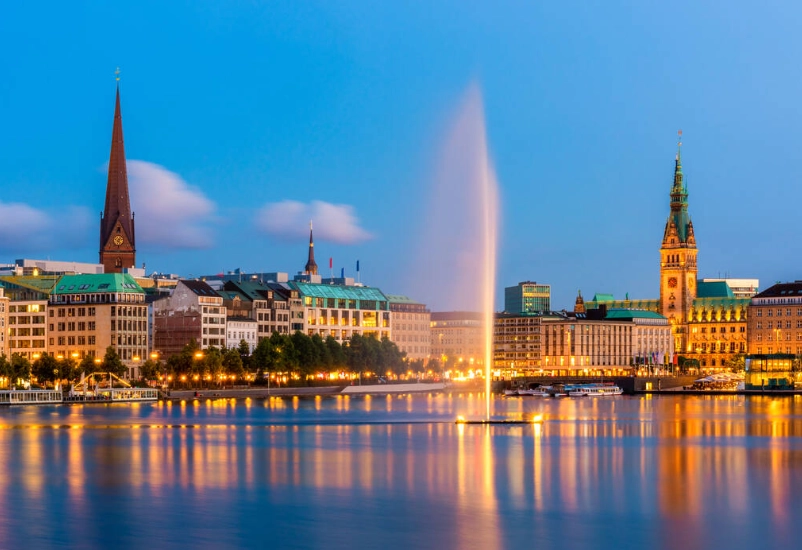
Right next door is the Speicherstadt, the world's largest warehouse district. These Gothic brick buildings, built on oak piles, are a UNESCO World Heritage site. Walking through its canals feels like stepping into a 19th-century industrial painting. It's free to wander, and it's magical at night when illuminated.
Inside the Speicherstadt, you'll find two major draws. First, Miniatur Wunderland, the world's largest model railway. Sounds niche, but trust me, it's phenomenal. You need to book tickets weeks in advance online. An adult ticket is about €23. Second is the International Maritime Museum, housed in a former warehouse. It's a deep, sometimes overwhelming, dive into seafaring history. Ticket: €17.
Then there's the architectural showstopper: the Elbphilharmonie (Elbe Philharmonic Hall). This glass wave sitting atop an old brick warehouse is the city's symbol. You can visit the Plaza viewing platform for free (book a time slot online) for panoramic views of the port and city. Seeing a concert here is an unforgettable experience, but tickets sell out fast.
Back on solid ground, the Rathaus (City Hall) is worth a look. It's opulent, almost comically grand for a famously pragmatic city. Guided tours (€6) run daily. The surrounding Alster Lakes are perfect for a stroll or a boat tour. Renting a paddleboat on the Binnenalster (Inner Alster) is a classic, relaxing activity.
| Attraction | Key Highlight / Vibe | Suggested Time | Cost (Approx.) |
|---|---|---|---|
| Speicherstadt & HafenCity Walk | UNESCO canals, modern architecture, photography | 2-3 hours | Free (to walk) |
| Miniatur Wunderland | Incredible detail, fun for all ages, interactive | 3-4 hours | €23 (Book ahead!) |
| Elbphilharmonie Plaza | Best city/port views, iconic architecture | 1 hour | Free (with booking) |
| Harbor Boat Tour | Understand the city's soul, see massive ships | 1-2 hours | €18-25 |
| St. Pauli & Reeperbahn | Nightlife, music history, gritty culture | Evening | Varies |
Beyond the postcard: Hamburg's hidden gems
Most tourists cluster around the Rathaus and HafenCity. To feel the city's pulse, you need to go further.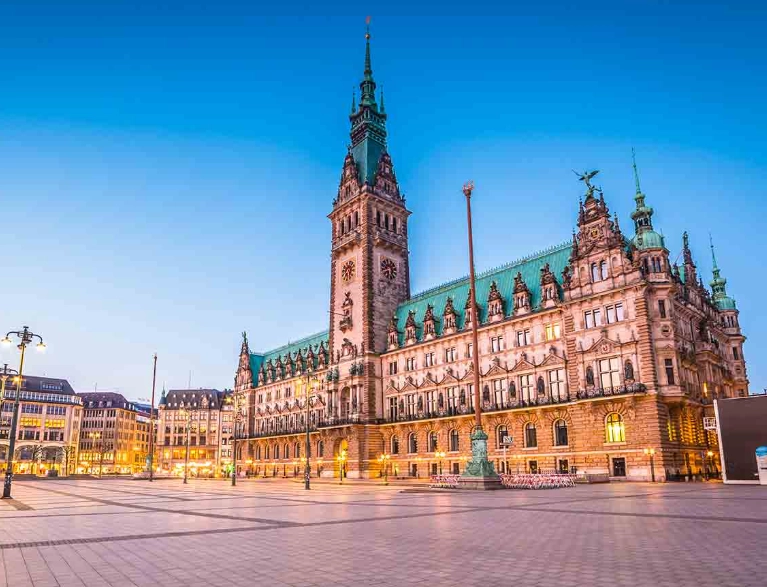
St. Pauli and the Reeperbahn are infamous. Yes, it's the red-light district, but it's also the birthplace of The Beatles' early career and home to countless indie music venues and theaters. A guided tour (like the "St. Pauli by Night" tour) demystifies it and highlights its cultural significance beyond the neon. During the day, check out the Friedensengel (Angel of Peace) statue for a quiet moment.
The Sternschanze district is where Hamburg gets its "left-wing, alternative" reputation. It's full of quirky boutiques, street art, and packed bars. It feels more like Berlin-Kreuzberg than classic Germany. The Rote Flora, a squatted cultural center, is a local landmark of political activism.
For a green escape, head to Planten un Blomen park. It's beautiful, with water-light concerts in summer. But my personal favorite is the Ohlsdorf Cemetery. It sounds morbid, but it's the largest rural cemetery in the world, a stunning, park-like landscape with impressive mausoleums. It's a unique and peaceful walk.
A local's micro-tip most miss
In the Speicherstadt, everyone looks up at the buildings. Look down at the water between the warehouses. You'll see thousands of tiny, bright green Pacific oysters clinging to the wooden pillars. They're an invasive species, but they create this bizarre, beautiful underwater forest that perfectly encapsulates Hamburg's blend of nature and industry.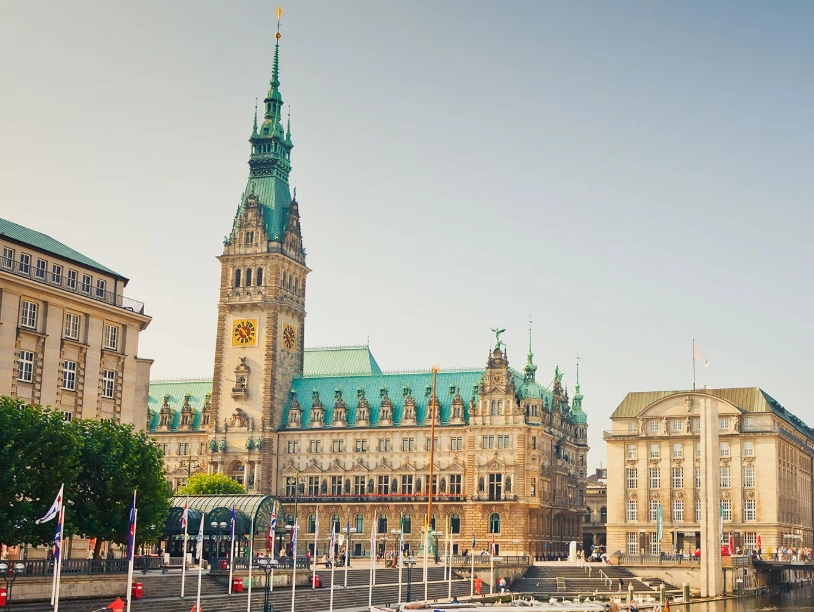
What and where to eat in Hamburg
This is a port city, so seafood is king. The absolute must-try is the Fischbrötchen – a simple fish fillet (usually pickled herring, smoked mackerel, or fried fish) in a bread roll with raw onions and pickles. It's fast food, it's delicious, and it's everywhere. Stands at the Fischmarkt (more on that later) or Brücke 10 at the Landungsbrücken are iconic.
For a sit-down meal, you have to try Labskaus. It's a sailor's dish: a mash of corned beef, beetroot, potatoes, topped with a fried egg, rollmops (pickled herring), and gherkins. It looks... challenging. But it's hearty, savory, and a true taste of history. Old Commercial Room near the Rathaus (Englische Planke 10) has been serving it for over a century. A main course costs around €18.
Hamburg's modern food scene is thriving. The Sternschanze area is packed with international eateries and trendy cafes. For a fantastic, non-touristy dinner, try Underdocks (Schanzenstraße 3) – think gourmet-level seafood in a casual setting. Their shrimp burger is legendary. Expect to pay €15-25 for a main.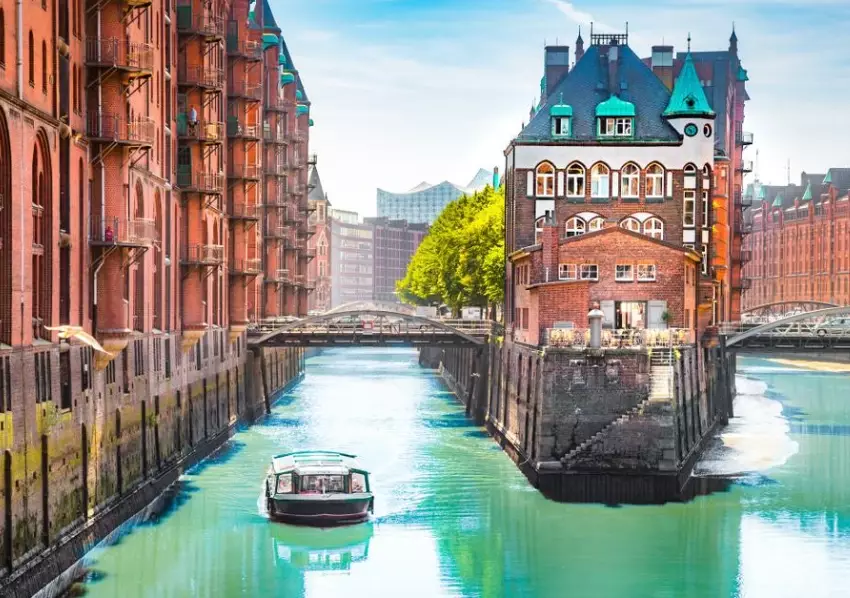
The Fischmarkt Ritual: Every Sunday from 5 am (yes, AM) to 9:30 am, the historic Fischmarkt comes alive. It's part market, part party. Vendors shout, bands play in the auction hall, and people who've been out all night mingle with early risers over fish rolls and beer. It's chaotic, unforgettable, and the best people-watching in Hamburg. Take the U-Bahn to Landungsbrücken. Go at least once, even if you're half-asleep.
How to plan your Hamburg itinerary
How long you need depends on your pace. Here’s a realistic breakdown:
The 24-Hour Blitz: Focus on the absolute essentials. Start at the Landungsbrücken, do a 1-hour harbor cruise. Walk into the Speicherstadt, soak in the atmosphere, visit the Elbphilharmonie Plaza (booked in advance). Grab a Fischbrötchen for lunch. Walk along the waterfront to the HafenCity to see the modern architecture. Evening in a traditional pub in the Altstadt for Labskaus. It's a sprint, but you'll see the core.
The 3-Day Deep Dive (Recommended):
Day 1: Port & Speicherstadt. Harbor tour, wander Speicherstadt, visit Miniatur Wunderland (with pre-booked ticket), Elbphilharmonie Plaza at sunset.
Day 2: City Center & Alster. Rathaus tour, stroll around the Inner and Outer Alster lakes, perhaps a paddleboat. Visit the Kunsthalle art museum if that's your thing. Evening exploring Sternschanze for dinner and drinks.
Day 3: Culture & Quirks. Choose your focus: the Maritime Museum, a St. Pauli district tour, or a trip to the excellent Hagenbeck Tierpark (a historic zoo with amazing enclosures). Cap it off with the Sunday Fischmarkt if your timing aligns.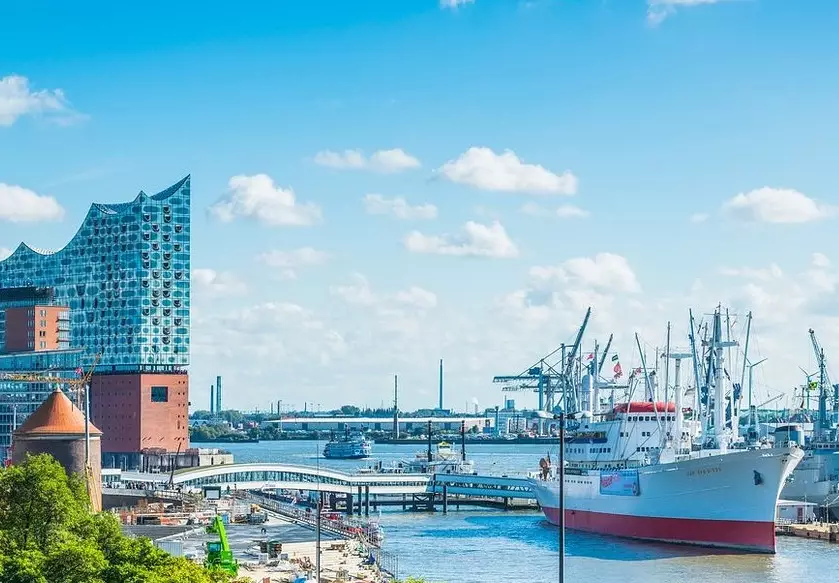
Getting around is easy. Hamburg's HVV public transport network (U-Bahn, S-Bahn, buses, ferries) is excellent. A day ticket for the central area (Großbereich) is about €7. The Hamburg CARD can be worth it if you plan to use a lot of transport and visit several museums, as it includes discounts. Calculate your planned activities first.
Hamburg on a budget: Practical tips
Hamburg isn't cheap, but it's not unreasonable for Western Europe.
Accommodation: Hotels in the Altstadt or HafenCity are pricey. Look for places in Altona, Sternschanze, or near a U-Bahn station a few stops out. Reliable budget chains like Motel One or Ibis Styles offer good value. A decent double room can be found for €80-120/night if you book ahead.
Food Savings: Embrace the street food. A Fischbrötchen is a €4-5 meal. Department store food halls like Karstadt at the Hauptbahnhof have affordable, high-quality hot food counters. Many bakeries offer cheap, filling lunches.
Free Activities: Walking the Speicherstadt, visiting the Elbphilharmonie Plaza, exploring Planten un Blomen park, and people-watching at the Alster are all free. The Fischmarkt is free entertainment (just resist buying everything!).
One Paid Thing Worth It: If you do one paid activity, make it the harbor tour. It's the key to understanding the city. Skip the hop-on-hop-off bus tours; they're less effective here due to all the waterways.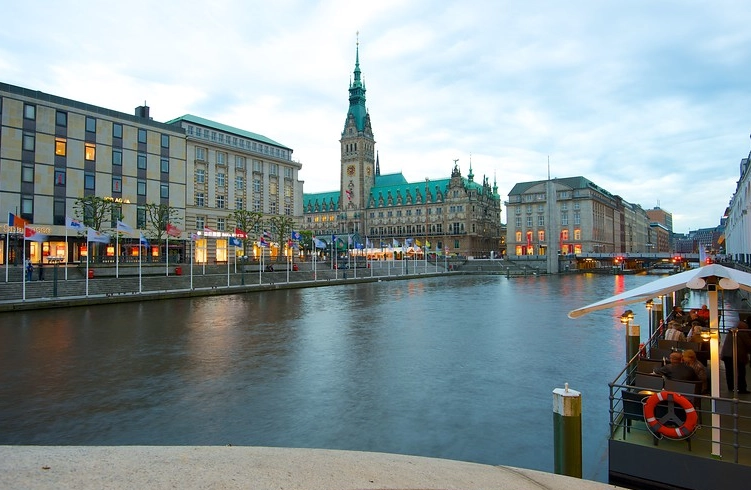
Your Hamburg questions, answered
So, back to the original question. Is Hamburg a good tourist destination? It's an excellent one for the curious traveler. It offers a powerful combination of raw industrial history, stunning modern design, a unique maritime culture, and vibrant neighborhoods. It challenges the stereotypical image of Germany and rewards those who look beyond the surface. Come for the port, stay for the atmosphere, and leave with a story different from anyone who just visited a castle.