Let's be honest. "Nicest" is a tricky word. It means something different to everyone. For one traveler, it's about world-class museums and gritty nightlife. For another, it's cobblestone streets, fairy-tale castles, and cozy beer gardens. Asking for the single nicest city in Germany is like asking for the best flavor of ice cream. So I won't give you one answer. I'll give you a framework to find your answer.
I've spent years traveling across Germany, from the Baltic Sea to the Alps. I've made the classic tourist mistakes and found the spots locals love. The truth is, Berlin, Munich, and Hamburg are fantastic, but they're not the whole story. Your perfect city depends entirely on what you're looking for.
Your Quick Guide to Germany's Top Cities
The Big Three: Berlin, Munich, Hamburg
Most searches lead here. Let's break them down without the fluff.
| City | The Vibe | Top Attraction (Details) | Best For | Watch Out For |
|---|---|---|---|---|
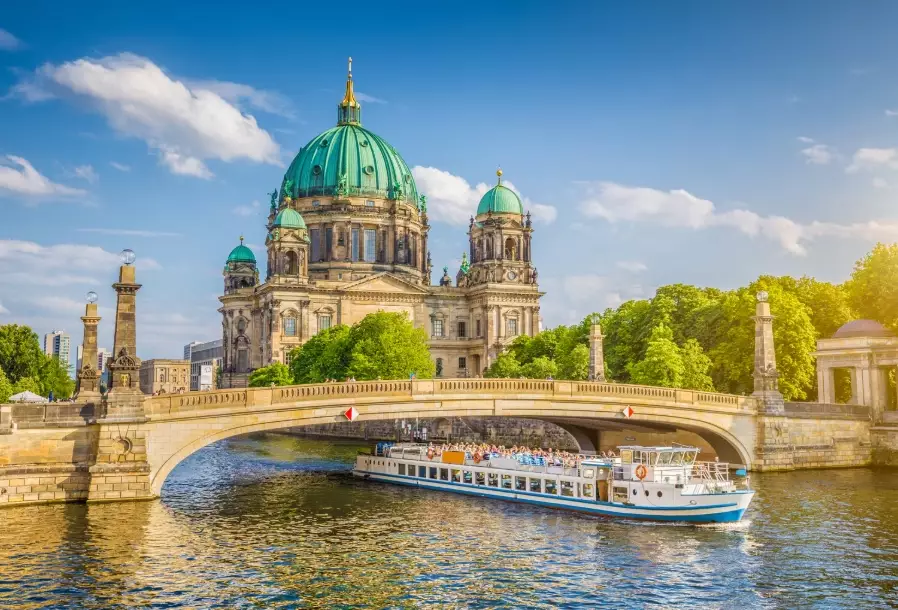
| Berlin | Edgy, historical, sprawling, creative. Never sleeps. | East Side Gallery: The longest remaining stretch of the Berlin Wall, now an open-air gallery. Free to visit, 24/7, along Mühlenstraße. Nearby U-Bahn: Warschauer Straße. | History buffs, nightlife lovers, art and alternative culture seekers, budget travelers (hostels are plentiful). | It's huge. You'll need public transport. Can feel impersonal. Winter is long and gray. |
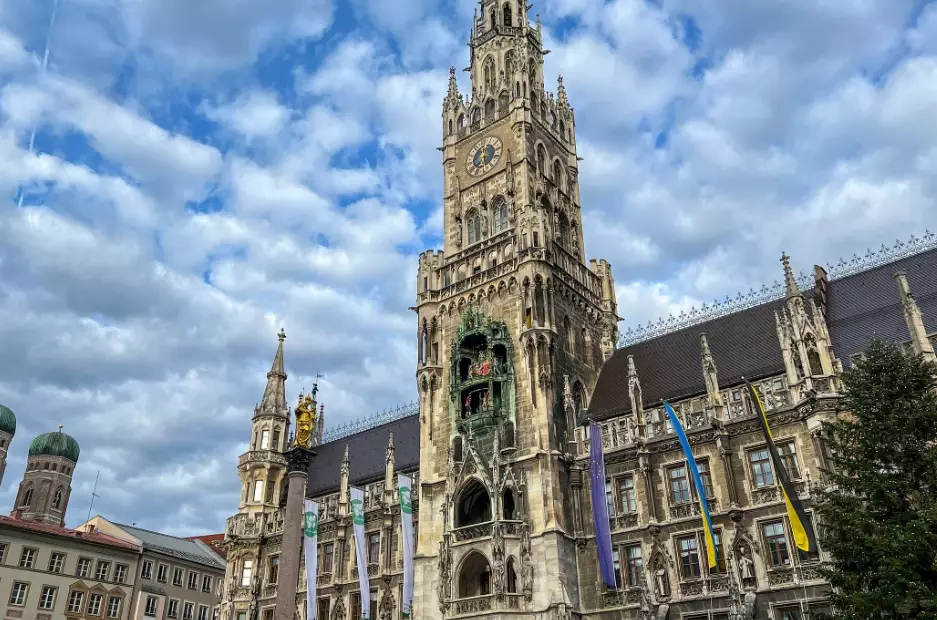
| Munich | Traditional, wealthy, clean, orderly. "Germany's biggest village." | Marienplatz & the New Town Hall (Neues Rathaus). The heart of the city. The Glockenspiel chimes daily at 11 am and 12 pm (plus 5 pm Mar-Oct). Free to watch. Address: Marienplatz 8. S-Bahn: Marienplatz. | First-time visitors, lovers of classic architecture, beer culture (Oktoberfest!), day trips to Alps/Neuschwanstein. | Expensive. Can feel touristy. Less "edge" than Berlin. Accommodation books up fast for festivals. |
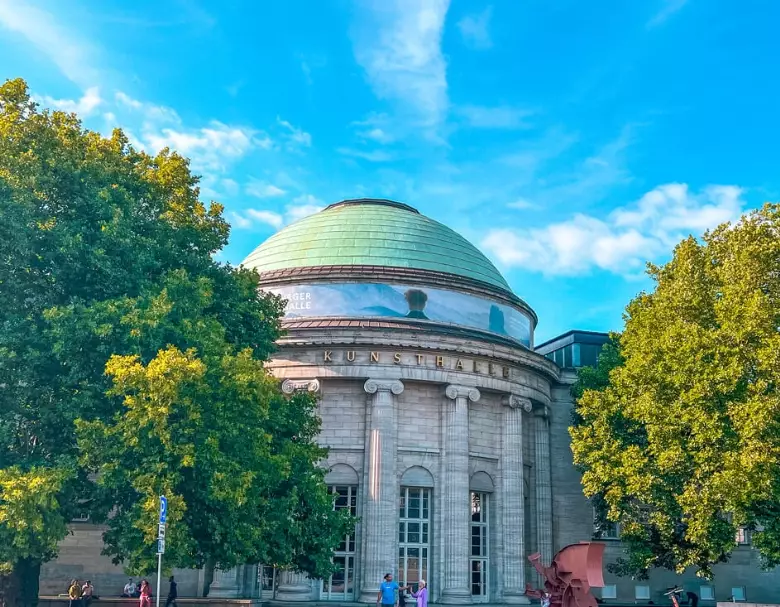
| Hamburg | Maritime, liberal, green, sophisticated. Bridges and canals everywhere. | Speicherstadt & HafenCity. The world's largest warehouse district, UNESCO site. Walk the canals for free. For a great view, visit the Elbphilharmonie Plaza (free ticket required, book online). U-Bahn: Baumwall or Überseequartier. | Architecture fans, harbor/nautical lovers, musical theater (it's a huge scene here), those wanting a less touristy big city. | Weather is often rainy and windy. The famous Reeperbahn nightlife district is very specific—not for everyone. |
My take? Berlin is an experience, Munich is a postcard, and Hamburg is a discovery. If you only have time for one big city and want the classic "German" feel with day-trip options, Munich is the safe, rewarding bet. But calling it the "nicest" ignores what Berlin and Hamburg offer.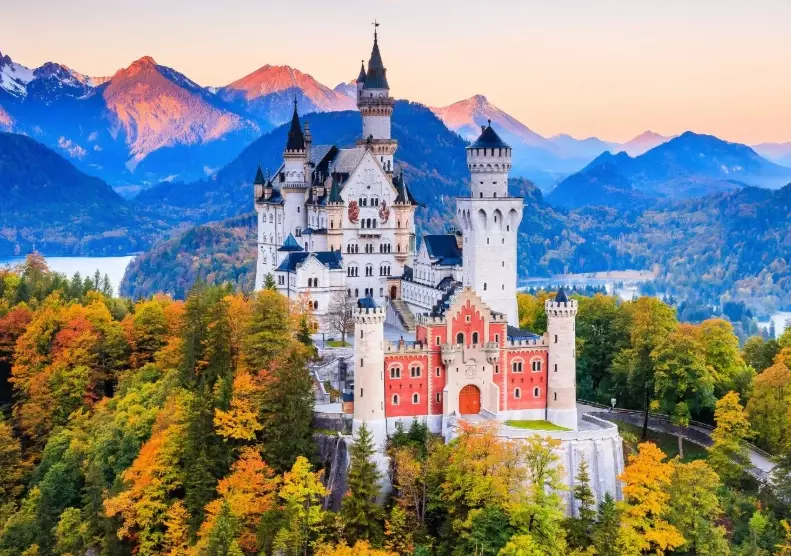
A Local's Tip Most Blogs Miss: In Munich, skip the crowded Hofbräuhaus for a Biergarten in the Englischer Garten (like the Chinese Tower). Bring your own food, buy the beer there—it's a local tradition. In Berlin, don't just walk Checkpoint Charlie. Go around the corner to the Topography of Terror documentation center (free entry, Niederkirchnerstraße 8, open daily 10 am-8 pm). It's far more impactful.
The Underrated Contenders You Must Consider
Here's where we move beyond the obvious. If you want charm without the massive tour groups, listen up.
Heidelberg: The Romantic University Town
This isn't just a day trip. Heidelberg deserves a night. The ruined castle looming over the red-roofed old town and the Neckar River is the image of German Romanticism. Walk the Philosopher's Path for the view. The student vibe keeps it lively. It's compact, walkable, and feels like a storybook. The downside? It is popular, so visit outside peak summer hours.
Dresden: The Baroque Phoenix
Dresden's story is incredible. Almost completely destroyed in WWII, it has been painstakingly rebuilt. The result is a stunning Baroque core that looks centuries old. The Zwinger Palace and Frauenkirche are breathtaking. It feels grand and artistic, with excellent museums like the Old Masters Picture Gallery. It's less overwhelming than Berlin but offers serious cultural weight.
Nuremberg: History & Hearty Food
Yes, it's linked to WWII history (the Documentation Center is a must-visit, Bayernstraße 110, open 9 am-6 pm, Mon-Fri 10 am-6 pm). But Nuremberg's medieval old town is gorgeous—encircled by walls, dominated by the Kaiserburg castle. This is also the home of Nuremberg sausages (try them at Bratwursthäusle near St. Sebald Church) and Christkindlesmarkt. It's a manageable, authentic city with layers of history.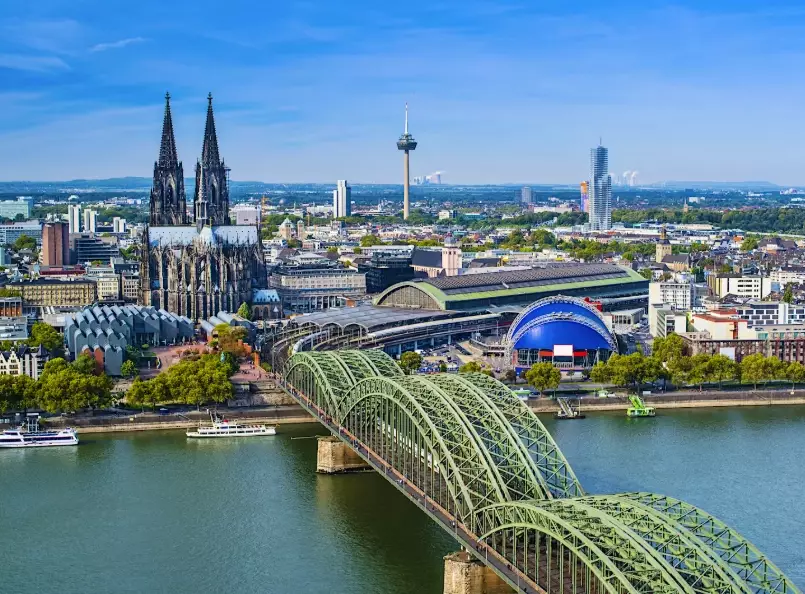
Cologne (Köln): The Cathedral City
It's a major city, but often overshadowed. The Cologne Cathedral (Kölner Dom) is a Gothic masterpiece that genuinely stops you in your tracks. Entry is free (tower climb costs €6). It's right next to the main train station. Cologne has a fantastic, friendly pub culture centered around Kölsch beer. It's less polished than Munich, more down-to-earth and cheerful.
Picking one of these could be the best decision you make. They deliver concentrated doses of what people come to Germany for.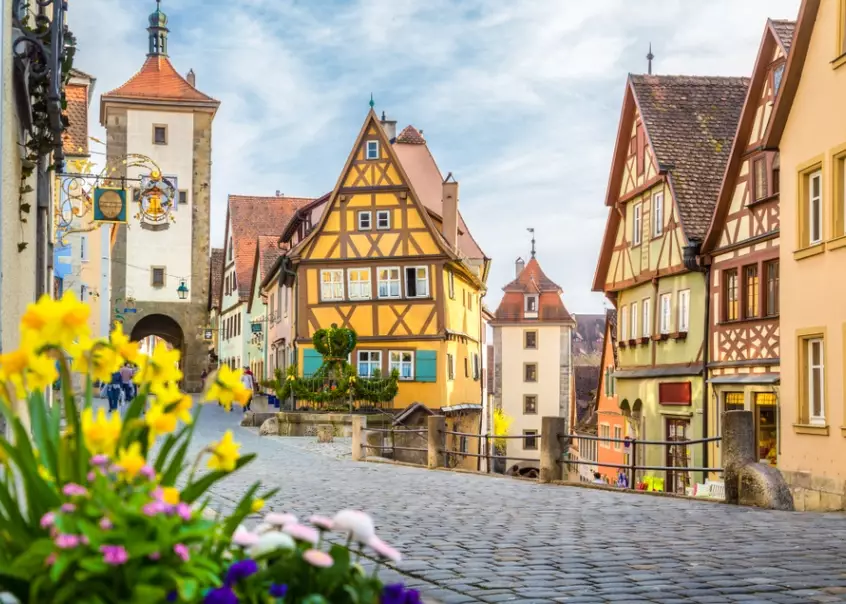
How to Choose Your City: A Practical Framework
Stop thinking "which is best?" Start asking these questions.
What's your travel style?
- Fast-paced & diverse: Berlin. You'll never be bored.
- Relaxed & picturesque: Heidelberg or Rothenburg ob der Tauber (for a small town).
- Cultural deep-dive: Dresden or Munich.
- Off-the-beaten-path cool: Leipzig or Hamburg's Sternschanze district.
Who are you traveling with?
- Solo/Backpackers: Berlin (hostel scene), Hamburg.
- Couples: Heidelberg, Munich (for day trips), the Romantic Road towns.
- Families: Munich (easy, safe, English-friendly), cities with great parks like Hamburg.
What's your budget?
Let's get real about costs. Munich and Hamburg are pricey for accommodation and dining. Berlin has a wider range, with affordable eats and hostels. Eastern German cities like Dresden and Leipzig offer incredible value—five-star culture at three-star prices. A mid-range hotel in Munich can cost the same as a top-tier one in Dresden.
How much time do you have?
For a short break (2-3 days), choose a compact city like Heidelberg, Nuremberg, or Lübeck. You'll see a lot without wasting time on transit. For a week, base yourself in a larger hub like Munich or Berlin and do 1-2 day trips.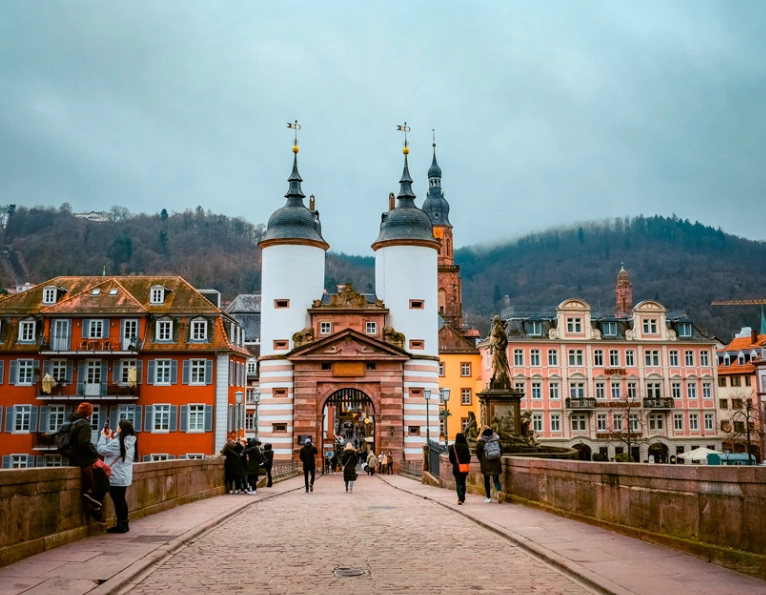
Beyond the City: Essential Day Trips
Your city choice unlocks different worlds. This is a major factor.
- From Munich: You're a 1.5-hour train ride from fairy tales. Neuschwanstein Castle is the big one (book tickets months in advance). Also consider the charming town of Regensburg (UNESCO site) or a trip to the Alps (Garmisch-Partenkirchen).
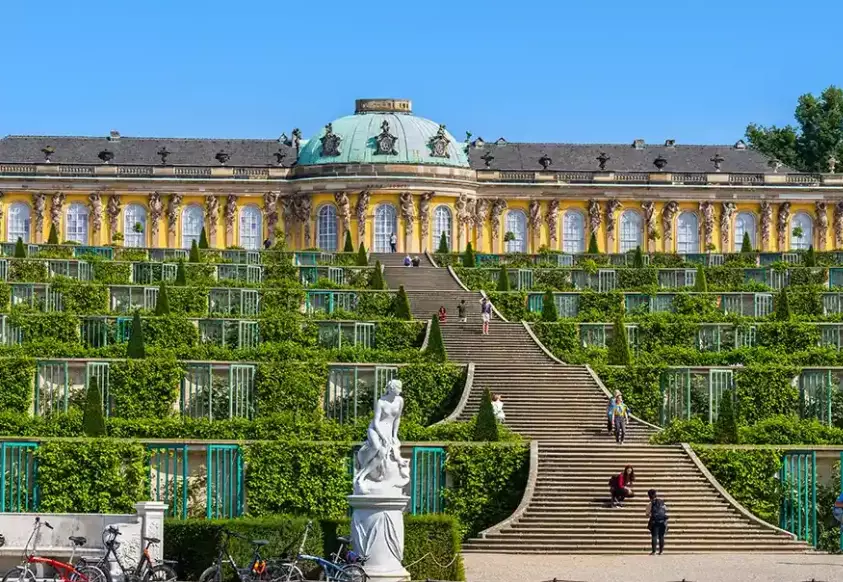
- From Berlin: History day trips. Potsdam with Sanssouci Palace (S-Bahn S7, about 40 mins) is effortless. For something darker and profound, the Sachsenhausen Concentration Camp Memorial (S-Bahn S1 to Oranienburg, then a walk) is a somber but important visit.
- From Frankfurt: Often just a flight hub, but it's the gateway to the Rhine Valley. A boat trip from Rüdesheim past castles and vineyards is a perfect day.
- From Hamburg: Take a short train to Lübeck, the marzipan capital with a stunning medieval old town. It's a different pace entirely.
Your Germany Trip Questions Answered
So, which is the nicest city in Germany to visit? It's the one that matches your idea of nice. Use the framework above. Love history and energy? Lean Berlin or Nuremberg. Want picture-perfect scenes and day trips? Munich is your hub. Crave something different with maritime flair? Give Hamburg a serious look. Don't overlook the smaller gems like Heidelberg or Dresden—they often deliver the most memorable experiences.
Start with what you want to feel, not just what you want to see. That's how you find your perfect German city.