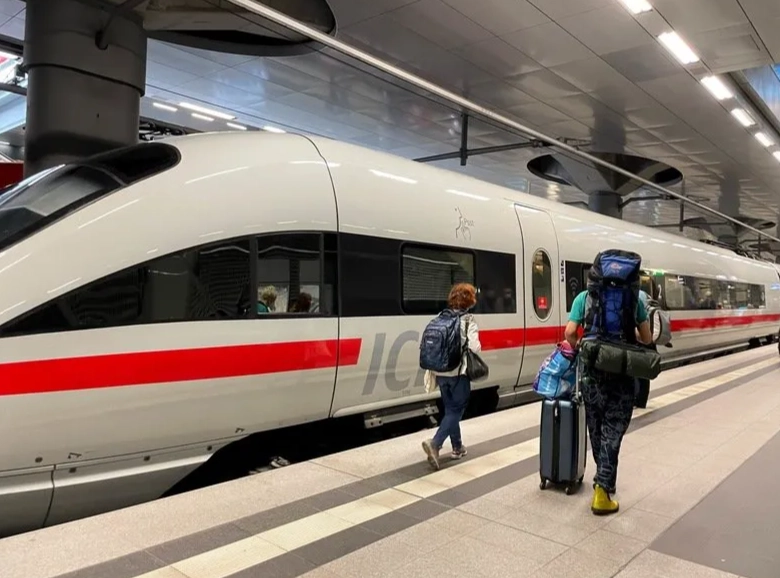
Germany sits right in the heart of Europe, and its train network is the envy of the continent. It's not just about the famous ICE trains zipping between Berlin and Munich. The real magic happens at the borders, where the tracks seamlessly connect to over a dozen other countries. Forget the hassle of airports for a weekend trip or even a longer adventure. You can wake up in Berlin and have lunch in Prague, or finish work in Cologne and be sipping wine in Paris that evening. The rail connections are that good, and they're getting better every year.
I remember my first time trying to figure this out. I was in Hamburg and wanted to get to Copenhagen without flying. I found a direct train, but the booking process felt like a puzzle. Now, after a decade of crisscrossing Europe by rail from German hubs, I've learned the tricks—and the pitfalls most guides don't mention.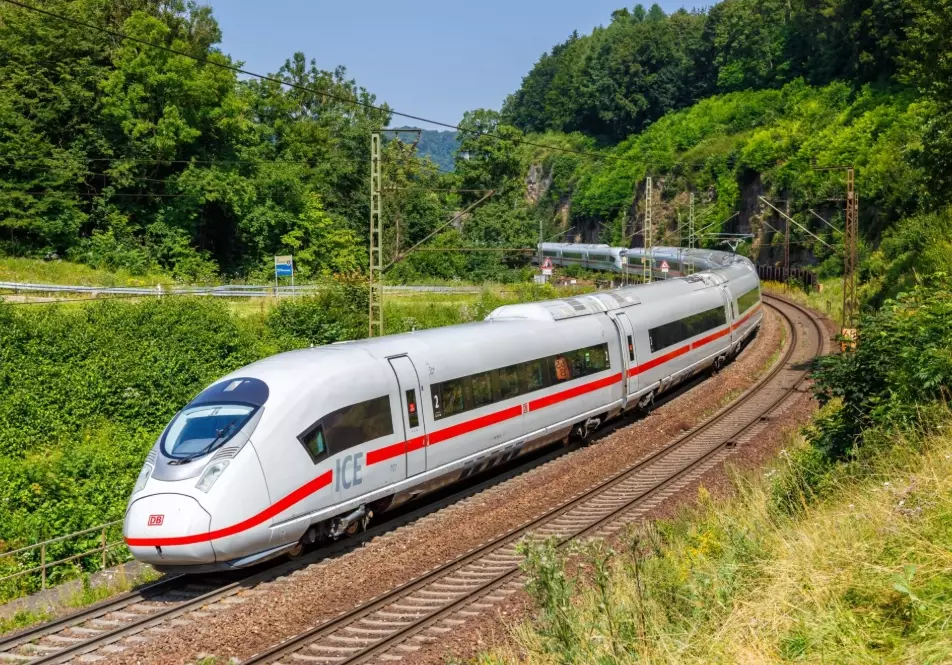
Your Quick Journey Planner
Which Countries Have Direct Train Links from Germany?
Let's start with the immediate neighbors. These are your easy, often frequent, day-trip possibilities. Direct means you don't have to change trains, though you might change operators. The services are a mix of high-speed trains (like ICE, TGV, Railjet) and slower, but often charming, regional trains.
| Country | Key Departure Cities in Germany | Example Journey & Approx. Time | Main Operator(s) | Notes & Ticket Tip |
|---|---|---|---|---|
| Austria | Munich, Berlin, Frankfurt, Hamburg | Munich to Salzburg: 1.5 hrs Munich to Vienna: 4 hrs |
DB, ÖBB (Railjet) | Extremely frequent. Railjet trains are superb. Book early for Vienna routes. |
| France | Frankfurt, Stuttgart, Munich | Frankfurt to Paris: 3.5-4 hrs (TGV) Stuttgart to Paris: 3.5 hrs |
DB, SNCF (TGV) | High-speed only. Book months ahead for the best Paris fares. Regional trains connect at smaller border crossings like Kehl-Strasbourg. |
| Switzerland | Frankfurt, Munich, Hamburg, Berlin | Frankfurt to Basel: 3 hrs Munich to Zurich: 4 hrs |
DB, SBB (EC/IC) | Scenic routes into the Alps. Swiss travel passes can be used from the border. |
| Netherlands | Berlin, Frankfurt, Düsseldorf, Hannover | Berlin to Amsterdam: 6 hrs (ICE) Düsseldorf to Amsterdam: 2 hrs |
DB, NS | The Berlin-Amsterdam ICE is a popular, modern train. The shorter Rhine route is very busy. |
| Belgium | Cologne, Aachen, Frankfurt | Cologne to Brussels: 2 hrs (ICE/Thalys) Aachen to Liège: 30 mins (regional) |
DB, SNCB, Thalys | Two options: high-speed (expensive, book ahead) or regional (cheap, slower). |
| Czech Republic | Berlin, Dresden, Nuremberg, Munich | Berlin to Prague: 4.5 hrs (EC) Dresden to Prague: 2.5 hrs |
ČD, DB | Berlin-Prague is a classic backpacker route. Book early as it sells out. |
| Poland | Denmark | Hamburg, Berlin | Hamburg to Copenhagen: 4.5 hrs (EC) Includes a ferry crossing! |
DB, DSB |
This list covers the primary, regular direct connections. It's worth noting that for countries like Slovakia (Bratislava), you often change in Vienna. For Hungary (Budapest), you might change in Vienna or Belgrade. The rail network is about hubs, and Vienna is a major one for connections east.
Going Further: Long-Distance & Night Trains from Germany
Here's where it gets exciting. You're not limited to border hops. The renaissance of night trains has changed the game.
The Night Train Network (ÖBB Nightjet)
The Austrian Federal Railways (ÖBB) has become the champion of European night trains. Their Nightjet services from Germany are a game-changer for reaching Southern and Eastern Europe comfortably overnight.
- To Italy: Routes from Munich to Milan, Verona, Rome, and even La Spezia (for Cinque Terre). From Hamburg/Düsseldorf, there are direct car-train services (Autoschläfer) to various Italian destinations.
- To Switzerland: Connections from Berlin/Hamburg to Zurich.
- To Croatia: A seasonal night train from Frankfurt to Rijeka on the coast.
Expert tip: Don't assume the couchette (bunk) is always the cheapest option. Sometimes, booking a seat on a night train and trying to sleep is a false economy. You'll arrive shattered. Compare the price of a couchette with a daytime Sparpreis ticket plus a night in a hostel. Often, the comfort of a real bed on the train is worth the extra €30.
Direct Day Connections Deeper into Europe
Some direct daytime routes push the boundaries:
- Germany to Croatia: A direct seasonal EuroCity train runs from Frankfurt to Rijeka and Zagreb in the summer.
- Germany to Hungary: While many require a change, there are direct EuroCity services from cities like Munich to Budapest.
- The Moscow Connection (Historical): Pre-2022, there was a direct train from Berlin to Moscow. This illustrates the historical reach of the network, though such eastern routes are currently suspended.
Remember: "Direct" doesn't always mean "non-stop." A direct train might stop at multiple stations, even in other countries, but you stay on the same train. Always check the detailed itinerary before booking.
How to Plan & Book Your International Train Tickets
This is where most people get tripped up. There is no single "European train website." You have to be strategic.
- Start with the German Rail (DB) Website or App: The bahn.com journey planner is excellent for finding routes and schedules across Europe. It will show you options from all operators. But, it doesn't always sell the cheapest tickets for foreign operators.
- Compare with the Destination Country's Site: For trains to Austria, check oebb.at. For the Czech Republic, try cd.cz. Sometimes their domestic pricing is better, especially for segments within their borders.
- Use an Aggregator Carefully: Sites like Trainline or Omio are convenient and have good apps, but they charge a small booking fee. They're great for comparing options quickly.
- Consider a Pass: If you're planning multiple long trips in a short time, a Eurail or Interrail Pass (for European residents) can offer flexibility and value, especially for last-minute travel. Do the math first.
Pro Tips for a Smooth Cross-Border Trip
Here’s the stuff I learned the hard way, so you don't have to.
Border Control & Your Passport: Within the Schengen Area (most of the EU), there are usually no passport checks on the train itself. Officers might board and do spot checks. Always carry your passport or EU ID card. For trains to the UK (via the Eurostar from Brussels, which you can connect to from Germany) or non-Schengen countries, expect full checks, often before boarding.
The Deutschland-Ticket Hack: Your €49 monthly ticket for German regional transport is gold. It is not valid abroad. However, use it to get to the last German station before the border. From there, buy a separate regional ticket into the neighboring country. Example: Use the Deutschland-Ticket to get from Munich to Kufstein (last stop in Germany). Then buy a cheap ÖBB ticket from Kufstein to Innsbruck. This can save you €50+ compared to a through ticket from Munich to Innsbruck.
Seat Reservations: On many international trains (ICE, TGV, Railjet, EuroCity), a seat reservation is mandatory or highly recommended. It's often a small extra fee (€4-€10). On crowded routes like Berlin-Prague, not having one means you might stand for hours.
Luggage: It's old-school. You carry it on and stash it yourself on racks. There's no checked baggage. Pack light and be ready to heave your suitcase up steep stairs on older carriages.
Your Train Travel Questions Answered
How far in advance should I book international train tickets from Germany for the best price?
For popular routes like Berlin to Prague or Munich to Vienna, booking 2-3 months ahead can yield significant savings, especially for fixed-price Sparpreis or Super Sparpreis Europa tickets. For less busy routes or if you need flexibility, 2-4 weeks is often sufficient. A common mistake is assuming night trains are always cheaper; sometimes a daytime Sparpreis booked early beats a last-minute couchette fare.
What is the most scenic train route you can take from Germany to another country?
The journey from Munich to Innsbruck (Austria) and onwards through the Alps to Italy is hard to beat. The stretch through the Austrian Tyrol, with views of towering peaks and valleys, is spectacular. For something different, the route from Hamburg to Copenhagen involves the train boarding a ferry across the Fehmarn Belt, a unique experience where you can get off and stroll on the deck.
Can I use my German Deutschland-Ticket (€49 ticket) for travel to other countries?
No, the Deutschland-Ticket is strictly for regional transport within Germany. However, it can be a huge money-saver to get you to the border station. For example, use it to get from Cologne to Aachen (the border town), then buy a separate, often cheap, regional ticket from Aachen to Liège in Belgium. This split-ticketing strategy is a key hack for budget travelers.
Is there a direct overnight train from Germany to Southern Europe, like Spain or Italy?
Yes, the network is growing again! The ÖBB Nightjet, operated by Austrian Railways, is the leader. Key routes include: Hamburg/Berlin to Zurich (with connections to Italy), Munich to Milan/Verona, and, importantly, Munich to La Spezia (for Cinque Terre) and Rome. There are also direct car-train services (Autoschläferwagen) from Hamburg/Düsseldorf to destinations in Italy, perfect for a longer holiday with your own vehicle.
 The beauty of train travel from Germany is its simplicity once you know the rules. You avoid airport chaos, enjoy the changing landscape, and arrive right in the heart of your destination. It's not just transport; it's the start of the adventure. Check the schedules, book smart, and just go.