So, you're thinking about a trip to Germany. Berlin's history, Munich's beer halls, the Romantic Road... they're all on the list. But then Hamburg pops up. It's Germany's second-largest city, but it often feels like it operates on a different wavelength. People go to Hamburg not for a checklist of medieval castles, but for a vibe. It's a city built on water, trade, and a certain rebellious spirit. I've lost count of my visits, and each time I find a new corner, a new reason to return. Let's cut through the generic travel blurbs and talk about what really pulls people in.
What You'll Discover in This Guide
- What Makes Hamburg a Unique Port City?
- History & Culture You Can Touch
- Architecture & Modernity
- How to Experience Hamburg's Food Scene Like a Local
- Nightlife & Entertainment Beyond the Clichés
- Shopping with a Maritime Twist
- The Surprisingly Green City
- Practical Tips for Your Hamburg Trip
- Your Hamburg Questions, Answered
What Makes Hamburg a Unique Port City?
Forget any dusty, industrial port image. Hamburg's relationship with water is its lifeblood and its defining charm. It's not on the coast, but the mighty Elbe River connects it to the North Sea. This created a city of bridges—over 2,500 of them, more than Venice and Amsterdam combined. The air smells different here, a mix of saltwater, coffee beans (from the historic warehouses), and fresh fish.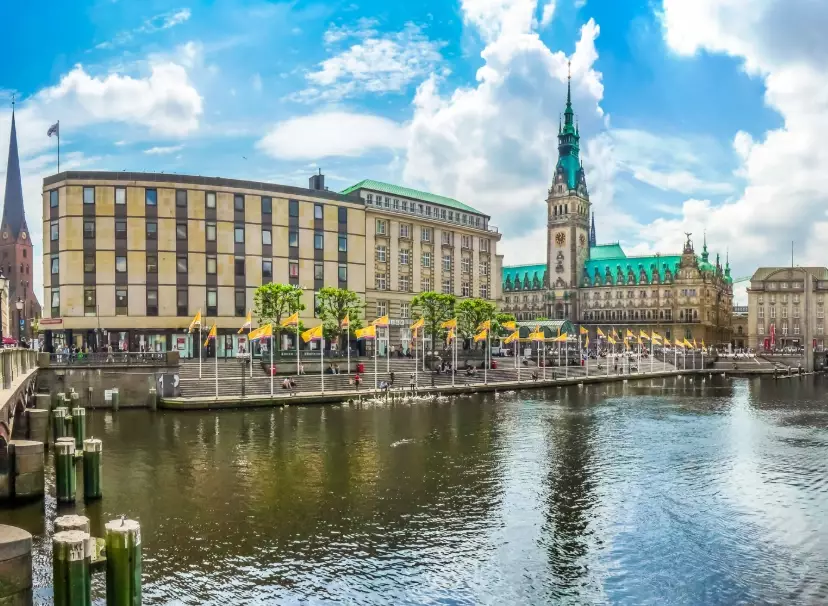
The port isn't just a place where ships dock; it's the city's living room. The Landungsbrücken (St. Pauli Piers) are the main stage. It's chaotic, touristy, but utterly magnetic. From here, you see container giants glide silently past, old sailing ships, and the constant buzz of harbor ferries. This isn't a museum exhibit; it's a working, breathing economic engine you're invited to witness.
History & Culture You Can Touch
Hamburg's history is written in brick and water.
The Speicherstadt and Kontorhaus District
The Speicherstadt, the world's largest warehouse complex, is a UNESCO World Heritage site. These Gothic Revival brick buildings sit on timber-pile foundations, crisscrossed by canals. Walking its narrow lanes at dusk, with the lamps reflecting on the water, feels like stepping into a 19th-century novel. It's not just pretty; it's a masterpiece of logistics. Inside, you'll find museums, cafes, and the incredible Miniatur Wunderland.
Right next door, the Kontorhaus District with the iconic Chilehaus, shaped like a ship's bow, showcases 1920s Brick Expressionism. This is where Hamburg's mercantile power got its office address.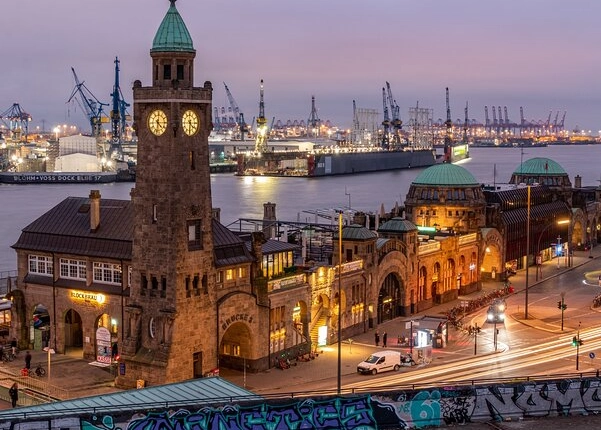
Top 5 Can't-Miss Historical & Cultural Spots
| Attraction | Key Highlight / Why Go | Address / Area | Getting There | Ticket Tip | Open Hours (Typical) |
|---|---|---|---|---|---|
| Miniatur Wunderland | World's largest model railway. Insane detail, day/night cycles. Book ahead! | Kehrwieder 2/Block D, Speicherstadt | U-Bahn U3 to Baumwall (5-min walk) | Online booking mandatory. Saves queue time. | Varies, often 9:30am-6pm. Check website. |
| International Maritime Museum | 10 floors of ship models, uniforms, art. For true nautical nerds. | Koreastraße 1, HafenCity | U-Bahn U4 to Überseequartier | Combined ticket with harbor tour available. | 10am-6pm (Tue-Sun) |
| St. Michael's Church (“Michel”) | City's landmark. Panoramic view from tower (453 steps or elevator). | Englische Planke 1, Neustadt | U-Bahn U3 to Rödingsmarkt or Landungsbrücken | Church free, tower fee ~€6. | Church: 9am-7:30pm. Tower: shorter hours. |
| Hamburg Dungeon | Theatrical, interactive walk-through of Hamburg's darker history. | Kehrwieder 2, Speicherstadt | U-Bahn U3 to Baumwall | Often cheaper online. | 10am-5pm (varies by day) |
| Speicherstadt Walking Tour | Best way to understand the architecture and history with a guide. | Tours start at various points. | - | Free walking tours (tip-based) available. | Multiple daily. |
Architecture & Modernity
Hamburg isn't stuck in the past. The HafenCity project is Europe's largest inner-city development. And its crown jewel is the Elbphilharmonie (Elphi). This glass wave sitting atop an old brick warehouse is more than a concert hall. You can take the long, curved escalator up to the Plaza for a free, 360-degree view that will redefine your mental map of the city. Seeing the old Speicherstadt at your feet with the modern port beyond is breathtaking. Even if you don't catch a concert, the building itself is a reason to visit. Check the official Elbphilharmonie website for guided tours or last-minute concert tickets.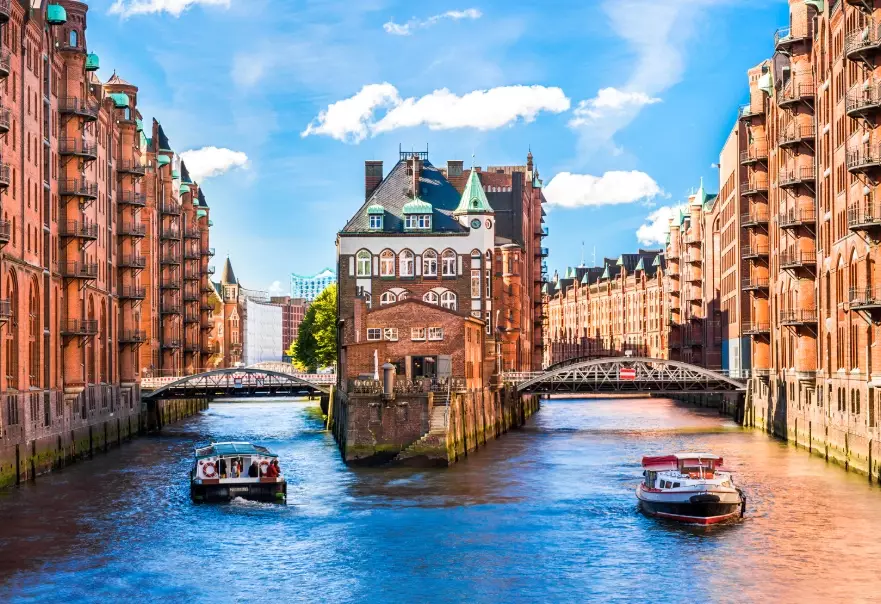
How to Experience Hamburg's Food Scene Like a Local
This is a port city. Fish is a religion. But there's more.
Fischbrötchen: The quintessential snack. A roll with pickled herring, smoked mackerel, or fried fish fillet. Don't get the first one you see at Landungsbrücken. Walk 10 minutes into St. Pauli or Altona for better quality. Brücke 10 at the Fischmarkt is a classic.
Labskaus: A must-try for the adventurous. A sailor's dish of mashed corned beef, beetroot, potatoes, pickles, and a fried egg. It looks like a pink mess but tastes hearty and unique. Try it at the historic Old Commercial Room near the Michel.
Franzbrötchen: Hamburg's answer to the cinnamon roll. Flaky, buttery, with cinnamon sugar. Any bakery will have them.
For a proper sit-down meal: Head to the Fischereihafen Restaurant (Große Elbstraße 143) for top-tier seafood with a view of the shipyards. Expect to pay €40-70 per person. In the trendy Schanzenviertel, you'll find innovative international cuisine and cool cafes at lower prices.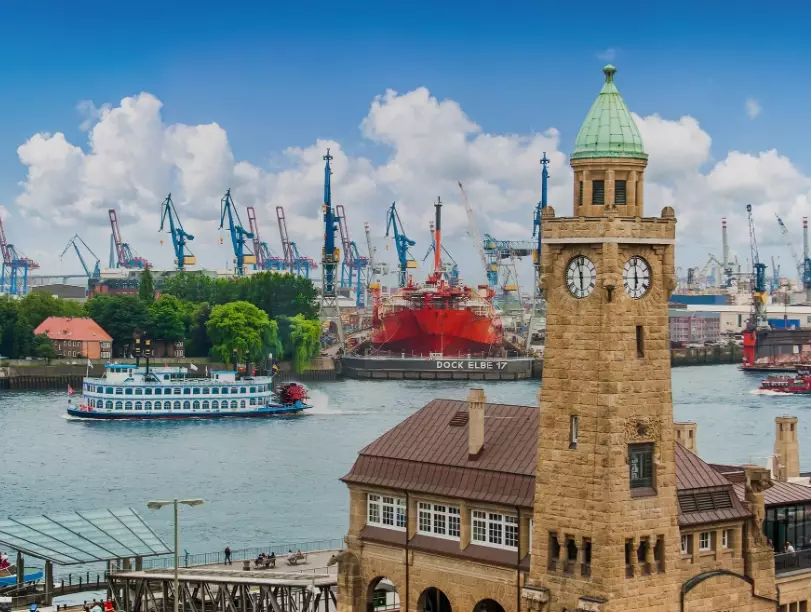
Nightlife & Entertainment Beyond the Clichés
Yes, there's the Reeperbahn in St. Pauli, one of Europe's most famous nightlife streets. It's a spectacle—theatres, clubs, bars, and yes, the red-light district. It's safe to walk through and be amazed by the energy, especially before midnight. For a more authentic local night out, the adjacent Schanzenviertel and Altona are where Hamburg's students and creatives go. Dive bars, live music venues like Molotow, and relaxed beer gardens.
Hamburg is also Germany's musical capital. Long-running shows like The Lion King or Moulin Rouge have homes here. The Stage Theater at the harbor is an experience in itself. Check platforms like Hamburg Tourism for current shows and tickets.
Shopping with a Maritime Twist
The Mönckebergstraße is the main downtown shopping drag with all the big chains. More interesting is the Neuer Wall for high-end luxury. But for character, explore the Spitalerstraße area or the small design shops in the Speicherstadt (think maritime decor, unique gifts). The Fischmarkt (Sun 5-9:30am) is an institution—part flea market, part fish market, part all-night party for those just finishing their Saturday night.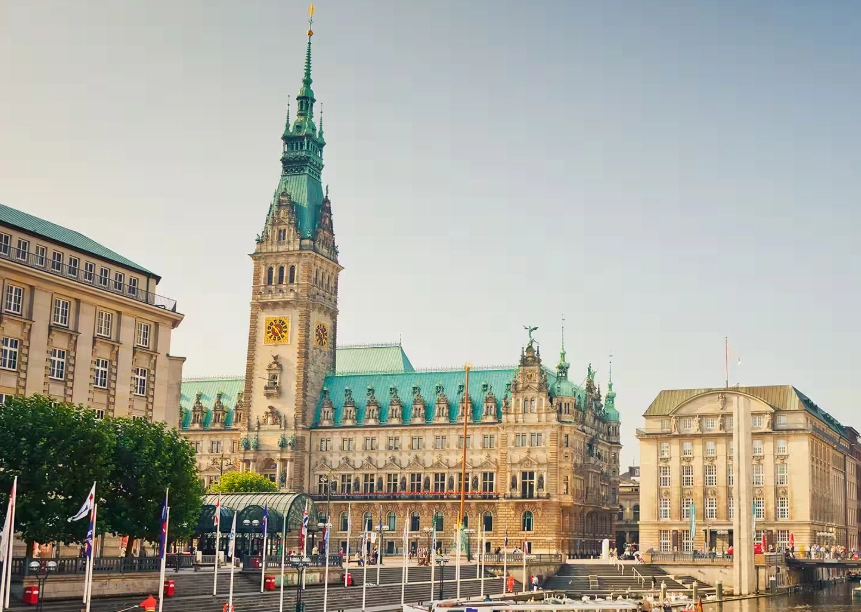
The Surprisingly Green City
This is what surprised me most on my first visit. The Alster Lakes right in the city center. Locals jog, sail, and picnic here. You can rent a paddleboat or take a quiet stroll. The Planten un Blomen park offers botanical gardens and summer water-light concerts. For a bigger escape, the Stadtpark in Winterhude has a planetarium, open-air pools, and huge grassy fields.
Practical Tips for Your Hamburg Trip
Best Time to Go: Late spring to early fall (May-September) for the best weather and outdoor cafe life. The Christmas markets in December are magical. Hamburg can be grey and rainy—pack a jacket.
Getting Around: The public transport network (HVV) is excellent. Get a Hamburg CARD. It covers all buses, trains, and ferries, and gives discounts on most attractions. The harbor ferries (lines 62, 72) are part of the system—a cheap way to do a DIY harbor tour.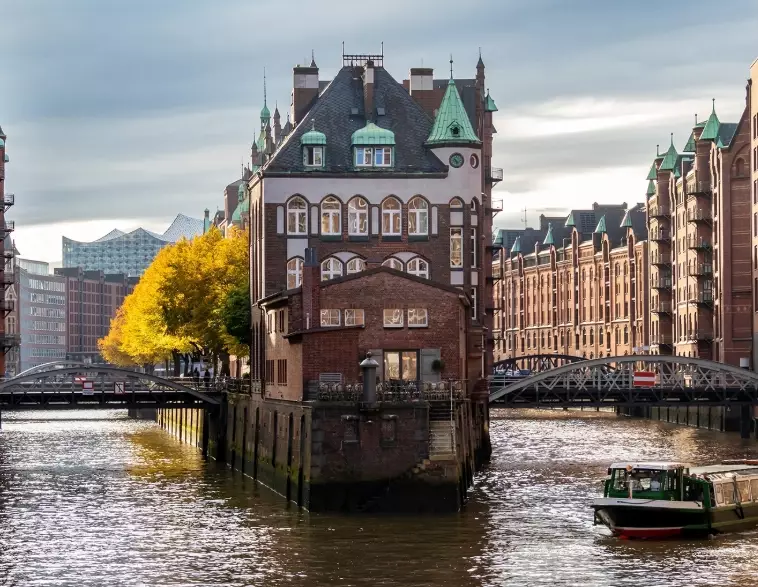
Where to Stay:
- For luxury & views: The Reichshof Hotel Hamburg (historic) or the Fontenay (modern, on the Alster). €200+/night.
- For central location: Any hotel around the Hauptbahnhof (main station) or Altstadt. Scandic Hamburg Emporio is a reliable choice. €120-180/night.
- For vibe & nightlife: The Schanzenviertel or St. Pauli. Look for boutique hotels or design hostels like Superbude. €80-150/night.
A Sample 2-Day Itinerary:
Day 1: Morning at the Elbphilharmonie Plaza. Walk through Speicherstadt to Miniatur Wunderland (booked slot). Afternoon harbor boat tour from Landungsbrücken. Evening Fischbrötchen for dinner, then explore the Reeperbahn/Schanzenviertel.
Day 2: Morning visit to St. Michael's Church and climb the tower. Walk along the Alster lakes. Afternoon shopping or choose a museum (Maritime Museum or Kunsthalle art museum). Evening dinner at a traditional restaurant for Labskaus.
Your Hamburg Questions, Answered
So, why do people go to Hamburg? They go for the feeling of space the water provides, for the clash of old brick and audacious glass, for the salty taste of a fresh Fischbrötchen by the harbor, and for the unpretentious, welcoming energy of a city that has always looked outward to the world. It's not a museum piece; it's a living, working, evolving metropolis that invites you to explore its layers. Give it more than a day. Let it surprise you.