Let's cut to the chase. The German Alpine Road (Deutsche Alpenstraße) isn't just another pretty drive. It's a 450-kilometer curated journey through the soul of the Bavarian Alps, connecting Lake Constance (Bodensee) in the west to Berchtesgaden in the east. Forget just ticking off castles—this is about experiencing the rhythm of Alpine life, from creamy cheese in a mountain hut to the silence of a glacial lake at dawn. Most guides tell you to see Neuschwanstein and move on. I've driven this route more times than I can count, and the magic is in the pauses, the detours, and knowing where the crowds thin out.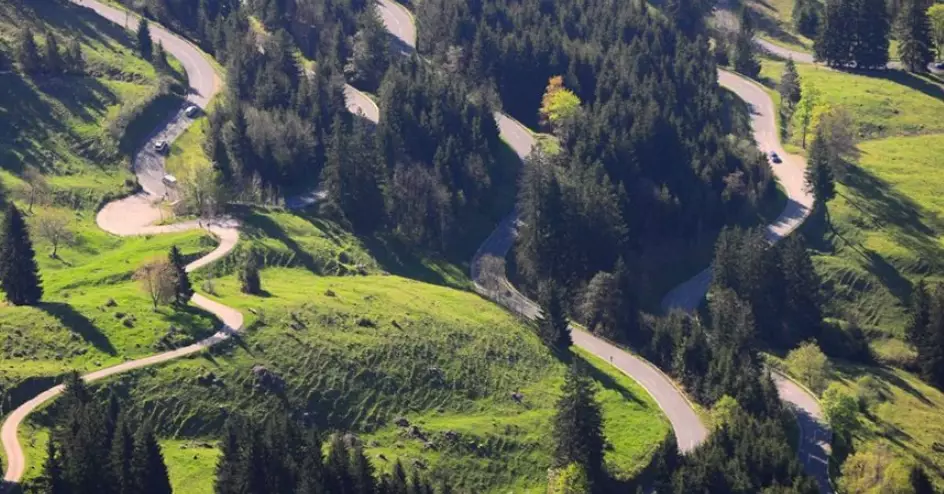
What's in This Guide?
What Exactly is the German Alpine Road?
Think of it as Germany's greatest hits album of Alpine scenery. Officially established in 1933 to promote tourism, it winds through Allgäu, Upper Bavaria, and Chiemgau. It's not a single highway but a network of well-signed federal, state, and local roads (like B308, B305, B472). The sign is a white Alpine peak on a blue background. You'll see it everywhere.
The biggest mistake first-timers make? Rushing it in two days. You'll spend all your time in the car. To feel the place, you need at least five. The route is a mix of sweeping valley views, tight mountain passes, and storybook villages. It's fully paved and well-maintained, but don't expect autobahn speeds—this is a meandering, soak-it-in kind of road.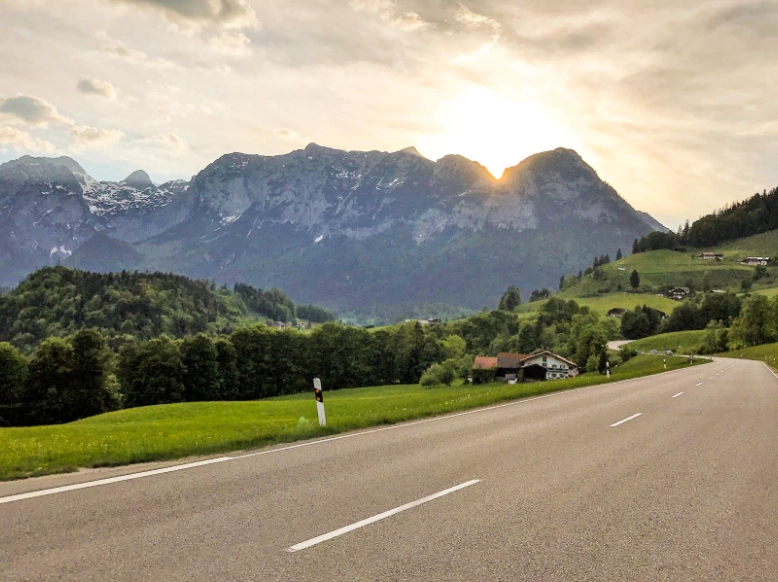
The Can't-Miss Stops (Beyond the Castle)
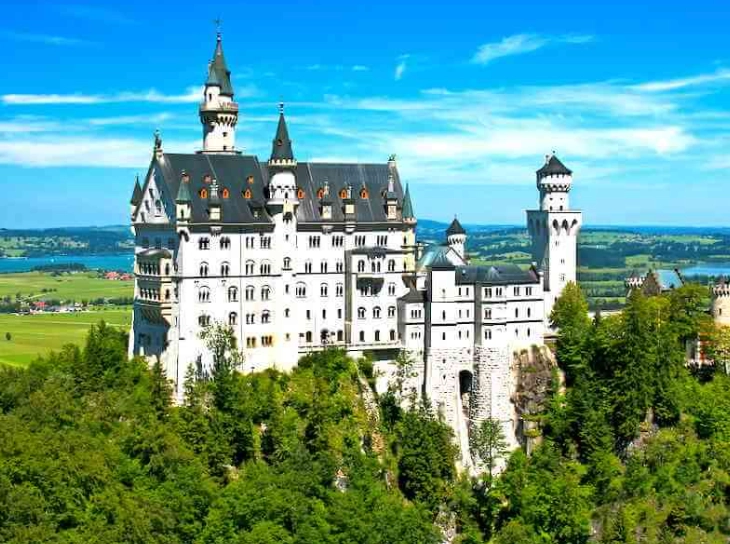
Yes, Neuschwanstein is here. But it's just the opener. Here are the stops that define the journey, with the nitty-gritty details you need to plan.
Pro Tip: The "Alpine Road" sign often points you through towns, not around them. This is intentional—it's showing you the character. Don't fight it; stop for a coffee.
Lindenhof Palace & Oberammergau
Before the madness of Neuschwanstein, visit King Ludwig II's smaller, more intimate masterpiece: Linderhof Palace. It's the only one he lived to see completed. The gardens are absurdly ornate, a mix of French formalism and Alpine grandeur.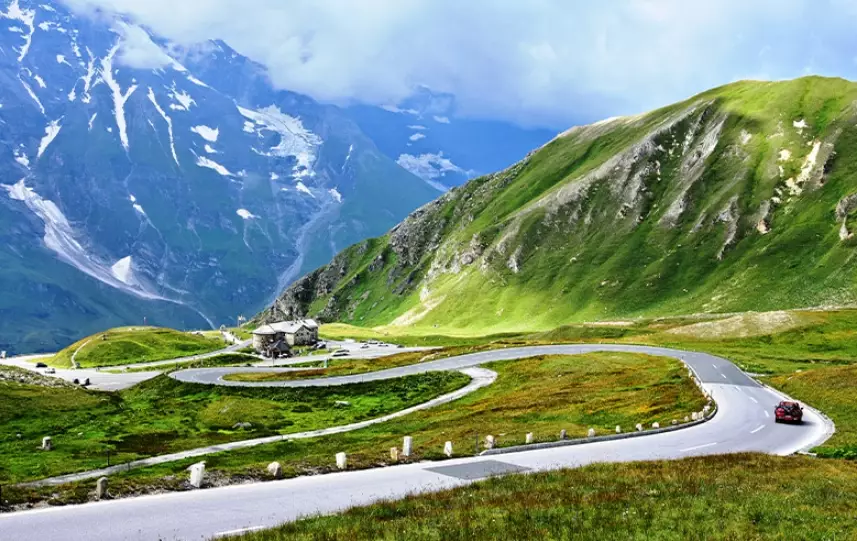
- Address: Linderhof 12, 82488 Ettal, Germany.
- Opening Hours: Palace: 9:00 AM - 6:00 PM (Apr-Oct), 10:00 AM - 4:30 PM (Nov-Mar). Gardens open longer.
- Tickets: €10 for palace & gardens (interior by guided tour only). Book online to skip the ticket line, which can be 45 minutes long in summer.
- Getting There: Ample parking (€3). It's a 10-minute drive from Oberammergau.
Oberammergau itself is famous for its Passion Play (next in 2030) and its Lüftlmalerei (frescoed house facades). The Pilatushaus on Ludwig-Thoma-Straße shows off the local woodcarving craft. It's touristy, but the craftsmanship is real.
The Zugspitze & Garmisch-Partenkirchen
Germany's highest peak (2,962 meters) is a full-day detour, but worth it for the "top of Germany" bragging rights. You can take a cogwheel train (Zahnradbahn) from Garmisch or the Eibsee cable car. The view from the top spans four countries on a clear day.
- Cost: A round-trip ticket is around €65. It's steep, but it includes all trains and cable cars.
- My Advice: Go for the Eibsee cable car ascent. The view of the emerald-green Eibsee lake as you soar above it is unbeatable. Take the train down for variety. Start early to beat the clouds that often roll in by afternoon.
Garmisch-Partenkirchen is the bustling adventure hub. The Partnach Gorge (Partnachklamm) is a stunning, easy hike through a torrential ravine (€7 entry, open year-round).
Königssee & Berchtesgaden
The eastern finale. Königssee is a fjord-like lake so pristine only electric boats are allowed. The boat trip to St. Bartholomew's church is iconic.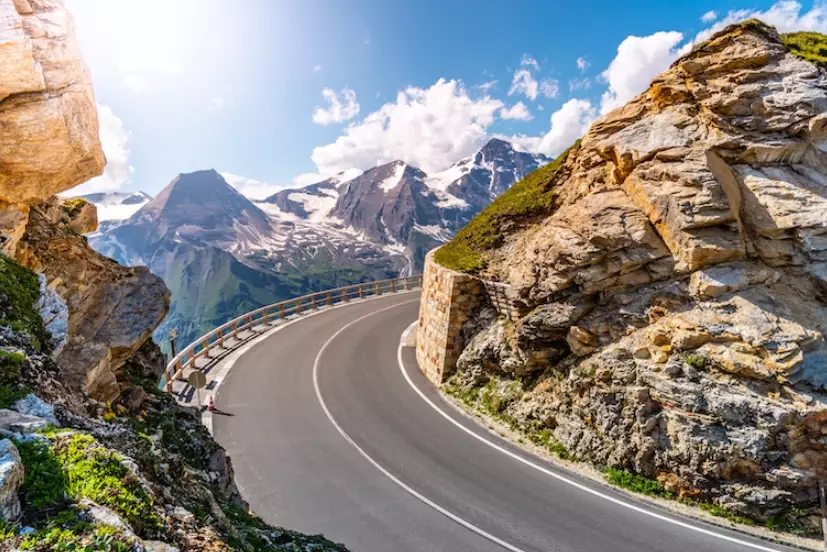
- Boat Trip Info: Operates 8:00 AM - 5:30 PM (shorter in winter). Round trip to St. Bartholomew is about €22.50. The echo demonstration by the boatman is charmingly old-school.
- Don't Miss: Get off at Salet (the last stop) and hike 15 minutes to the smaller, quieter Obersee lake. It's postcard-perfect.
Berchtesgaden town has a lovely salt mine tour (Salzbergwerk) and the hauntingly historical Eagle's Nest (Kehlsteinhaus), Hitler's former mountain retreat. The Eagle's Nest access is via special bus from the Documentation Center.
| Key Stop | Must-See Highlight | Practical Note | Time Needed |
|---|---|---|---|
| Neuschwanstein Castle | Marienbrücke (Mary's Bridge) for the classic photo | Book tickets months in advance online. Parking is in Hohenschwangau. | Half Day |
| Tegernsee Lake | Circular hike or bike ride around the shore | Less crowded than Chiemsee, full of local vibe. Great for a lunch stop. | 2-3 Hours |
| Chiemsee Lake & Herrenchiemsee | Ludwig's "Bavarian Versailles" on an island | Take the ferry from Prien/Stock. Bike rental on Herreninsel is ideal. | Half Day |
| Wendelstein Mountain | Panoramic views via Germany's oldest cable car | A fantastic alternative to Zugspitze if short on time or budget. | 3-4 Hours |
How to Plan Your German Alpine Road Trip
Here’s a sample 5-day itinerary that balances driving with experiencing. This assumes you're starting from Lindau on Lake Constance.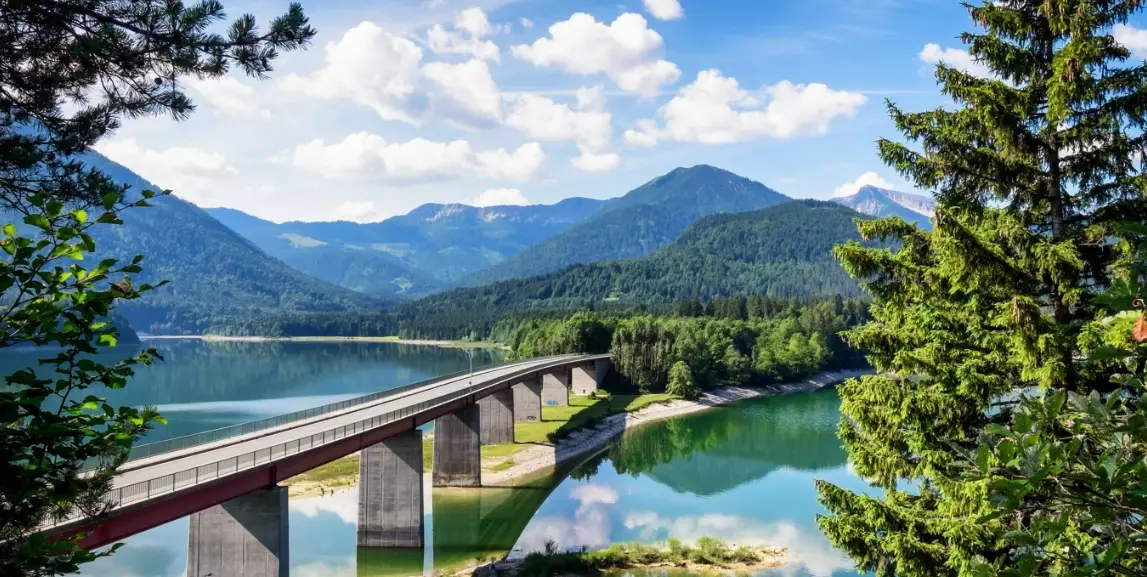
Day 2: Castle Day. Linderhof in the morning, Neuschwanstein/Hohenschwangau in the afternoon (with pre-booked tickets!). Sleep in Füssen.
Day 3: Füssen to Garmisch (via Plansee lake) (~80km). Partnach Gorge hike, explore Garmisch. Overnight in Garmisch.
Day 4: Garmisch to Berchtesgaden (~180km). Longest drive. Stop at Tegernsee for lunch, maybe Wendelstein cable car. Overnight in Berchtesgaden.
Day 5: Königssee & Berchtesgaden. Dedicate the full day to the boat trip and Obersee hike.
This is a framework. Add days if you want to include Zugspitze or Chiemsee properly.
Essential Driving Tips & Local Know-How
Renting a car is non-negotiable for flexibility. Get a smaller car—streets in old towns are narrow. Automatic transmission costs more but is worth it if you're not used to manual on hills.
- Best Time to Go: Late May to early October. July/August are peak—book everything ahead. September is golden: fewer crowds, harvest festivals, and clear air.
- Road Tolls & Vignettes: None. Germany's autobahns and scenic roads are toll-free for cars.
- Parking: It's rarely free. Look for Parkhaus (parking garage) or marked bays. Pay stations (Zahlautomat) are common—pay and display the ticket on your dash. In small villages, sometimes you just find a spot on the street.
- A Local Secret: The word "Ferienwohnung" (holiday apartment). Renting one for a couple of nights, especially in a place like Reit im Winkl or Ruhpolding, gives you a kitchen and feels more authentic than a chain hotel. Look for signs or check local tourism sites.
Drive respectfully. This is a residential area for many. Pull over in designated bays to let faster local drivers pass and to take photos.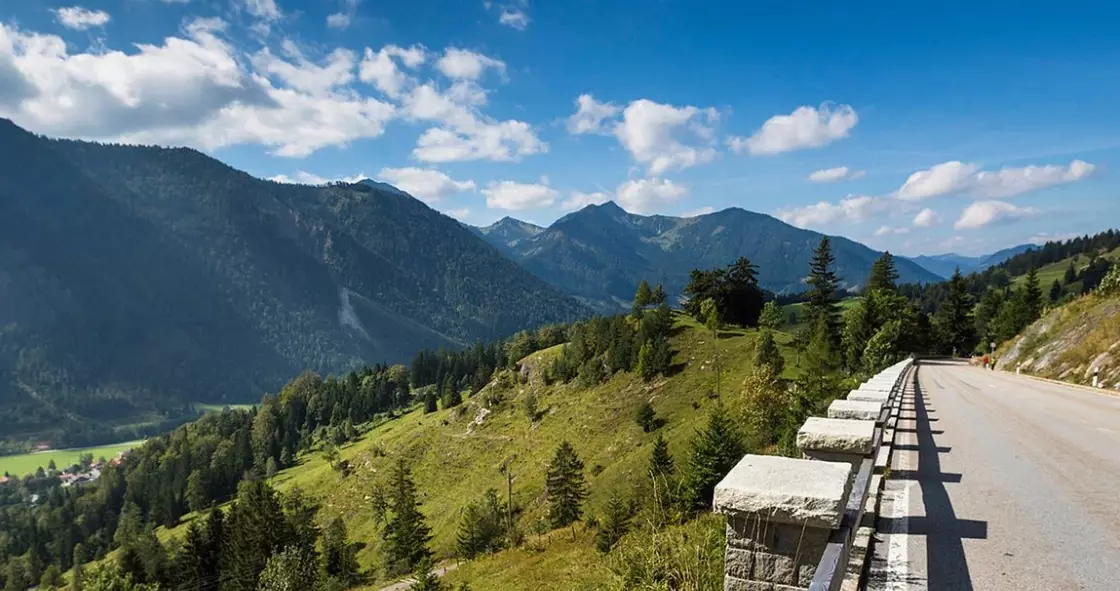
Where to Stay: Alpine Charm vs. Modern Comfort
Your base matters. Don't change hotels every night; pick 2-3 strategic bases.
For Alpine Charm & Tradition:
Hotel-Gasthof Fraundorfer (Garmisch-Partenkirchen): Right in the old part of Partenkirchen. Wood-paneled rooms, a famous Bavarian evening show in the restaurant, and family-run for generations. You're in the heart of the tradition. Rooms from €110/night with breakfast.
Alpenhotel Denninglehen (Berchtesgaden): A bit outside the town center, up a hill with staggering views of the Watzmann mountain. Sauna, rustic rooms, and peace. Perfect after a day at Königssee. Rooms from €130/night.
For Modern Comfort & Design:
Hotel Das Rübezahl (Füssen): A sleek, adults-only hotel with a fantastic spa area and views of the Alps. A stylish retreat after castle-hopping. Rooms from €160/night.
Villa am See (Tegernsee): Modern apartments and rooms right on the lake promenade. Your own kitchenette, stunning balconies. Feels like a local's lakeside getaway. Apartments from €140/night.
Your German Alpine Road Questions Answered
 I only have 3 days. What's the absolute core section?