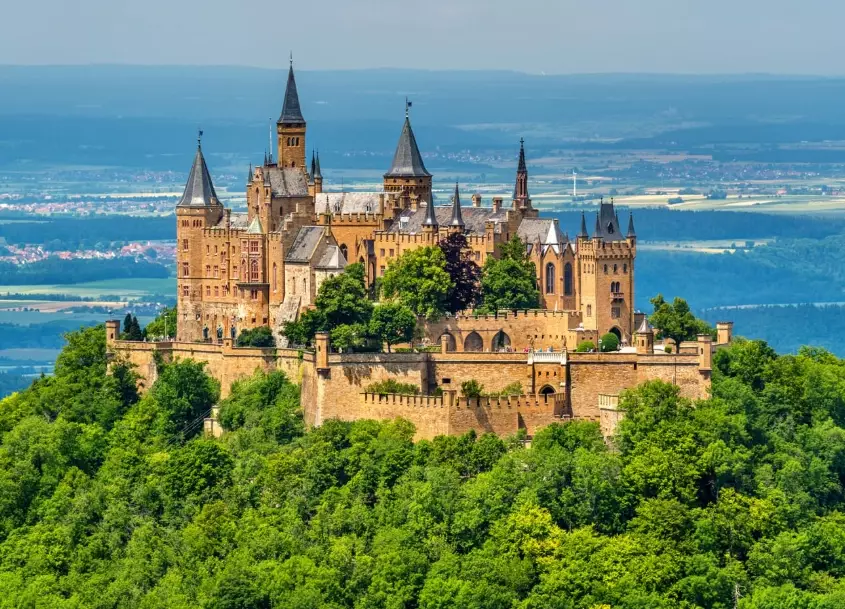
Let's cut to the chase. You're planning a trip to Germany and you've hit the classic traveler's dilemma: Munich or Berlin? It's like asking someone to choose between chocolate and pizza—both are fantastic, but for completely different reasons. I've spent months in both cities, and the truth is, the "better" one depends entirely on what you're looking for. Berlin is a gritty, creative, all-night party. Munich is a polished, traditional, beer-fueled gem. This guide won't just list facts; it'll help you feel which city matches your travel personality.
What's Inside: Your Quick Guide
The Vibe Check: Culture & Atmosphere
This is where the cities diverge most. Getting the vibe wrong can make or break your trip.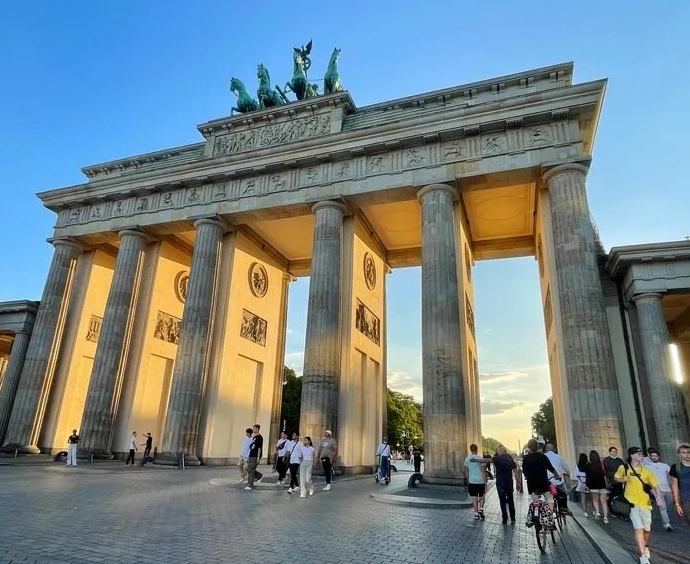
Munich: Refined, Traditional, Wealthy
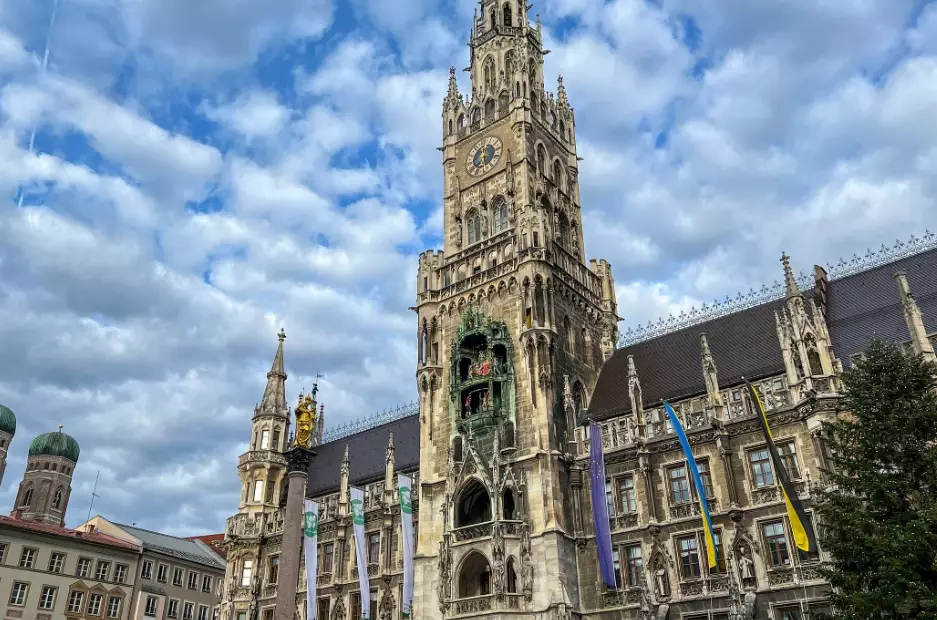
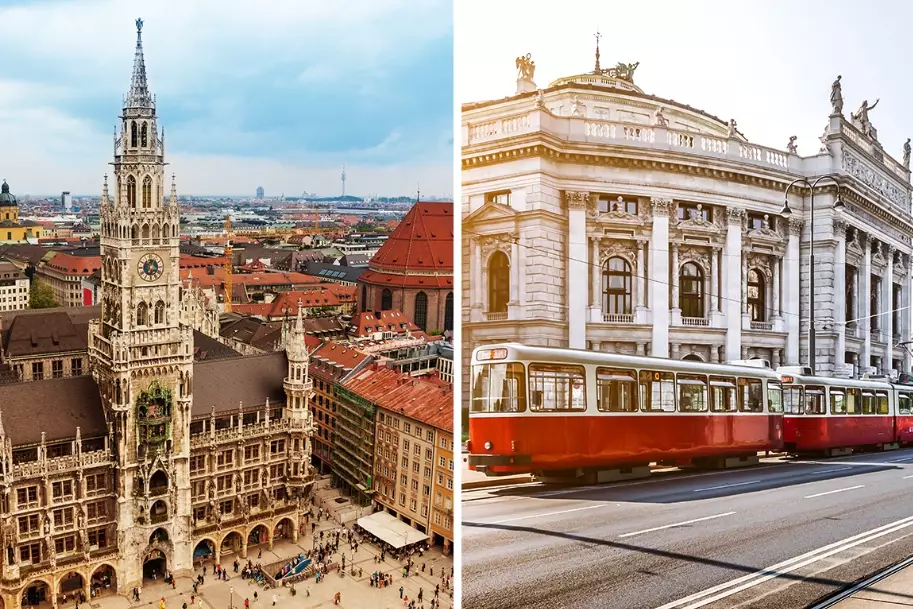
Munich feels like Germany's successful, well-dressed older sibling. It's clean, orderly, and radiates a sense of Bavarian pride. Think lederhosen, gleaming luxury cars, and manicured parks like the English Garden (larger than Central Park, and yes, people surf in the river there). The city center around Marienplatz is postcard-perfect, dominated by the Neues Rathaus (New Town Hall). Its glockenspiel show at 11 am and 12 pm (plus 5 pm from March to October) is touristy but charming.
The pace is calmer. People work hard, but they also know how to enjoy life—often in a beer garden. There's a formality here; you'll rarely see someone in sweatpants downtown. It's a city that respects rules and tradition. For many, that's comforting. For others, it can feel a bit… stiff.
Berlin: Raw, Creative, Unfinished
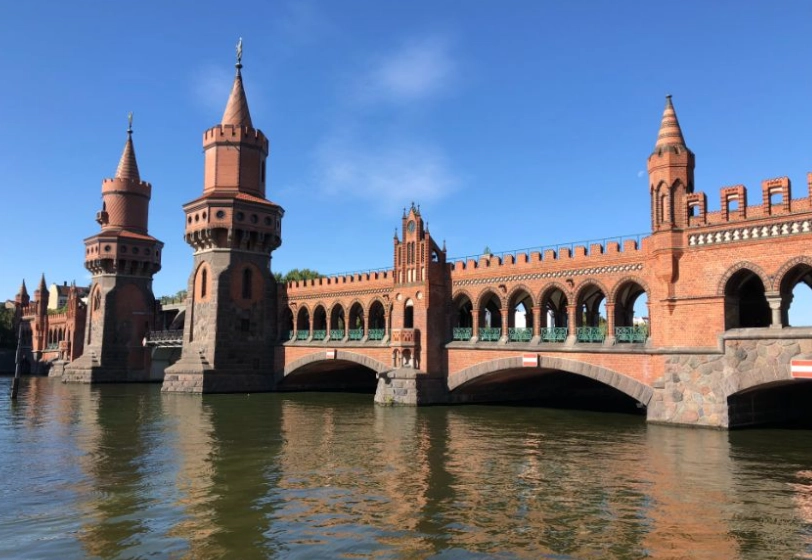
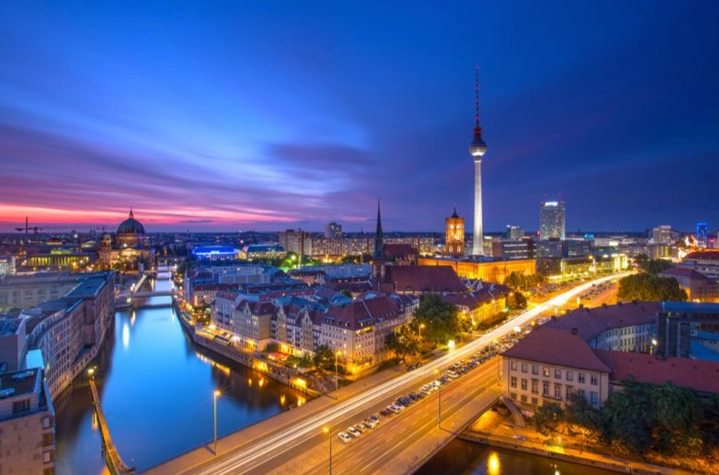
Berlin is a phoenix. It's a city forever being rebuilt, both physically and culturally, which gives it an incredible, chaotic energy. You'll find world-class art galleries next to graffiti-covered squats, and five-star restaurants around the corner from a vegan kebab stand.
Neighborhoods have stark personalities. Mitte is the historic, tourist-heavy center. Kreuzberg and Friedrichshain are the gritty, creative hearts, packed with street art, alternative bars, and a legendary nightlife that doesn't even think about starting before midnight. Prenzlauer Berg is the gentrified, family-friendly area with beautiful pre-war buildings and trendy cafes.
Berlin is informal to its core. Come as you are. The city doesn't judge. It's this sense of total freedom and possibility that draws artists, entrepreneurs, and free spirits from all over the world. It can also feel sprawling, rough around the edges, and intentionally imperfect.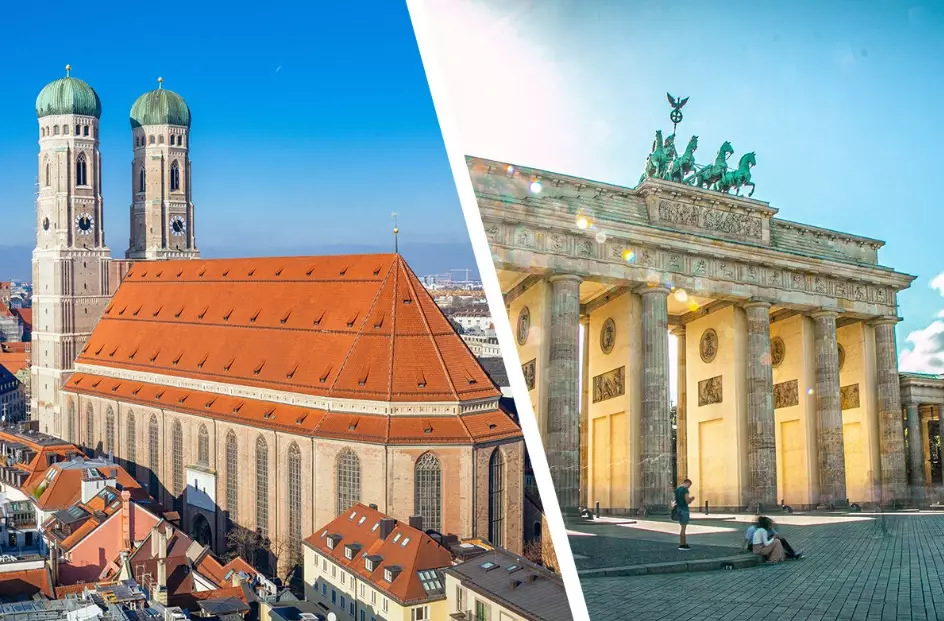
The Costs Breakdown: Budget & Daily Spending
Here's a common myth: "Berlin is cheap." It's more accurate to say Berlin has a wider range. You can live on very little, but the mid-range and upscale options have caught up to other European capitals.
| Expense | Munich (Approx.) | Berlin (Approx.) | Notes |
|---|---|---|---|
| Mid-range Hotel (per night) | €120 - €180 | €100 - €160 | Berlin offers more boutique options in cool neighborhoods for this price. |
| Hostel Dorm Bed | €35 - €55 | €25 - €45 | Berlin wins for budget accommodation, with more unique, social hostels. |
| Public Transport Day Ticket | €8.80 (Zone M) | €9.90 (AB Zone) | Both systems are excellent. Berlin's is more extensive. |
| Museum Entry | €10 - €15 | €8 - €14 | Similar. Check for combo cards like Berlin's Museum Pass (3 days, €29). |
| Pint of Beer in a Bar | €4 - €5.50 | €4 - €5 | Surprisingly close. Munich's beer gardens are cheaper (€3-€4 for a Maß). |
| Casual Restaurant Meal | €15 - €25 | €12 - €22 | Berlin has more cheap, high-quality ethnic food options. |
| Kebab/Döner | €5 - €7 | €4.50 - €6 | The birthplace of the Döner Kebab (Berlin) has a slight edge in price and variety. |
The real budget killer in Munich is accommodation. You'll simply pay more for less space. Dining and drinking, however, are more comparable than people think, especially if you embrace Munich's beer hall culture. Berlin gives you more options to spend very little (street food, free walking tours, park hangouts) or a whole lot (fine dining, designer hotels).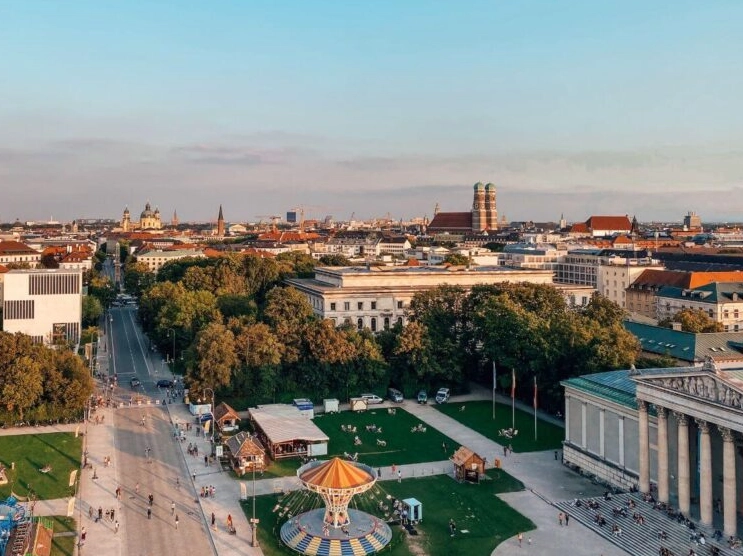
Must-See Sights & Experiences
Munich's Top Draws
- Marienplatz & the Frauenkirche: The epicenter. Climb St. Peter's Church (“Alter Peter”) for the best view. Frauenkirche entrance is free, tower access is about €5.
- Nymphenburg Palace: The summer residence of Bavarian rulers. Stunning gardens (free to enter) and a lavish palace interior (€8 in summer, €6 in winter). Take Tram 17 from the city center.
- Deutsches Museum: One of the world's largest science and tech museums. It's massive—plan 4+ hours. Entry is €15. Located on an island in the Isar River.
- Viktualienmarkt: A daily food market since 1807. Perfect for lunch, people-watching, and buying souvenirs. Closed Sundays.
- Dachau Concentration Camp Memorial: A sobering, essential day trip. Reachable by S-Bahn (S2 to Dachau) then a bus. Entry is free, but book a guided tour (€4) for context. Allow 4-5 hours.
Berlin's Unmissable Spots
- The Brandenburg Gate & Reichstag: Symbols of unified Germany. You must pre-book a free visit to the Reichstag dome online in advance. The view is worth the planning.
- Berlin Wall Memorial & East Side Gallery: For the Wall, go to the open-air memorial on Bernauer Strasse (free). The East Side Gallery is a 1.3 km stretch of painted wall—iconic, but often crowded.
- Museum Island: A UNESCO site with five world-class museums. The Pergamonmuseum (currently partially closed for renovation) and the Neues Museum (home to Nefertiti) are highlights. The area itself is beautiful to wander.
- Jewish Museum Berlin: More than a museum; it's an architectural and emotional experience. The building by Daniel Libeskind is a masterpiece. Entry €8.
- Tempelhofer Feld: A former airport turned massive public park. People grill, kite-surf, and bike on the old runways. It perfectly captures Berlin's adaptive, community spirit. Free.
The Food & Drink Scene
This is another major fork in the road.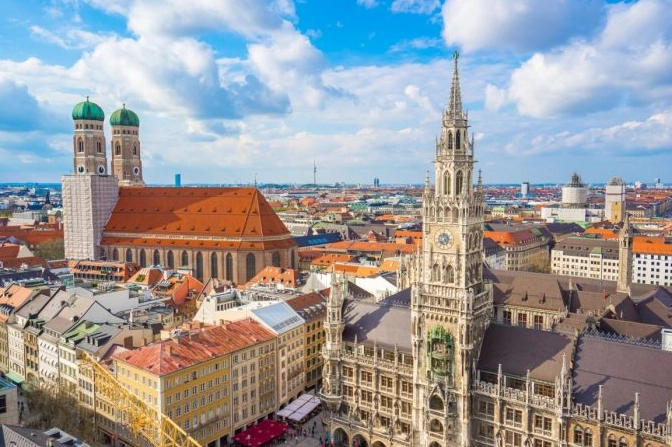
Munich is the kingdom of hearty Bavarian fare. Think Schweinshaxe (pork knuckle), Weißwurst (veal sausage) with sweet mustard before noon, and giant Brezn (pretzels). You must experience a beer hall. Hofbräuhaus is the famous one (Platzl 9, 11am-11:30pm)—it's chaotic and touristy but fun for one loud, beer-sloshing visit. For a more local feel, try Augustiner-Keller (Arnulfstraße 52) or Hofbräukeller (Innere Wiener Straße 19).
Berlin is a global food city. Yes, you can find classic German dishes like Currywurst (must try at Konnopke's Imbiss under the Eberswalder Str. U-Bahn station), but the magic is in its diversity. It's a haven for vegan/vegetarian food (try 1990 Vegan Living in Friedrichshain for Vietnamese), Turkish cuisine (head to Kreuzberg for the best kebabs), and innovative fine dining. The café culture is also superior—spending hours in a cozy Prenzlauer Berg cafe with a book is a perfect Berlin afternoon.
Where to Stay: Neighborhood Guide
Picking the right area is crucial, especially in Berlin.
In Munich: Most first-timers stay central. Altstadt-Lehel puts you right by the sights but is pricey. Ludwigsvorstadt-Isarvorstadt (near the Hauptbahnhof) is more affordable and has great transport links, though it's less charming. For a local, quieter feel with good S-Bahn access, look at Sendling or Maxvorstadt (the university district).
In Berlin: Mitte: Best for sightseeing, high-end hotels, but can feel sterile at night. Kreuzberg/Friedrichshain: The heart of alternative Berlin. Best for nightlife, street food, and a gritty vibe. Not the quietest. Prenzlauer Berg: Beautiful, leafy, full of families and cafes. More relaxed but still cool. Charlottenburg: The "old West Berlin." Elegant, quieter, with great shopping (Kurfürstendamm).
Decision Time: Who Should Pick Which City?
Still stuck? Let's make it personal.
Choose Munich if you: Love traditional architecture and tidy streets. Prioritize day trips to castles (Neuschwanstein!), the Alps, or quaint towns. Want a more "quintessential" German experience with lederhosen, oompah music, and beer halls. Are traveling with family—it's clean, safe, and manageable. Prefer a city that feels finished and easy to navigate. Have a higher accommodation budget.
Choose Berlin if you: Thrive on raw energy, art, and counter-culture. Are a history buff fascinated by 20th-century Cold War and WWII history. Plan to go out late and experience legendary nightlife. Love exploring distinct, edgy neighborhoods. Are on a tighter budget (especially for hostels). Value diversity, inclusivity, and a "come as you are" attitude.
Can't decide? They're only a 4-hour direct train ride apart on the ICE high-speed train. A 5-7 day trip splitting time between both is very doable and gives you the best of both worlds.
Your Questions, Answered
I only have 3 days in Germany. Should I split time or pick one city?
Pick one. With three days, splitting means losing almost a full day to travel and check-in/out logistics. You'll only scratch the surface of each. Immerse yourself in one city's rhythm instead.
Which city is better for a solo female traveler?
Both are very safe by big city standards. Berlin might feel more comfortable for solo travelers because of its extremely social hostels and café culture—it's easier to meet people. Munich is safe but can feel more couple- or group-oriented in its social scenes.
We're a couple looking for a romantic getaway. Munich or Berlin?
For classic romance—cobblestone streets, palace gardens, cozy beer halls—Munich is the clear choice. Berlin's romance is more unconventional: a sunset picnic at Tempelhofer Feld, exploring hidden courtyards in Prenzlauer Berg, or a cocktail in a speakeasy bar.
Is English widely spoken in both cities?
Yes, exceptionally well, especially among younger people and in service industries. You'll have zero problem getting by with only English. However, learning a few basic German phrases (Danke, Bitte) is always appreciated and goes further in Munich.
What's the biggest mistake tourists make when choosing?
Assuming the cities are interchangeable. Booking a trip to Berlin expecting a quaint, traditional German fairy-tale will lead to disappointment (and vice-versa). The mistake isn't picking the "wrong" city; it's not aligning your choice with your travel personality. A history lover who hates clubs will find Berlin exhausting. A luxury traveler seeking polish might find Munich's formality perfect.