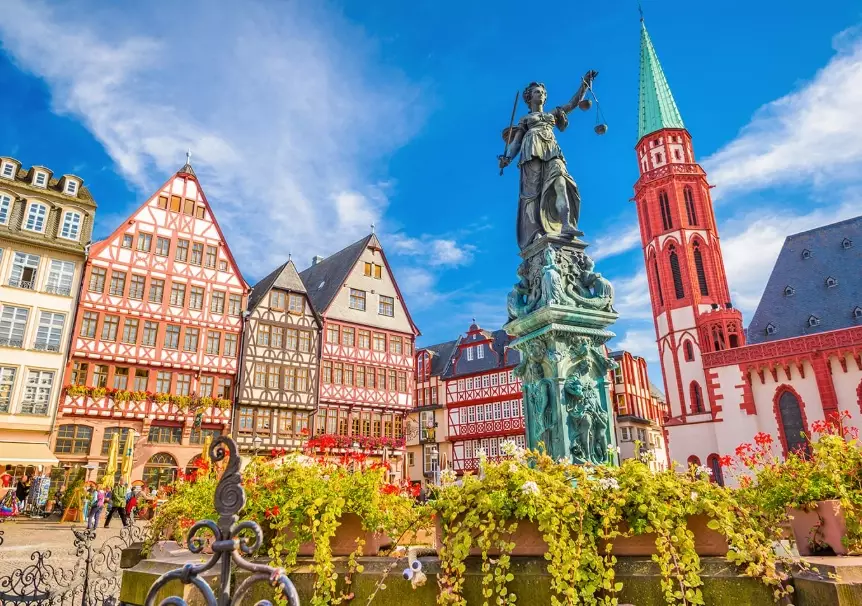
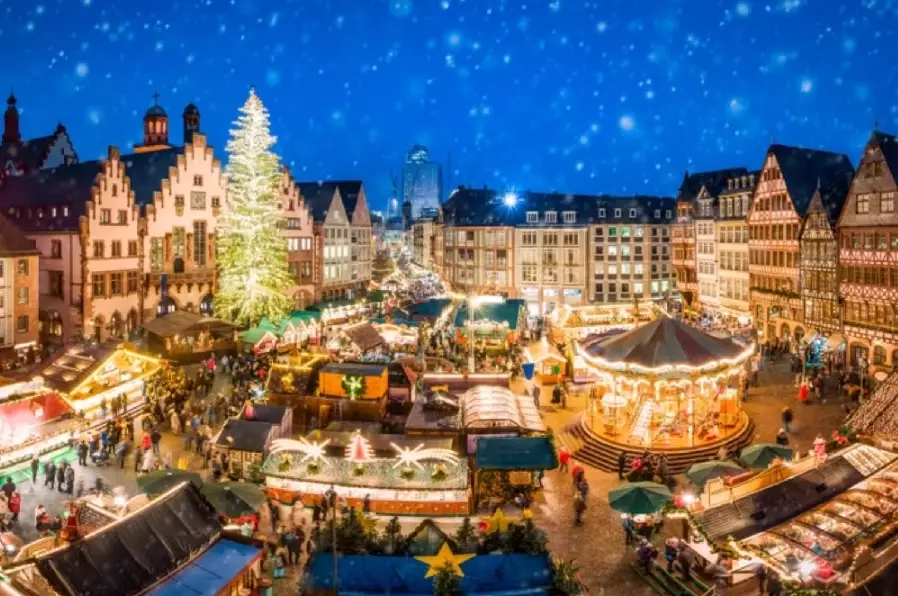
You've seen the pictures. You know the ones – crooked, timbered houses dusted with snow, glowing windows filled with wooden toys, and narrow cobblestone streets lined with tiny wooden huts selling steaming mugs and hand-carved ornaments. That iconic, almost impossibly perfect postcard image of a German Christmas. If you're asking yourself "what is the famous German Christmas town?", you're probably picturing a very specific place.
Quick Guide to German Christmas Towns
- The Undisputed Champion: Rothenburg ob der Tauber
- The Other Heavyweights: Cities That Give Towns a Run for Their Money
- Beyond the Usual Suspects: Other Contenders for "Christmas Town" Fame
- Your Practical Guide to Choosing and Visiting
- Answering Your Burning Questions (FAQ)
- Wrapping It Up: More Than One Answer
And you're not wrong to have one in mind. But here's the thing Germany doesn't have just *one* famous Christmas town. It has a whole collection of them, each with its own flavor, history, and magic. The image in your head, though, is most likely Rothenburg ob der Tauber. It's the poster child, the one that launched a million Instagram posts. But calling Rothenburg the *only* answer to "what is the famous German Christmas town?" does a disservice to some other incredible places.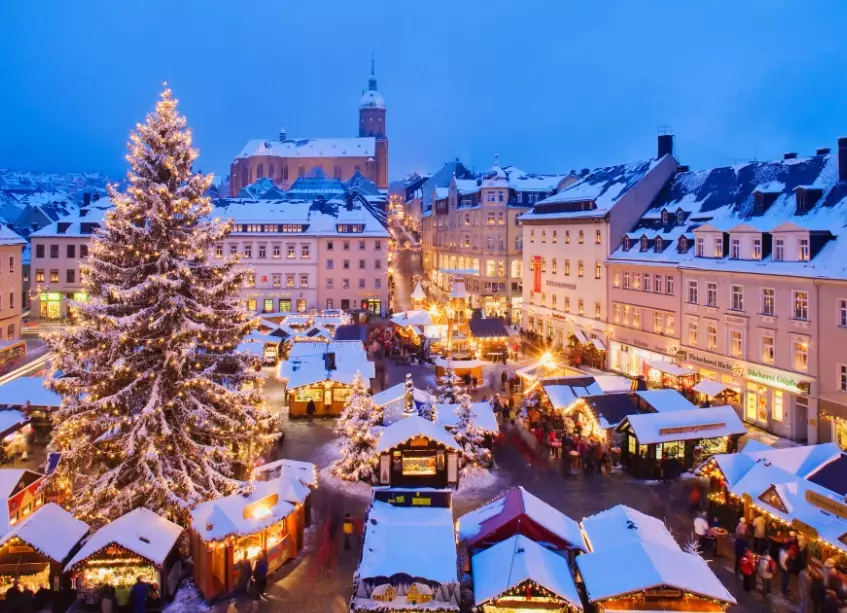
The Quick Answer: The most famous single town is overwhelmingly Rothenburg ob der Tauber in Bavaria. Its "Reiterlesmarkt" Christmas market, set within its perfectly preserved medieval walls, is the literal definition of a storybook Christmas. However, major cities like Nuremberg and Dresden host world-renowned Christmas markets that are equally famous in their own right, often on a grander scale.
I've been to more than a few of these markets over the years, and let me tell you, the vibe in each is wildly different. Rothenburg feels like stepping into a snow globe. Nuremberg feels like a massive, joyful, gingerbread-scented festival. Dresden feels deeply traditional and artistic. Picking one depends entirely on what you're after.
The Undisputed Champion: Rothenburg ob der Tauber
Let's start with the heavyweight, the town that probably comes up first in any search for "what is the famous German Christmas town?". Rothenburg is the archetype. It's not a recreation; it's the real, lived-in, fully preserved medieval town that somehow survived centuries without major damage. Walking its streets any time of year is special, but during Advent, it transforms.
Why Rothenburg *Feels* So Magical
It's the scale. It's intimate. The main market square isn't vast; it's cozy, dominated by the Town Hall and surrounded by those iconic facades. The market stalls (Buden) are made of wood, often looking like they grew there. The smell of roasted almonds (gebrannte Mandeln) and mulled wine (Glühwein) is everywhere. You can literally walk from one end of the town center to the other in 15 minutes, but you'll spend hours because every alleyway beckons.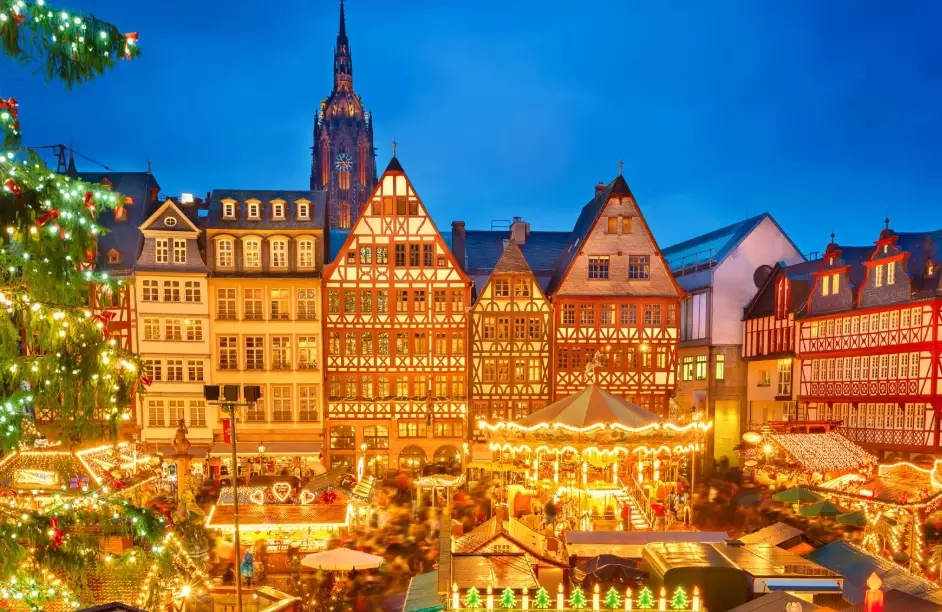
My personal take? The magic peaks after dark when the day-tripper crowds thin out a little. The lights twinkle, the shadows get longer, and you can almost hear the echoes of centuries past. It's also when you can actually get close to the stalls to buy a Schneeball (that local pastry that's basically fried dough strips balled up and covered in sugar or chocolate – it's... an acquired texture, to be honest).
But it's not just atmosphere. Rothenburg's Käthe Wohlfahrt empire is a huge part of its Christmas fame. The main store, „Käthe Wohlfahrt – Der Weihnachtsladen“, is a year-round Christmas wonderland spread over several floors. It's overwhelming in the best way. Then there's the German Christmas Museum upstairs, which gives fascinating context to all the traditions you're seeing outside.
The Flip Side: This fame comes at a cost. Rothenburg can be extremely crowded, especially on weekends in December. The main streets can feel like a shuffle. If you hate crowds, this might test your patience. My advice? Stay overnight in the town. The evenings and early mornings, when you have the cobblestones mostly to yourself, are when Rothenburg truly shines and answers the question "what is the famous German Christmas town?" with pure, uncrowded magic.
The Other Heavyweights: Cities That Give Towns a Run for Their Money
While Rothenburg is the iconic *town*, several German *cities* host Christmas markets so famous they often steal the spotlight. When people ask about the famous German Christmas experience, these are invariably part of the conversation.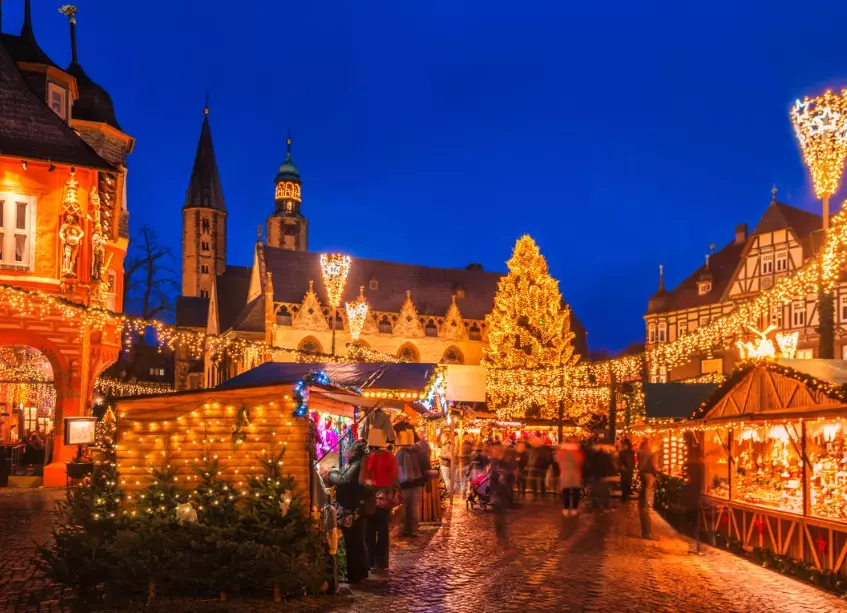
Nuremberg: The Gingerbread Giant
The Nuremberg Christkindlesmarkt is one of the oldest and most famous in the world. It's big, it's professional, and it's stunningly beautiful, set in the city's main market square beneath the towering Frauenkirche. The opening ceremony, with the Christkind (a traditional Christmas angel figure) reciting a prologue from the balcony, is a major event.
What makes it special is its focus on tradition and quality. Stallholders have to sell mostly handmade goods, and the famous Nuremberg gingerbread (Lebkuchen) is a must-try (far superior to a Schneeball, in my humble opinion). There's even a separate market for children (Kinderweihnacht) with a merry-go-round and a small train.
Dresden: The Historical Powerhouse
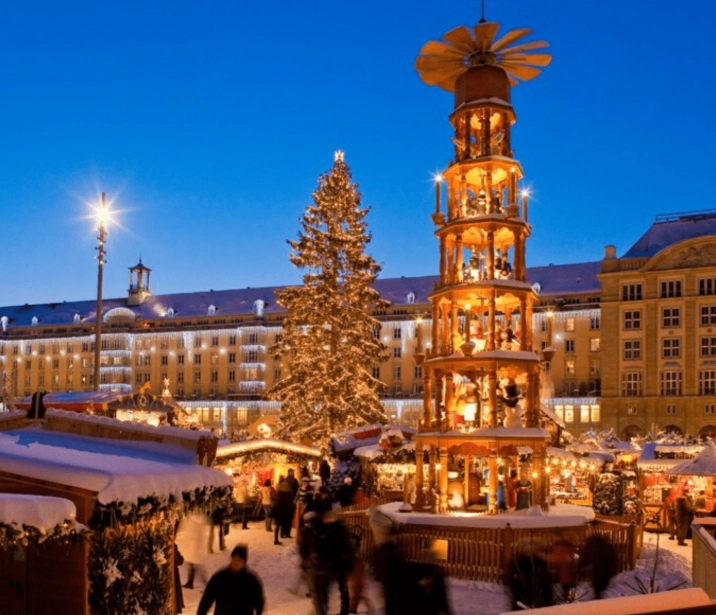
The Dresden Striezelmarkt claims to be Germany's oldest documented Christmas market, first held in 1434. The name comes from Striezel, an old German word for the Christmas stollen, a fruit bread that originated here. Speaking of which, the annual Stollenfest, where a several-ton stollen is paraded through the city and sliced, is a unique spectacle.
Set around the majestic Frauenkirche in the rebuilt historic center, the Dresden market feels scholarly and artistic. It's famous for its Schwibbogen (wooden candle arches) and intricate Räuchermännchen (smoking incense smokers). The craftsmanship on display here is top-tier.
For authoritative information on its history and events, the official Dresden tourism page for the Striezelmarkt is an excellent resource.
Beyond the Usual Suspects: Other Contenders for "Christmas Town" Fame
If you're willing to wander off the beaten path a bit, you'll find towns that offer incredible charm with (sometimes) fewer crowds. These places are often the answer for travelers looking for a deeper cut.
- Cologne (Köln): Not a town, but a city with not one, but seven major Christmas markets, each with a different theme. The one cathedral is breathtaking. The atmosphere is jovial and cosmopolitan.
- Esslingen: This medieval town near Stuttgart runs a parallel Medieval Market and Christmas Market. You'll find jesters, fire-eaters, and stalls selling handmade chainmail alongside the traditional Glühwein. It's a fantastic, unique twist.
- Monschau: A tiny, picturesque town in the Eifel region, squeezed into a narrow valley. The half-timbered houses draped along the river, dusted with snow, are unbelievably charming. The market is small but feels incredibly authentic and local.
- Goslar: A UNESCO World Heritage site with a market set against the backdrop of its historic Kaiserpfalz (Imperial Palace). It has a majestic, historical feel that's different from the Bavarian coziness.
Your Practical Guide to Choosing and Visiting
Knowing the names is one thing. Deciding which one is right for your trip is another. Let's break it down pragmatically.
| Destination | Best For... | Atmosphere/Vibe | Crowd Level (Peak Dec.) | Unique Selling Point |
|---|---|---|---|---|
| Rothenburg ob der Tauber | The iconic postcard photo, intimate medieval charm, Christmas shopping (Käthe Wohlfahrt). | Cozy, storybook, romantic, nostalgic. | Very High | The perfect, preserved medieval town setting. |
| Nuremberg Christkindlesmarkt | A grand, traditional & famous market experience, families, gingerbread lovers. | Festive, bustling, celebratory, well-organized. | Extremely High | Historical significance & strict quality/handmade focus. |
| Dresden Striezelmarkt | History buffs, lovers of high-quality crafts (woodwork), Stollen fans. | Elegant, traditional, artistic, slightly formal. | High | Oldest documented market, stunning setting by the Frauenkirche. |
| Esslingen | Something different, medieval enthusiasts, avoiding pure "Christmas" cliché. | Themed, playful, unique, immersive. | Medium-High | Parallel Medieval Market with actors & themed goods. |
| Monschau | Extreme picturesque charm, small-town feel, romance, photography. | Quaint, local, peaceful, scenic. | Medium (can get busy on weekends) | Unrivalled fairy-tale valley setting. |
When to Go & How to Dodge the Worst Crowds
Timing is everything. The markets typically run from late November until December 23rd or 24th.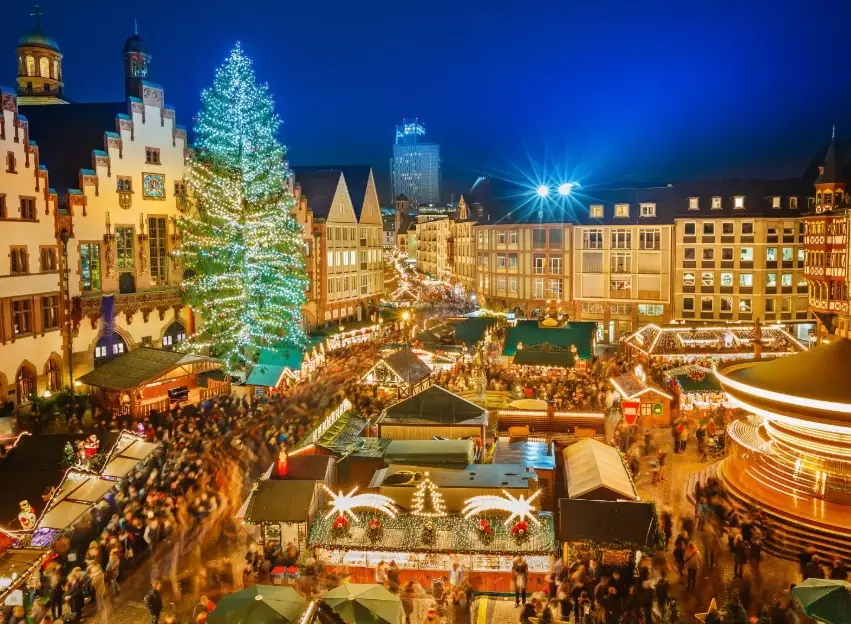
Golden Rule: Avoid weekends at all costs if you can. Friday afternoon through Sunday evening is when domestic and regional tourists descend. Weekdays, especially Tuesday through Thursday, are significantly quieter.
Best Weeks: The first full week of December is often a sweet spot. The festive spirit is in full swing, but the pre-Christmas travel rush hasn't hit its peak yet.
Worst Time: The last weekend before Christmas. Pure chaos.
Secret Time: Late November/early December on a weekday. Some purists say it's "too early," but you'll have space to breathe and actually enjoy the atmosphere.
Essential Logistics: Getting There & Staying There
Rothenburg is the trickiest of the bunch logistically because it's a small town. The nearest major train hubs are in Würzburg or Ansbach, from which you take a regional train. It's totally doable, but requires a bit of planning. Booking train tickets in advance via the Deutsche Bahn (German Railways) website can save money.
For Nuremberg and Dresden, you're dealing with major cities with international airports and excellent high-speed train (ICE) connections.
Accommodation Hack: For towns like Rothenburg, Monschau, or Esslingen, book your accommodation months in advance. Hotels and guesthouses (Pensionen) within the historic centers sell out incredibly fast. Staying outside the walls is cheaper but means less of that magical evening/morning access.
Answering Your Burning Questions (FAQ)
Is Rothenburg ob der Tauber worth it despite the crowds?
Yes, but with a major strategy. If you go on a summer-style day trip, arriving at 11 AM and leaving at 5 PM, you'll experience the crowds at their worst and might leave frustrated. The value comes from staying overnight. An evening stroll along the illuminated town walls, a quiet breakfast before the buses arrive – that's the priceless Rothenburg experience. So, is it worth it? Only if you commit to more than just a few hours.
What should I actually buy at these markets?
Skip the mass-produced trinkets. Look for:
- Handmade ornaments: Wooden Räuchermännchen from the Erzgebirge region (around Dresden), glass baubles, straw stars.
- Local food specialties: Nuremberg Lebkuchen, Dresden Stollen (get it from a proper baker, not a pre-wrapped box), mustards, liqueurs.
- The Glühwein mug itself: Each market has its own yearly design. You pay a deposit (Pfand) for the drink, and you can keep the mug as a souvenir or return it for your deposit back.
I only have one day for a Christmas market. Which one?
It depends on your base. If you're in Frankfurt, Rothenburg is a long but feasible day trip (better to stay over). From Munich, Nuremberg is an easy train ride. From Berlin, Dresden is the obvious choice. For a single-day immersion, choose the most logistically convenient option to maximize your time actually enjoying the market, not traveling.
What's the deal with the Glühwein deposit (Pfand)?
This confuses every first-timer. You order a Glühwein (mulled wine) or Kinderpunsch (non-alcoholic version). The price listed, say €4, is just for the drink. The vendor will charge you an additional €3-5 as a Pfand (deposit) for the ceramic mug. You now have two choices: 1) Drink, return the mug to that same vendor's stall, and get your deposit back. 2) Drink, keep the mug as a souvenir, and forfeit the deposit. It's a great system that reduces waste and gives you a keepsake.
Wrapping It Up: More Than One Answer
So, what is the famous German Christmas town? If you need a single name, it's Rothenburg ob der Tauber. Its image is synonymous with the German Christmas dream. But that's just the headline.
The real answer is that Germany offers a tapestry of festive experiences. The grand historical spectacle of Dresden, the joyful giant in Nuremberg, the quirky medieval twist in Esslingen, the intimate valley charm of Monschau – they all contribute to the country's legendary Christmas reputation.
The best trip might not be about finding the one famous town, but about understanding what *kind* of Christmas magic you're after. Do you want perfect photos? Deep history? Handmade crafts? Or just the joy of a warm mug in a cold, beautiful place surrounded by laughter and light?
Plan smartly, go on a weekday if possible, pack warm layers and waterproof shoes, and be prepared to embrace a little crowd (it's part of the energy). And maybe, just maybe, you'll find that the famous German Christmas town isn't just one place on a map, but a feeling you get walking those festive, glowing streets, wherever they may be.
For official dates, event schedules, and travel planning, always double-check the sources. The German National Tourist Board's Christmas page is a reliable starting point for an overview. For specific towns, like Rothenburg, their official tourism site will have the most current, accurate details for your visit.