Quick Guide
- What Actually Is the Pergamon Museum? Beyond the Brochure Description
- The Star Attractions: What You're Really Going to See (And What's Currently Off-Limits)
- Practical Info for Your Visit: Tickets, Times, and Beating the Crowds
- Is the Pergamon Museum Still Worth Visiting in 2024? My Honest Take
- How to Make the Most of Your Visit: An Insider's Strategy
- Frequently Asked Questions (The Real Ones People Google)
- The Big Picture: Why This Museum Matters
Let's be honest. When you think of Berlin museums, one name usually pops up first: the Pergamon Museum. It's on every list, in every guidebook. But what's the real deal? Is it just a dusty old building full of broken statues, or is it something that can actually blow your mind? I've been there more times than I can count, dragged friends and family along, and seen it in all its states—crowded, quiet, under construction (which seems to be its permanent state lately). I'll give you the straight story, the good, the bad, and the honestly-overwhelming, so you can decide if it's worth your time and that not-so-cheap entry fee.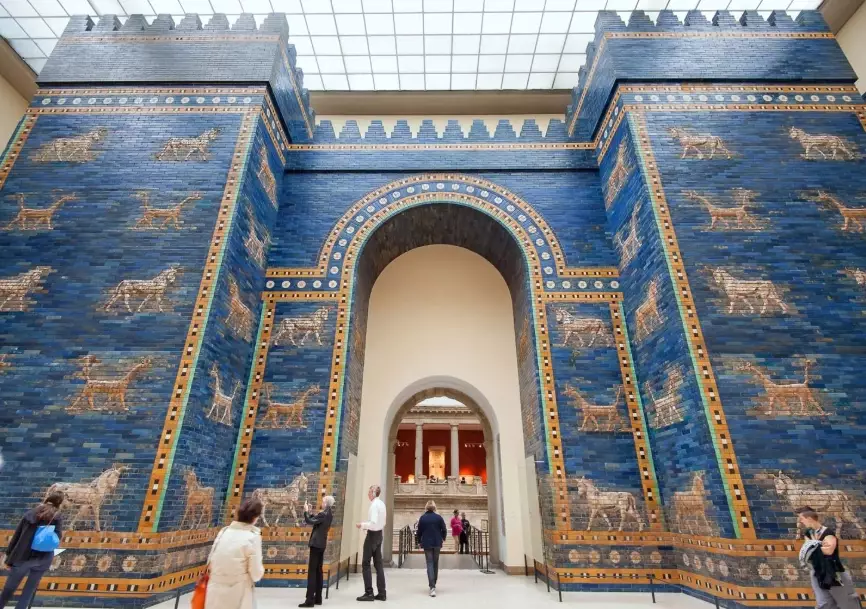
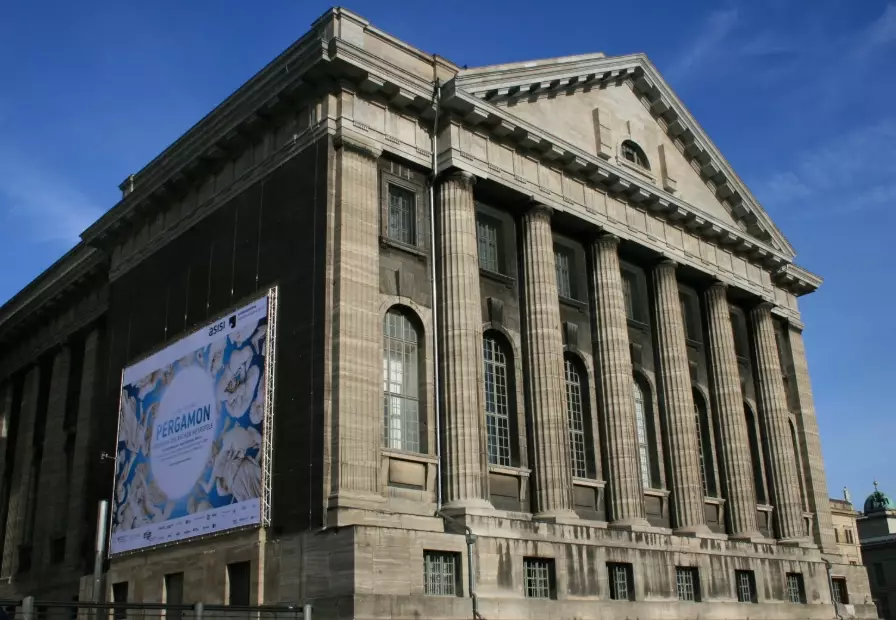
The Pergamon Museum isn't just a museum. It's the crown jewel of Berlin's Museum Island, a UNESCO World Heritage site sitting right in the middle of the Spree River. But here's the thing most blogs gloss over: it's named after one single, gigantic exhibit inside it. That should tell you something about the scale we're talking about. We're not looking at pots behind glass. We're talking about walking into entire ancient cities.
What Actually Is the Pergamon Museum? Beyond the Brochure Description
Built between 1910 and 1930, the museum was literally designed to house the gigantic archaeological finds German expeditions were bringing back from the ancient world. The building itself is a monument to early 20th-century museum philosophy: go big or go home. It houses three major collections: the Collection of Antiquities, the Museum of Islamic Art, and the Museum of the Ancient Near East. But forget those dry titles.
Think of it this way: it's a time machine with three stops. One takes you to ancient Greece and Rome (hello, Pergamon Altar and the stunning Roman market gate of Miletus). Another drops you in the heart of Babylon and ancient Assyria (prepare for the dazzling blue Ishtar Gate). The last one sweeps you through the Islamic world from the 8th to the 19th centuries, with intricate stone facades and carpets that tell stories.
I remember my first visit. I walked through the main entrance, turned a corner, and bam. There it was. The Market Gate of Miletus, two stories high, towering over everyone. You don't expect that. You expect paintings on walls, not a building inside a building. It instantly redefines what you think a museum can be.
The Star Attractions: What You're Really Going to See (And What's Currently Off-Limits)
This is the part everyone wants to know. With the main altar hall closed, what's left to justify the visit? Plenty, actually. But let's manage expectations first.
Okay, with that out of the way, here's what you CAN see, and why it's still spectacular.
The Ishtar Gate and Processional Way of Babylon
This is, without a doubt, the current showstopper. Imagine walking down a hallway lined with walls of deep, luminous blue bricks, decorated with golden-yellow lions, bulls, and dragons (called mushussu). This isn't a model. It's the actual Ishtar Gate from ancient Babylon, built under King Nebuchadnezzar II around 575 BC. The scale is breathtaking. The color is stunning—a pigment called lapis lazuli, which has survived over 2,500 years.
You enter through a smaller, reconstructed gate and then find yourself on the Processional Way. It's humbling. You're walking where ancient Babylonian priests and kings paraded during the New Year's festival. The detail on the animal reliefs is crisp. You can spend an hour just here, looking at every tile. It's the kind of exhibit that makes you put your phone away and just stare.
The Market Gate of Miletus
This Roman gate from the 2nd century AD is another "how did they get this in here?" moment. It's about 17 meters high and 29 meters wide. It was the ceremonial entrance to the market square in the city of Miletus (in modern-day Turkey). The earthquake-damaged facade was shipped to Berlin and meticulously reconstructed.
Standing in front of it gives you a real sense of Roman architectural power and elegance. Look up at the intricate carvings on the columns and pediments. It’s not just a ruin; it feels complete, imposing. This hall also houses the stunning mosaic-covered floor from a Roman villa in Miletus, which is easy to miss if you're too busy gazing upward.
The Mshatta Facade
This one is in the Museum of Islamic Art section and it's a hidden gem many rush past. It's the carved stone facade of an 8th-century Umayyad desert palace (located in modern-day Jordan). The Ottoman Sultan gifted it to Germany in 1903. The sheer amount of intricate, lace-like stone carving is mind-boggling. The geometric and vegetal patterns are a masterpiece of early Islamic art. It covers an entire wall, and the precision is something you have to see up close to believe.
Practical Info for Your Visit: Tickets, Times, and Beating the Crowds
This is where I give you the brass tacks. Ignore this, and you might end up in a two-hour queue or, worse, turned away.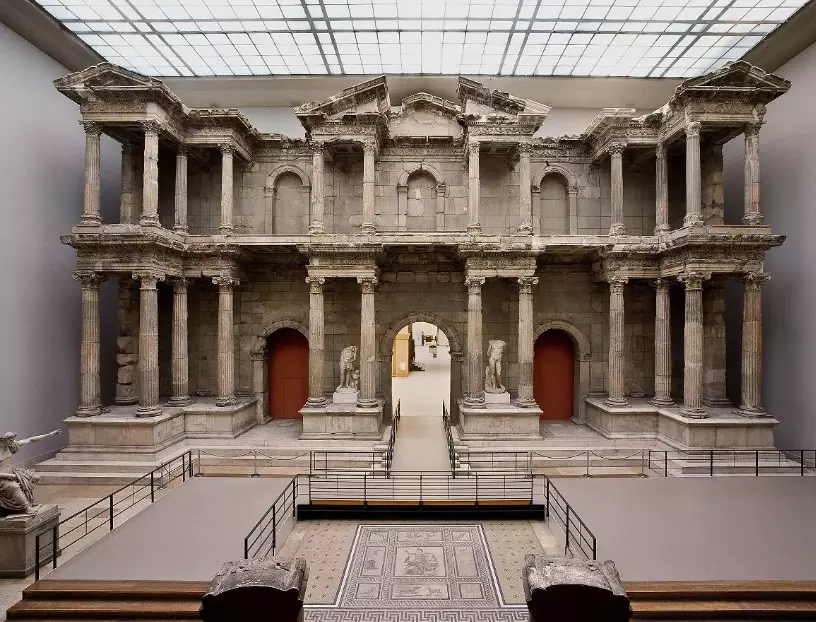
Ticket Options and Prices (2024)
It can be confusing. Here's a simple breakdown:
| Ticket Type | Price (approx.) | What It Gets You | Good For... |
|---|---|---|---|
| Pergamon Museum Single Ticket | €14 - €19 | Entry to the Pergamon Museum (including the Panorama) on your chosen date/time. | Most visitors who just want to see this one museum. |
| Museum Island Day Pass | €20 - €32 | One-day entry to all five museums on Museum Island (Pergamon, Neues, Altes, Bode, Alte Nationalgalerie). | Museum marathoners with serious stamina. It's a lot. |
| 3-Day Museum Pass Berlin | €32 | Unlimited entry for 3 consecutive days to over 30 museums, including all on Museum Island. | The best value if you're in Berlin for a few days and like museums. This is the one I always recommend to friends. |
| Annual Membership | €50+ | Unlimited yearly access. | Locals or super-fans. |
Note: Concessions are available for students, seniors, etc. Always check the official site for the latest, precise pricing.
How to Get There & Opening Hours
The address is Bodestraße 1-3, 10178 Berlin. It's impossible to miss on Museum Island.
- By U-Bahn/S-Bahn: The closest stations are Hackescher Markt (S-Bahn) or Friedrichstraße (U-Bahn & S-Bahn). Both are about a 10-minute walk.
- By Tram: Lines M1 and M12 stop at "Am Kupfergraben" or "Georgenstraße/Am Kupfergraben," right next to the island.
- By Bus: TXL (to Hauptbahnhof), 100, 200, 247, N5 to "Lustgarten" or "Staatsoper."
Opening Hours: Generally Tuesday to Sunday, 10:00 am to 6:00 pm (with extended hours until 8:00 pm on Thursdays). Closed on Mondays. Always double-check on the official visitor info page before you go, as hours can shift, especially on holidays.
Is the Pergamon Museum Still Worth Visiting in 2024? My Honest Take
This is the million-dollar question with the altar closed. I'll give you my personal, nuanced opinion.
Yes, absolutely—but with clear conditions.
If you are a first-time visitor to Berlin with a strong interest in history, ancient civilizations, or just mind-blowing human achievements, yes. The Ishtar Gate and the Miletus Market Gate alone are unique in the world. You won't see anything like them anywhere else. The sheer wow factor is still incredibly high.
If you are a casual tourist with only a passing interest, or if you're on a very tight budget and schedule, you might feel short-changed knowing the main attraction is behind scaffolding. The entry fee is steep for what is currently a partially open museum. In that case, you might be happier visiting the (also fantastic) Neues Museum next door to see the bust of Nefertiti, which is always on display.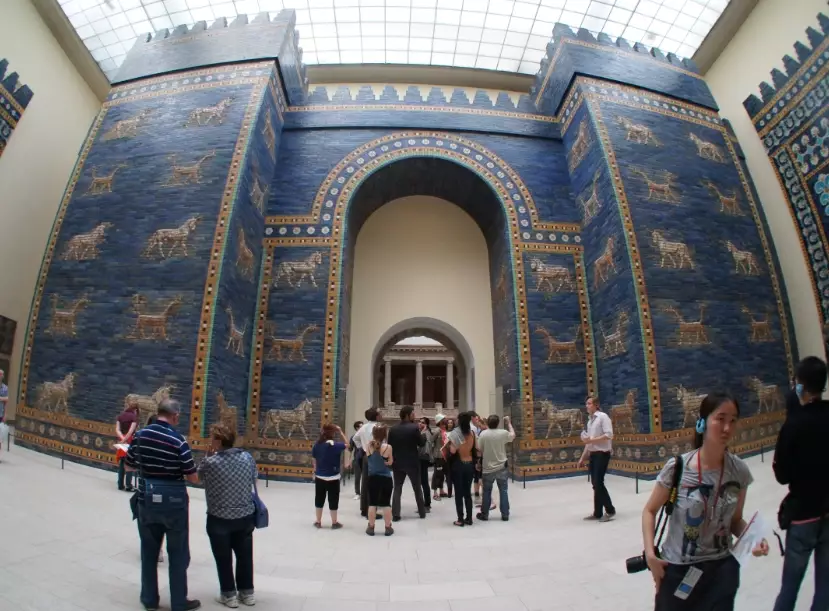
Think of it like this: you're not getting the headliner band, but the two opening acts are still Grammy-winning legends putting on a once-in-a-lifetime show.
How to Make the Most of Your Visit: An Insider's Strategy
- Book the First Time Slot of the Day. This is non-negotiable for a peaceful experience. The crowds pour in by 11 am. A 10 am entry means you get the Ishtar Gate almost to yourself for 20 glorious minutes.
- Start at the Back. Most people follow the suggested route and clog up the first major hall (often Miletus). Go upstairs to the Islamic Art section first (Mshatta Facade) or head straight for the Ishtar Gate complex if it's your priority. Work backwards.
- Download the Official App. The Staatliche Museen zu Berlin has a decent app with free audio guides and floor plans. It helps you navigate and understand what you're looking at without renting a clunky device.
- Give Yourself Time. Don't rush. A meaningful visit needs at least 2 hours. If you like to read plaques and sit with the atmosphere, plan for 3.
- Take a Break. There's a café, but it's often crowded. The real gem is stepping outside onto the Colonnade Courtyard between the museums. It's free to access and a beautiful, quiet spot to process what you've just seen.
Frequently Asked Questions (The Real Ones People Google)
Yes. The restoration project is massive and is scheduled for completion in 2027. The entire museum will then reopen as the "Pergamonmuseum. The Panorama." It will integrate the ancient altar with a modern panoramic visualization. It's a long wait, but it's happening.
The Pergamon Panorama, created by artist Yadegar Asisi, is a separate building (across the river at the Humboldt Forum site, to be precise). It's a 360-degree painting that immerses you in the ancient city of Pergamon in 129 AD. It's visually impressive and gives context, but it's an artwork, not archaeology. If you're deeply disappointed about missing the altar, it's a good consolation. If you're tight on time/money, you can skip it.
Technically, a very limited number are held for walk-ups. But I've seen the "sold out for the day" sign go up by 10:30 am. Don't risk it. Book online.
It depends on the kid. Younger children might be bored by the lack of interactive exhibits (it's very much a "look, don't touch" museum). However, older kids who are into history, mythology, or just gigantic things might find the scale amazing. The animal figures on the Ishtar Gate can be a hit. There are no dedicated play areas, so be prepared.
On Museum Island itself, the Neues Museum (Egyptian history, Nefertiti) and the Altes Museum (Greek and Roman antiquities) are phenomenal and often less crowded. The German Historical Museum across the street is also excellent for a more modern historical narrative.
The Big Picture: Why This Museum Matters
Visiting the Pergamon Museum Berlin isn't just a checkbox on a tourist itinerary. It's a complex experience. It's a product of a bygone era of archaeology (the practice of removing entire structures has been controversial for decades, and rightly so). Museums like this are now also spaces for discussing colonialism, cultural heritage, and who owns history. The museum itself doesn't shy away from these conversations in its newer information panels, which I appreciate.
You're walking through a collection born from 19th-century ambition, displayed in a 20th-century monument, being reinterpreted for the 21st century. That's a lot to take in.
So, should you go? If the idea of standing in the shadow of a Babylonian gate or a Roman marketplace sends a shiver down your spine, then absolutely. Book that ticket, get there early, and look up. Just know what you're getting into. It's not a complete experience right now, but what remains is still some of the most spectacular ancient architecture you will ever encounter outside of a history book.
And when it fully reopens? I'll be first in line, and I'll probably write another one of these.