Let's be honest, when most people think of traditional German food, a few clichés immediately pop into mind: giant pretzels, mountains of sauerkraut, and every type of sausage imaginable, all washed down with a liter of beer. I used to think the same way. But after spending time traveling through Germany, from the bustling food markets of Berlin to the cozy inns of the Black Forest, I realized how badly that stereotype sells short one of Europe's most diverse and deeply satisfying culinary traditions.
German cuisine is a story of geography, history, and Gemütlichkeit—a word that doesn't have a direct English translation but roughly means a feeling of warmth, friendliness, and good cheer. It's food meant to be shared, to fortify you against a cold day, and to celebrate with. It's also surprisingly regional. What you eat in the north, near the sea, is worlds apart from the dishes in the south, tucked up against the Alps.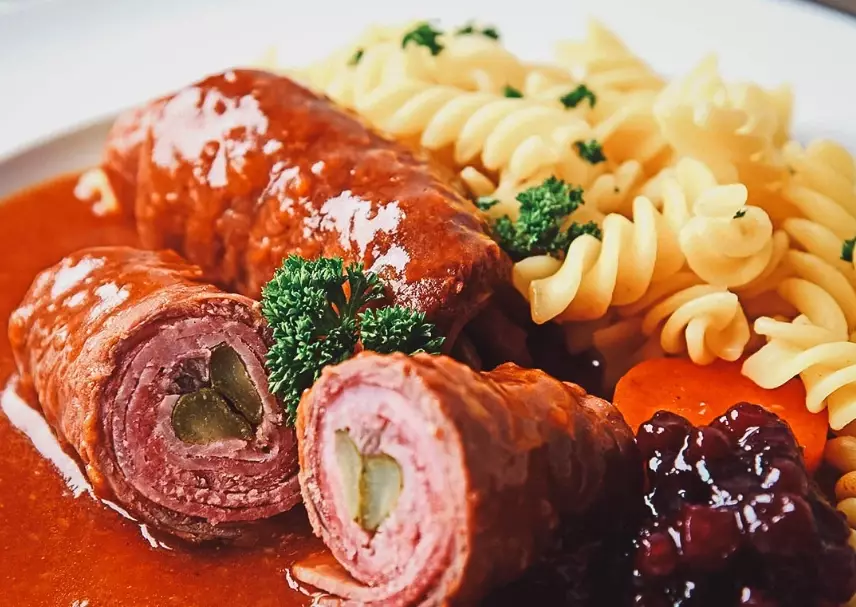
Explore the Guide
- The Heart of the Matter: Understanding German Food Culture
- Iconic Dishes: The Must-Try Traditional German Food
- A Tour Through Germany's Regional Specialties
- Where and How to Eat Traditional German Food
- Beyond the Main Course: Breads, Sides, and the Sacred Desserts
- Bringing Germany Home: Can You Cook This Yourself?
- Your Burning Questions About Traditional German Food, Answered
The Heart of the Matter: Understanding German Food Culture
You can't just jump into a list of dishes. To really "get" traditional German food, you need to understand the mindset behind it. This isn't fussy, delicate, chef-driven cuisine (though you can certainly find that in high-end restaurants). This is hearty, honest, home-style cooking. It's food with roots.
The rhythm of eating is different too. Abendbrot (evening bread) is a classic example. Dinner is often cold—a spread of dark breads, cheeses, cold cuts, and pickles. It's simple, social, and perfect after a long day. Then you have Kaffee und Kuchen (coffee and cake), a sacred mid-afternoon ritual that is more about taking a break and connecting with friends than just a sugar hit.
And yes, meat plays a starring role. Pork is king, followed by beef and poultry. But to call it a purely meat-centric cuisine misses the incredible breads, the seasonal vegetables (often pickled or braised), and the dumplings that soak up all the good gravy.
Iconic Dishes: The Must-Try Traditional German Food
Okay, let's get to the good stuff. These are the dishes you'll see again and again, the pillars of traditional German food. Think of this as your essential checklist.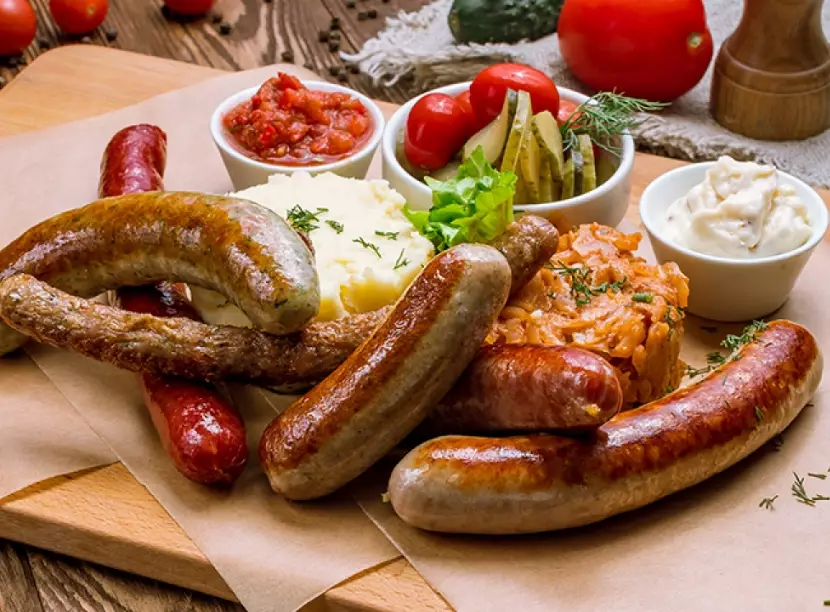
The Sausage Universe: A Beginner's Guide to Wurst
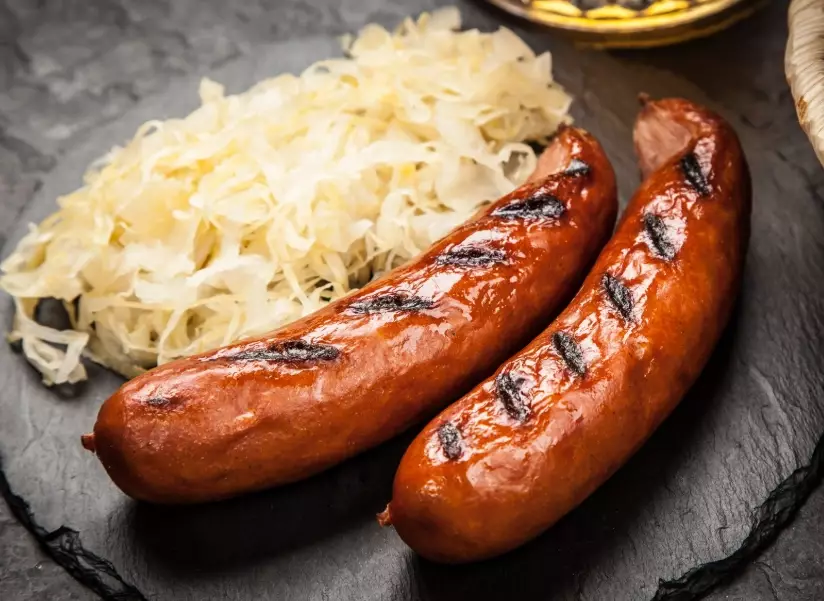
It's impossible to talk about German food without diving into Wurst. But calling them all "sausages" is like calling every pasta "noodles." The variety is staggering. They can be boiled, grilled, smoked, or cured. They're eaten with mustard (Senf), in a bun (as a Bratwurstsemmel), or as part of a main meal.
| Name | Region/Main City | Key Ingredients & How It's Eaten | Flavor Profile |
|---|---|---|---|
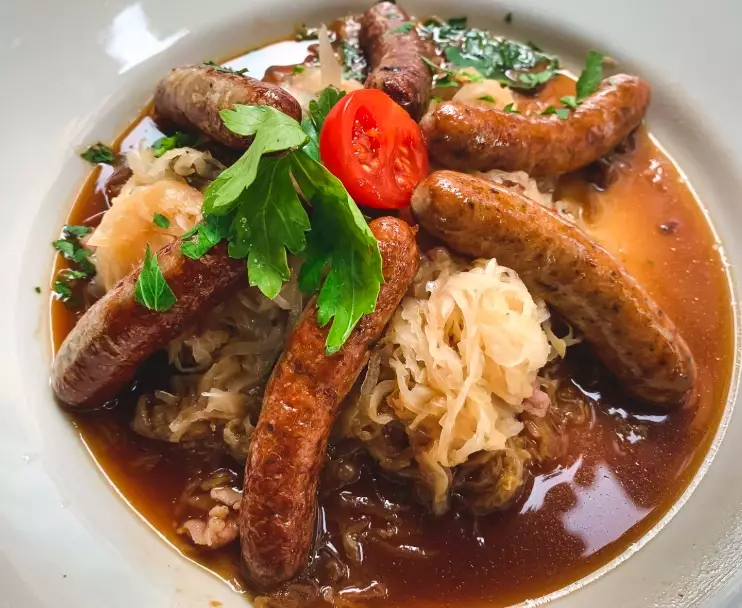
| Bratwurst | Franconia, Thuringia, Nuremberg | Finely minced veal, pork, or beef. Always grilled or pan-fried. Served with mustard and sauerkraut or in a crusty roll. | Juicy, savory, mildly spiced (nutmeg, marjoram). |
| Weißwurst (White Sausage) | Bavaria (Munich) | Veal and pork back bacon, parsley, lemon, onion. Traditionally boiled. A Munich breakfast staple, peeled out of its skin and eaten with sweet mustard, a pretzel, and a wheat beer (Weißbier). | Very delicate, mild, herby. Don't eat the skin! |
| Currywurst | Berlin (iconic) | Steamed then fried pork sausage, sliced and drowned in a curry-spiced ketchup sauce, topped with curry powder. Served with fries (Pommes). The ultimate street food. | Sweet, tangy, savory with a mild curry warmth. Addictive. |
| Blutwurst (Blood Sausage) | All over, especially North | Pork blood, fat, and filler like barley or oats. Often pan-fried or included in stews. An acquired taste for many. | Rich, iron-heavy, dense. Often served with apples or onions to cut the richness. |
| Frankfurter Würstchen | Frankfurt | Smoked, thin pork sausages. Traditionally served in a jar of hot water with bread and mustard. The inspiration for the American hot dog. | Smoky, smooth, simple. |
Schnitzel: The Crispy Golden Star
Ah, Schnitzel. The ultimate comfort food. While Austria claims it as its own, it's absolutely fundamental to southern German cuisine. The classic is Wiener Schnitzel, made from veal, pounded thin, breaded, and fried to a perfect golden crisp. In Germany, you'll more commonly find Schweineschnitzel (pork), which is just as delicious and often more affordable.
The magic is in the technique: the meat must be pounded evenly thin, the breading (flour, egg, breadcrumbs) must be light and adhere perfectly, and the frying fat (traditionally lard or clarified butter) must be hot enough to cook it quickly without making it greasy. It should be served with a lemon wedge. The acidity is non-negotiable—it cuts through the richness.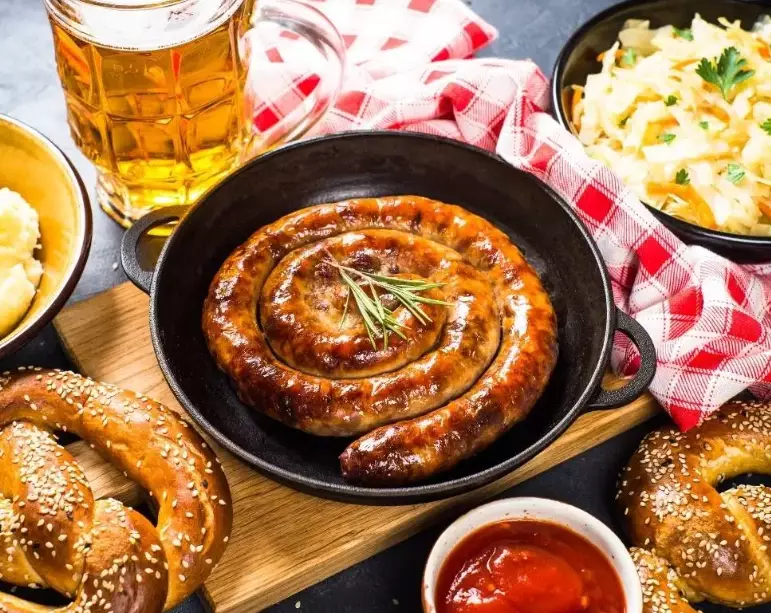
The Comforting World of Eintopf & Stews
When the weather turns grey and chilly, this is what Germans crave. Eintopf literally means "one pot," and that's exactly what it is: a hearty stew where meat, vegetables, and sometimes legumes or dumplings are all cooked together. It's economical, filling, and the definition of home cooking.
- Linseneintopf mit Würstchen: A lentil stew with slices of sausage (usually Wiener). Earthy, smoky, and deeply satisfying.
- Erbsensuppe: A thick split pea soup, often with ham or bacon. A classic northern dish.
- Gulasch: Borrowed from Hungary but fully adopted. A rich, paprika-heavy beef stew, often spicier than you might expect.
These dishes are a fantastic way to experience the less flashy, more everyday side of traditional German food. You'll find them in simple taverns and homes across the country.
A Tour Through Germany's Regional Specialties
This is where it gets really interesting. Germany was a patchwork of kingdoms and states for centuries, and their culinary identities remain strong. Asking for "traditional German food" in Hamburg will get you a very different answer than in Dresden or Stuttgart.
Bavaria & The South
The land of lederhosen, Oktoberfest, and arguably the most famous German dishes. Think heavy, rich, and doughy.
- Schweinshaxe: The king of Bavarian meat dishes. A massive, crispy-skinned pork knuckle, slow-roasted until the meat is fall-off-the-bone tender. It's a spectacle. Served with potato dumplings (Knödel) and sauerkraut. One is enough for two people, easily.
- Obatzda: A fantastic cheese spread made from ripe Camembert, butter, paprika, and onions. Smeared on a pretzel (Brez'n) with a radish on the side. Beer garden perfection.
- Spätzle: These are not noodles. They're soft egg dumplings, either scraped or pressed through a colander into boiling water. They can be served as a side (like with Schweinshaxe) or as a main dish like Käsespätzle—the German answer to mac and cheese, layered with cheese and fried onions.
Swabia (Southwest, around Stuttgart)
Famous for its inventive use of pasta/dough.
- Maultaschen: Often called "Swabian ravioli." Large pockets of pasta dough filled with a mixture of meat, spinach, herbs, and breadcrumbs. They can be served in broth, pan-fried with onions, or sliced into a salad. Legend says monks invented them to hide meat during Lent (hence the nickname "Herrgottsbescheißerle"—little God-cheaters).
The Rhineland & West
Influenced by French and Belgian neighbors. Lighter touches, more wines than beers.
- Sauerbraten: The national dish for many. A pot roast (traditionally horse, now usually beef) marinated for days in a mixture of vinegar, wine, and spices, then slow-cooked until incredibly tender. The gravy, thickened with gingerbread (Lebkuchen) crumbs, is sweet, sour, and complex. Served with red cabbage (Rotkohl) and potato dumplings.
- Himmel und Erde: (Heaven and Earth) A simple, brilliant dish of mashed potatoes and apples, often served with blood sausage or fried onions. The sweet and savory combo is fantastic.
The North (Hamburg, Bremen, Coastal Areas)
Seafood takes center stage here, which many people don't associate with Germany.
- Labskaus: This is the ultimate sailor's dish and an acquired taste. A mash of corned beef, potatoes, beetroot, and pickles, topped with a fried egg, rollmops (pickled herring), and gherkins. It looks... pink. But it's a beloved regional specialty.
- Finkenwerder Scholle: Pan-fried plaice (a flatfish) served with crispy bacon and shrimp on top. Simple, fresh, and delicious.
- Grünkohl mit Pinkel: A winter classic of kale stewed with a special smoked sausage called Pinkel, mustard, and sometimes bacon. Hearty and healthy.
Where and How to Eat Traditional German Food
You can't just walk into any restaurant and expect an authentic experience. Here’s a quick guide to the types of places that serve the real deal.
Gasthaus / Gaststätte: Your best bet. A traditional inn or tavern, often family-run. The menu will feature regional classics, daily specials (Tagesgericht), and a cozy atmosphere. Look for wooden interiors and a mostly local clientele.
Brauhaus / Brewery: Especially common in Bavaria and Cologne. They brew their own beer and serve food designed to go with it—think hearty sausages, roast meats, and pretzels. Often noisy and communal, a great experience.
Imbiss: The German fast-food stand. This is where you get your Currywurst, Bratwurst, and fries. Quick, cheap, and often incredibly tasty. Don't snub it.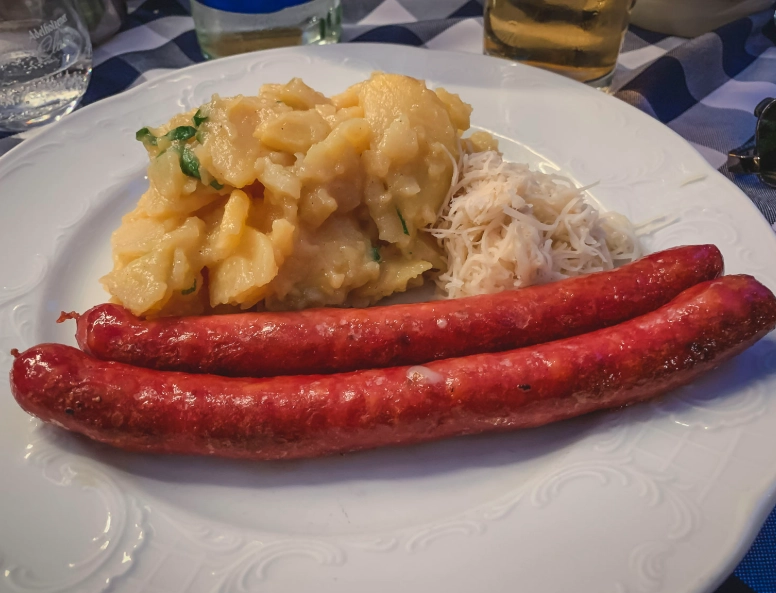
Biergarten (Beer Garden): In summer, this is the place to be. You can often bring your own food, but they'll also serve simple classics like Obatzda, pretzels, steckerlfisch (grilled fish on a stick), and of course, massive mugs of beer.
Beyond the Main Course: Breads, Sides, and the Sacred Desserts
German bread (Brot) is a world-class food product in itself. There are over 3000 registered types of bread in Germany. Forget the fluffy white stuff; think dense, dark, seeded rye breads (Roggenbrot), sourdoughs (Landbrot), and crunchy rolls (Brötchen or Semmeln). The German Bread Institute even got UNESCO recognition for their bread culture. A bakery (Bäckerei) is a daily stop for most Germans.
And the sides! They're not an afterthought.
- Sauerkraut: It's not just soggy, sour cabbage. Good sauerkraut is fermented, then often braised with white wine, juniper berries, and caraway seeds. It becomes sweet, tangy, and aromatic.
- Rotkohl / Blaukraut: Red cabbage slow-cooked with apples, onions, vinegar, and spices. Sweet, sour, and a beautiful purple-red color.
- Kartoffelsalat: Potato salad, but not the mayo-heavy American kind. The German version is typically dressed with a warm broth and vinegar or oil dressing, with bacon and onions. It's tangy and lighter.
- Semmelknödel / Kartoffelknödel: Bread or potato dumplings. They are the ultimate gravy sponges and a staple side for roasts.
The Sweet Finale: Kuchen, Torten, and More
German baking is legendary. Afternoon Kaffee und Kuchen is a institution.
- Apfelstrudel: Flaky, paper-thin pastry wrapped around spiced apples, raisins, and breadcrumbs. Served warm with vanilla sauce (Vanillesoße) or a scoop of ice cream.
- Schwarzwälder Kirschtorte (Black Forest Gateau): The famous chocolate cake with cherries, whipped cream, and a distinct kick from Kirschwasser (cherry schnapps). When done right, it's sublime. When done poorly, it's a soggy, overly sweet mess.
- Bienenstich (Bee Sting Cake): A yeasted cake with a creamy filling and a top crust covered in caramelized almonds and honey. The name comes from the honey topping.
- Berliner / Pfannkuchen / Krapfen: A jelly-filled doughnut, eaten especially on New Year's Eve and during Carnival. Just beware on Silvester—some are filled with mustard as a prank!
- Lebkuchen: Gingerbread, but softer, spicier, and often iced. A Christmas market essential from cities like Nuremberg.
Bringing Germany Home: Can You Cook This Yourself?
Absolutely. While some dishes require practice (getting Schnitzel perfectly thin and crisp is an art), many traditional German food recipes are accessible for home cooks. They're often about patience and good ingredients rather than complex techniques.
- Sauerbraten: It's mostly about planning ahead for the multi-day marinade. The actual cooking is a simple braise.
- Käsespätzle: You can buy dried Spätzle, but making fresh ones with a Spätzle press or even a colander is fun. It's a crowd-pleasing, vegetarian-friendly main.
- Rouladen: Thin slices of beef rolled around bacon, onions, pickles, and mustard, then braised in a rich gravy. Looks impressive, is surprisingly straightforward.
- German Potato Salad (Kartoffelsalat): The perfect side for a summer BBQ and so different from what most people are used to.
The key is sourcing good spices—marjoram, caraway, juniper berries, and high-quality sweet paprika are essential. Websites like Chefkoch.de (Germany's most popular recipe site, use browser translation) or authoritative English-language resources like those from DW's culinary features offer reliable, tested recipes.
Your Burning Questions About Traditional German Food, Answered
Is German food just meat and potatoes?
That's the stereotype, and while meat and potatoes are central, it's reductive. The variety of vegetables (especially cabbages, root veggies, legumes), the incredible diversity of breads, the freshwater and coastal fish in the north, and the world of dumplings and noodles (Spätzle, Maultaschen) add immense variety. It's hearty, not one-dimensional.
Is it healthy?
In moderation and as part of a balanced diet, sure. It's not "diet food." It's often rich in fats and carbohydrates, designed for physical labor and cold climates. But you'll also find plenty of vegetable-based sides, soups, and salads. The quality of ingredients is generally high.
What about vegetarian options in traditional German food?
This is the biggest challenge. Historically, it's a meat-heavy cuisine. However, you're not doomed. Look for Käsespätzle, Gemüsestrudel (vegetable strudel), Flammkuchen (Alsatian tart with crème fraîche, onions, and bacon—ask for it without bacon), Pilzrahmschnitzel (mushroom cream sauce on a non-breaded cutlet), or a massive Gemüseteller (vegetable plate). Many modern Gasthäuser now offer good vegetarian versions of classics.
What's the deal with beer and wine?
Germany is rightfully famous for its beer, governed by the Reinheitsgebot (Beer Purity Law), which historically limited ingredients to water, barley, and hops. But its wine regions (like Mosel, Rheingau, Pfalz) produce world-class Rieslings and Spätburgunder (Pinot Noir). In the south and west, wine is just as common as beer on the table.
What's one traditional German food I should absolutely try?
If I had to pick one dish that embodies the soul of the cuisine, it's Sauerbraten. It's not the flashiest, but the long marinating and slow cooking process represents the care and depth of flavor that defines the best German cooking. That, or a perfectly simple Bratwurst from a proper butcher, grilled over charcoal, with a dollop of sharp mustard and a fresh roll.
So there you have it.
Traditional German food is a vast, regional, and deeply comforting world that goes far beyond the clichés. It's about history in a pot, geography on a plate, and that feeling of Gemütlichkeit you get from sharing a hearty meal. Whether you're planning a trip to Germany or just want to explore a new cuisine in your kitchen, I hope this guide gives you the confidence to dive in. Start with a sausage, stay for the Schnitzel, and save room for the cake. You won't regret it.