Navigate This Guide
- The Backbone: Understanding the Reinheitsgebot (The Beer Purity Law)
- A Tour of the German Beer Landscape: It's More Than Just Lager
- How to Actually Drink German Beer (It's Not Just Chugging)
- Food Pairing: It's Not Just Pretzels and Sausage
- Navigating the World of German Beer: Buying Tips
- Common Questions (The Stuff You Actually Google)
- The Final Verdict: Why Bother?
Let's be honest, when someone says "German beer," what pops into your head? Probably a giant, frosty glass of golden lager, maybe with a white, fluffy head. Maybe you think of Oktoberfest tents and people in lederhosen clinking massive steins. And you're not wrong – that's a huge part of the picture. But it's like only looking at the cover of a really deep, complex novel.
I remember my first real encounter with German beer culture. It wasn't in Germany, surprisingly. It was in a dimly lit pub where a friend shoved a tall, curvy glass of cloudy, yellow liquid with a huge head of foam towards me. "It's a Hefeweizen," he said, as if that explained everything. I took a sip, and instead of the crisp, clean bitterness I expected from, say, a typical pilsner, I got banana. And clove. It was bizarre and wonderful. That was the moment I realized German beer was a universe unto itself, governed by ancient rules and regional quirks that most of the world barely scratches the surface of.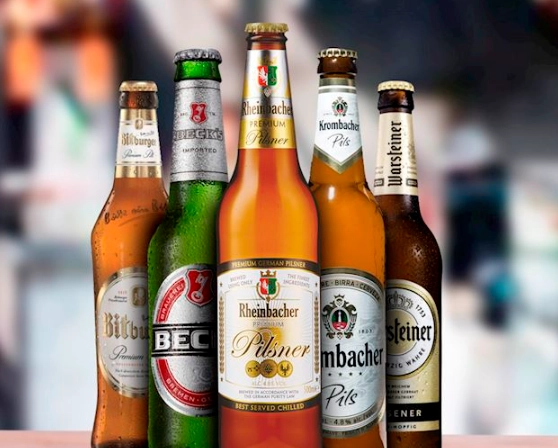
So, what's the big deal? Why has German beer held such a legendary status for centuries, surviving world wars and globalized bland beer trends? It boils down to a mix of law, obsession, and local pride. This isn't just about fermentation; it's about identity.
The Backbone: Understanding the Reinheitsgebot (The Beer Purity Law)
You can't talk about German beer without bumping into the Reinheitsgebot. It's like the elephant in the brewery. Enacted in 1516 in Bavaria (though similar local rules existed earlier), it originally stated that beer could only be made from three ingredients: water, barley, and hops. Yeast wasn't included because they didn't know it existed yet – it was just this magical stuff that made fermentation happen. They later amended it, of course.
The Modern Reinheitsgebot: Today, for bottom-fermented beers (like most lagers), it's water, malted barley, hops, and yeast. For top-fermented beers (like ales, wheat beers), it allows for malted wheat and rye as well. That's it. No corn syrup, no rice, no extracts, no fruit purees (unless it's a specific, modern "mixed beer drink" category), no fancy adjuncts.
This law is a double-edged sword. On one hand, it's the ultimate quality control. It forced brewers to be masters of their core ingredients. The focus on malt and hop quality in Germany is insane because they have to be – there's nothing to hide behind. The flavor has to come from perfecting the brewing process with those few elements.
Here's my personal take: while I respect the Reinheitsgebot for preserving tradition and quality, sometimes I find it a bit restrictive. The global craft beer revolution has shown the amazing potential of experimenting with other grains, fruits, spices, and aging processes. Some of the most exciting beers in the world break these rules. Sticking strictly to the Reinheitsgebot can, in some cases, feel like painting with only primary colors. Beautiful in its purity, but you miss out on the whole spectrum. That said, when a German brewer makes a stunning pilsner within those constraints, it's a masterclass in precision.
The law is also a major point of national pride and a powerful marketing tool. When you see "Gebraut nach dem Deutschen Reinheitsgebot" (Brewed according to the German Purity Law) on a label, it's a promise of a certain standard. It's not just a recipe; it's a cultural artifact. You can read more about its historical context and legal standing on the official German Laws Internet Portal (look for "Vorläufiges Biergesetz"), or its fascinating history on resources like the Deutsches Museum website, which details its role in brewing technology.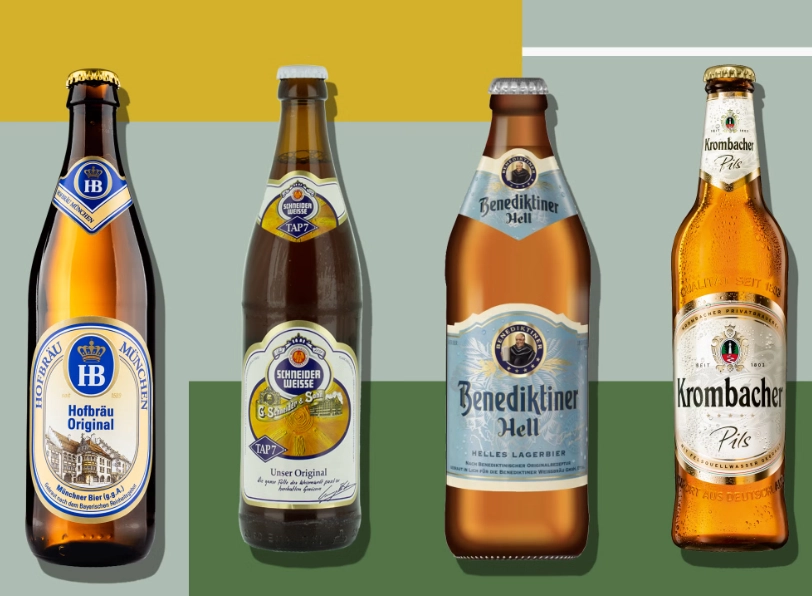
The impact? It created a landscape where subtlety reigns. German beers are often about balance, clarity, and drinkability rather than shock value.
A Tour of the German Beer Landscape: It's More Than Just Lager
This is where most guides just list a bunch of styles. Let's try to make sense of the family tree. German beer is broadly split by fermentation method.
Bottom-Fermented (Lagered) Beers: The Cool, Crisp Majority
"Lager" comes from the German "lagern," meaning "to store." These beers are fermented with yeast that works at cooler temperatures and then stored (lagered) near freezing for weeks or months. This process creates that clean, crisp profile Germany is famous for.
Think of these as the refined, elegant cousins.
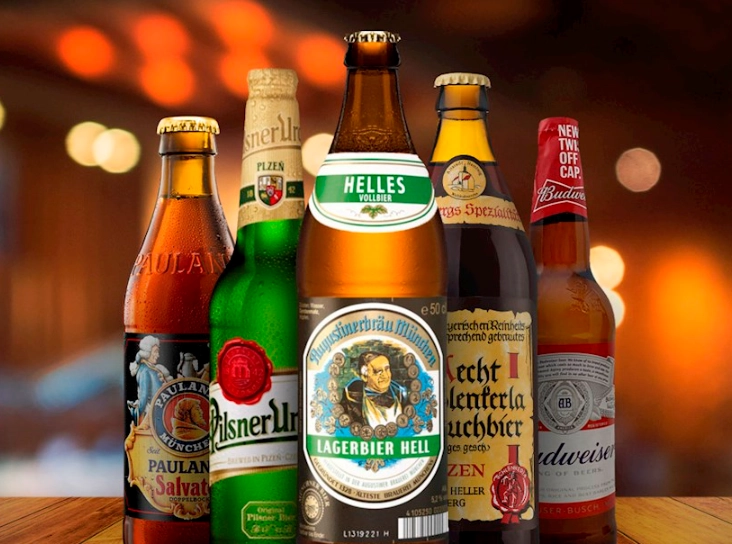
- Pilsner (or Pils): The king of German beer exports. Golden, brilliantly clear, with a pronounced, snappy hop bitterness (from noble hops like Hallertau, Tettnang, or Saaz) and a dry finish. It's the benchmark for the style worldwide. A good German Pils is a thing of beauty – refreshing, bitter, and utterly satisfying. A bad one is just watery and skunky.
- Helles: "Helles" means "bright" or "pale." If Pilsner is the hoppy one, Helles is the malty one. It's still golden and clear, but the hop bitterness is much more subdued, letting a sweet, bready, sometimes honey-like malt character shine. It's incredibly smooth and drinkable – Munich's everyday beer.
- Dunkel: "Dunkel" means "dark." This is a dark lager, but don't think stout. It's not roasty or heavy. Think toasted bread, dark caramel, chocolate, and nuts, but with the clean, crisp finish of a lager. It's like the comforting, maltier sibling of Helles.
- Bock: The strong one. A family of malty, robust lagers, usually darker, with higher alcohol (6-7%+). Doppelbock (double bock) is even stronger, richer, and often has names ending in "-ator" (Celebrator, Salvator). They're perfect for cold weather, sipping slowly.
Top-Fermented (Ale) Beers: The Flavorful Rebels
Fermented at warmer temperatures, these yeasts produce more fruity and spicy flavors. They're the older brewing tradition.
- Weissbier (Weizenbier): Wheat beer. This is the one that blew my mind. By law, it must be at least 50% malted wheat. The yeast used produces those iconic flavors of banana, clove, and sometimes bubblegum or vanilla. It's cloudy from suspended yeast (Hefeweizen means "yeast wheat"), often pale gold, and wildly refreshing with a big, fluffy head. A Kristallweizen is the filtered, clear version. This is a classic example of a German beer style that is utterly unique and instantly recognizable.
- Altbier: "Old beer." From Düsseldorf, this is a top-fermented beer that is then conditioned at cold temperatures like a lager. It's copper-colored, clean, and balanced with a firm, dry hop bitterness and a subtle fruitiness. It's a fantastic bridge between ale and lager characteristics.
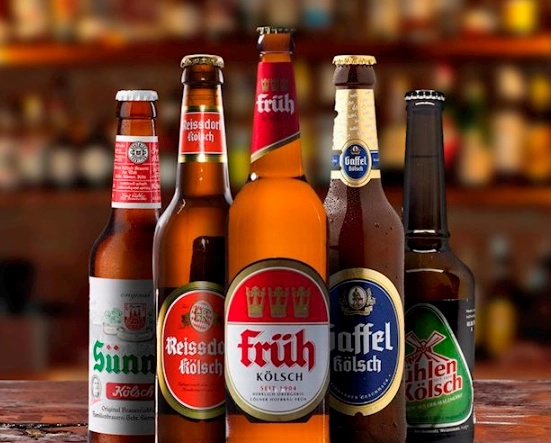
- Kölsch: The protected specialty of Cologne. Pale, crisp, and delicately fruity, it's fermented warm like an ale but then lagered for clarity and smoothness. Served in skinny 0.2L glasses called "Stangen" to keep it cold and fresh. It's ridiculously easy to drink.
| Beer Style | Key Characteristics | Fermentation | Best For |
|---|---|---|---|
| Pilsner | Clear, golden, crisp, pronounced hop bitterness, dry finish | Bottom (Lager) | Hot days, pairing with salty snacks |
| Helles | Golden, malty-sweet (bready), smooth, subtle hops | Bottom (Lager) | Everyday drinking, sessionability |
| Dunkel | Dark brown, toasted malt, nutty, clean lager finish | Bottom (Lager) | Cool evenings, hearty food |
| Weissbier | Cloudy, pale, banana/clove yeast, fluffy head, refreshing | Top (Ale) | Brunch, spicy food, summer afternoons |
| Altbier | Copper, balanced malt/hop, dry, slightly fruity | Top (Ale, then lagered) | Pub sessions, robust dishes |
| Kölsch | Pale, delicate, crisp, lightly fruity, super-clean | Top (Ale, then lagered) | Light meals, social drinking |
| Bock/Doppelbock | Dark, strong, malty-rich, notes of caramel/dark fruit | Bottom (Lager) | Winter, sipping, dessert pairings |
How to Actually Drink German Beer (It's Not Just Chugging)
Germans have rituals around this stuff. Getting it wrong won't get you thrown out, but doing it right enhances the experience tenfold.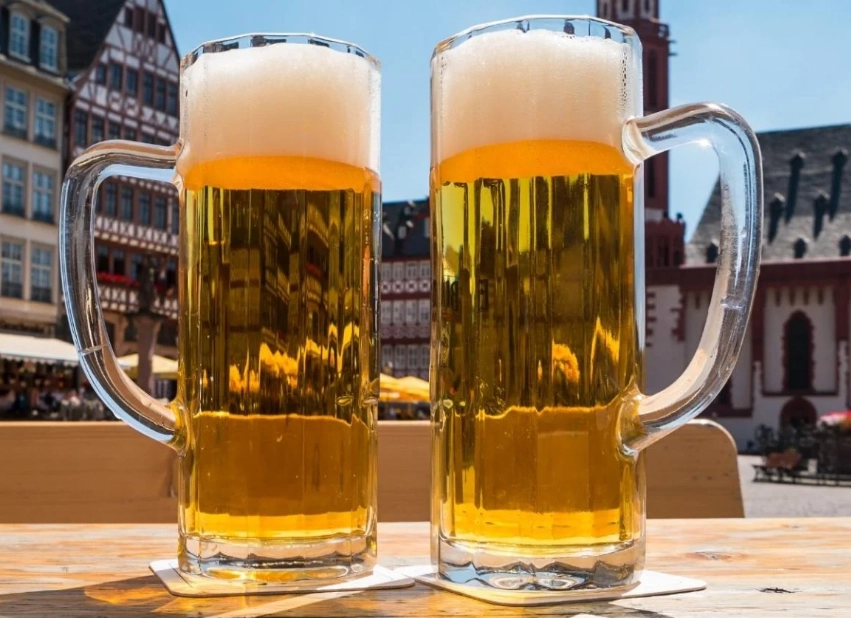
The Pour: A Weissbier is Not a Pilsner
Pouring most German lagers (Pils, Helles) is straightforward: a clean, angled pour down the side of a clean glass to minimize foam, then straighten and pour aggressively down the center to build a nice, finger-thick head ("Krausen").
But Weissbier is a different beast. The bottle contains live yeast sediment. You want that cloudiness! The classic method: Rinse a tall, curved Weizen glass with cold water. Swirl the last third of the bottle to rouse the yeast sediment. Pour the beer smoothly into the center of the glass, leaving about an inch in the bottle. Then, swirl that last inch vigorously and pour it on top to create the iconic, towering, meringue-like head. It's a performance, and it's fun.
Temperature Matters (A Lot)
Americans often serve beer way too cold, which numbs flavor. Germans are more precise.
- Pilsner, Helles, Kölsch: Cold, around 40-45°F (4-7°C). Crispness is key.
- Weissbier, Altbier: Cool, around 45-50°F (7-10°C). Lets the yeast flavors pop.
- Dunkel, Bock, Doppelbock: Cellar temperature, around 50-55°F (10-13°C). Warmer reveals the complex malt character.
The Glassware is Part of the Flavor
Seriously. A Pilsner belongs in a tall, slender Pilsner glass that showcases the color and supports the head. A Weissbier needs its voluminous, curvy glass to contain the massive head and allow the aromas to collect. A heavy, dimpled Maßkrug for Oktoberfest. A thin-walled Stange for Kölsch. The shape directs the aroma to your nose and affects the head retention. It's not just tradition; it's functional design.
The right glass, the right temperature, and the right pour don't just make the beer look good—they unlock the flavors the brewer intended you to taste.
Food Pairing: It's Not Just Pretzels and Sausage
German beer is food beer. It's made to go with the cuisine.
Pilsner: Its cutting bitterness cuts through fat and salt. Perfect with fried food (schnitzel!), salty pretzels, sharp cheeses, and spicy Asian or Mexican dishes. It's a palate cleanser.
Helles/Märzen: The malty sweetness complements roasted chicken, pork dishes, grilled sausages (Bratwurst), and potato salads. Versatile and friendly.
Weissbier: The banana/clove notes are magic with breakfast (yes, really). Try it with a ham and cheese omelet. It's also brilliant with spicy food like Thai curries or Indian dishes, and it's a classic with veal weißwurst and sweet mustard.
Dunkel/Schwarzbier: Think roasted, smoked, or grilled meats. Stews, roast pork, smoked sausages, mushroom dishes. The toasty malt mirrors the char.
Bock/Doppelbock: Pair with strong, aged cheeses, chocolate desserts, or a rich beef stew. Some even sip Doppelbock as a dessert itself.
I made the mistake once of drinking a heavy Doppelbock with a light salad. It felt like bringing a bulldozer to a tea party. The beer just obliterated the food. Lesson learned.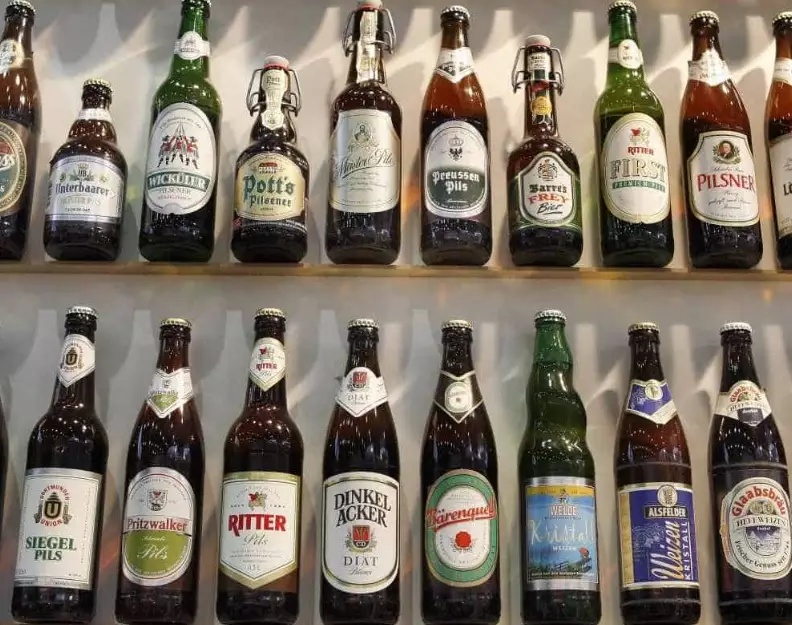
Navigating the World of German Beer: Buying Tips
You're not in Germany. How do you find the good stuff?
1. Look for the Import Details: Is it imported by a reputable company? Check the label for a "best before" date, not a "born on" date. Freshness is critical, especially for hoppy Pilsners. If it's been sitting on a warm shelf for a year, it won't taste right.
2. Seek Out Regional Specialties: Instead of just the biggest brands, look for beers from specific towns or regions. A Rothaus Pils from the Black Forest, an Ayinger beer from Bavaria, a Früh Kölsch from Cologne, or an Uerige Alt from Düsseldorf. These often have more character.
3. Bottle vs. Can: Traditionally bottled, but cans are becoming more common and are actually better at protecting beer from light (which causes skunking) and oxygen. Don't be snobby about cans.
4. When in Doubt, Ask: A good bottle shop owner or beer-savvy bartender can be your best guide. Tell them what you usually like, and they can suggest a German beer that fits your palate.
Common Questions (The Stuff You Actually Google)
The Final Verdict: Why Bother?
In a world of hazy, fruity, pastry, and extreme beers, diving into German beer might seem like a step back. But I see it as a step deeper. It's about appreciating nuance, history, and mastery of fundamentals. It's about a culture that turned brewing into a regulated art form centuries ago.
Drinking a truly fresh, well-made German Pilsner on a hot day is one of life's simple, perfect pleasures. Unwinding with a complex, malty Dunkel by a fire is deeply satisfying. The world of German beer offers a stunning range within its self-imposed boundaries.
So next time you're looking for a beer, skip the usual. Reach for a style you haven't tried. Pay attention to the pour, the glass, the temperature. Sip it, don't gulp it. You're not just drinking a beverage; you're tasting a piece of living history, a regional identity, and a brewer's skill, all in one glass. And that, to me, is what makes exploring German beer an endlessly rewarding journey.
Prost!