Quick Guide
That's the question I kept getting from friends planning a trip, and honestly, it's the one I asked myself before my first visit years ago. Berlin has this reputation – gritty, historical, a bit chaotic, and incredibly cool. But is it safe to visit Berlin now, in the practical, day-to-day sense for someone with a suitcase and a map? The short, and maybe surprising, answer is a solid yes, for the most part. Berlin is statistically one of the safer major capitals in Europe. But like any big city with over 3.5 million people, it has its nuances. Safety isn't just a yes or no checkbox; it's about knowing where to be cautious, what to expect, and how to move around smartly.
This isn't a sugar-coated tourism brochure. We're going to dig into the real stuff: the neighborhoods that feel like a village at 2 AM and the ones where you might want to keep your wits about you. We'll talk about the petty crime that annoys every local, the absolute non-issue of violent crime for tourists, and the cultural quirks that might make you feel uneasy even though they're perfectly safe. My aim here is to give you the context you won't find in a generic guide, so you can swap anxiety for confident awareness. So, is it safe to visit Berlin now? Let's break it down, piece by piece.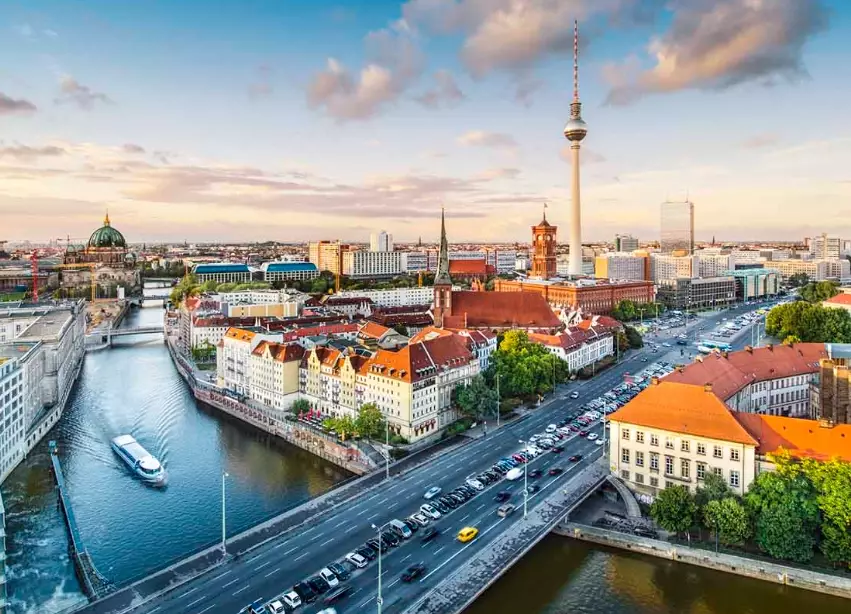
The Core Answer: For the vast majority of visitors, Berlin is a very safe city. The risks you're most likely to encounter are opportunistic petty crime like pickpocketing, especially in crowded tourist areas. Violent crime against tourists is exceedingly rare. Your biggest "danger" might be a bike courier whizzing past you on the sidewalk or having one too many beers at a techno club.
Getting a Feel for Berlin's Safety Landscape
Berlin doesn't have a single, monolithic vibe. It's a patchwork of distinct neighborhoods, each with its own character and, consequently, its own safety profile. Understanding this is key. Thinking "Is it safe to visit Berlin now?" is like asking if New York is safe – it depends entirely on whether you're in Greenwich Village or somewhere you probably shouldn't be at night. Berlin's east-west history also left a mark, but today, safety is less about the old border and more about the type of area (residential, commercial, nightlife hub).
One thing that consistently surprises first-timers is how quiet and residential huge swathes of the city feel. You can walk through Prenzlauer Berg or Charlottenburg at night and feel utterly safe, passing by people walking their dogs or coming out of a wine bar. The atmosphere is generally calm. The police presence is visible but not overwhelming, and there's a strong sense of communal order. That said, let's get specific.
Neighborhood Watch: Where to Relax and Where to Be Alert
I've put together a quick-reference table based on my own experiences and chats with locals. Remember, these are general impressions. A well-lit main street in any district is safer than a dark, deserted park in the most affluent area.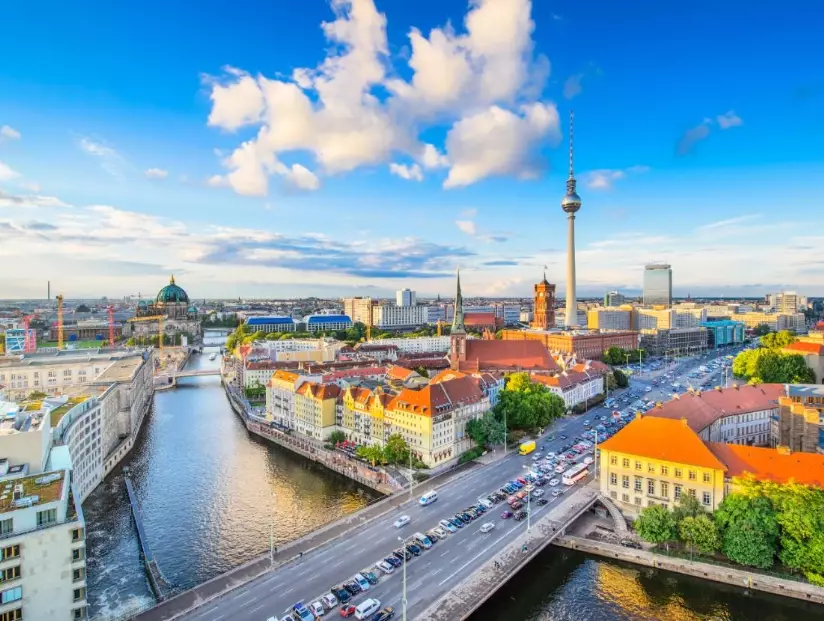
| Neighborhood | Vibe & Safety Feel (Day/Night) | Primary Considerations for Visitors |
|---|---|---|
| Mitte | Day: Busy, tourist-central, very safe. Night: Main areas like around Brandenburg Gate remain fine; quieter side streets can feel empty. | Ground zero for pickpockets. Watch bags in crowds at Alexanderplatz, Museum Island, and on the S-Bahn. Otherwise, extremely secure. |
| Prenzlauer Berg | Day/Night: Family-friendly, affluent, café culture. Feels exceptionally safe and lively at all hours. | Almost no safety concerns. A great area to experience "everyday" Berlin peace. |
| Friedrichshain | Day: Alternative, young, bustling. Night: The heart of nightlife around RAW-Gelände and Simon-Dach-Straße. Safe but boisterous. | Be aware of your belongings in packed bars/clubs. Watch for bike traffic. Drunk crowds are the main "hazard." |
| Kreuzberg | Day: Vibrant, multicultural, chaotic in a good way. Night: Areas like Oranienstraße and Görlitzer Park perimeter are very active. Generally safe but be street-smart. | Görlitzer Park has a reputation for drug dealing, especially after dark. It's best admired from the outside or traversed during the day on main paths. The surrounding streets are fine. |
| Charlottenburg | Day/Night: Elegant, quieter, upscale shopping. Feels very secure and orderly. | Minimal issues. A peaceful, low-crime retreat. |
| Neukölln | Day: The epicenter of hipster cool, great food, buzzing. Night: The party goes late around Weserstraße. Generally safe but can feel intense. | Rapidly gentrifying. Use common sense on side streets late at night. The U-Bahn stations (like Hermannplatz) can feel a bit sketchy late, but are heavily trafficked. |
So, is it safe to visit Berlin now and wander these areas? Absolutely, yes. But knowing that Kreuzberg's energy is different from Charlottenburg's helps you calibrate your awareness. The city's official tourism website, visitBerlin.de, is a fantastic resource for exploring each district's official highlights and events.
The Real Deal on Crime: What You're Actually Up Against
Let's be blunt. When people ask "Is Berlin safe?", they're often worried about getting mugged or worse. The data is reassuring. According to the German Federal Criminal Police Office (BKA), Berlin's rate of violent crime (assault, robbery) is comparable to or lower than other major European capitals like London or Paris, and significantly lower than many American cities. As a tourist, you are extremely unlikely to be a target of random violence.
The crime that does affect tourists is non-violent and opportunistic. It's a nuisance, not a threat to personal safety, but it can ruin a trip.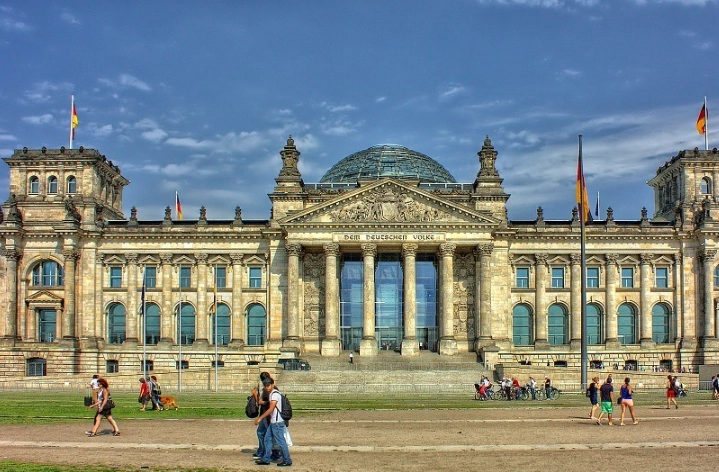
Public Transport: Your Daily Safety Hub
The U-Bahn, S-Bahn, trams, and buses are the lifeblood of Berlin. They are safe, efficient, and run all night on weekends. I've used them at 4 AM countless times. The carriages are well-lit, and there are emergency intercoms. The main risks here are, again, pickpockets in crowded carriages (especially on the U8 line late at night or trains serving major tourist stops) and the occasional person behaving erratically. Just keep your bag in front of you in a crush, don't leave your phone on the seat next to you, and you'll be fine.
One pro-tip: Validate your ticket! Plain-clothes controllers are frequent, and the fine (€60) is steep. It's a financial safety tip more than anything.
The Big One: Pickpocketing & Bag Theft. This is the number one complaint. It happens in crowded places: Alexanderplatz, Zoologischer Garten station, packed museums, and busy S-Bahn carriages. The methods are classic: distractions (someone asking for directions, a "found" ring), bumping into you, or cutting a strap. A friend had her cross-body bag slit on the U2 near Potsdamer Platz. She felt nothing. It's a professional operation.
Scams and Hassles to Have on Your Radar
Berlin isn't rife with elaborate scams, but a few persistent ones pop up:
- The Petition/Donation Scam: Someone, often young and friendly, approaches you with a clipboard for a "deaf charity" or similar. While you're distracted signing, an accomplice may pick your pocket. A firm "no, thank you" and walking on is the best policy.
- Overly Aggressive Club Promoters/Beggars: Around Hackescher Markt and some nightlife areas, they can be pushy. Just ignore them.
- Bike Theft: If you rent a bike, lock it properly with a sturdy U-lock through the frame and wheel to a fixed object. Cable locks are cut in seconds.
Honestly, most of these are just annoyances. They don't make Berlin unsafe; they make it a big city. You develop a city skin. You learn to hold your bag a little tighter in a crowd, just like you would in Barcelona, Rome, or Prague.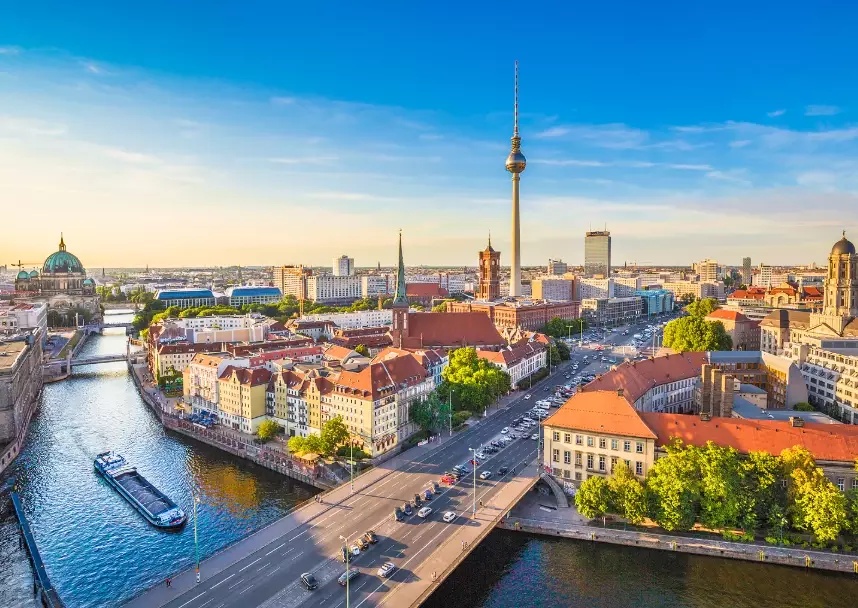
Nightlife, Protests, and Unusual Situations
Berlin's nightlife is legendary. From techno temples to cozy kneipes (pubs), it's a 24-hour city. Is it safe to visit Berlin now and experience the nightlife? Generally, yes. Clubs have strict but fair door policies and good security inside. The biggest risks are related to excess: drinking too much, losing your friends, or taking substances of unknown origin (which, obviously, you shouldn't do). Always have a plan to get home, know the address of where you're staying, and keep your phone charged. Taxis are reliable, and ride-sharing apps work well.
Berlin is also a city of protest and expression. You might stumble upon a demonstration. These are almost always peaceful and well-policed. The Berlin Police website has an English section, but for real-time updates, local English-language media like Berlin.de News or Exberliner are useful. Simply avoid walking through the middle of a large march if you're unsure, and you'll be fine.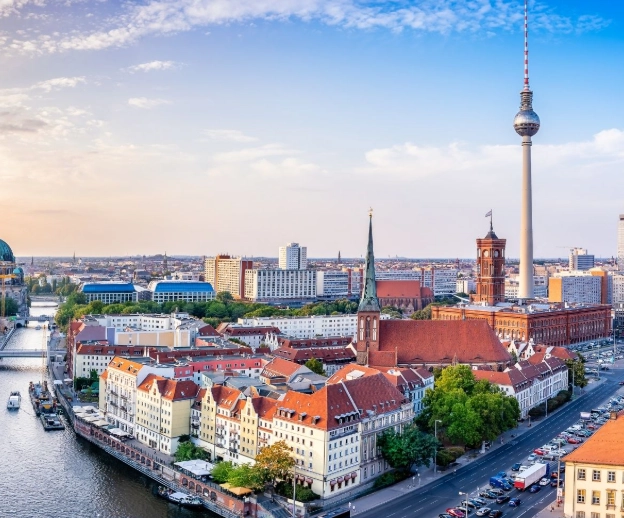
A Personal Safety Essential: Get a local SIM card or an eSIM with data. Being able to use Google Maps, translate signs, or call a taxi instantly removes so much low-level travel anxiety. It's my number one tip for feeling safe and in control anywhere.
Health, Infrastructure, and Seasonal Safety
Safety isn't just about crime. It's about knowing the systems if you need help.
Healthcare: Germany has excellent healthcare. EU citizens should have their European Health Insurance Card (EHIC). For others, travel insurance is non-negotiable. Pharmacies ("Apotheke") are everywhere and pharmacists are highly trained for initial advice. For emergencies, dial 112 for an ambulance. It's free.
Cycling & Walking: Be very alert as a pedestrian. Cyclists own the bike lanes (often between the sidewalk and road), and they move fast. Look both ways before stepping into a bike lane. Seriously, it's a local sport to watch tourists nearly get taken out.
Weather & Seasonal: Winters are dark and icy. Sidewalks can be treacherous. Summers can have sudden, heavy storms. It's not a safety issue per se, but packing the right shoes can prevent a nasty fall.
And what about broader concerns? The Robert Koch Institute is Germany's central public health authority, a reliable source for any health-related advisories.
Your Practical Safety Toolkit for Berlin
Okay, enough theory. Here's your actionable checklist. Do these things, and you'll sidestep 99% of potential issues.
Top 5 Non-Negotiable Safety Habits
- Bag Discipline: Use a cross-body bag with a zipper and wear it in front of you in crowds and on all public transport. Backpacks should be worn on the front in packed U-Bahns. Never leave a phone or wallet on a café table.
- Digital Safety: Screenshot your hotel address and key locations. Have offline maps downloaded. Share your live location with a travel buddy for big nights out.
- Cash Strategy: Don't carry all your cash and cards. Use a hotel safe. Use ATMs inside banks during the day, not free-standing ones on dark streets at night.
- Drink Smart: Know your limits. Never leave your drink unattended. Berlin's beer is strong! Water is your friend.
- Trust Your Gut: If a street feels off, turn around and walk back to a busier one. This is universal advice, but it's gold.
Emergency Info Cheat Sheet
- Police: 110
- Fire & Ambulance: 112 (Pan-European emergency number)
- Non-Emergency Police (for reporting theft): Find your local precinct ("Polizeidirektion") or go to the central police station at Platz der Luftbrücke 6.
- Pharmacy Emergency Service: Dial 115 or check any pharmacy door for the nearest open "Notdienst Apotheke."
So, after all this, let's circle back. Is it safe to visit Berlin now?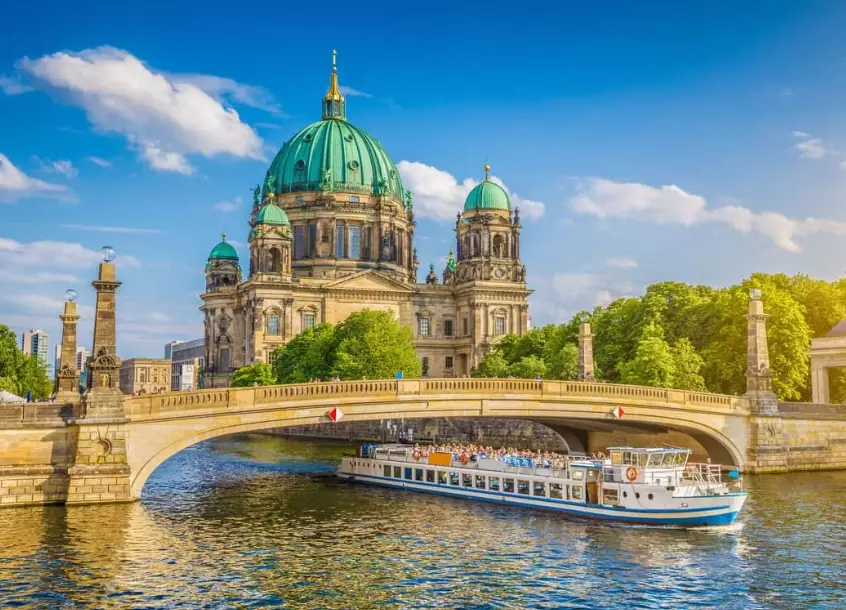
My final, considered take is this: Berlin is a profoundly safe city for tourists who exercise basic, big-city awareness. The fear often outweighs the reality. You are far more likely to be enchanted by a hidden courtyard, overwhelmed by the history, or exhausted from dancing than you are to experience any crime. The city is open, functional, and used to visitors. By taking simple, smart precautions—mainly guarding against pickpockets—you can focus entirely on the experience: the incredible food, the moving memorials, the pulsating art scene, and the unique, unabashedly itself character of this amazing city.
Go. Explore. Walk along the Spree at sunset, get a currywurst, debate politics in a smoky bar. Do it all with your eyes open and your bag secured, and you'll have the time of your life. Is it safe to visit Berlin now? For the prepared and aware traveler, it absolutely is.