Quick Guide to German Castles
- Why German Castle Names Matter (It's Not Just Pronunciation)
- The Hall of Fame: Must-Know German Castles Names
- Beyond the Top 5: Castle Names by Category
- German Castles Names by Region: Plan Your Route
- The Stories Behind the Names: A Quick Dive into Etymology
- How to Choose Which German Castles to Visit (A Practical Framework)
- Frequently Asked Questions About German Castles Names
So you're thinking about German castles, right? That image of Neuschwanstein probably pops into your head first. It's everywhere. But Germany is absolutely littered with these incredible stone giants, each with a name that tells a story. The sheer number of German castles names can be overwhelming—over 20,000 castle sites, from ruins to royal palaces. How do you even begin to sort through them all for a trip?
I remember planning my first trip, just staring at a map dotted with names like Burg Eltz, Schloss Linderhof, and Wartburg. I had no idea which ones were worth the detour, which were just pretty shells, or what the difference between a "Burg" and a "Schloss" even was. It was a mess.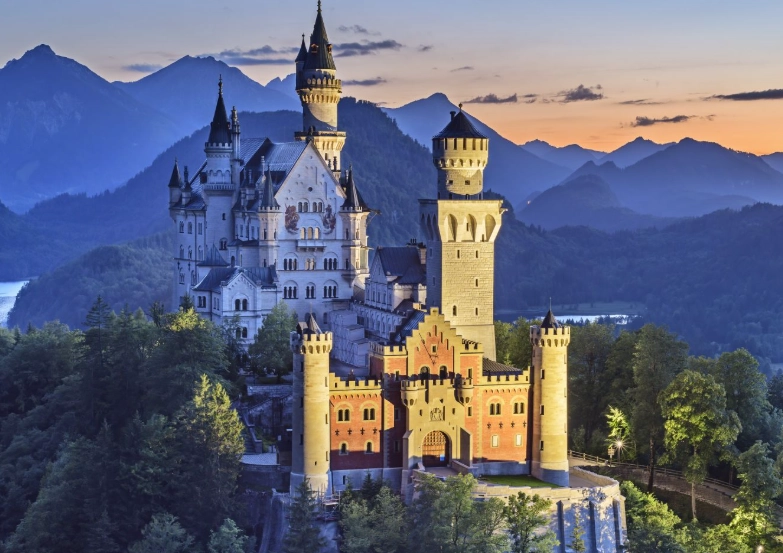
This guide is what I wish I'd had. We're going to move past the postcard and dive into the real list of German castles names you should know. We'll look at the famous ones, the hidden gems, the ones that defined history, and the ones that just take your breath away. More importantly, we'll talk about what these names mean and how to pick the right ones for your adventure.
Why German Castle Names Matter (It's Not Just Pronunciation)
You might think a name is just a label. In Germany, it's a quick history and architecture lesson. The most common words you'll see are Burg and Schloss. A Burg (like Burg Eltz) is a true medieval fortress, built primarily for defense. Think thick walls, strategic hilltop locations, and a generally more rugged feel. A Schloss (like Schloss Neuschwanstein—yes, it's technically a "Schloss"!) is a palace or manor house. Defense was an afterthought; comfort, show, and administration were the goals. You'll see more windows, ornamental gardens, and lavish interiors.
Then there's Festung, which means fortress, usually a massive, state-built military complex (Königstein Fortress in Saxony is a beast). And Ruine simply means ruins, which can be some of the most romantic spots of all.
Knowing this helps you manage expectations. If you're craving dungeons and battlements, head for a Burg. If you want opulent ballrooms and porcelain collections, find a Schloss. This little bit of linguistic insight is your first tool in decoding the long list of German castles names.
The Hall of Fame: Must-Know German Castles Names
Okay, let's talk about the celebrities. These are the German castles names you'll see on every list, and for good reason. They're iconic. But I'll give you my honest take on each one, beyond the brochure description.
| Castle Name | Region | Nickname / Vibe | Key Architectural Style | The Core Experience |
|---|---|---|---|---|
| Schloss Neuschwanstein | Bavaria (Schwangau) | The Disney Castle | Romanesque Revival | A fairy-tale exterior masterpiece. Interior is unfinished but lavish. Views of the Alps and nearby Hohenschwangau are stunning. Be prepared for crowds. |
| Heidelberg Castle (Heidelberger Schloss) | Baden-Württemberg | The Romantic Ruin | Renaissance & Gothic | Massive, partially ruined complex overlooking the university town and river. Less about pristine rooms, more about atmosphere, history, and the world's largest wine barrel. |
| Burg Eltz | Rhineland-Palatinate (near Münstermaifeld) | The Timeless Medieval Jewel | Romanesque, Gothic, Baroque additions | Seemingly untouched medieval castle nestled in a deep forest. Still owned by the original family. Feels like stepping back 500 years. The hike down is part of the charm. |
| Schloss Sanssouci | Brandenburg (Potsdam) | Prussian Versailles | Rococo | Frederick the Great's summer escape palace. Elegant, intimate, and surrounded by breathtaking terraced vineyards and parkland. More refined and intellectual than ostentatious. |
| Wartburg Castle | Thuringia (Eisenach) | Luther's Hideout & National Symbol | Romanesque, 19th-century restoration | Less about fairy tales, more about raw German history. Where Martin Luther translated the New Testament. The restoration in the 1800s is heavy-handed but historically significant. |
Neuschwanstein is, of course, the headliner. It's breathtaking from the Marienbrücke bridge. But honestly? The interior tour feels a bit rushed and anticlimactic compared to the exterior fantasy. The real magic is in the setting. Heidelberg, on the other hand, won me over completely. Sitting in those ruined courtyards as the sun sets over the Neckar River is an experience no intact castle can match. It has soul.
The right question is: what kind of story do you want to be in? A fairy tale, a romantic decay, or a lived-in medieval fortress? The most famous German castles names each offer a completely different chapter.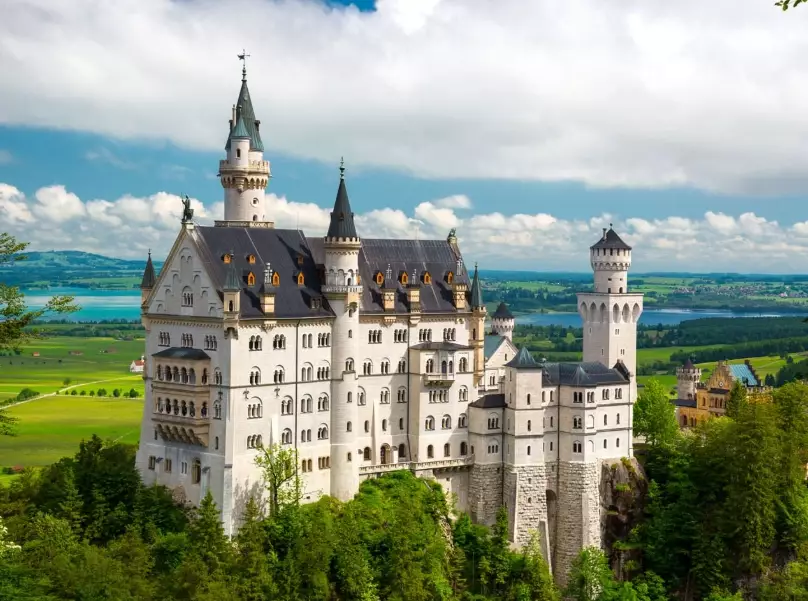
Beyond the Top 5: Castle Names by Category
Once you move past the top-tier names, the real fun begins. This is where you find castles that match your specific interests. Let's break them down.
For the Fairytale Chaser (More Neuschwanstein Vibes)
If you love the whimsical, storybook look, Bavaria is your playground.
- Schloss Linderhof: King Ludwig II's other, smaller, but finished masterpiece. It's opulent Rococo, set in perfect gardens with a grotto. It feels like a royal dollhouse.
- Schloss Hohenschwangau: Right across from Neuschwanstein, this is where Ludwig grew up. It's less fantastical but more historically authentic as a 19th-century royal residence. The tours are often better here.
- Schloss Moritzburg: Near Dresden, this is a Baroque hunting lodge seemingly floating on a lake. Symmetrical, serene, and stunning in winter.
For the Medieval Purist (Authentic Burg Feeling)
You want creaking wood, narrow staircases, and the sense of a knight's home.
- Burg Marksburg: This is the only hill castle on the Rhine River never destroyed. It's the textbook example of a medieval fortress. The tour is a no-nonsense dive into castle life—armor, kitchens, herb gardens. I found it more genuinely educational than many others. You can learn more about its significance from the official German National Tourist Board's page on the Rhine Valley, a UNESCO region.
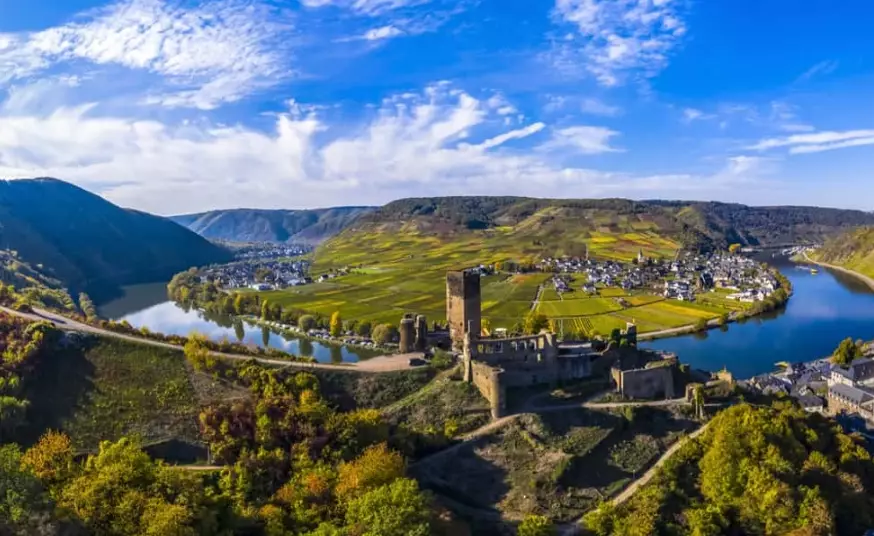
- Reichsburg Cochem: Perched high above the Moselle River, it's a 19th-century rebuild but done in a dramatic Gothic Revival style. The setting is unbeatable, towering over vineyards.
- Burg Burghausen: Hold on to your hat—this is the longest castle complex in the world (over 1,000 meters). It's a massive, linear fortress in Bavaria. Impressive in scale and less crowded.
For the Royal & Opulent (Grand Schlosser)
You're here for the tapestries, the china collections, and the ballrooms.
- Schloss Charlottenburg: Berlin's grand Baroque palace. The gardens are free and fantastic for a stroll, and the interior is a powerful display of Prussian royalty.
- Residenz Würzburg: A UNESCO World Heritage Site, home to the largest fresco in the world by Tiepolo on its vaulted ceiling. The staircase alone is worth the trip. It's a benchmark for Baroque architecture. The UNESCO listing details its outstanding universal value.
- Schloss Ludwigsburg: One of the largest original Baroque palaces in Europe that survived the wars. It's nicknamed the "Swabian Versailles." The sheer scale of the preserved rooms is astounding.
German Castles Names by Region: Plan Your Route
Germany isn't huge, but you can't see it all in one go. Picking a region is the smartest way to explore. The concentration and style of castles change dramatically from south to north, west to east.
The Romantic Rhine & Moselle Valleys
This is castle central. Dozens perch on cliffs above these rivers. It's the classic postcard Germany.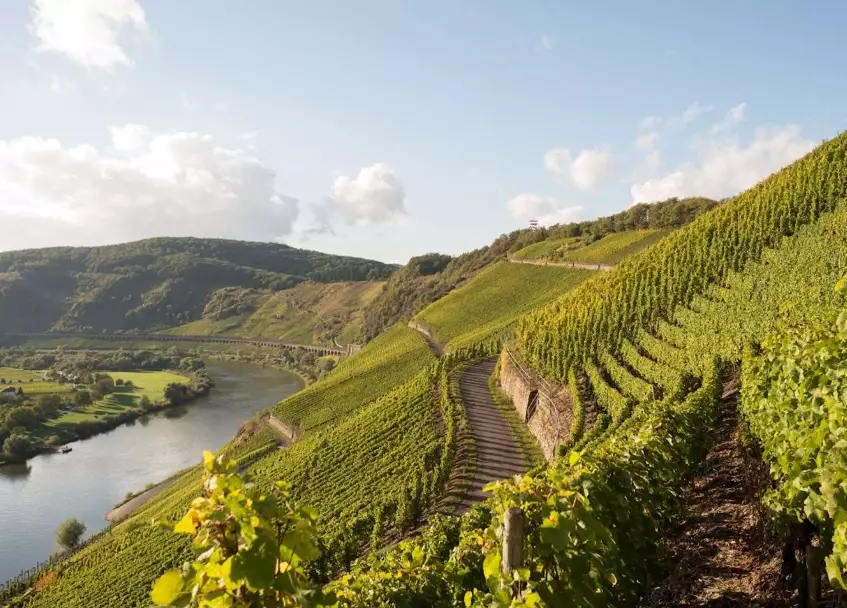
- Key Names: Burg Eltz, Marksburg, Reichsburg Cochem, Pfalzgrafenstein Castle (a toll station in the middle of the Rhine!), Schloss Stolzenfels.
- Best For: A river cruise or a scenic drive. You can see multiple castles in a day. The Rhineland-Palatinate tourism site has excellent itineraries for this area.
Bavaria & Baden-Württemberg (South)
The land of King Ludwig II and the quintessential Alpine fairy tale.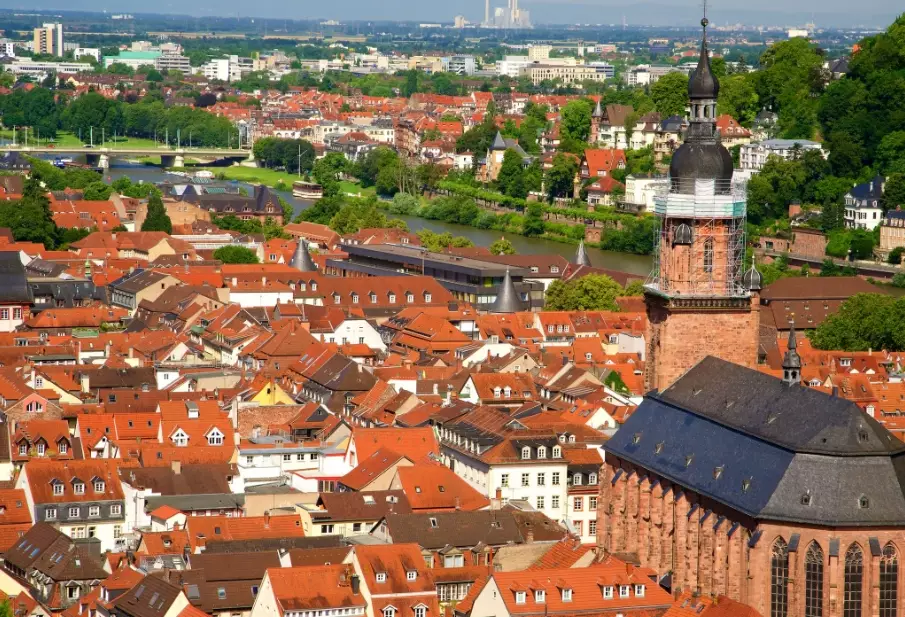
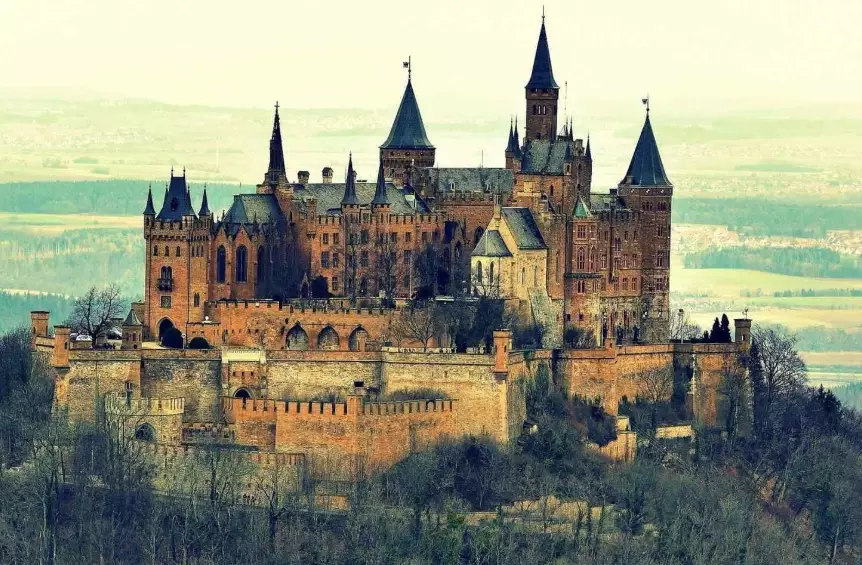
- Key Names: Neuschwanstein, Hohenschwangau, Linderhof, Heidelberg Castle, Burg Hohenzollern (the dramatic ancestral seat of the Prussian emperors), Nuremberg Castle (Reichsburg).
- Best For: Dramatic scenery, royal history, and the most iconic "look."
Saxony & Thuringia (East)
Often overlooked, but packed with incredible history and Renaissance splendor.
- Key Names: Wartburg, Schloss Moritzburg, Albrechtsburg Meissen (Germany's first castle built as a palace), Königstein Fortress (a massive hilltop fortress).

- Best For: Deep historical significance (Reformation, porcelain, medieval empire) and stunning Central German landscapes with fewer international tourists.
See what I mean? A trip focused on the Rhine will give you a dense medieval experience. A Bavarian trip is all about 19th-century Romanticism and Alps. An eastern trip is a history deep dive. The German castles names you choose will define the flavor of your entire journey.
The Stories Behind the Names: A Quick Dive into Etymology
Sometimes the name itself is a story. This isn't just trivia—it helps you remember them and connects you to their origin.
Neuschwanstein = "New Swan Stone." "Schwan" is swan (the heraldic animal of the Counts of Schwangau, and Ludwig loved Lohengrin, the Swan Knight).
Wartburg = Possibly from "Warte" (watchtower), as in "Wait, mountain, you shall bear my castle!" (A legendary quote attributed to its founder).
Eltz = Comes from the name of the Eltzbach stream that runs by it.
Heidelberg = "Heidel" (blueberry) + "Berg" (mountain). The Blueberry Mountain Castle.
It's a fun layer to add. When you say "Burg Eltz," you're literally saying "Castle of the Eltz Stream." It grounds these mythical places in the very real landscape they come from.
How to Choose Which German Castles to Visit (A Practical Framework)
Here’s where I see most guides stop. They list the names but don't help you decide. Let's fix that. Ask yourself these questions before you lock in your list of German castles names.
- What's your travel style? Are you a deep-dive historian, a photographer, a hiker, or a casual sightseer? A ruin like Heidelberg is a photographer's dream. Burg Marksburg is for the history buff. Neuschwanstein is for the iconic snapshot.
- How much time do you have at the castle? Some require a 30-minute hike (Eltz), others have long waits for timed tickets (Neuschwanstein). Don't try to squeeze a 4-hour Eltz visit (including hike and tour) into a 2-hour slot.
- Interior vs. Exterior? Some castles have mediocre interiors but incredible exteriors and settings (many ruins). Some have breathtaking interiors but plain outsides. Decide what matters more to you. Most tours are 30-45 minutes. Is that worth the entry fee for you?
- Location & Logistics: Are they on a convenient train line (Heidelberg, Nuremberg) or do you need a car (Eltz, many Rhine castles)? Parking can be a nightmare in peak season.
Also, book major castle tours online in advance. I learned this the hard way at Neuschwanstein in July. Sold out for the day by 10 AM. For many popular German castles names, an online reservation is non-negotiable in high season.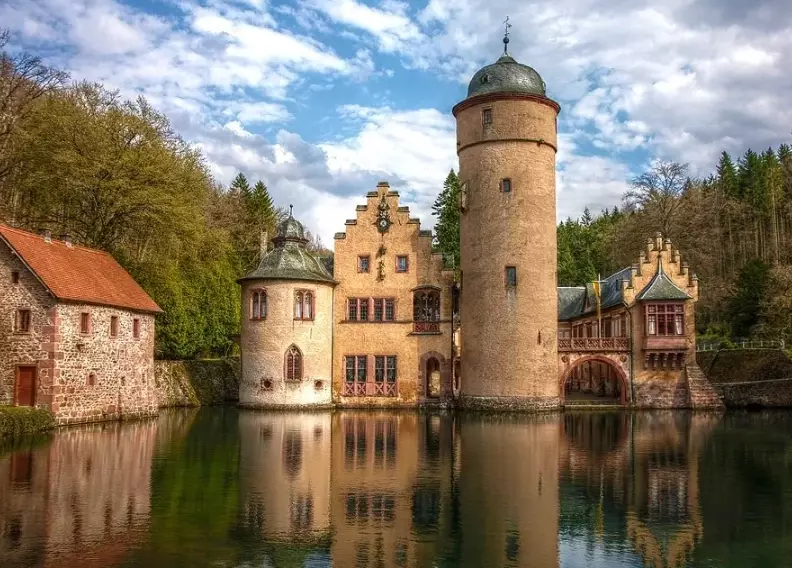
Frequently Asked Questions About German Castles Names
The world of German castles names is deep and endlessly fascinating. It's not just about checking a box next to Neuschwanstein. It's about finding the castles whose stories speak to you—whether that's the story of a mad king, a medieval knight, a reforming monk, or simply a ruin that has gracefully surrendered to time. Use this guide as a starting point, listen to what kind of experience you really want, and then go get lost in your own German fairy tale. The right castle is waiting.
One last thing I wish someone had told me: wear good shoes. Seriously. You'll be walking on cobblestones, climbing spiral staircases, and hiking hills. Your feet will thank you, and you'll be able to focus on the magic, not the blisters. Happy castle hunting!