Your German Food Journey
- The Heart of the Matter: Core Elements of German Cuisine
- A Regional Tour: What Are Traditional German Foods From North to South?
- The Heavy Hitters: Must-Try Traditional German Dishes
- Bread, Cakes, and Sweet Things
- What to Drink With It All?
- When to Eat What: Festive & Seasonal Foods
- Navigating a German Menu: A Survival Guide
- Common Questions (And Straight Answers)
- Final Thoughts From the Table
You type that question into Google, and you probably get a list. Bratwurst, Sauerkraut, maybe Pretzels. It's not wrong, but honestly, it feels a bit like describing Italian food as just pizza and pasta. There's so much more texture, history, and regional pride on the plate. Having spent a good chunk of time eating my way from Schleswig-Holstein down to Bavaria, I can tell you that the answer to "what are traditional German foods" is a journey through forests, rivers, farmlands, and centuries of history. It's hearty, sure, but it's also surprisingly varied and deeply connected to the land.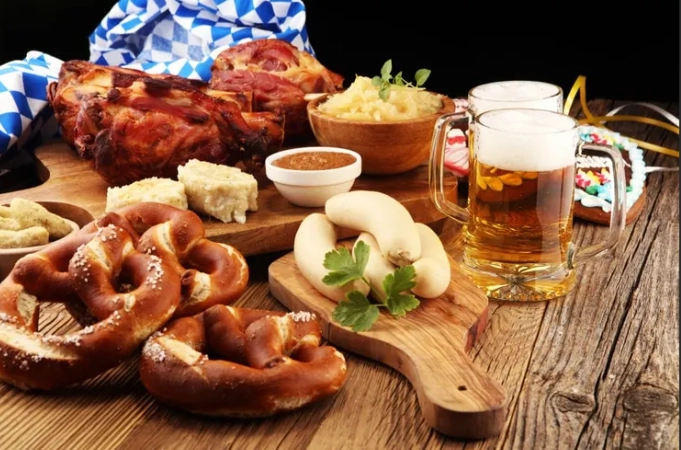
Let's ditch the clichés for a moment. Yes, meat and potatoes are stars. But have you heard of Labskaus from the north, a sailor's hash that looks... challenging but tastes incredible? Or the delicate Spanferkel (suckling pig) from Brandenburg? German food is a story of preservation (smoking, curing, fermenting), necessity, and celebration.
The Heart of the Matter: Core Elements of German Cuisine
Before we list dishes, let's understand the pillars. This isn't fancy, fussy cuisine. It's food born from a central European climate with distinct seasons.
Bread (Brot): This isn't an afterthought. Germany has over 3,000 registered types of bread. It's a national treasure. Dark rye (Roggenbrot), sourdough (Landbrot), seeded loaves (Vollkornbrot)—bread is eaten at almost every meal, often with gusto. A simple Abendbrot (evening bread) of dark bread, cheeses, and cold cuts is a daily ritual.
Potatoes (Kartoffeln): Introduced in the 18th century, they became a lifesaver and a staple. You'll find them boiled (Salzkartoffeln), mashed (Kartoffelpüree), fried (Bratkartoffeln), in dumplings (Klöße or Knödel), and in pancakes (Reibekuchen).
Cabbage & Root Vegetables: Cabbage is king, transformed into tangy sauerkraut (fermented white cabbage) or sweet-red Rotkohl. Turnips, beets, and parsnips are winter heroes.
Meat, Especially Pork: Pork is the most consumed meat. It's roasted, cured into ham (Schinken), and, of course, made into countless sausages (Würste). Beef, poultry, and game (like venison) are also important, particularly in certain regions.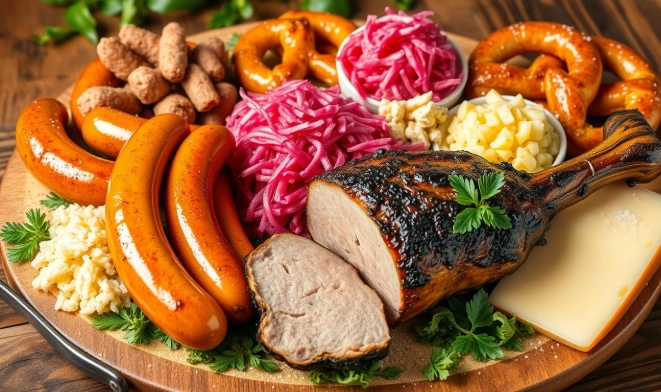
A Regional Tour: What Are Traditional German Foods From North to South?
This is where it gets fascinating. Germany's 16 states (Bundesländer) have distinct identities. The food near the Danish border has more in common with Scandinavia than with Bavaria.
| Region | Key Characteristics | Signature Traditional Dishes |
|---|---|---|
| Northern Germany (Schleswig-Holstein, Hamburg, Mecklenburg-Vorpommern) | Coastal influence. More fish, seafood, oats, kale. Lighter sauces, influenced by Scandinavian and Dutch cuisine. |
|
| Central/Western Germany (North Rhine-Westphalia, Rhineland-Palatinate, Hesse) | River valleys (Rhine, Mosel). Hearty, often sour or wine-based sauces. Famous for cured ham and robust dishes. |
|
| Southern Germany (Bavaria, Baden-Württemberg) | The most internationally famous cuisine. Hearty, meat-heavy, with dumplings and rich sauces. Strong Austrian and Czech influences. |
|
| Eastern Germany (Saxony, Thuringia, Berlin, Brandenburg) | Influenced by Slavic neighbors. More use of mustard, cucumbers, and quark (a fresh cheese). Often simpler preparations. |
|
See what I mean? Asking "what are traditional German foods" in Hamburg gets you a different answer than in Munich. It's this regional diversity that makes exploring the cuisine so rewarding.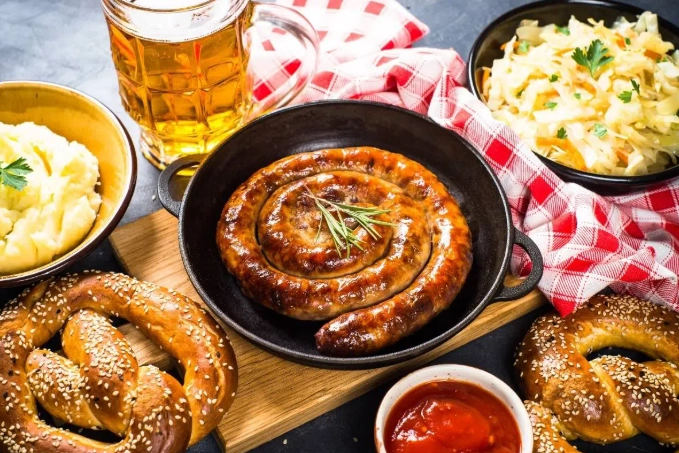
The Heavy Hitters: Must-Try Traditional German Dishes
Based on popularity, cultural significance, and my own gluttonous research, here's a non-ranked list of dishes you're almost guaranteed to encounter.
The Sausage Family (Würste)
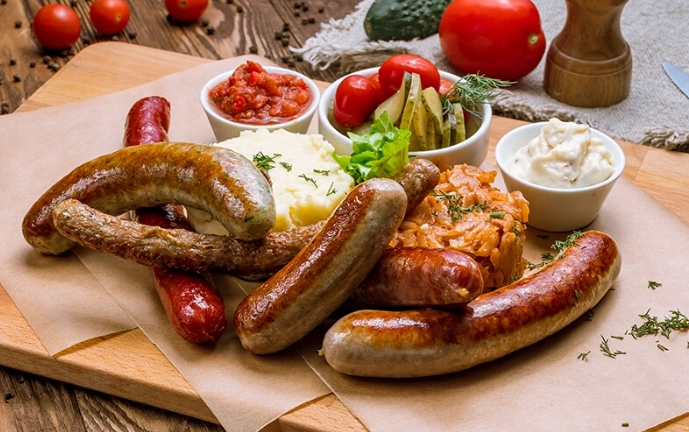
Let's get this one out of the way properly. There are over 1,500 types. They're not all the same!
- Bratwurst: The generic term for a fried sausage. The most famous variants are Nürnberger Rostbratwurst (small, thin, from Nuremberg) and Fränkische Bratwurst (thicker, from Franconia). Never, ever eat it with ketchup in front of a local. Sweet mustard or none at all.
- Currywurst: A Berlin street food icon. A steamed then fried pork sausage, sliced, and drenched in a spiced ketchup-curry powder sauce, served with fries. It's messy, cheap, and perfect after a long day.
- Weißwurst: As mentioned, the Bavarian breakfast sausage. You're supposed to suck the meat out of the skin (zuzeln), but most places skin it for you now. The "Musik" (onions) served with it aids digestion, allegedly.
The Schnitzel Debate
Wiener Schnitzel is technically Austrian—a thin, breaded, and fried veal cutlet. In Germany, you'll find Schnitzel Wiener Art (Vienna-style, often veal or pork) and countless other versions: Jägerschnitzel (with mushroom sauce), Rahmschnitzel (with cream sauce), Zigeunerschnitzel (with a bell pepper and paprika sauce, though the name is now considered problematic and often changed). It's ubiquitous and usually a safe, satisfying choice.
The Ultimate Comfort Foods
These are the dishes that define home cooking.
- Rouladen: Thin slices of beef rolled around bacon, onions, pickles, and mustard, then braised until melt-in-your-mouth tender. Served with red cabbage and potato dumplings. My personal favorite for a Sonntagsbraten.
- Käsespätzle: Germany's answer to mac and cheese. Soft egg noodles (Spätzle) layered with grated Emmentaler cheese and fried onions, baked until bubbly. Vegetarian heaven.
- Eintopf: Meaning "one pot." A thick stew that can contain any combination of meat, sausages, potatoes, carrots, peas, and lentils. The definition of hearty.
Bread, Cakes, and Sweet Things
Germans have a serious baking tradition (Konditorei). It's not all heavy meat.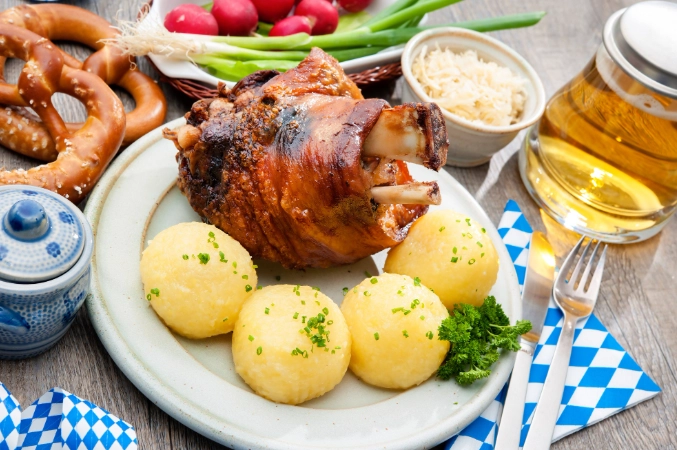
Pretzels (Brezeln): The Bavarian ones are soft, chewy, and salty. The Swabian ones are thinner and crispier. Perfect with butter (Butterbrezel) or as a side to sausage.
Black Forest Gateau (Schwarzwälder Kirschtorte): It must contain kirschwasser (cherry schnapps) from the Black Forest region to be authentic. The cream, cherries, chocolate, and booze create magic.
Bee Sting Cake (Bienenstich): A yeasted cake with a creamy filling and a crunchy, honey-almond topping. Why is it called a bee sting? Legend says a baker was stung by a bee while inventing it.
Stollen: The iconic Christmas bread, packed with dried fruit, nuts, and marzipan, dusted with powdered sugar. The Dresdner Stollen is protected and a festive must.
What to Drink With It All?
This is crucial. The drink can make the meal.
Beer (Bier): Obviously. The Reinheitsgebot (Beer Purity Law) of 1516, now modernized, still influences brewing. Try a malty Dunkel (dark lager) with roast meat, a crisp Helles with sausage, or a refreshing Weißbier with Weißwurst.
Wine (Wein): Germany isn't just Riesling, though its Rieslings are world-class. The Mosel, Rheingau, and Pfalz regions produce stunning whites. Try a dry (trocken) Riesling with pork or a Spätburgunder (Pinot Noir) red with duck.
Schnapps & Spirits: Often fruit-based (Obstler) and served as a digestif. A clear Korn is a grain spirit popular in the north.
Apfelschorle: The national daytime drink: sparkling water mixed with apple juice. Refreshing and not too sweet.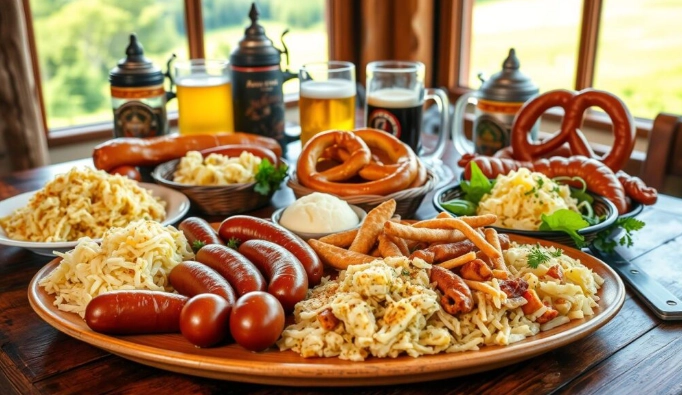
When to Eat What: Festive & Seasonal Foods
Timing is everything. Many traditional German foods are tied to seasons and holidays.
Christmas (Weihnachten): This is a feast. Weihnachtsgans (Christmas goose) with red cabbage and dumplings. Stollen, Lebkuchen (gingerbread), and Spekulatius (spiced cookies). Glühwein (mulled wine) at the markets.
Oktoberfest (& other folk festivals): It's all about roast chicken (Hendl), giant pretzels, Schweinshaxe, and, of course, liter-sized mugs of festival beer (Maß).
Lent & Carnival (Karneval/Fasching): Before Lent, people eat rich, fatty foods. Berliner Pfannkuchen (jam-filled doughnuts) are a must.
Spring: Look for dishes with white asparagus (Spargel), celebrated from April to June. Served with ham, potatoes, and hollandaise sauce. A true delicacy.
Autumn: Game season (Wildsaison). Venison, wild boar, and hare appear on menus, often served with red cabbage, dumplings, and a rich berry sauce.
Navigating a German Menu: A Survival Guide
Feeling overwhelmed? Here's a quick decoder.
- Gebraten = roasted/fried
- Gekocht = boiled
- Gedünstet = steamed
- Geschmort = braised/stewed
- Roh = raw (like Mett, seasoned raw pork spread on bread)
- Beilagen = side dishes. You often order these separately!
- Knödel/Klöße = dumplings (potato or bread)
- Spätzle = egg noodles
- Rotkohl/Blaukraut = red cabbage
- Sauerkraut = fermented white cabbage
Ordering a roast without a side is like ordering a burger without a bun. Don't forget the Beilagen!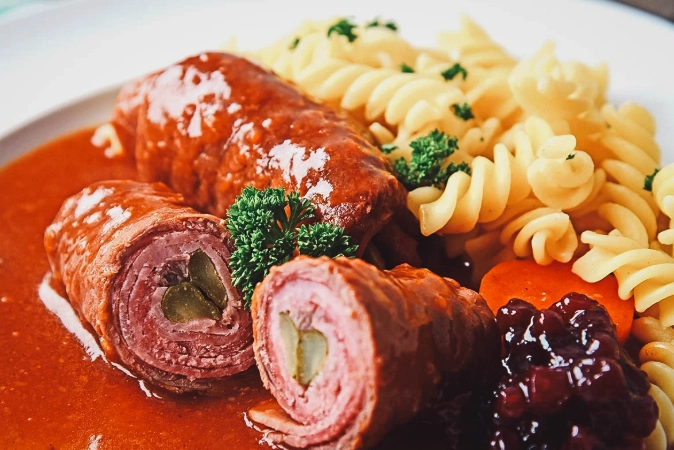
Common Questions (And Straight Answers)
Final Thoughts From the Table
So, when someone asks you, "what are traditional German foods?", you can now say it's a story. It's the smoky Kasseler chop from the north, the tangy Sauerbraten from the west, the delicate Spätzle from the south, and the pungent Handkäse from the center. It's a cuisine of contrasts—hearty yet refined, simple yet deeply flavorful, unified by a love for quality ingredients and shared meals.
It's not always light, and some dishes are an acquired taste (I'm looking at you, Blutwurst). But to experience Germany without diving into its food is to miss its heart. Start with a pretzel and a Weißbier, maybe share a Schweinshaxe, and save room for Käsespätzle. You'll begin to understand that German food, in all its robust glory, is meant to be enjoyed slowly, with good company, and preferably in a cozy Gasthaus where the portions are generous and the welcome is warm.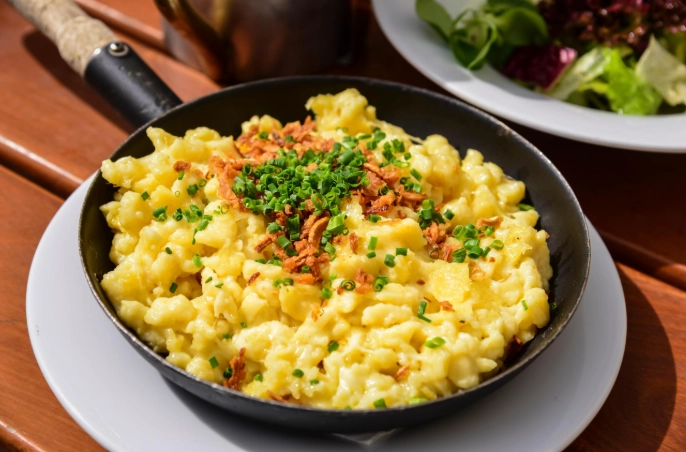
What's your favorite German dish? Have you tried any of the more unusual ones? The conversation, much like the meal, is part of the experience.